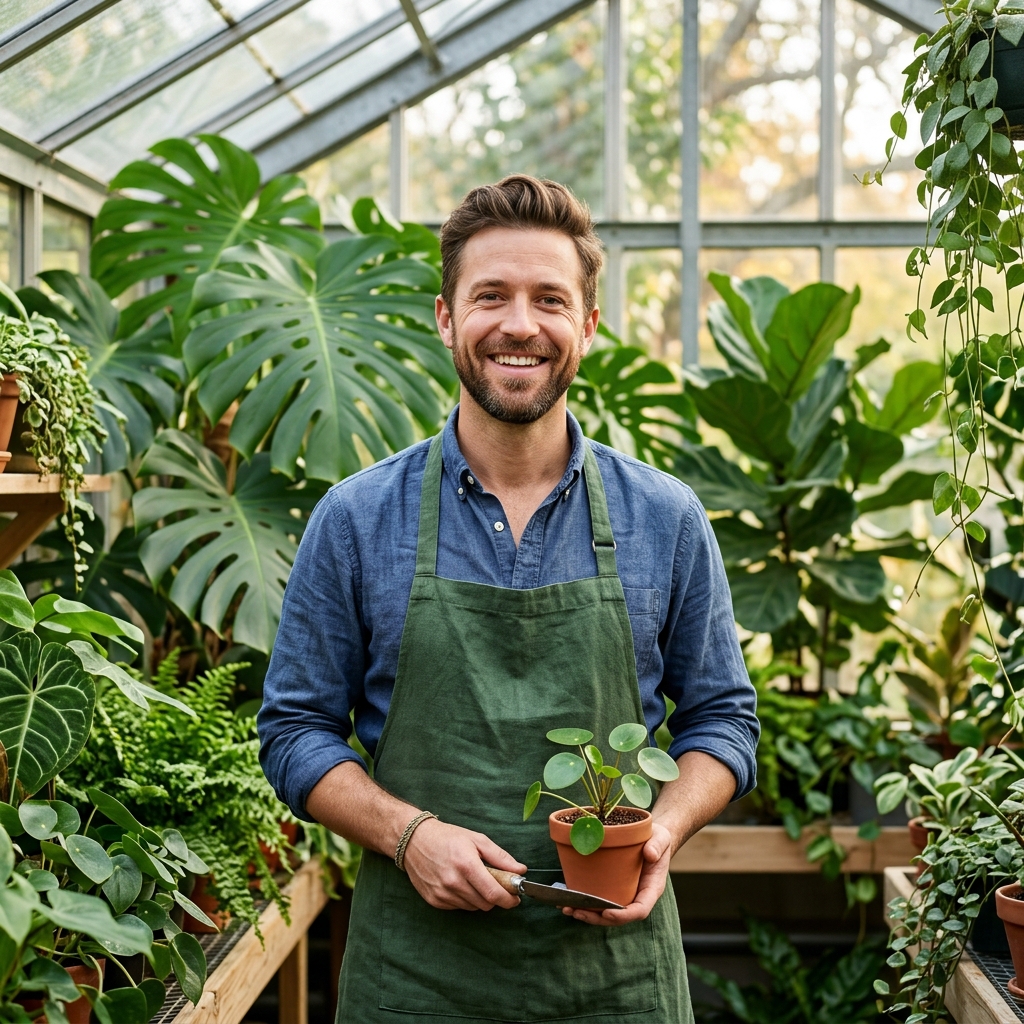
Creating a lush, thriving garden at home doesn’t have to be a daunting task, especially with the convenience of drip irrigation systems. These systems not only conserve water but also ensure your plants receive the precise amount of hydration they need, promoting healthier growth and vibrant blooms. Whether you have a sprawling backyard or a cozy balcony, there’s a simple drip irrigation solution that can cater to your specific needs.
In this article, we’ll explore eight easy-to-build drip irrigation systems that can elevate your gardening game. From repurposed materials to ready-made kits, these DIY projects are perfect for both novice gardeners and seasoned green thumbs. Embrace the art of watering wisely and discover how these systems can enhance your outdoor space while saving you time and resources.
1. Repurposed Wine Bottles for Gentle Watering

Transform your empty wine bottles into an elegant drip irrigation system for your flower beds or potted plants. This eco-friendly solution allows you to recycle while providing a steady water supply to your plants. Simply fill a wine bottle with water, invert it into the soil, and let gravity do the rest. The soil will slowly absorb the moisture, ensuring your plants are hydrated without the risk of overwatering.
For added charm, consider using colored or decorative bottles that complement your garden’s aesthetic. This method is particularly effective for smaller plants that require consistent moisture but can be adapted for larger areas as well. Additionally, you can use this method to create a beautiful centerpiece in your garden or patio, combining functionality with style.
Ensure that the bottlenecks are clear of any debris and that the soil around the bottle is loose enough for water to seep through. You might also want to place more than one bottle per plant for larger varieties. This simple and stylish solution not only nurtures your plants but also adds a unique touch to your landscaping.
2. DIY PVC Drip System for the Enthusiast

For those who enjoy a hands-on approach to gardening, a DIY PVC drip irrigation system can be a rewarding project. This system allows for precise control over water distribution and is perfect for larger gardens or vegetable patches. Start by designing a layout that includes the main water supply line made of PVC pipes, and then branch off with smaller tubing to deliver water directly to the roots of your plants.
Installing a timer can enhance this system, allowing you to schedule watering sessions based on your plants’ needs. This will help prevent overwatering and ensure consistent moisture levels. Make sure to incorporate emitters or drip tape that deliver water slowly and evenly, giving your plants the hydration they crave without wasting resources.
Additionally, painting the PVC pipes a dark color can help absorb sunlight, preventing algae growth inside the system. This DIY project not only saves water but also promotes healthier gardens, enabling you to grow your plants with confidence and ease. Enjoy the satisfaction of building a system tailored to your gardening style while watching your plants thrive.
3. Using Soaker Hoses for Efficient Watering

Soaker hoses are an incredibly effective and low-maintenance solution for drip irrigation, perfect for gardeners looking for convenience. These porous hoses allow water to seep through their walls, delivering moisture directly to the root zone of your plants. They are especially beneficial for rows of vegetables or flower beds, where consistent watering is essential for healthy growth.
Installation is straightforward: simply lay the soaker hose along your garden beds, ensuring the hose is positioned close to the plants. Connect it to a water source and you’re ready to go! To maximize efficiency, use a timer to control the watering duration and frequency, helping to conserve water while keeping your plants adequately hydrated.
Additionally, consider mulching over the soaker hose to help retain moisture in the soil and reduce evaporation. This method is not only resource-efficient but also encourages deep root growth in your plants, leading to healthier, more robust gardens. Soaker hoses combine simplicity and effectiveness, making them a favorite among gardeners of all skill levels.
4. Rainwater Harvesting for Sustainable Irrigation

Harnessing the power of nature with a rainwater harvesting system is a sustainable approach to drip irrigation. By collecting rainwater from your roof or gutters, you can create a reservoir that provides a free and eco-friendly water supply for your garden. This system not only promotes conservation but also reduces your water bill, making it a win-win for both your garden and your budget.
To get started, install rain barrels at downspouts to capture runoff during rainstorms. Connect the barrels to a drip irrigation system, using gravity to distribute the water efficiently to your plants. You can also add a filtration system to ensure that the water is clean and safe for your plants.
Incorporating rainwater into your garden not only benefits your plants but also helps reduce runoff that can lead to erosion and pollution. As you watch your garden thrive with this natural resource, you’ll feel a sense of accomplishment knowing you’re contributing to a more sustainable future. Rainwater harvesting is an innovative way to keep your garden flourishing while being kind to the environment.
5. Container Gardening with Built-in Drip Systems

If you’re short on space or looking for a modern twist on gardening, container gardening with built-in drip systems is an excellent option. This method allows you to grow a variety of plants in pots while ensuring they receive the right amount of water without the hassle of manual watering. Many self-watering containers come equipped with a drip system that provides consistent moisture for your plants.
Choose containers that have a reservoir at the bottom, allowing excess water to be stored and gradually released to the soil. This ensures that your plants are never overwatered and helps maintain optimal humidity levels. It’s an ideal solution for busy individuals who want to enjoy gardening without the commitment of daily upkeep.
Additionally, consider adding decorative elements like colorful pots or vertical plant stands to enhance your outdoor or indoor spaces. Container gardening not only beautifies your environment but also provides a functional and efficient way to grow herbs, flowers, and vegetables in limited spaces. Embrace the charm of container gardening while enjoying the benefits of a built-in drip irrigation system.
6. Elevate Your Garden with Smart Irrigation Systems

Embrace technology in your gardening routine with smart irrigation systems that take the guesswork out of watering. These systems utilize sensors, timers, and even weather data to deliver precise amounts of water based on your plants’ needs. By integrating a smart system, you can ensure your garden is thriving while conserving water and reducing waste.
Most smart irrigation systems come with an app that allows you to monitor and control your watering schedule remotely. This means you can adjust settings based on weather conditions or even receive alerts when it’s time to water. This high-tech approach not only simplifies your gardening tasks but also promotes healthier plant growth, as water is delivered exactly when and where it’s needed.
Investing in a smart irrigation system can be a game-changer for both novice and experienced gardeners. As you watch your garden flourish with minimal effort, you’ll appreciate the blend of technology and nature. Enjoy the convenience and peace of mind that comes with automated watering, allowing you to spend more time enjoying your garden rather than maintaining it.
7. Misting Systems for Hot Climates

If you live in a hot climate, a misting system can be a refreshing and effective way to keep your plants hydrated. This system produces a fine mist of water, cooling the air and providing moisture to your garden. It’s particularly beneficial for delicate plants that thrive in humid environments or for outdoor spaces where you want to create a comfortable atmosphere for relaxation.
To set up a misting system, arrange misting nozzles strategically around your garden or patio, ensuring coverage for all your plants. Connect the system to a water source and a timer to automate the process, allowing your plants to receive moisture during the hottest parts of the day. This not only keeps your plants healthy but also creates a pleasant environment for outdoor gatherings.
Additionally, misting systems can be a visually appealing feature, adding a soft and refreshing aesthetic to your garden space. As the mist envelops your plants, you’ll witness a vibrant display of colors and textures, enhancing the overall beauty of your outdoor oasis. Embrace the cooling effects of a misting system and watch your garden flourish even in the heat of summer.
Frequently Asked Questions
What is a drip irrigation system?
A drip irrigation system is a method of delivering water directly to the roots of plants through a network of tubes, pipes, and emitters. Unlike traditional watering methods, which can waste water through evaporation and runoff, drip irrigation allows for precise water application. This system is particularly beneficial in arid climates or for plants that require consistent moisture.
The setup can vary in complexity, from simple DIY solutions to advanced, automated systems. Many gardeners appreciate the efficiency of drip irrigation, as it promotes healthier plant growth while conserving water. Overall, it’s an effective way to ensure your plants receive the hydration they need without wasting valuable resources.
Can I install a drip irrigation system myself?
Absolutely! Many drip irrigation systems are designed for easy DIY installation, making them accessible for gardeners of all skill levels. You can find kits at local garden centers or online that include all the necessary components, such as tubing, emitters, and connectors.
Before starting, it’s essential to plan the layout of your system based on the types of plants you have and their watering needs. Most kits come with clear instructions, allowing you to set up your system in a few hours. With a little patience and creativity, you can create an effective irrigation solution tailored to your garden.
How often should I water my garden with drip irrigation?
The frequency of watering with a drip irrigation system depends on several factors, including the type of plants, soil moisture levels, and climate conditions. Generally, it’s recommended to water early in the morning or late in the evening to minimize evaporation. Depending on the season and plant requirements, you might water once or twice a week.
It’s important to monitor your plants and the soil moisture to determine when to adjust your watering schedule. Using a timer can help automate this process, ensuring your plants receive consistent moisture without the risk of overwatering.
What are the benefits of using a drip irrigation system?
Drip irrigation systems offer numerous benefits for gardeners looking to conserve water and promote healthy plant growth. One of the primary advantages is their efficiency, as they deliver water directly to the root zone, reducing evaporation and runoff. This targeted approach ensures that plants receive the hydration they need without wasting resources.
Additionally, drip irrigation can lead to healthier plants, as consistent moisture levels support robust root development. This method can also reduce weed growth, as only the areas around the plants are watered. Overall, adopting a drip irrigation system can result in a flourishing garden while being environmentally friendly.
Are there any maintenance tips for drip irrigation systems?
Maintaining a drip irrigation system is relatively straightforward and involves a few key practices to ensure optimal performance. Regularly inspect the tubing and emitters for clogs and leaks, as debris can accumulate over time and hinder water flow. Flushing the system at the beginning of each season can help clear any buildup.
Additionally, check the timing and duration of your watering schedule, adjusting as necessary based on seasonal changes and plant growth. If you’re using a filtration system, replace filters regularly to maintain water quality. With simple maintenance, you can ensure your drip irrigation system continues to function effectively for years to come.
Incorporating a drip irrigation system into your gardening routine can significantly enhance plant health while conserving water. From simple solutions using recycled materials to advanced smart systems, there’s an option to fit every gardener’s needs and preferences. Embrace these easy-to-build systems and watch your garden flourish with minimal effort.
As you explore these creative drip irrigation ideas, consider the benefits of each method and how they can complement your gardening style. Whether you’re a seasoned gardener or just starting, these systems will not only simplify your watering routine but also contribute to a more sustainable and vibrant garden. Start your journey towards efficient gardening today!