1. Best Indoor Succulents for Low-Maintenance Gardening Success

Best Indoor Succulents for Low-Maintenance Gardening Success
If you’re looking to enhance your indoor garden with low-maintenance options, succulents are the perfect choice. These hardy plants not only thrive on neglect but also add a touch of beauty and elegance to any space. Below are some of the best indoor succulents that promise gardening success with minimal effort.
Top Low-Maintenance Succulents
- Echeveria: Known for its rosette shape and vibrant colors, Echeveria requires bright, indirect sunlight and infrequent watering.
- Jade Plant (Crassula ovata): A symbol of good luck, this succulent thrives in well-draining soil and should be watered only when the top inch is dry.
- Aloe Vera: Not only is it low-maintenance, but it also offers medicinal benefits. Place it in a sunny spot and water sparingly.
- Haworthia: This resilient succulent can tolerate low light conditions, making it ideal for beginners. Water it every two weeks in summer.
Expert Tips for Success
To ensure your succulent garden flourishes, follow these expert gardening tips:
- Use a cactus soil mix for optimal drainage.
- Place succulents in pots with drainage holes to prevent root rot.
- Rotate plants regularly to ensure even growth.
Avoid Common Mistakes
While succulents are forgiving, here are common pitfalls to avoid:
- Overwatering: Succulents prefer dry conditions; allow the soil to dry out completely.
- Insufficient light: Most succulents thrive in bright, indirect light, so positioning is key.
By incorporating these low-maintenance succulents into your indoor garden, you’ll not only simplify your gardening routine but also enjoy the aesthetic appeal they bring. Happy gardening!
2. How to Care for Snake Plants: The Ultimate Beginner Guide

How to Care for Snake Plants: The Ultimate Beginner Guide
Snake plants, scientifically known as Sansevieria, are popular houseplants prized for their striking appearance and low maintenance needs. Here’s how to ensure your snake plant thrives in your home.
Light Requirements
Snake plants prefer indirect sunlight but can adapt to low-light conditions. For optimal growth, place your plant in bright, filtered light. Avoid direct sunlight, as it can scorch the leaves.
Watering Guidelines
Overwatering is a common mistake. Allow the soil to dry out completely between waterings. Typically, watering every 2-6 weeks suffices, depending on the season and humidity levels. During the winter months, reduce watering frequency.
Soil and Fertilization
Use a well-draining potting mix, such as a cactus or succulent blend. Fertilize sparingly, only during the growing season (spring and summer), with a balanced, diluted fertilizer once a month.
Temperature and Humidity
Snake plants thrive in temperatures between 60°F to 80°F (15°C to 27°C). They can tolerate lower humidity levels, making them ideal for indoor environments.
Common Mistakes to Avoid
- Overwatering: Always check soil moisture before watering.
- Neglecting drainage: Ensure pots have drainage holes to prevent root rot.
- Ignoring pests: Regularly inspect for common pests like spider mites and mealybugs.
Expert Tips
Rotate your snake plant every few weeks to encourage even growth. Additionally, repot every 2-3 years to refresh the soil and provide ample space for growth.
By following these guidelines, you can enjoy the beauty of your snake plant while ensuring its health and longevity in your home.
3. Pothos Plants: Easy Care Tips for New Gardeners

Pothos Plants: Easy Care Tips for New Gardeners
Pothos plants, also known as Epipremnum aureum, are a favorite among new gardeners due to their hardy nature and stunning trailing vines. These low-maintenance houseplants thrive in various conditions, making them ideal for beginners. Here are some expert care tips to help your Pothos flourish.
Watering and Light Requirements
Pothos prefer bright, indirect light but can also tolerate low-light conditions. Aim for a balance; too much direct sunlight can scorch their leaves. When it comes to watering, allow the top inch of soil to dry out before giving your plant a thorough drink. Overwatering is a common mistake that can lead to root rot.
Optimal Soil and Fertilization
Use a well-draining potting mix for your Pothos. A blend that includes perlite or orchid bark promotes aeration. Fertilize your plant every 4-6 weeks during the growing season with a balanced houseplant fertilizer to encourage lush growth.
Common Mistakes to Avoid
- Overwatering: Always check soil moisture before watering.
- Poor lighting: Avoid placing your Pothos in direct sunlight.
- Neglecting pruning: Regularly trim your Pothos to promote bushier growth.
Trends and Best Practices
Currently, trailing plants like Pothos are trending in indoor decorating. Utilize macramé hangers or stylish pots to showcase their beautiful vines. Remember to rotate your plant every few weeks to ensure even growth. With these simple steps and tips, your Pothos will thrive and bring a refreshing touch to your home.
4. Understanding ZZ Plants: Low-Light and Low-Water Requirements

Understanding ZZ Plants: Low-Light and Low-Water Requirements
The ZZ plant (Zamioculcas zamiifolia) is a remarkable choice for gardeners seeking low-maintenance houseplants. Renowned for thriving in low-light conditions and exhibiting low-water requirements, this plant is perfect for beginners and busy plant enthusiasts alike.
Optimal Growing Conditions
When cultivating ZZ plants, consider the following best practices:
- Light: Place your ZZ plant in indirect sunlight. While it can tolerate low light, moderate indirect light promotes healthier growth.
- Water: Water sparingly. Allow the top inch of soil to dry out before rehydrating. Overwatering is a common mistake that can lead to root rot.
- Soil: Use well-draining potting mix. A blend designed for succulents is ideal.
Current Trends and Expert Tips
ZZ plants are trending in indoor gardening due to their striking glossy leaves and air-purifying qualities. To ensure your plant flourishes:
- Rotate the plant periodically for even growth.
- Dust the leaves occasionally with a damp cloth to enhance photosynthesis.
Common Mistakes to Avoid
Understanding the needs of ZZ plants can prevent common pitfalls:
- Avoid placing your ZZ plant in direct sunlight, which can scorch the leaves.
- Do not overwater; remember, these plants are drought-tolerant.
By following these guidelines, you can successfully cultivate a thriving ZZ plant that enhances your indoor space with minimal effort. With their low-light and low-water requirements, ZZ plants are truly a gardener’s dream.
5. Peace Lily Care: Low-Maintenance House Plant for Beginners

Peace Lily Care: Low-Maintenance House Plant for Beginners
The Peace Lily (Spathiphyllum) is a popular choice among house plant enthusiasts, especially for beginners. Known for its elegant white blooms and lush green foliage, this low-maintenance plant thrives in a variety of indoor conditions. Here’s how to ensure your Peace Lily flourishes.
Light and Location
Peace Lilies prefer indirect sunlight. Place them in a well-lit room but avoid direct sun exposure to prevent leaf burn. Ideal spots include east-facing windows or areas with filtered light.
Watering and Humidity
These plants enjoy consistently moist soil. Water your Peace Lily when the top inch of soil feels dry. Overwatering can lead to root rot, so ensure your pot has drainage holes. Additionally, Peace Lilies thrive in higher humidity; mist the leaves occasionally or use a pebble tray to maintain moisture.
Fertilizing
Feed your Peace Lily with a balanced, water-soluble fertilizer every 6-8 weeks during the growing season (spring and summer). This encourages healthy growth and flowering.
Common Mistakes to Avoid
- Overwatering: Ensure proper drainage to prevent root rot.
- Insufficient light: Lack of indirect light may reduce blooming.
- Neglecting repotting: Repot every 1-2 years to refresh soil and promote growth.
Current Trends and Final Tips
As house plants continue to trend, Peace Lilies remain a favorite due to their air-purifying properties. Always check for pests like spider mites and aphids, and wipe leaves to keep them dust-free. With these tips, your Peace Lily will not only survive but thrive!
6. Spider Plant Benefits: Air Purification and Easy Care Techniques

Spider Plant Benefits: Air Purification and Easy Care Techniques
The Spider Plant (Chlorophytum comosum) is a beloved houseplant known for its remarkable air purification qualities and low-maintenance care requirements. As we become more conscious of indoor air quality, this resilient plant stands out as a top choice for both novice and expert gardeners alike.
Benefits of Spider Plants for Air Purification
Spider plants are exceptional at removing indoor pollutants such as formaldehyde and xylene. According to NASA’s Clean Air Study, these plants can help improve air quality, making them ideal for homes, offices, and indoor gardens. By incorporating a few spider plants into your living spaces, you can enjoy fresher air and a healthier environment.
Easy Care Techniques
One of the reasons spider plants are so popular is their easy care requirements. Here are some expert tips to ensure your spider plants thrive:
- Light: Place your spider plant in bright, indirect sunlight. They can tolerate lower light conditions but will grow best in bright environments.
- Watering: Allow the top inch of soil to dry out between waterings. Overwatering can lead to root rot, a common mistake among gardeners.
- Soil: Use a well-draining potting mix to prevent water from accumulating around the roots.
Common Gardening Mistakes to Avoid
While spider plants are forgiving, there are some common pitfalls to steer clear of:
- Avoid placing them in direct sunlight, as this can scorch their leaves.
- Do not ignore pests; keep an eye out for spider mites and aphids, which can affect plant health.
Conclusion
In summary, the spider plant not only enhances your home’s aesthetic but also purifies the air you breathe. By following these easy care techniques and avoiding common mistakes, you can cultivate a thriving indoor garden. As house plants continue to trend in interior design, incorporating spider plants brings both beauty and functionality to your spaces.
7. Top Cacti Varieties: Thriving in Beginner-Friendly Conditions

Top Cacti Varieties: Thriving in Beginner-Friendly Conditions
Cacti are an excellent choice for novice gardeners seeking low-maintenance houseplants. Their unique adaptations allow them to flourish in arid conditions, making them perfect for beginners. Here are some top cacti varieties that will thrive in beginner-friendly conditions.
1. The Saguaro Cactus
This iconic cactus is celebrated for its striking appearance. Ideal for sunny windowsills, the Saguaro requires minimal watering—only when the soil is completely dry. Ensure it receives at least six hours of sunlight daily for optimal growth.
2. The Christmas Cactus
Contrary to typical cacti, the Christmas Cactus thrives in humidity and indirect light. Water it every 2-3 weeks, allowing for soil to dry out between waterings. Avoid overwatering, a common mistake for beginners.
3. The Golden Barrel Cactus
This round, spiky beauty is perfect for bright indoor spaces. Water sparingly, about once a month during the growing season, and ensure good drainage to prevent root rot.
Expert Tips for Cacti Care
- Use a well-draining cactus mix to prevent water accumulation.
- Fertilize during the growing season with a diluted cactus fertilizer.
- Rotate your cacti every few weeks to promote even growth.
Incorporating these cacti varieties into your home not only adds aesthetic appeal but also requires minimal care, making them perfect for beginners. Remember, the key to thriving cacti is ensuring they have adequate light and avoiding overwatering.
Frequently Asked Questions
Some of the best low-maintenance house plants include Snake Plants, Pothos, ZZ Plants, and Peace Lilies. These plants are forgiving, thrive in various light conditions, and need minimal watering, making them perfect for beginner gardeners who may not have a green thumb.
How do I care for a ZZ Plant to ensure its health?
To care for a ZZ Plant, place it in indirect light and let the soil dry out between waterings. This plant is drought-tolerant, so overwatering is a common mistake. Aim to water every 2-3 weeks, depending on your indoor humidity and temperature.
Why is the Snake Plant considered a low-maintenance option?
The Snake Plant is considered low-maintenance because it can survive in low light and requires infrequent watering—usually only when the soil is completely dry. Its hardy nature makes it an excellent choice for beginners and busy individuals who want greenery without constant care.
What should I do if my Peace Lily flowers are wilting?
If your Peace Lily flowers are wilting, check for underwatering or insufficient light. Ensure the soil remains consistently moist but not soggy, and move the plant to a brighter location if necessary. Additionally, consider misting the leaves to increase humidity, which Peace Lilies love.
How can I propagate Pothos plants for more greenery?
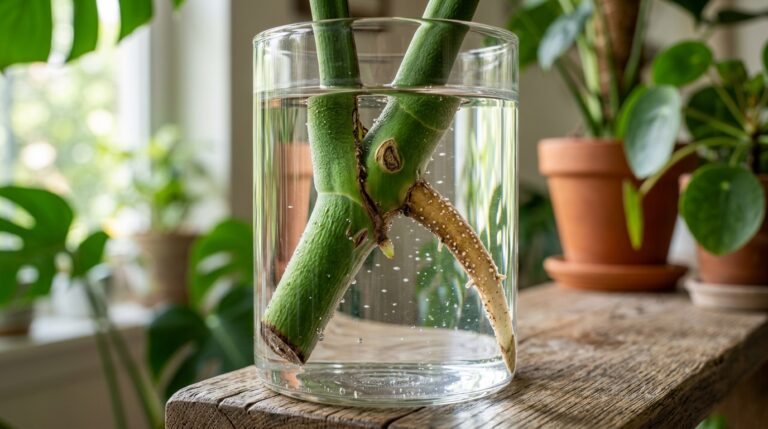
To propagate Pothos, cut a 4-6 inch stem below a node and place it in water or directly into moist soil. If using water, change it weekly until roots develop, which typically takes 1-2 weeks. Once roots are a few inches long, you can transfer the cutting to a pot for more lush growth.