
In the ever-evolving world of gardening and outdoor living, knowing your plants is essential for creating a thriving garden space. With the rise of technology, plant identification apps have become invaluable tools for both novice garden enthusiasts and seasoned horticulturists. As we step into 2026, the market is flooded with innovative applications designed to help you identify and learn about various plant species, making gardening more accessible and enjoyable than ever.
This article delves into the best plant ID apps available this year, assessing their functionalities, user-friendliness, and effectiveness. From features that allow you to simply snap a photo of a plant to in-depth databases filled with information about care, growth habits, and more, these apps promise to enhance your gardening experience. Join us as we explore each option, helping you determine which app truly works best for your gardening needs.
1. PlantSnap: Your Personal Plant Detective
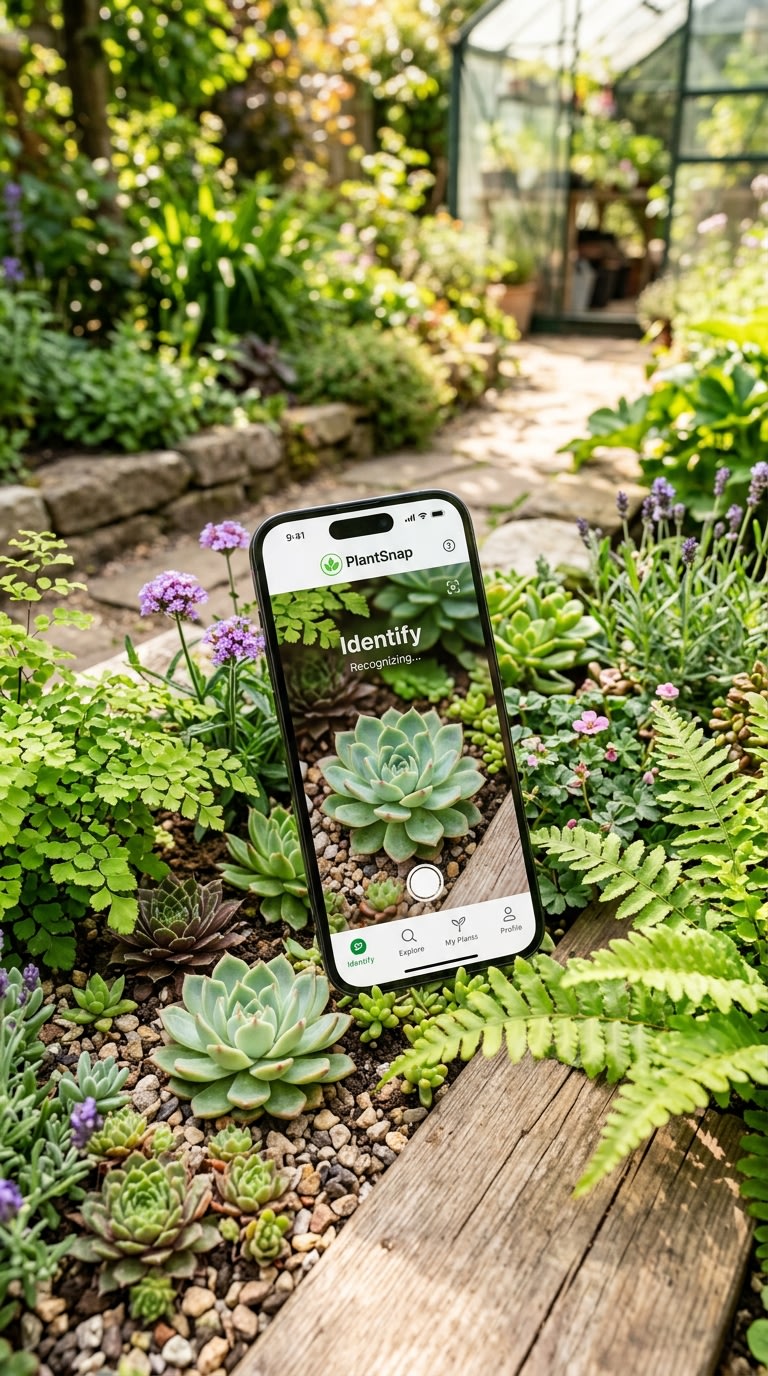
PlantSnap offers an intuitive interface that makes identifying plants as easy as taking a photo. With over 600,000 species in its database, this app is a gardener’s dream, allowing users to snap a picture of any plant and receive instant identification. The technology is powered by artificial intelligence, enhancing its accuracy and expanding its knowledge base continuously.
In addition to identification, PlantSnap provides valuable information about the plant’s care requirements, ideal growing conditions, and even gardening tips. This feature is particularly useful for beginners who may be unsure about their plant’s needs. The app also includes a community feature, where users can connect with fellow plant enthusiasts, share their gardening experiences, and ask for advice.
For those looking to expand their gardening knowledge, PlantSnap is a must-have tool. Its user-friendly design and extensive plant database ensure that both novice and experienced gardeners will find it helpful. Embrace the ease of plant identification and care with PlantSnap.
2. PlantNet: Community-Powered Identification
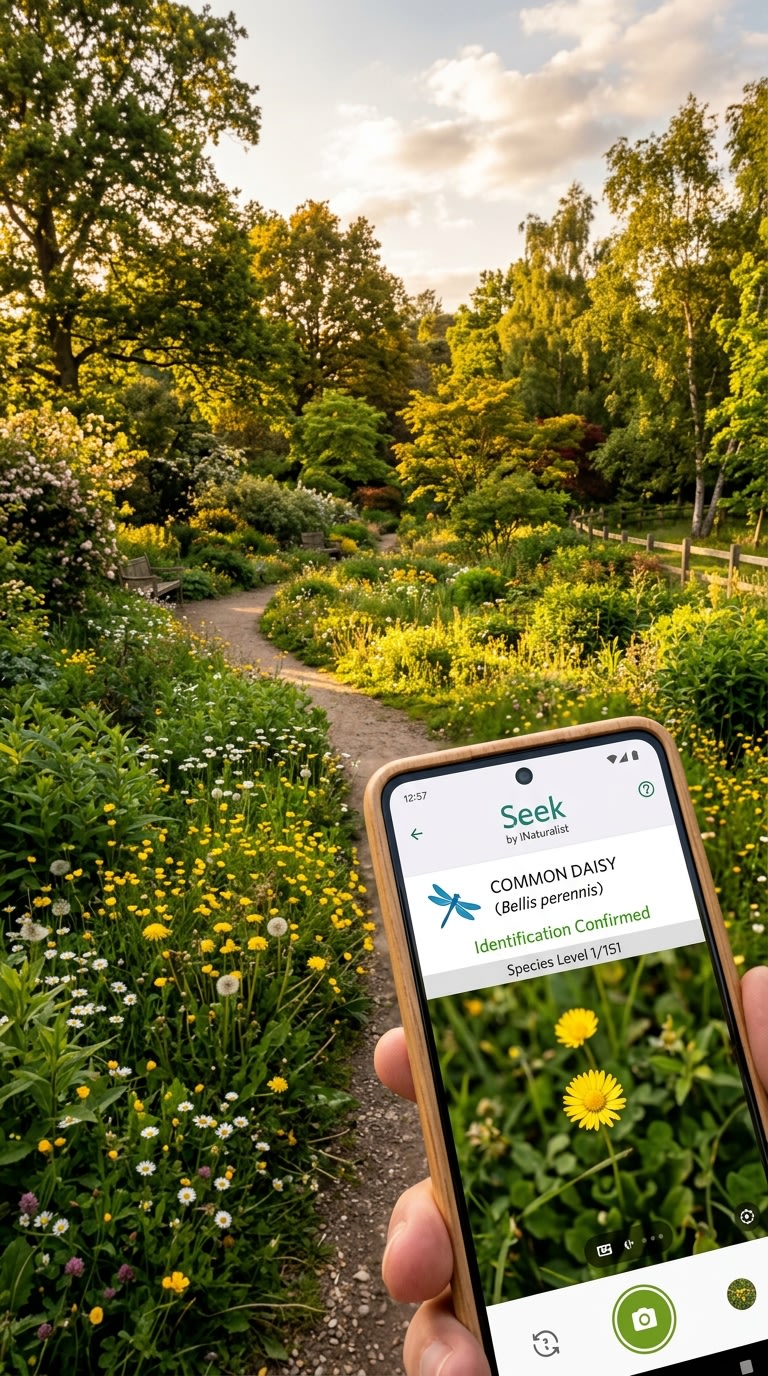
PlantNet is a unique app that combines technology with community input to help identify plants effectively. Users can upload photos of plants to the app, which are then compared against a global database of plant images. The app’s strength lies in its community-driven approach, where users can contribute their findings, enriching the database over time.
This app is particularly useful for those interested in local flora, as it allows you to discover plants native to your region. PlantNet also offers a feature to explore plants by geographical area, which can be an exciting way to learn about local biodiversity. Moreover, the app provides detailed descriptions and care guidelines for many plants, making it an excellent educational resource.
Whether you’re hiking in the woods or wandering through your local park, PlantNet empowers you to learn more about the plants you encounter. Its community aspect adds a social element to gardening, making it a wonderful choice for anyone looking to deepen their botanical knowledge.
3. Seek by iNaturalist: Explore Nature

Seek by iNaturalist stands out by not only identifying plants but also encouraging users to explore their local environment. By using the app, users can submit photos of plants and animals while earning badges for various achievements, making it a fun and interactive experience. The app focuses on promoting biodiversity and environmental awareness, making it perfect for families and educational purposes.
The identification process is straightforward: simply take a picture of a plant, and Seek will provide suggestions based on its extensive database. Users can also explore nearby species, which adds an educational layer to outdoor excursions. Seek’s user-friendly interface and gamification elements make it appealing, especially for younger audiences learning about nature.
Incorporating Seek into your outdoor adventures not only enhances your plant identification skills but also fosters a deeper connection with nature. This makes it an excellent choice for families looking to engage in educational outdoor activities together.
4. Flora Incognita: Advanced Plant Recognition

Flora Incognita is an advanced plant identification app that uses cutting-edge machine learning technology to provide precise identifications. Designed for enthusiasts and researchers alike, this app offers in-depth analysis and detailed descriptions of plants from various ecosystems. Its sophisticated algorithms ensure high accuracy, making it a reliable choice for serious gardeners and botanists.
The app’s database includes thousands of species, and it covers not only common plants but also rare and endangered varieties. Flora Incognita goes a step further by providing insights into plant ecology, habitat preferences, and conservation status, enriching the user’s understanding of plant biology. This makes it an excellent resource for anyone interested in plant conservation or ecology.
For those who are passionate about plants and their environments, Flora Incognita serves as a powerful tool, allowing users to delve deeper into the world of botany. Its advanced features cater to a more knowledgeable audience, making it a key app for the serious plant lover.
5. Gardenia: Your Personal Gardening Assistant

Gardenia is not just a plant identification app; it’s a comprehensive gardening assistant that helps users plan, manage, and grow their gardens. With features that include personalized gardening advice, seasonal reminders, and a plant database, Gardenia is perfect for those who want to take their gardening to the next level. The app allows users to track their plants’ progress and set care reminders, ensuring that nothing is overlooked.
The plant identification feature is robust, providing detailed insights into each plant’s needs, ideal conditions, and care tips. This is especially beneficial for new gardeners who may feel overwhelmed by the vast amount of information available. Additionally, the app’s design is user-friendly, making it easy to navigate and find the information you need.
For anyone serious about gardening, Gardenia combines identification with practical gardening management features, making it an invaluable tool. Whether you’re planting a new flower bed or caring for established plants, Gardenia is your go-to resource.
6. PictureThis: Instant Plant Recognition

PictureThis is designed for those who appreciate instant gratification when it comes to plant identification. Simply take a photo, and the app uses advanced AI to deliver results in seconds. With its extensive database of over 10,000 species, PictureThis is one of the most comprehensive plant ID apps available today.
Beyond identification, PictureThis offers a wealth of information about each plant, including care instructions and pest management tips. This makes it especially useful for gardeners looking to troubleshoot issues or optimize their plant’s health. The app also features a community forum where users can share experiences and ask questions, fostering a sense of community among plant lovers.
For anyone looking for quick plant identification and reliable gardening advice, PictureThis is an excellent choice. Its combination of speed and depth of information makes it a versatile tool for both new and experienced gardeners.
7. Leafsnap: A Visual Approach to Identification
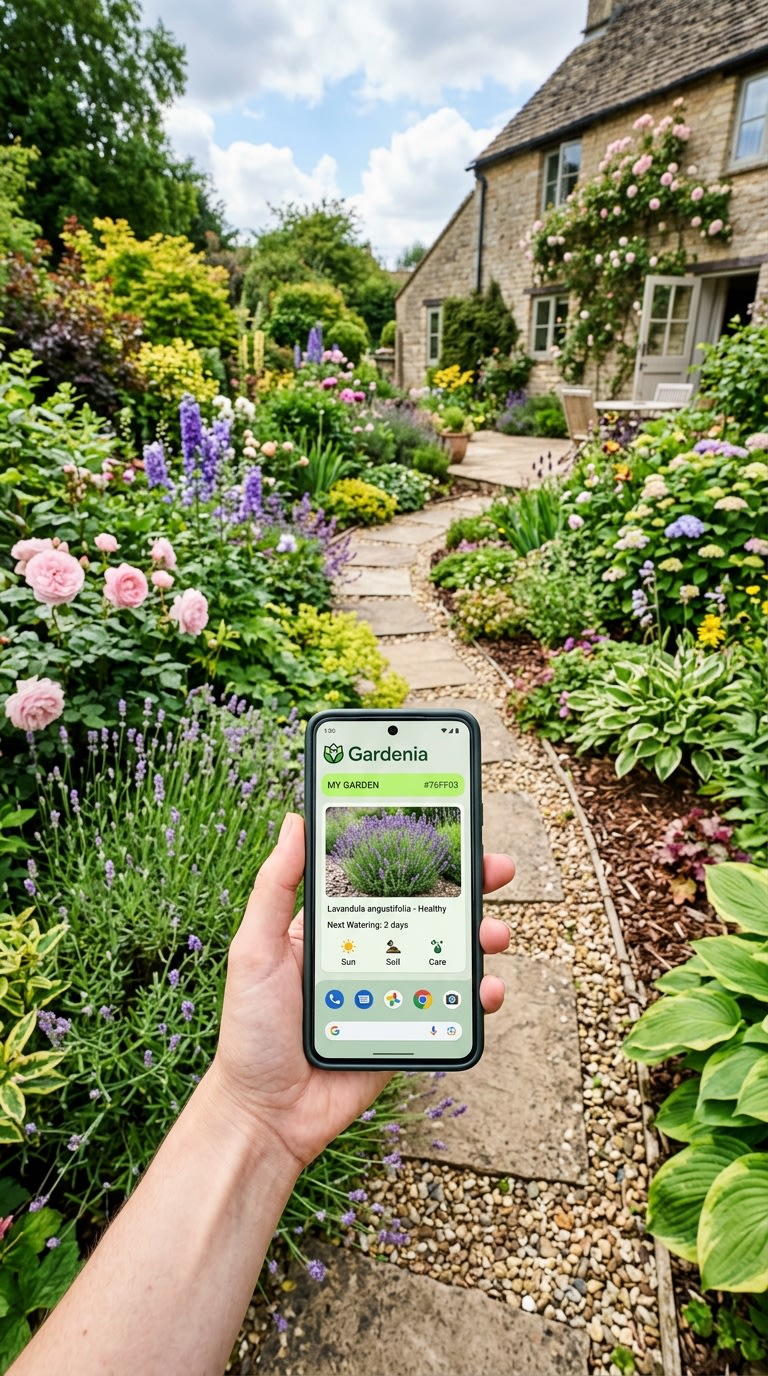
Leafsnap takes a visual approach to plant identification, making it a unique option for gardeners and nature enthusiasts. This app allows users to identify plants by uploading pictures of their leaves, which is particularly useful for those interested in trees and shrubs. The app’s database is rich with images and information, focusing on the leaves’ distinct characteristics.
One of the standout features of Leafsnap is its educational content, which includes detailed information about the plant’s habitat, growth patterns, and uses. This makes it an excellent resource for anyone looking to expand their knowledge of plant biology. The app also encourages users to explore their surroundings, promoting outdoor learning and engagement with nature.
For those who prefer a more visual identification method, Leafsnap is a fantastic choice. Its focus on leaf characteristics makes it a valuable tool for identifying a wide range of plants, particularly in wooded areas or parks.
8. Google Lens: Beyond Just Plants

Google Lens is an incredibly versatile app that goes beyond just plant identification, offering a wide range of functionalities. Users can take pictures of plants, and the app uses image recognition technology to provide identification and care tips. What sets Google Lens apart is its ability to recognize a myriad of other objects, making it a multifunctional tool for everyday use.
The plant identification feature is efficient and accurate, making it an excellent choice for users who want an all-in-one solution. Beyond plants, Google Lens can identify landmarks, translate text, and even scan barcodes, making it useful for various everyday tasks. This versatility makes it appealing to those who appreciate a multi-purpose application.
For those who want a reliable plant identification app that also serves other functions, Google Lens is a strong contender. Its comprehensive capabilities ensure that users get the most out of their app experience, whether they’re gardening or navigating daily life.
9. Botanica: The Plant Encyclopedia App

Botanica is an app that serves as a comprehensive plant encyclopedia, offering detailed information about thousands of plant species. Users can explore various categories such as flowers, trees, and shrubs, making it easy to find specific plants of interest. The app’s extensive database is perfect for those who want to delve deeper into plant characteristics, including growth conditions, propagation methods, and pest management.
In addition to identification, Botanica provides care tips and seasonal advice, helping gardeners understand when to plant or prune. The app also includes high-quality images of each plant, ensuring users have a clear visual reference. This feature is especially beneficial for those new to gardening, as it makes plant care more accessible.
For anyone serious about expanding their gardening repertoire, Botanica is an invaluable resource. Its wealth of information and user-friendly design makes it suitable for both beginners and experienced gardeners alike.
Frequently Asked Questions
What is a plant ID app?
A plant ID app is a mobile application designed to help users identify plants by using images or photographs. These apps utilize advanced technologies, such as artificial intelligence and machine learning, to analyze photographs of plants and provide accurate identifications. Users can simply take a picture of a leaf, flower, or the entire plant, and the app will suggest possible matches from its extensive database.
In addition to identification, many plant ID apps offer valuable information about care requirements, growth habits, and environmental needs. This makes them incredibly useful for both novice gardeners and experienced horticulturists looking to expand their knowledge. Overall, plant ID apps serve as an indispensable tool for anyone interested in gardening or botany.
Are plant ID apps accurate?
The accuracy of plant ID apps can vary based on the technology they use and the size of their databases. Most leading apps, such as PlantSnap and PictureThis, employ advanced AI algorithms that continuously learn from user input, improving their accuracy over time. However, it’s essential to remember that no app is foolproof; environmental factors, variations in plant species, and similar-looking plants can sometimes lead to misidentification.
For best results, users are encouraged to take clear, high-quality photographs of the plants they wish to identify. Additionally, using multiple apps to cross-reference identifications can help increase accuracy. Ultimately, while these apps can be incredibly helpful, they are best used as a guide rather than a definitive source.
Do I need an internet connection to use plant ID apps?
Most plant ID apps require an internet connection for the initial setup and to access their extensive databases. However, some applications, like Gardenia, offer offline functionalities, allowing users to view previously identified plants and care tips without the need for internet access. This feature can be particularly useful for gardeners who spend time in remote areas or rural locations where connectivity may be limited.
It’s advisable to check the specific app’s features regarding offline capabilities. Overall, while an internet connection enhances the functionality of plant ID apps, many offer useful features that can be accessed without it.
Can plant ID apps help with plant care?
Yes, many plant ID apps provide additional resources beyond identification, including care tips, pest management advice, and seasonal reminders. For example, apps like Gardenia and PictureThis not only help users identify plants but also guide them on how to care for them effectively. Users can learn about watering schedules, ideal sunlight exposure, and common pests to watch for.
By offering comprehensive information, these apps support gardeners in maintaining healthy plants and thriving gardens. This dual functionality makes plant ID apps a valuable resource for both new and experienced gardeners alike.
Which plant ID app is the best for beginners?
For beginners, apps like PlantSnap and Gardenia are excellent choices due to their user-friendly interfaces and comprehensive resources. PlantSnap is particularly intuitive, allowing users to identify plants with just a photo, while Gardenia offers personalized gardening advice and care reminders. Both apps provide extensive databases, making it easy for new gardeners to learn about various plant species.
Additionally, these apps include valuable features that simplify the gardening process, such as care instructions and community forums for sharing tips and experiences. By starting with these apps, beginners can build their confidence and knowledge in gardening.
In conclusion, the world of plant identification apps has expanded significantly in 2026, offering various options for both novice and experienced gardeners. Each app presents unique features and benefits, catering to different gardening needs and preferences. Whether you’re looking for quick identification, in-depth care guides, or community interaction, there’s an app that can enhance your gardening experience.
As you explore these tools, remember that gardening is a journey of learning and discovery. Embrace the technology available to you, and let these apps guide you in nurturing a beautiful garden. Download one of these recommended plant ID apps today and take your gardening skills to the next level!