
As wildfires become an increasing threat, many homeowners are left wondering how best to protect their prized gardens and homes. You may love your vibrant flower beds and lush shrubs, but it’s crucial to consider how these plants can impact your property’s safety. Fortunately, with a few smart plant choices and landscaping techniques, you can create a beautiful yet fire-safe garden that enhances your outdoor space while providing peace of mind.
Imagine transforming your landscape into a haven that not only showcases your unique style but also acts as a protective barrier against fire. This guide will walk you through the steps to make informed decisions about your plant selections and landscaping design. By integrating fire-resistant plants and strategic landscaping, you can enjoy the beauty of your garden while safeguarding your home from potential fire hazards.
Table of Contents
- What is Fire-Safe Landscaping?
- How Fire-Safe Landscaping Works
- Benefits of Fire-Safe Landscaping
- Choosing Fire-Resistant Plants
- Steps to Create a Fire-Safe Garden
- Advanced Tips for Fire-Safe Landscaping
- Tools and Resources for Your Garden
- Frequently Asked Questions
What Is It?
Fire-safe landscaping refers to the strategic planning and planting of gardens to minimize the risk of fire spreading to your home. It involves selecting fire-resistant plants, arranging them thoughtfully, and employing landscaping techniques that create defensible spaces around your property. This method is especially important in areas prone to wildfires, where a well-designed landscape can act as a vital barrier between your home and approaching flames.
Essentially, fire-safe landscaping is about making conscious choices that protect your home while still allowing you to express your gardening creativity. By understanding which plants are less likely to ignite and how to set them up, you can enjoy a stunning garden that also prioritizes safety. This approach not only enhances your outdoor aesthetics but also gives you confidence in your garden’s resilience against fire.
How It Works
The mechanics of fire-safe landscaping revolve around understanding how fire interacts with various plants and materials in your garden. Fire-resistant plants typically have high moisture content, are less flammable, and possess open growth habits that allow for airflow. These plants can withstand heat and resist ignition, creating a buffer that reduces fire risk. Additionally, the strategic placement of these plants can create defensible zones, which are critical in slowing or stopping the spread of fire.
Furthermore, utilizing hardscape materials such as gravel, stone, and concrete in your landscape design can help prevent the spread of fire. When combined with fire-resistant plants, these materials can create barriers that limit fire’s access to your home, enhancing overall safety. Understanding these principles will empower you to make informed choices for a fire-safe garden.
Key Benefits
- Enhanced Safety — Implementing fire-safe landscaping significantly reduces the risk of fire damage to your home. By choosing fire-resistant plants and materials, you create a protective barrier that can slow down or even stop the spread of flames, safeguarding your property and loved ones.
- Increased Home Value — A well-planned, fire-safe landscape not only looks beautiful but can also increase your home’s value. Buyers are often attracted to properties that demonstrate a commitment to safety and environmental responsibility, making your home more appealing on the market.
- Lower Insurance Premiums — Many insurance companies offer reduced premiums for homes that are equipped with fire-safe landscaping features. Investing in fire-resistant plants and design elements can lead to long-term savings on your homeowner’s insurance.
- Aesthetic Appeal — Fire-safe landscaping doesn’t mean sacrificing beauty. With the right selection of plants and design, you can create a stunning outdoor space that reflects your style while also enhancing safety.
- Environmental Benefits — Opting for native and drought-resistant plants as part of your fire-safe landscaping not only helps protect your home but also supports local wildlife and conserves water. This sustainable approach benefits the environment while ensuring your garden remains vibrant.
Step-by-Step Guide
Step 1: Assess Your Landscape
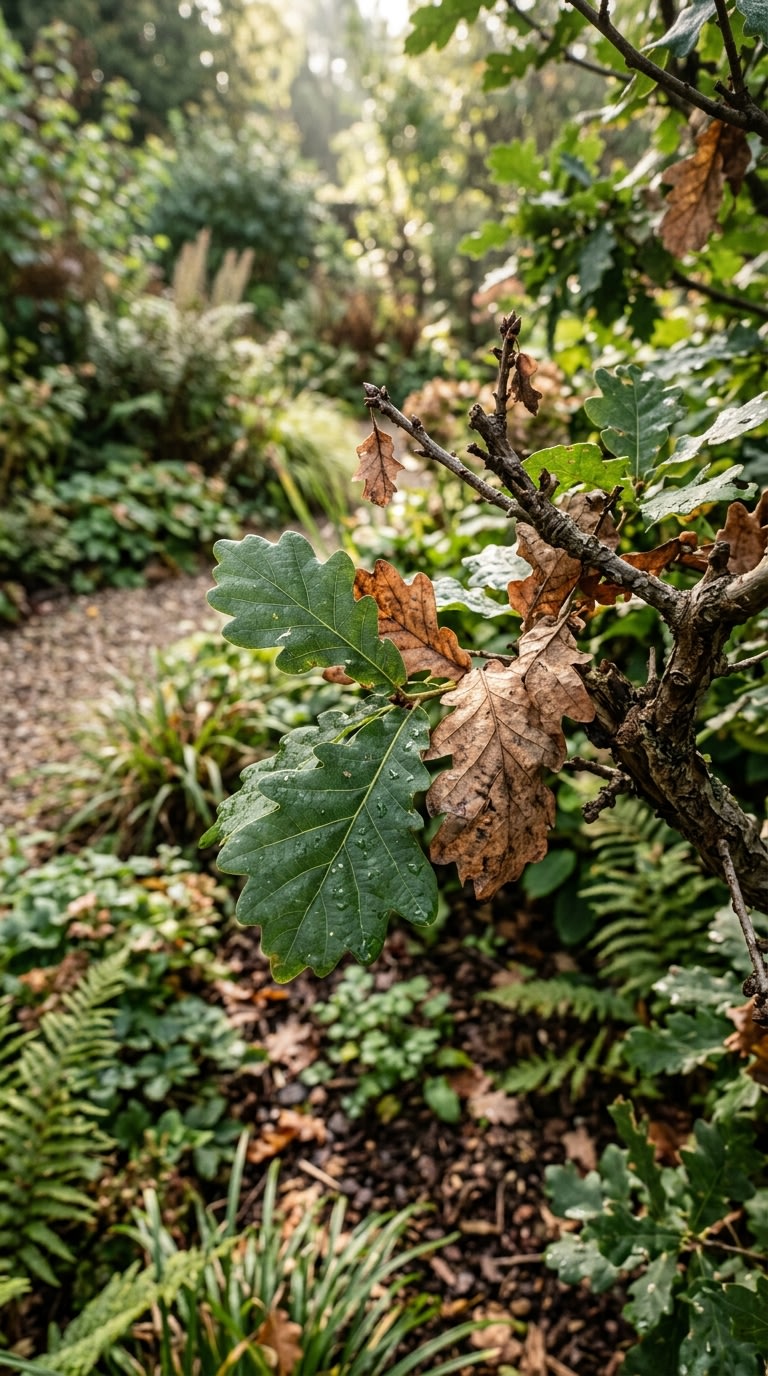
Start by evaluating your current landscape to identify areas of concern and opportunities for improvement. Walk around your property and take note of any vegetation or structures that may pose a fire risk. Look for dense shrubbery, dried-out plants, or areas where debris accumulates, as these can ignite easily. Understanding your landscape’s layout will help you make informed decisions about where to implement fire-safe practices and select appropriate plants.
Consider the proximity of your garden to your home and any nearby structures. This assessment will serve as a foundation for developing a fire-safe landscaping plan tailored to your property’s unique features.
Example: If you notice a patch of overgrown shrubs close to your house, this could be a high-risk area that needs attention.
Pro Tips:
- Take photographs of your landscape to track changes over time.
- Consider consulting a local expert on fire-safe landscaping.
- Evaluate your landscape at different times of the year to see seasonal risks.
Step 2: Choose Fire-Resistant Plants

Selecting the right plants is crucial for creating a fire-safe landscape. Look for native species known for their fire-resistant properties, such as succulents, ornamental grasses, and certain herbs like rosemary and lavender. These plants not only thrive in local conditions but also have characteristics that make them less likely to ignite. When planning your garden, consider grouping these fire-resistant plants together and spacing them adequately to prevent fire from jumping between them.
Additionally, avoid high-oil or resinous plants that are more flammable. Instead, focus on plants with high moisture content and open growth habits. By carefully choosing your plantings, you can create a beautiful garden that also acts as a protective barrier against fire.
Example: Consider planting lavender, which is both aesthetically pleasing and fire-resistant.
Pro Tips:
- Research local fire-resistant plant lists available from extension services.
- Visit local nurseries to find plants that are native and fire-safe.
- Incorporate a variety of textures and colors for a dynamic look.
Step 3: Create Defensible Space

A defensible space is a critical component of fire-safe landscaping, acting as a buffer between your home and potential wildfire threats. This space should consist of well-maintained and strategically placed plantings. Start by clearing away any dead vegetation, debris, and highly flammable materials from around your home, extending at least 30 feet outward. This area should be kept tidy and free from clutter to minimize fire risk.
Next, create zones in your landscape: the immediate zone (0-5 feet) should include non-combustible materials like gravel or concrete, the intermediate zone (5-30 feet) can feature fire-resistant plants, and the extended zone (30-100 feet) can be more natural with native plants. The key is to create a gradient of defensibility that protects your home while allowing you to enjoy your landscape.
Example: Establish a gravel walkway leading to your front door to form the immediate zone.
Pro Tips:
- Regularly maintain your defensible space by pruning and clearing debris.
- Use hardscape features like patios and walkways to create barriers.
- Consult local fire safety guidelines for specific recommendations.
Step 4: Incorporate Hardscaping

Hardscaping is an essential element of fire-safe landscaping that can significantly reduce fire risk. Incorporate materials like gravel, stone, and concrete that do not ignite and can help create barriers against flames. These materials can be used for pathways, patios, or retaining walls, providing both aesthetic appeal and practical fire safety. When designing your hardscape, aim for a mix of functional areas and visual interest, ensuring a well-integrated garden.
Additionally, consider using fire-safe features like non-combustible fences or walls to further protect your home. Hardscape elements not only enhance the beauty of your landscape but also serve as a defense against wildfire threats, making your garden a safer place to enjoy.
Example: Create a stone pathway leading through your garden to offer both beauty and fire protection.
Pro Tips:
- Use permeable materials for hardscaping to allow water drainage.
- Incorporate seating areas with fire-resistant benches or tables.
- Mix textures with natural stones and concrete for visual interest.
Step 5: Mulch Wisely

Mulching is a critical practice in fire-safe landscaping, but not all mulches are created equal. Choose non-flammable mulching materials such as decomposed granite, gravel, or rubber mulch instead of traditional wood chips or straw. These materials not only help retain moisture in the soil but also reduce the risk of fire by minimizing the chance of ignition. When applying mulch, ensure it’s kept at least a few inches away from plant bases to prevent heat from the plants causing the mulch to ignite.
Additionally, regularly inspect and replenish your mulch as needed to maintain effectiveness. A well-chosen mulch can enhance the beauty of your garden while providing essential fire protection.
Example: Use decomposed granite around your fire-resistant plants for both aesthetics and safety.
Pro Tips:
- Avoid using shredded bark or wood chips as mulch in fire-prone areas.
- Layer mulch to create a more appealing texture in your garden beds.
- Regularly check for debris accumulation that could pose a fire risk.
Step 6: Create Windbreaks

Windbreaks are essential for fire-safe landscaping as they can slow down wind and create a barrier against the spread of flames. Plant trees or shrubs strategically to serve as windbreaks, ensuring they are spaced appropriately to avoid creating a tunnel effect that could funnel flames. Choose dense and low-growing plants for this purpose, as they can effectively reduce wind speed and protect your home from fire hazards.
In addition to serving as a fire barrier, well-placed windbreaks can create a comfortable microclimate in your garden, making it a more pleasant space to enjoy. The right combination of plants can provide shade, reduce soil erosion, and enhance the overall aesthetic of your landscape.
Example: Plant a row of dense shrubs along the perimeter of your property to act as a windbreak.
Pro Tips:
- Choose native species that thrive in your local climate for best results.
- Space plants adequately to avoid creating a flammable tunnel.
- Consider the height of windbreaks to ensure they’re effective against prevailing winds.
Step 7: Regular Maintenance
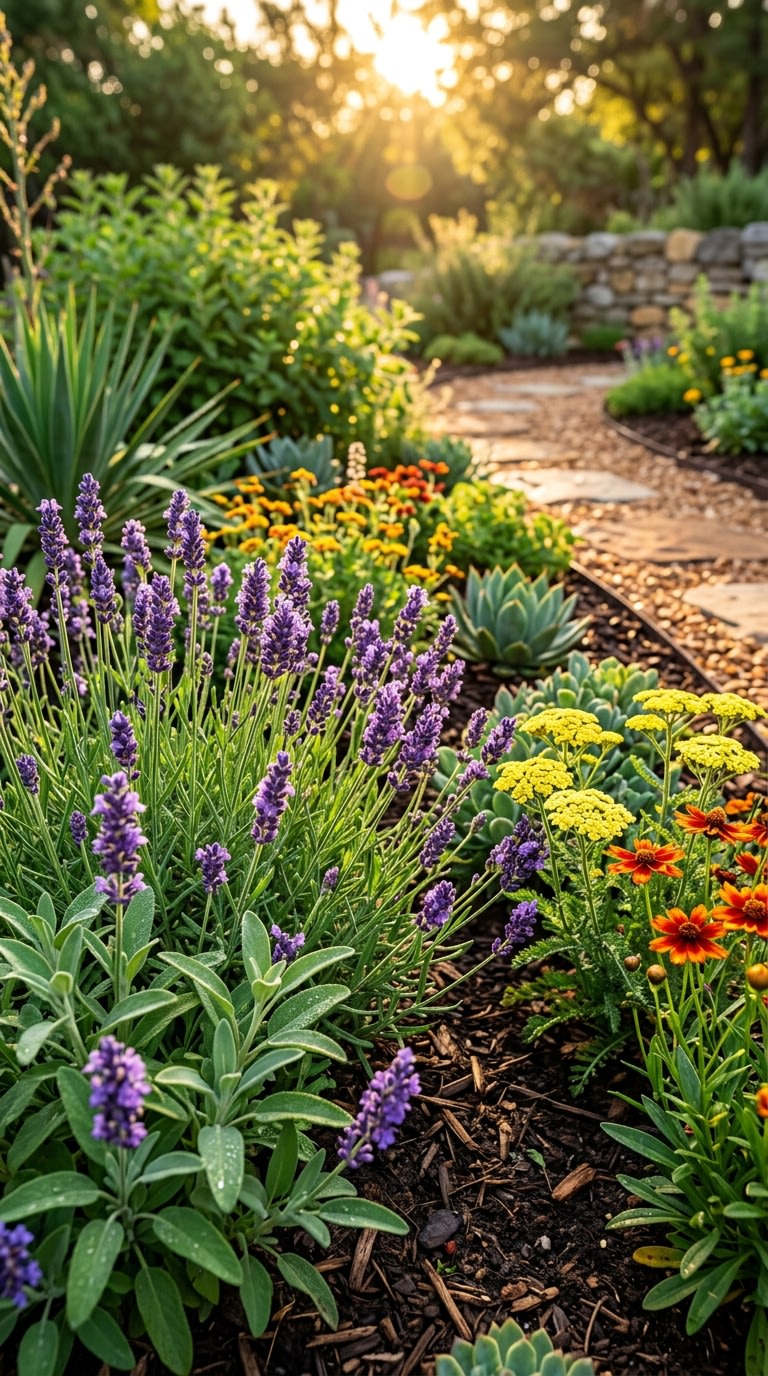
Maintaining your fire-safe landscape is essential to ensure its effectiveness over time. Regularly inspect your garden for any dead or dying plants that could pose a fire hazard and remove them promptly. Schedule seasonal clean-ups to clear away leaves, debris, and any flammable materials that may have accumulated in your garden. This practice not only minimizes fire risk but also promotes the health of your plants.
Additionally, keep your fire-resistant plants well-watered, especially during dry seasons. A vibrant garden is less likely to become a fire risk, and regular maintenance helps you enjoy the beauty of your landscape while keeping your home safe. By committing to ongoing care, you’re investing in both the aesthetic appeal and safety of your property.
Example: Set a seasonal calendar reminder for garden clean-ups and maintenance tasks.
Pro Tips:
- Involve family members or friends in regular maintenance for a fun gardening day.
- Keep tools handy for quick clean-up tasks after storms.
- Document changes in your garden to track its health over time.
Step 8: Educate Yourself and Others

Knowledge is your best tool in fire-safe landscaping. Stay informed about the latest practices, plant choices, and fire safety guidelines. Attend local workshops or community events that focus on fire-smart landscaping to connect with experts and fellow enthusiasts. Sharing your knowledge with friends and neighbors can help create a more fire-conscious community, benefiting everyone in the area.
Consider collaborating with local gardening clubs or fire safety organizations to promote awareness and implement fire-safe practices in your neighborhood. By educating yourself and others, you can not only enhance your own landscape’s safety but also contribute to a larger movement of fire prevention and community resilience.
Example: Join a local gardening club focused on fire-safe practices for ongoing education.
Pro Tips:
- Follow local fire authorities on social media for updates on fire safety.
- Create a neighborhood gardening group to share tips and resources.
- Stay updated on local plant recommendations from fire safety organizations.
Advanced Tips
Consider Firebreaks
In areas with high fire risk, you may want to create intentional firebreaks—areas devoid of vegetation that can act as barriers to fire spread. These can be created with gravel, rocks, or cleared earth. Firebreaks can significantly enhance the overall fire safety of your property, especially when combined with properly placed fire-resistant plants.
Integrate Water Features
Incorporating water features such as ponds or fountains can be a beautiful and effective way to enhance fire safety. Water not only adds visual interest and a soothing ambiance but can also be used as a fire suppression resource. Just be sure to consider the maintenance required to keep these features healthy and appealing.
Utilize Smart Irrigation
Implementing a smart irrigation system can help keep your fire-resistant plants well-hydrated, which is key to their survival and fire resistance. These systems can adjust watering schedules based on weather conditions, ensuring your garden remains lush and moist without wasting water.
Evaluate Your Roof and Siding
Fire-safe landscaping is only one aspect of home safety. Ensure your roofing materials and siding are non-combustible or fire-resistant to maximize your home’s defenses. Metal or tile roofs combined with fire-resistant siding can greatly increase your home’s overall fire safety.
Tools & Resources
- Fire-Resistant Plant Guides — These guides help homeowners identify which plants are suitable for fire-safe landscaping. They provide valuable insights into plant characteristics, care, and suitability for specific regions. — Available at: Local extension services, gardening centers, or online retailers.
- Garden Design Software — Using design software can help you visualize your fire-safe landscape before planting. This tool allows you to experiment with plant placements and hardscaping elements to create a cohesive design. — Available at: Online platforms like SketchUp or Garden Planner.
- Mulching Materials — Selecting the right mulch is essential for fire-safe landscaping. Look for non-combustible mulches like gravel or rubber mulch to protect your plants and improve aesthetics. — Available at: Home improvement stores like Home Depot or Lowe’s.
- Watering Systems — Automated watering systems like drip irrigation can help keep your fire-resistant plants hydrated efficiently. These systems can significantly reduce water usage while maintaining plant health. — Available at: Garden centers or online retailers like Amazon.
- Local Fire Safety Workshops — Participating in workshops organized by local fire departments or gardening clubs can provide hands-on learning about fire-safe landscaping practices tailored to your area. — Available at: Check local community centers or fire department websites.
Frequently Asked Questions
What are fire-resistant plants?
Fire-resistant plants are those that have characteristics making them less likely to ignite during a fire. These plants typically have high moisture content, are less resinous, and possess open growth habits, allowing for airflow. Examples include succulents, ornamental grasses, and certain herbs. When incorporated into your garden, these plants can help create a protective barrier, enhancing the safety of your home.
How can I create defensible space around my home?
To create defensible space, start by clearing away any dead vegetation, debris, and highly flammable materials from around your home, extending at least 30 feet outward. Within this area, use non-combustible materials for landscaping and plant fire-resistant plants. Consider creating zones: the immediate zone (0-5 feet) should be kept clear and can include hardscaping elements, while the intermediate zone (5-30 feet) can feature fire-resistant plants.
Are mulching materials important for fire safety?
Yes, mulching materials play a significant role in fire safety. It’s crucial to choose non-flammable mulches such as gravel, decomposed granite, or rubber mulch instead of traditional wood chips or straw. Non-combustible mulches help retain soil moisture and reduce the risk of fire by minimizing the potential for ignition. Properly managing mulch around your plants can enhance both safety and aesthetics.
Can fire-safe landscaping save me money on insurance?
Absolutely! Many insurance companies offer discounts on homeowner’s insurance premiums for properties that implement fire-safe landscaping practices. By investing in fire-resistant plants and materials, you not only increase the protection of your home but can also enjoy potential savings on insurance costs. It’s a smart financial choice along with enhancing your property’s safety.
What should I do if I live in a high fire-risk area?
If you live in a high fire-risk area, it’s essential to take proactive measures in your landscaping. Focus on creating defensible spaces, selecting fire-resistant plants, and incorporating hardscape elements to reduce fire risk. Regular maintenance and staying informed about fire safety practices are also vital. Engaging with local fire safety resources and attending community workshops can provide you with valuable knowledge to protect your home effectively.
Congratulations on taking the first step toward creating a fire-safe landscape that not only protects your home but also enhances its beauty. By implementing the strategies outlined in this guide, you’re contributing to a more resilient environment for yourself and your community. Remember, the choices you make in your garden today can lead to a safer tomorrow.
Now is the time to roll up your sleeves and bring your fire-safe landscaping vision to life. Stay committed to ongoing maintenance and education, and you’ll enjoy a vibrant garden that stands strong against the elements while providing a serene retreat for you and your family.