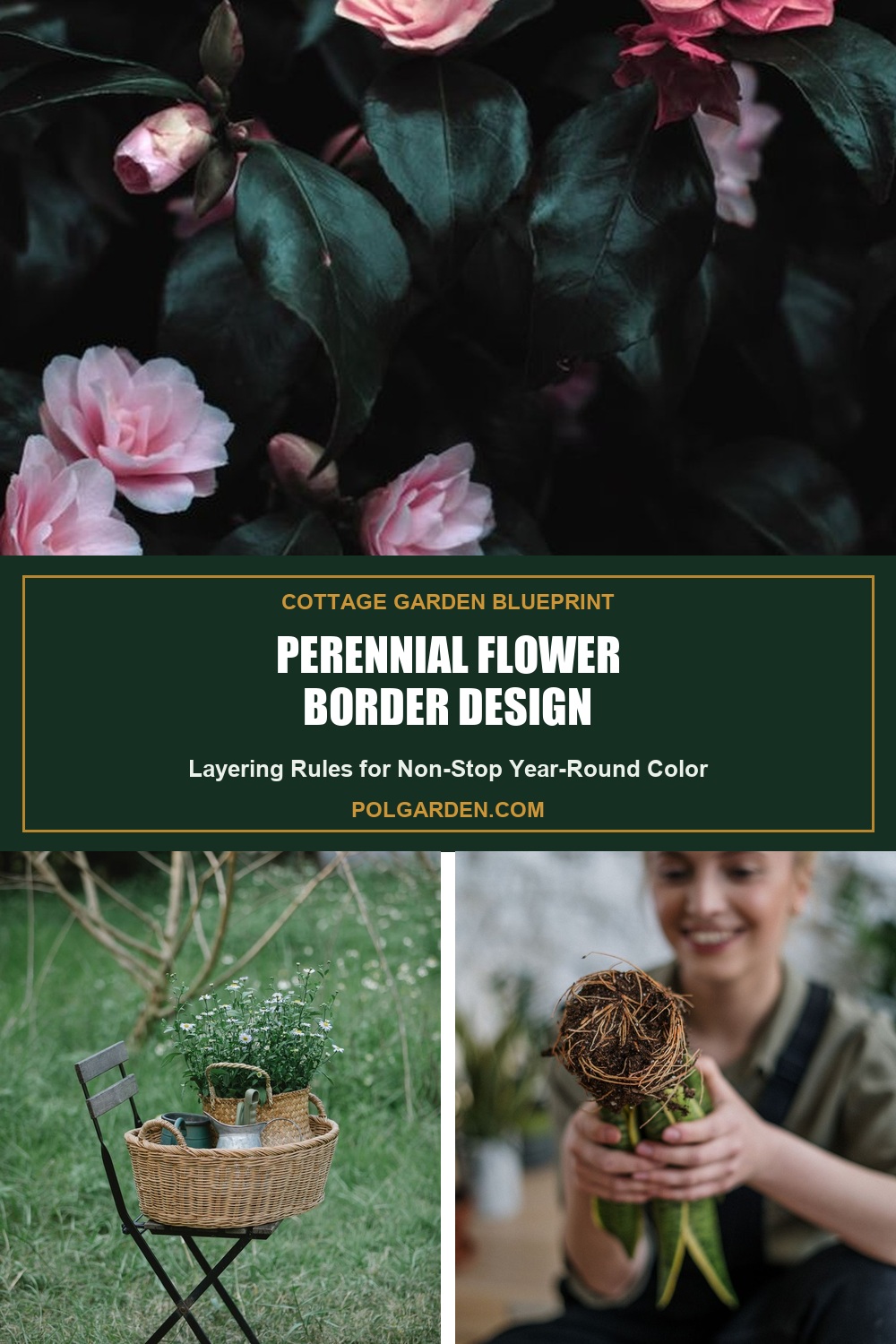
A well-orchestrated perennial flower border is the crown jewel of any residential landscape, transforming ordinary backyard fence lines into dynamic living tapestries of staggered blossoms, architectural seed heads, and pollinators. By applying professional landscape layering rules and choosing reliable four-season perennials, you can eliminate empty seasonal bare gaps and enjoy uninterrupted color from early spring through late autumn frost.
Unlike short-lived annual flower beds that require replanting every single spring, established perennial borders expand in vigor and beauty with each passing season. The secret to a seamless design lies in organizing plants into three distinct vertical tiers—low-growing groundcovers, mid-height textural workhorses, and towering architectural backdrops—while planting in rhythmic drifts rather than rigid checkerboards.
Why You’ll Love an Established Perennial Border
- One-Time Planting, Decades of Blooms: Perennial root systems survive harsh winters and return bigger and stronger each year.
- Pollinator Haven: Attracts beneficial native bees, hummingbirds, and butterflies with nectar-rich coneflowers, salvia, and bee balm.
- Weed-Smothering Canopy: Dense tier layering shades out competitive weed seeds naturally, reducing garden maintenance.
- Winter Structural Beauty: Dried ornamental grasses, echinacea cones, and sedum heads provide architectural silhouettes and wild bird food through winter snow.
The 3-Tier Vertical Border Blueprint
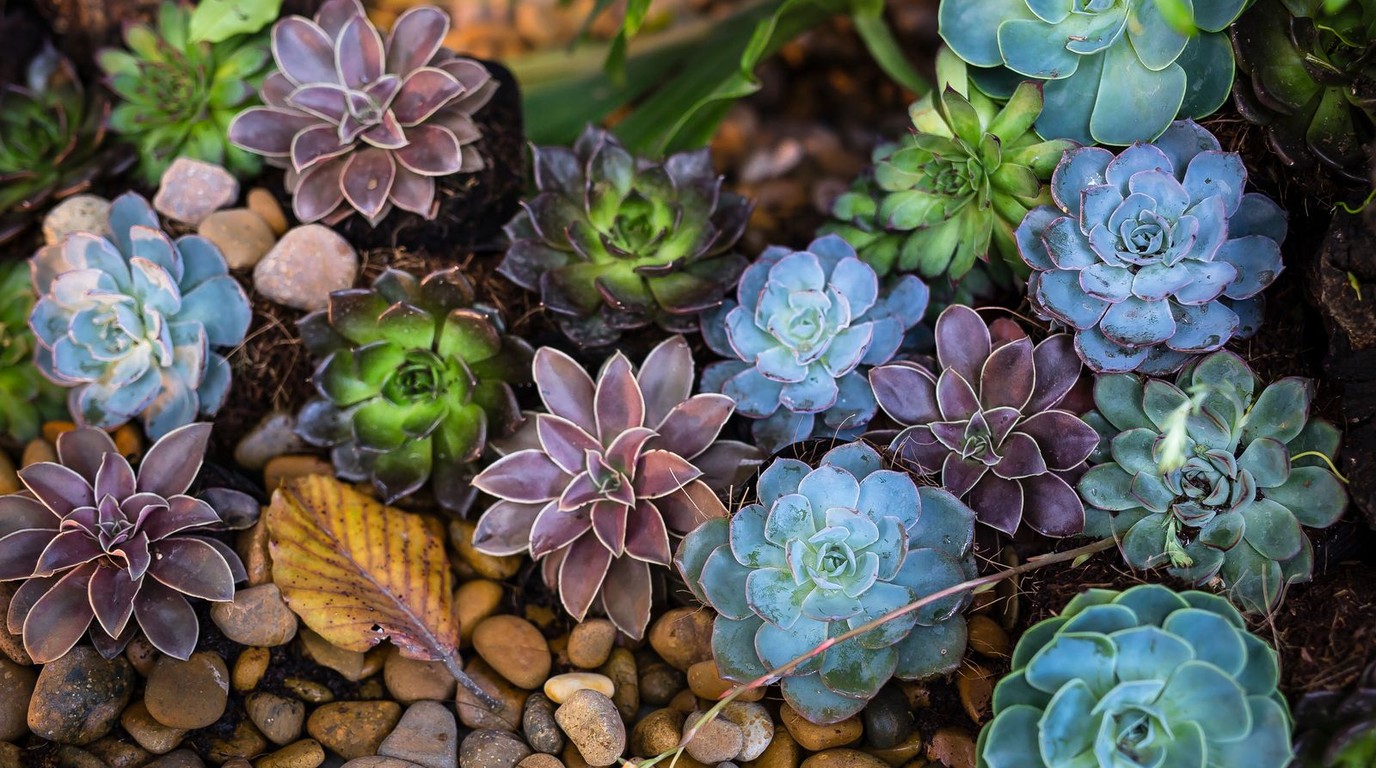
Tier 1: Front Edging & Ground Huggers (6 to 12 Inches)
Position low-growing species along walkways and bed edges to soften hard borders: Creeping Thyme, Coral Bells (Heuchera), Cranesbill Geranium (Geranium rozanne), and Candytuft (Iberis).
Tier 2: The Mid-Border Workhorses (1.5 to 3 Feet)
The visual heart of the border, providing mass color and textural contrast: Purple Coneflower (Echinacea purpurea), Black-Eyed Susan (Rudbeckia), Salvia ‘May Night’, Autumn Joy Sedum, and Lady’s Mantle (Alchemilla mollis).
Tier 3: Rear Architectural Giants (4 to 6+ Feet)
Placed against fence lines, hedges, or brick walls to anchor the display: Delphiniums, Joe Pye Weed (Eutrochium), Hollyhocks, Feather Reed Grass (‘Karl Foerster’), and Culver’s Root.
Step-by-Step Bed Preparation & Planting Rules
Step 1: Amend the Top 12 Inches with Organic Matter
Perennials remain in the same soil for years. Dig 2 to 3 inches of compost and DIY organic leaf mold into the top foot of soil to maximize drainage and moisture retention.
Step 2: Plant in Odd-Numbered Drifts (Rule of 3, 5, 7)
Never plant single isolated specimens. Plant in triangular groupings of 3 or 5 of the same variety to create bold, sweeping ribbons of color that feel natural and lush.
Step 3: Account for Mature Spread Spacing
Space new perennials based on their mature 3-year width (typically 18 to 24 inches apart). Fill temporary first-year gaps with spring bulbs or annual cosmos while roots establish.
Step 4: Interplant with Spring Bulbs
Integrate spring-flowering bulbs into Tier 1 and Tier 2 gaps using our comprehensive guide on how to plant bulbs in fall to jumpstart color months before perennials wake up.
Four-Season Color Strategy: Never Have a Dead Month
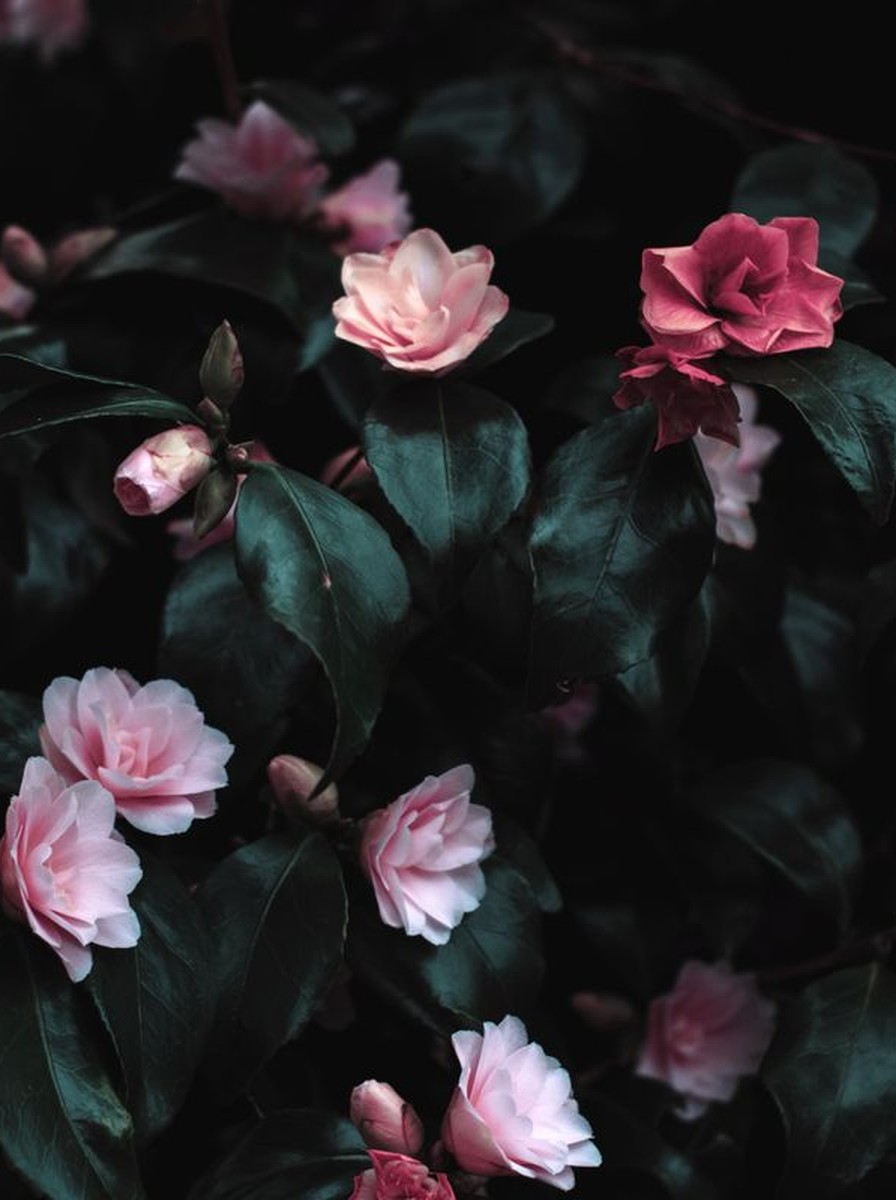
- Spring Wave (April–May): Bleeding Hearts, Peonies, Columbine, Creeping Phlox, and Alliums.
- Summer Peak (June–August): Salvia, Coneflowers, Bee Balm (Monarda), Lavender, and Daylilies.
- Autumn Crescendo (September–October): New England Asters, Autumn Joy Sedum, Japanese Anemones, and Goldenrod.
- Winter Architecture (November–February): Ornamental grasses, dried hydrangea blooms, and evergreen Heuchera crowns.
Frequently Asked Questions
How wide should a perennial border be?
For a true 3-tier layered effect, aim for a minimum depth of 4 to 6 feet. Narrow 2-foot beds only allow a single row, which looks sparse and flat.
When is the best time to plant a perennial border?
Early autumn (September to October) is ideal. Cool air temperatures reduce moisture stress while warm soil encourages vigorous root establishment before spring growth surges.
How often do perennial borders need dividing?
Most clumping perennials (like Hostas, Daylilies, and Coneflowers) benefit from division every 3 to 4 years to maintain vigor and prevent crowded center dieback.
Authoritative Horticultural References & Sources
- Royal Horticultural Society (RHS): Designing Perennial Borders: Principles of Structure, Color Wheels, and Succession.
- University of Maryland Extension: Herbaceous Perennials: Selection, Soil Preparation, and Tier Layering.
- Penn State Extension: Four-Season Garden Design Using Perennials and Native Ornamental Grasses.
Pin This Perennial Border Guide for Later
Planning your dream flower garden? Save this 3-tier perennial border design guide to your Pinterest Landscaping Board so you have the layout blueprint ready!