Rewilding your backyard is an exciting and transformative journey that invites nature back into our living spaces. By allowing native plants and wildlife to flourish, you can create a vibrant ecosystem that not only benefits the environment but also enhances your outdoor experience. This approach encourages a harmonious balance between human habitation and the natural world, reintroducing biodiversity and sustainability into our lives.
The idea of rewilding might seem daunting, but it can be as simple as letting go of the conventional aesthetic of manicured lawns and perfectly trimmed hedges. Instead of viewing your backyard as a controllable space, consider it a canvas for nature’s artistry. With a little guidance and inspiration, you can cultivate a beautiful haven that attracts pollinators, birds, and other wildlife, creating a lively backdrop for relaxation and enjoyment.
In this article, we’ll explore ten compelling ways to rewild your backyard, highlighting not just the methods but also the benefits of embracing a more natural landscape. From native plant gardens to wildlife habitats, get ready to discover how you can let nature take over and why it’s a fantastic idea for both your yard and the planet.
1. Create a Native Plant Paradise

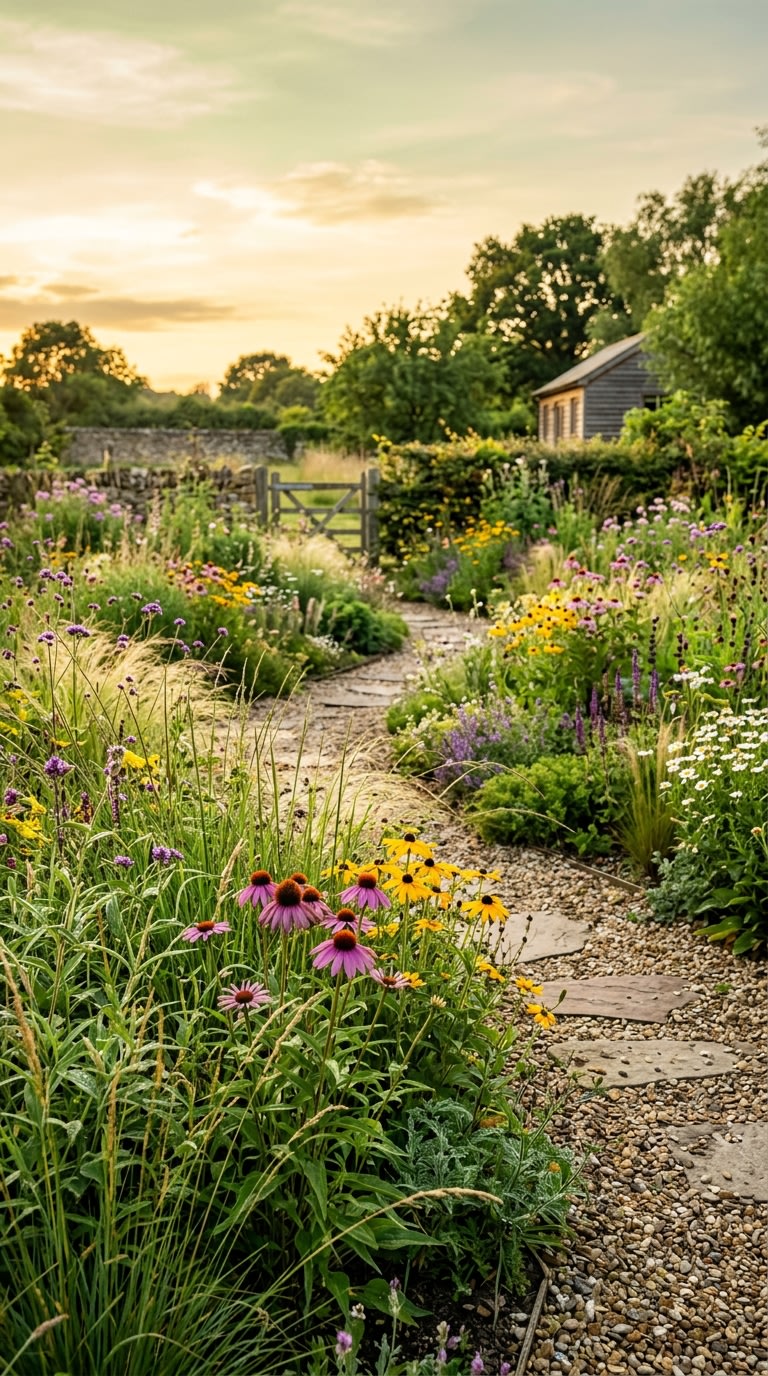
Transforming your backyard into a native plant paradise is one of the most effective ways to promote biodiversity. Native plants are adapted to your local climate and soil, making them easier to care for and more resilient than non-native varieties. By planting species that naturally thrive in your region, you’ll create a habitat that attracts local pollinators like bees and butterflies, enhancing the ecological balance.
Consider starting with a variety of flowering plants, grasses, and shrubs that bloom at different times throughout the season. This ensures that there’s always something for pollinators to feed on, which is crucial for their survival. Additionally, native plants often require less water and maintenance, allowing you to enjoy a beautiful garden without the constant upkeep.
To create a truly inviting space, group plants in clusters rather than planting them in isolation. This not only looks more natural but also mimics the way plants grow in the wild. By embracing a native plant garden, you’re taking a significant step towards rewilding your backyard and contributing positively to your local ecosystem.
2. Establish a Wildlife Habitat
Creating a wildlife habitat in your backyard is a rewarding way to engage with nature and support local ecosystems. By incorporating features such as birdhouses, bat boxes, and bee hotels, you can provide essential shelter and nesting sites for various species. These additions encourage wildlife to visit and thrive in your yard, making it a vibrant and dynamic environment.
In addition to providing shelter, consider planting a diverse array of food sources for different animals. Berry-producing shrubs, seed-bearing flowers, and nectar-rich plants can attract birds, butterflies, and beneficial insects. A water source, such as a small pond or birdbath, can also enhance your habitat, providing hydration for wildlife and creating a serene focal point in your garden.
Remember, the key to a successful wildlife habitat is diversity. By combining various plant types and providing multiple layers of habitat, you’ll create a welcoming space for a wide range of species. Every small step you take toward rewilding contributes to the health of your local ecosystem and enriches your outdoor experience.
3. Incorporate Edible Landscaping

Edible landscaping is an innovative way to blend aesthetics with functionality in your rewilded backyard. By integrating fruit trees, berry bushes, and edible perennials alongside ornamental plants, you can create a beautiful and productive garden. This approach not only provides fresh produce but also enhances the biodiversity of your outdoor space.
When selecting edible plants, consider choosing varieties that are native to your region. These plants are typically more resilient and require less maintenance. For example, consider planting serviceberries or elderberries, which provide delicious fruit and attract wildlife. Additionally, incorporating herbs like lavender and rosemary can add fragrance and culinary value to your garden.
Design your layout to include edible plants in clusters, interspersing them with ornamental flowers to create visual interest. This not only enhances the beauty of your garden but also helps to disguise the edible elements, making your landscape appear more natural. Edible landscaping is a sustainable choice that combines beauty, utility, and rewilding principles.
4. Embrace Perennial Planting

Perennial planting is a cornerstone of rewilding your backyard, allowing for a sustainable, low-maintenance garden that returns year after year. Unlike annuals, perennials establish deep root systems that improve soil health and require less water once established. By choosing a diverse mix of perennials, you can create a dynamic and colorful garden that supports local wildlife.
Consider incorporating a variety of flowering perennials that bloom at different times throughout the season. Plants like asters, daylilies, and heucheras can provide continuous color and food sources for pollinators. Additionally, many perennials are drought-resistant, making them an excellent choice for environmentally conscious gardening.
To enhance the visual impact of your garden, group perennials in clusters of odd numbers and combine them with ornamental grasses for texture. This not only creates a more natural look but also fosters a sense of movement in the garden as grasses sway in the breeze. By embracing perennial planting, you’re taking a significant step towards rewilding and creating a sustainable landscape.
5. Design a Pollinator-Friendly Space

Creating a pollinator-friendly space in your backyard is a vital step in supporting the declining populations of bees, butterflies, and other essential insects. A diverse array of flowering plants that bloom at different times can provide a continuous food source throughout the growing season. This not only benefits pollinators but also enhances the beauty of your garden.
When designing your pollinator garden, opt for native plants that are well-adapted to your local environment. Plants like milkweed, coneflowers, and asters are known to attract a variety of pollinators. Additionally, consider including specific plants that cater to different species, such as sunflowers for bees and butterfly bushes for butterflies.
Incorporate elements that provide shelter and nesting sites for pollinators, such as brush piles or undisturbed areas of native grasses. Water sources, like shallow dishes filled with pebbles and water, can also attract beneficial insects. By creating a pollinator-friendly garden, you play a crucial role in preserving biodiversity in your area while enjoying the beauty and vibrancy these creatures bring.
6. Add Natural Water Features

Incorporating natural water features into your backyard is a fantastic way to enhance the ecosystem while creating a tranquil space for relaxation. A pond, stream, or even a small water garden can attract a variety of wildlife, including frogs, birds, and beneficial insects. These water sources not only provide hydration but also serve as habitats for aquatic plants and animals.
When designing your water feature, consider using natural materials such as stones and rocks to blend it seamlessly with the landscape. A small pond with native plants like cattails and water lilies can create a stunning focal point while supporting local biodiversity. Additionally, adding a few rocks or logs around the water’s edge can provide basking spots for reptiles and amphibians.
To maintain your water feature, consider natural filtration methods using plants and maintaining a balanced ecosystem. By embracing natural water features, you’ll create a serene environment that enhances the beauty of your backyard and supports wildlife.
7. Incorporate Natural Mulching Techniques

Natural mulching techniques are an essential aspect of rewilding your backyard, promoting soil health and moisture retention while reducing the need for chemical fertilizers. By using organic materials such as wood chips, straw, or leaves as mulch, you can enrich your soil and create a habitat for beneficial organisms.
Mulching helps to suppress weeds, maintain soil temperature, and retain moisture, which is crucial for the health of your plants. As the organic materials break down over time, they release nutrients back into the soil, fostering a rich environment for plant growth. Additionally, using local materials for mulching, such as fallen leaves from your yard, can enhance the natural look of your garden.
When applying mulch, aim for a thickness of 2-4 inches around your plants, ensuring it doesn’t touch the plant stems to prevent rot. By incorporating natural mulching techniques, you contribute to a healthier ecosystem while minimizing maintenance tasks, allowing you to enjoy your rewilded backyard.
8. Create Nooks for Relaxation and Reflection

Creating cozy nooks for relaxation and reflection in your rewilded backyard can enhance your outdoor experience, providing spaces to unwind and connect with nature. These areas can be as simple as a bench nestled among plants or a small patio surrounded by vibrant flowers. The key is to design spaces that invite you to pause and enjoy the beauty around you.
Consider using natural materials like wood and stone to create seating areas that blend seamlessly with the landscape. Surround these spots with fragrant plants or colorful flowers to create a sensory experience. Incorporating features like a fire pit or a small fountain can add to the ambiance, making these areas even more inviting.
When designing your nooks, consider their placement to maximize views and minimize distractions. Position them in quiet corners or near your natural water features for a calming effect. By creating these intimate spaces, you invite moments of peace and reflection into your rewilded backyard.
Frequently Asked Questions
What does rewilding mean?
Rewilding refers to the practice of allowing natural processes and ecosystems to thrive without human intervention. In the context of a backyard, this means creating conditions that support native plants and wildlife, rather than maintaining a heavily manicured landscape. By rewilding your space, you can help restore biodiversity, improve soil health, and create a more sustainable environment.
This approach often involves planting native species, creating habitats for wildlife, and reducing the use of chemicals and fertilizers. The goal is to let nature take its course, resulting in a more resilient and self-sustaining ecosystem that benefits both local wildlife and your enjoyment of the space.
How can I attract more wildlife to my backyard?
Attracting wildlife to your backyard involves creating a welcoming environment with food, water, and shelter. Start by planting a variety of native plants that provide nectar for pollinators and fruits for birds and small mammals. Incorporating water sources, like birdbaths or small ponds, can also draw in birds and insects.
Additionally, consider adding features such as birdhouses, bat boxes, and insect hotels to provide shelter for various species. Leaving some areas of your yard natural and undisturbed can create habitats for ground-nesting birds and beneficial insects. By making your backyard more hospitable, you’ll enjoy a vibrant ecosystem full of life.
Is rewilding expensive?
Rewilding can be a cost-effective approach to gardening, depending on the methods and materials you choose. Many native plants are less expensive than exotic varieties and often require less maintenance, reducing ongoing costs. You can start small by incorporating a few native plants or creating a small wildlife habitat without significant investment.
Moreover, rewilding often involves using organic materials for mulching, composting, and creating habitats, which can be sourced locally or even from your own yard. While there may be some initial costs, the long-term benefits of a self-sustaining garden can outweigh the expenses, making it a worthwhile investment.
What are the benefits of using native plants?
Using native plants in your garden offers numerous benefits, both environmentally and aesthetically. Native plants are adapted to local conditions, making them more resilient to pests and diseases, which often means they require less maintenance and fewer chemical treatments. They also play a crucial role in supporting local wildlife, providing food and habitat for pollinators, birds, and other beneficial insects.
Additionally, native plants can improve soil health, conserve water, and reduce erosion, contributing to a healthier ecosystem. By choosing native species, you not only enhance the beauty of your garden but also contribute to the preservation of local biodiversity and the overall health of the environment.
Can I still have a manicured look while rewilding?
Absolutely! Rewilding doesn’t mean you have to abandon beauty or aesthetics in your garden. You can achieve a harmonious balance between a natural look and a structured design. Consider using native plants in a more organized layout, such as grouping them in clusters or creating defined garden beds that still allow for a natural flow.
Incorporating pathways, seating areas, and focal points can maintain a sense of order while still promoting biodiversity. By thoughtfully designing your space, you can enjoy the benefits of rewilding while also having a visually appealing garden that feels both intentional and inviting.
Rewilding your backyard is not just a trend—it’s a movement towards sustainability and ecological responsibility. By embracing the beauty of native plants and allowing nature to take its course, you create a vibrant, self-sustaining ecosystem that benefits both wildlife and your enjoyment of the outdoor space. Each step you take towards rewilding contributes to a healthier planet, and it can be a fulfilling journey for you as a gardener.
As you explore the various ways to rewild your backyard, remember that small changes can lead to significant impacts. Whether it’s planting native species, creating habitats, or simply letting go of the need for perfection, every action counts. Start your rewilding journey today and discover the joys of living harmoniously with nature.