1. Revamp Your Garden with DIY Raised Bed Planters on a Budget

Revamp Your Garden with DIY Raised Bed Planters on a Budget
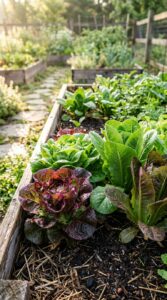
Transform your outdoor space with DIY raised bed planters that are both functional and budget-friendly. Raised beds not only enhance your garden’s aesthetics but also improve soil quality and drainage. Here’s how to create stunning raised beds without breaking the bank.
Materials Needed
- Untreated wood (cedar or pine)
- Wood screws or brackets
- Landscape fabric
- Soil mix (compost, peat moss, and vermiculite)
Step-by-Step Guide
- Choose a Location: Select a sunny spot with good drainage.
- Determine Size: A standard size is 4 feet wide and 6-8 feet long, allowing easy access from both sides.
- Build the Frame: Cut your wood to size, and assemble using screws or brackets.
- Install Landscape Fabric: Line the bottom to prevent weeds.
- Fill with Soil: Use a high-quality soil mix to ensure healthy plant growth.
Expert Tips and Common Mistakes
To maximize your success:
- Ensure proper spacing between plants for ventilation.
- Avoid using treated wood, as chemicals can leach into the soil.
- Keep your beds at least 12 inches deep for root development.
By following these best practices, you can create a thriving garden that is not only beautiful but also productive. Embrace the trend of DIY gardening and enjoy the fruits of your labor without overspending!
2. Transform Your Outdoor Space with Upcycled Garden Furniture Ideas

Transform Your Outdoor Space with Upcycled Garden Furniture Ideas
Looking to enhance your garden with sustainable and stylish furniture? Upcycling garden furniture is not only eco-friendly but also a fantastic way to add unique charm to your outdoor space. Here are some expert-level gardening tips to help you get started on your DIY journey.
Current Trends in Garden DIY
Today, many gardeners are embracing the concept of upcycling, making use of discarded materials to create functional art. Consider using:
- Old wooden pallets for seating or tables
- Repurposed metal barrels as planters
- Vintage chairs painted with outdoor-safe paint
Step-by-Step Guidance
Follow these steps to transform your outdoor space:
- Gather Materials: Search for discarded furniture or materials that can be repurposed.
- Prepare Surfaces: Clean and sand down any rough edges to ensure safety and aesthetics.
- Design Your Layout: Plan where each piece will go, considering sunlight and access.
- Paint or Stain: Apply a weather-resistant finish to protect your furniture.
- Accessorize: Add cushions, throws, or plants to complete the look.
Avoid Common Gardening Mistakes
While upcycling is enjoyable, be wary of these common pitfalls:
- Neglecting to weatherproof your furniture
- Overloading your space with too many pieces
- Choosing materials that are not durable for outdoor use
Best Practices for Upcycled Garden Furniture
Always prioritize safety and sustainability. Use eco-friendly paints and finishes, and ensure your designs are stable and functional. By following these expert tips, you can successfully transform your outdoor space into a captivating retreat.
Incorporate these upcycled garden furniture ideas into your gardening projects to create a unique and inviting atmosphere. Happy gardening!
3. Create a Stunning Vertical Garden Using Pallets and Recycled Materials

Create a Stunning Vertical Garden Using Pallets and Recycled Materials
Vertical gardens are a trending solution for maximizing small spaces while adding aesthetic appeal. Utilizing pallets and recycled materials not only promotes sustainability but also allows you to create a stunning focal point in your garden. Here’s a step-by-step guide to help you construct your own vertical garden.
Materials Needed
- Wooden pallets (ensure they are heat-treated and free from chemicals)
- Landscape fabric or garden mesh
- Stapler or nails
- Soil (potting mix is ideal)
- Your choice of plants (herbs, succulents, or flowering plants)
Step-by-Step Guide
- Prepare the Pallet: Clean the pallet thoroughly and sand any rough edges to prevent splinters.
- Attach Landscape Fabric: Staple the fabric to the back and sides of the pallet to retain soil.
- Fill with Soil: Lay the pallet flat and fill it with potting mix, packing it tightly for stability.
- Plant Your Selection: Start planting from the top down to allow roots to establish as the pallet is raised.
- Secure the Pallet: Prop the pallet against a wall or fence, ensuring it is stable.
Expert Tips and Common Mistakes
When creating your vertical garden, consider the following:
- Choose plants that thrive in vertical conditions, such as trailing vines or compact herbs.
- Avoid overplanting; give each plant enough space to grow.
- Ensure adequate sunlight and water based on your plant selection.
By following these best practices, you can successfully create a vertical garden that is not only beautiful but also functional. Remember, the key to a thriving vertical garden lies in proper plant selection and care. Happy gardening!
4. Budget-Friendly Container Gardening: Best Plants for Small Spaces

Budget-Friendly Container Gardening: Best Plants for Small Spaces
Container gardening is an excellent solution for urban dwellers and those with limited outdoor space. By selecting the right plants, you can create a thriving garden without breaking the bank. Here’s how to maximize your small space with budget-friendly options.
Choosing the Right Containers
Start by selecting containers that suit your style and fit your space. Consider:
- Recycled Containers: Use old buckets or wooden crates.
- Self-Watering Pots: These help reduce maintenance.
- Stackable Planters: Perfect for vertical gardening.
Best Budget Plants for Container Gardening
When choosing plants, opt for those that thrive in containers and offer the best value:
- Herbs: Basil, parsley, and mint are easy to grow and useful in the kitchen.
- Leafy Greens: Spinach and lettuce can be harvested multiple times.
- Flowers: Marigolds and petunias add color without high costs.
Expert Tips to Maximize Your Container Garden
To ensure your container garden flourishes, follow these expert tips:
- Use quality potting mix for better drainage and nutrient retention.
- Water consistently, but avoid overwatering to prevent root rot.
- Fertilize monthly with a balanced organic fertilizer.
Avoid Common Mistakes
Many gardeners face challenges with container gardening. Avoid these common pitfalls:
- Choosing oversized plants that outgrow their containers.
- Neglecting to check for proper drainage holes.
- Ignoring the specific light requirements of your plants.
By following these guidelines, you can create a vibrant and productive container garden, even in the smallest of spaces. Happy gardening!
5. Enhance Curb Appeal with DIY Pathways Using Gravel and Bricks

Enhance Curb Appeal with DIY Pathways Using Gravel and Bricks
Creating a stunning DIY pathway in your garden can significantly enhance your home’s curb appeal. Using gravel and bricks not only adds visual interest but also provides a practical solution for garden navigation. Follow this expert guide to design a pathway that melds functionality with beauty.
Step-by-Step Guidance
- Plan Your Pathway: Determine the pathway layout by marking your desired route with a garden hose or string. Consider current trends such as curved paths that mimic natural lines.
- Prepare the Area: Clear the marked area of grass, weeds, and debris. Use a shovel to dig down at least 3-4 inches to create a stable base.
- Install a Border: Lay bricks on the edges of your pathway to form a sturdy border. Ensure they are level to prevent shifting.
- Add Gravel: Fill the center with gravel, choosing a type that complements your bricks. Smooth it out to create an even surface.
- Compact the Gravel: Use a tamper to compact the gravel, ensuring it stays in place and minimizes weeds.
Expert Tips and Common Mistakes
- Choose the Right Gravel: Opt for crushed stone as it locks together better than rounded gravel.
- Drainage Matters: Ensure your pathway slopes slightly for proper water drainage to avoid pooling.
- Avoid Overcrowding: Leave enough space between bricks for gravel to settle, preventing shifting and unevenness.
By following these best practices, you can create a charming DIY pathway that enhances your garden’s aesthetic and functionality. Remember, a well-designed pathway not only invites visitors but also reflects your personal gardening style.
6. Grow Herbs on a Dime: DIY Indoor Herb Garden Techniques

Grow Herbs on a Dime: DIY Indoor Herb Garden Techniques
Creating an indoor herb garden is a fantastic way to enjoy fresh flavors without breaking the bank. With just a few simple techniques, you can cultivate a variety of herbs right in your kitchen. Here’s how to get started.
Step-by-Step Guide to Your Indoor Herb Garden
- Select Your Herbs: Choose easy-to-grow herbs like basil, parsley, and mint. These are not only popular but also thrive indoors.
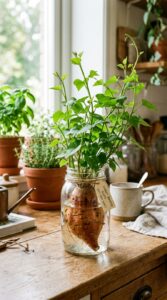
- Gather Supplies: Use recycled containers like mason jars or old teacups to save costs. Ensure they have drainage holes.
- Soil Selection: Use a high-quality potting mix that retains moisture while providing good drainage, ideal for herbs.
- Planting: Fill your containers with soil, leaving about an inch from the top. Sow seeds or transplant seedlings according to the depth recommended on the seed packet.
- Watering and Light: Water the herbs until moisture seeps from the bottom. Place them in a sunny south-facing window or use grow lights if natural light is limited.
Common Mistakes to Avoid
- Overwatering: This is the most common mistake. Allow the soil to dry slightly between waterings.
- Ignoring Light Needs: Ensure your herbs receive at least 6 hours of light daily.
- Neglecting Fertilization: Use a balanced liquid fertilizer every few weeks to promote healthy growth.
Trendy Tips for Your Indoor Herb Garden
Consider incorporating hydroponics or vertical gardening systems to maximize space and efficiency. Additionally, explore companion planting, which can enhance growth and flavor. With these expert techniques, you can successfully grow an indoor herb garden on a dime.
By following these best practices, you’ll not only elevate your cooking but also enjoy the satisfaction of nurturing your own plants. Happy gardening!
7. Craft a Natural Fence with Live Willow for Privacy and Charm

Craft a Natural Fence with Live Willow for Privacy and Charm
Creating a natural fence with live willow is an excellent way to enhance your garden’s privacy while adding unique charm. This eco-friendly option not only provides a green barrier but also encourages local wildlife.
Why Choose Live Willow?
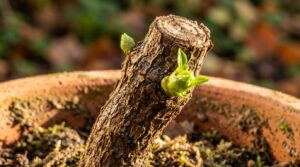
Live willow (Salix spp.) is known for its rapid growth and flexibility, making it ideal for crafting a natural fence. This trend in garden DIY combines sustainability with aesthetics, allowing you to create a lush, living screen that thrives in various conditions.
Step-by-Step Guide to Planting Your Live Willow Fence
- Select the Right Variety: Choose willow species suited for your climate. Varieties like Salix purpurea are popular for their vigorous growth.
- Site Preparation: Pick a sunny spot with well-draining soil. Clear away any weeds or debris.
- Planting: Space willow cuttings about 2-3 feet apart. Insert cuttings at least 12 inches deep to encourage root development.
- Watering: Initially, water regularly to keep the soil moist. Once established, willows are drought-tolerant.
- Maintenance: Prune back new growth annually to encourage dense foliage and maintain desired height.
Expert Gardening Tips
- Avoid over-watering, as willows are susceptible to root rot.
- Use organic mulch around the base to suppress weeds and retain moisture.
- Incorporate companion plants like lavender or echinacea to enhance biodiversity.
Common Mistakes to Avoid
Many gardeners overlook the importance of site selection. Ensure your willow fence receives adequate sunlight and is planted in well-drained soil. Additionally, avoid planting too close to structures, as willow roots can be invasive.
By following these best practices, you can successfully craft a natural fence with live willow that provides privacy and enhances the beauty of your garden. Embrace the current garden DIY trend and enjoy the tranquility of a living fence!
8. Eco-Friendly Composting: Turning Kitchen Scraps into Garden Gold

Eco-Friendly Composting: Turning Kitchen Scraps into Garden Gold
Composting is an essential aspect of sustainable gardening, transforming kitchen scraps into nutrient-rich compost. This eco-friendly practice not only reduces waste but also enriches your garden soil, promoting healthy plant growth.
Step-by-Step Guide to Composting
- Choose a Compost Bin: Select a compost bin that suits your space. Options range from traditional wooden bins to modern tumblers.
- Add Green Materials: Incorporate nitrogen-rich materials like vegetable scraps, coffee grounds, and grass clippings.
- Add Brown Materials: Balance your compost with carbon-rich materials such as dried leaves, cardboard, and straw.
- Maintain Moisture: Keep the compost pile moist, akin to a wrung-out sponge, to facilitate decomposition.
- Turn the Pile: Regularly aerate your compost by turning it every few weeks to speed up the process.
Best Practices for Successful Composting
- Avoid Meat and Dairy: These can attract pests and slow down composting.
- Shred Materials: Smaller pieces decompose faster, enhancing the composting process.
- Monitor Temperature: A hot compost pile (140°F to 160°F) is ideal for effective decomposition.
Common Mistakes to Avoid
Many gardeners make the mistake of adding too many wet materials or not enough aeration. Always strive for a balanced mix and remember to turn your compost regularly.
By following these expert tips, you can create your own eco-friendly compost, turning kitchen scraps into garden gold. Embrace this sustainable practice and watch your garden thrive!
9. Seasonal Color on a Budget: Planting Perennials for Year-Round Bloom

Seasonal Color on a Budget: Planting Perennials for Year-Round Bloom
Creating a vibrant garden filled with seasonal color doesn’t have to break the bank. By selecting the right perennials, you can ensure a stunning display of blooms throughout the year. Here’s how to achieve year-round beauty while keeping your gardening budget intact.
Choosing the Right Perennials
Start by researching perennial plants that thrive in your climate zone. Some popular options include:
- Daylilies (Hemerocallis): Bloom from late spring to early summer.
- Black-eyed Susan (Rudbeckia): Offers cheerful yellow flowers from summer to fall.
- Aster: Provides late-season color with purple and blue hues.
- Pansies: Ideal for early spring blooms, these can often survive mild winters.
Step-by-Step Planting Guide
- Select a Location: Choose a spot with adequate sunlight (at least 6 hours) and well-draining soil.
- Prepare the Soil: Amend the soil with compost to improve fertility and drainage.
- Planting: Dig holes twice the width of the root ball and place the perennials at the same depth they were in their pots.
- Watering: Water thoroughly after planting and continue to water regularly until established.
Expert Tips and Common Mistakes
To maximize your garden’s potential, consider these expert tips:
- Group perennials with similar water and sunlight needs to create a cohesive look.
- Avoid overwatering; established perennials generally require less frequent watering.
- Plan for succession planting to ensure continuous blooms throughout the growing season.
By following these best practices, you’ll not only save money but also enjoy a beautiful garden filled with seasonal color all year long. Remember, patience is key; it may take a year or two for your perennials to fully establish and showcase their beauty.
10. DIY Garden Lighting: Illuminate Your Space with Solar Lanterns

DIY Garden Lighting: Illuminate Your Space with Solar Lanterns
Transform your garden into a magical oasis by utilizing solar lanterns for DIY garden lighting. Not only do these eco-friendly lights enhance the beauty of your outdoor space, but they also provide functionality and safety during nighttime gatherings.
Getting Started with Solar Lanterns
To begin your garden lighting project, consider the following steps:
- Choose the Right Location: Identify areas in your garden that benefit most from illumination, such as pathways, seating areas, or around trees.
- Select Quality Solar Lanterns: Look for lanterns with bright LED bulbs and durable materials to withstand weather conditions.
- Plan Your Layout: Arrange your lanterns to create a cohesive design. Consider spacing them evenly for a balanced look.
Expert Tips for Effective Garden Lighting
Here are some professional tips to enhance your solar lantern installation:
- Opt for lanterns with adjustable brightness settings to customize the ambiance.
- Incorporate different heights and styles to create visual interest.
- Regularly clean the solar panels to ensure optimal charging and functionality.
Avoid Common Mistakes
Many gardeners overlook key aspects when installing solar lanterns. Here’s what to avoid:
- Placing lanterns in shaded areas can diminish their effectiveness. Ensure they receive ample sunlight.
- Ignoring the design flow may lead to a cluttered appearance. Maintain a harmonious layout.
Conclusion
By following these guidelines, you can successfully enhance your garden with solar lanterns, making it a stunning and inviting space after sunset. Embrace current Garden DIY trends that focus on sustainability and creativity, and enjoy your beautifully illuminated outdoor retreat.
Frequently Asked Questions
How can I create raised bed planters on a budget?
To create raised bed planters affordably, consider using reclaimed wood or cinder blocks, which are often inexpensive or free. Ensure the materials are untreated to avoid chemicals leaching into the soil, and fill them with a mix of high-quality compost and soil to provide a healthy environment for your plants.
Why should I opt for upcycled garden furniture?
Upcycled garden furniture not only helps reduce waste and is eco-friendly, but it also adds a unique and personalized touch to your outdoor space. By using materials you already have or can find cheaply, you can create charming and functional pieces without breaking the bank.
What plants are best for budget-friendly container gardening?
For budget-friendly container gardening, consider growing herbs like basil and parsley, or vegetables such as cherry tomatoes and peppers. These plants thrive in smaller spaces and often yield a good harvest, allowing you to enjoy fresh produce without the need for a large garden.
How do I troubleshoot drainage issues in my raised beds?
If you experience drainage issues in your raised beds, ensure that the soil is well-aerated and not too compact. Adding organic matter like compost can improve drainage, and you may also need to check that the beds are elevated enough to allow excess water to escape.
What are the best materials for creating DIY pathways on a budget?
For budget-friendly DIY pathways, consider using gravel, reclaimed bricks, or even wood chips, which can create a rustic look. These materials are often low-cost or free, and they provide good drainage while enhancing the visual appeal of your garden while staying within budget.