1. Sustainable Vertical Gardens: Eco-Friendly Design for Small Spaces

Sustainable Vertical Gardens: Eco-Friendly Design for Small Spaces
Creating a sustainable vertical garden is an ideal solution for urban gardeners looking to maximize small spaces while promoting eco-friendly practices. These innovative gardens not only beautify your environment but also improve air quality and support biodiversity.
Choosing the Right Structure
Start by selecting a vertical structure that suits your space and aesthetic. Options include:
- Wall-mounted planters
- Hanging pots
- Repurposed pallets
- Wire grids or trellises
Ensure your chosen structure is made from sustainable materials, such as reclaimed wood or recycled plastics, to align with eco-friendly design principles.
Plant Selection and Arrangement
Opt for native plants and herbs that thrive in your climate. Consider these popular choices:
- Succulents for drought resistance
- Herbs like basil and mint for culinary use
- Flowering plants for vibrant colors
Arrange plants based on their light and water needs, grouping similar species together to simplify care.
Watering and Maintenance Tips
Implement a drip irrigation system to conserve water and minimize waste. Regularly monitor moisture levels to avoid overwatering, a common mistake among novice gardeners.
Additionally, practice sustainable gardening by using organic fertilizers and pest control methods to maintain plant health without harming the ecosystem.
Best Practices for Success
Follow these expert tips to ensure your vertical garden thrives:
- Rotate plants seasonally to maintain soil health.
- Incorporate companion planting to deter pests.
- Regularly prune and deadhead to encourage growth.
By embracing sustainable vertical gardens, you can create a lush, eco-friendly oasis in even the smallest of spaces. Start your journey today and enjoy the benefits of urban gardening!
2. Biophilic Design: Integrating Nature into Urban Landscapes

Biophilic Design: Integrating Nature into Urban Landscapes
Biophilic design is revolutionizing urban landscapes by seamlessly integrating nature into city environments. This approach not only enhances aesthetic appeal but also promotes mental well-being and ecological balance. Here’s how to effectively integrate biophilic elements into your garden DIY projects.
Practical Gardening Examples
Start by incorporating vertical gardens, which are perfect for small urban spaces. Use a trellis or modular planting systems to grow climbing plants like clematis or hops. Additionally, consider edible landscaping; mixing ornamental plants with herbs and vegetables can create a beautiful and functional garden.
Step-by-Step Gardening Guidance
- Assess Your Space: Evaluate sunlight, soil type, and existing flora.
- Choose Native Plants: Select species that thrive in your local ecosystem, such as lavender or echinacea.
- Design for Diversity: Incorporate a mix of plant heights and textures to mimic natural habitats.
- Install Water Features: A small pond or fountain can attract wildlife and create a calming ambiance.
Common Gardening Mistakes to Avoid
- Neglecting soil health; always amend with compost.
- Overwatering; ensure proper drainage to prevent root rot.
- Choosing invasive species that can disrupt local ecosystems.
Gardening Best Practices
Implementing biophilic design not only beautifies urban areas but also contributes to biodiversity. Always prioritize sustainability by using organic materials and conserving water. By following these expert tips, you can create a thriving urban oasis that connects you with nature.
3. Low-Maintenance Perennial Borders: Best Plants for Effortless Beauty

Low-Maintenance Perennial Borders: Best Plants for Effortless Beauty
Creating a stunning yet low-maintenance perennial border is the dream of many gardeners. With the right selection of plants, you can enjoy vibrant blooms and lush greenery without extensive upkeep. Here, we explore the best plants for effortless beauty in your garden.
Top Low-Maintenance Perennials
- Daylilies (Hemerocallis): Known for their hardiness, daylilies offer a variety of colors and shapes, thriving in almost any soil type.
- Lavender (Lavandula): This aromatic plant not only provides beauty but also attracts pollinators. Lavender prefers well-drained soil and full sun.
- Sedum: Ideal for rock gardens, sedums are drought-tolerant and come in various heights and textures, making them perfect for layering.
- Black-eyed Susan (Rudbeckia): These cheerful flowers bloom from summer to fall, requiring minimal care beyond watering and occasional deadheading.
Step-by-Step Guide to Planting
To ensure a thriving perennial border, follow these simple steps:
- Site Selection: Choose a location with adequate sunlight and well-drained soil.
- Soil Preparation: Amend soil with compost to improve fertility and drainage.
- Planting: Arrange perennials in groups for a natural look, planting at their recommended depth.
- Watering: Water thoroughly after planting and establish a routine based on weather conditions.
Expert Tips and Common Mistakes
To maximize the impact of your perennial border:
- Avoid overcrowding plants; this can lead to disease and poor air circulation.
- Incorporate mulch to suppress weeds and retain moisture.
- Choose plants with staggered bloom times for year-round interest.
By selecting the right low-maintenance perennials and following these expert gardening tips, you can create a beautiful, hassle-free border that elevates your garden’s charm.
4. Edible Landscaping: Growing Fruits and Veggies in Decorative Ways

Edible Landscaping: Growing Fruits and Veggies in Decorative Ways
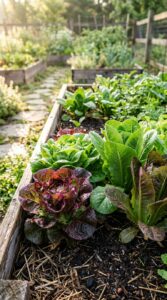
Edible landscaping is a growing trend in Garden DIY, allowing gardeners to cultivate fruits and vegetables in visually appealing arrangements. By integrating edible plants into your landscape design, you can create a beautiful, functional space that provides fresh produce right at your doorstep.
Designing Your Edible Landscape
Start by selecting a variety of fruits and vegetables that complement your climate and soil conditions. Here are some practical gardening examples:
- Herb Spirals: Create a spiral garden for herbs like basil, thyme, and rosemary. This not only saves space but also adds height variation and visual interest.
- Vertical Gardens: Use trellises to grow climbing plants such as cucumbers and peas. This maximizes space and adds a decorative element.
- Fruit Trees: Dwarf fruit trees can be planted in ornamental pots or as part of a mixed border, providing both shade and an edible harvest.
Step-by-Step Guidance
To get started with edible landscaping, follow these expert gardening tips:
- Plan your layout: Sketch your garden, incorporating both ornamental and edible plants.
- Select companion plants: Pair flowers with vegetables to enhance growth and attract beneficial insects.
- Monitor soil health: Test your soil and amend it with organic matter to ensure optimal growth.
- Implement watering systems: Consider drip irrigation for efficient water usage, especially in hot climates.
Avoid Common Gardening Mistakes
As you embark on your edible landscaping journey, watch out for these common mistakes:
- Overcrowding plants: Ensure adequate spacing to promote airflow and reduce disease.
- Neglecting maintenance: Regularly prune and harvest to encourage healthy growth.
- Ignoring seasonal changes: Choose plants that thrive in your specific growing season.
By following these best practices, you can successfully create an edible landscape that is both beautiful and productive. Embrace the art of edibles in your garden, and enjoy the bounty of fresh fruits and vegetables while enhancing your outdoor aesthetic.
5. Smart Irrigation Systems: Efficient Watering for Modern Gardens

Smart Irrigation Systems: Efficient Watering for Modern Gardens
In today’s eco-conscious gardening landscape, smart irrigation systems are revolutionizing how we approach watering our gardens. These advanced systems ensure efficient water use, promoting healthy plant growth while conserving this precious resource.
Understanding Smart Irrigation Systems
A smart irrigation system utilizes technology to optimize watering schedules based on weather conditions, soil moisture levels, and plant needs. By integrating sensors and timers, these systems reduce water waste and improve garden health. Here are some key components:
- Soil Moisture Sensors: Measure the moisture level in the soil, triggering watering only when necessary.
- Weather Stations: Adjust watering schedules based on rainfall and temperature forecasts.
- App Integration: Allow you to control your irrigation system remotely via smartphone.
Step-by-Step Guidance for Implementation
Implementing a smart irrigation system in your garden can be straightforward:
- Assess Your Garden: Identify the areas that require different watering needs.
- Choose the Right System: Select an irrigation system that fits your garden size and requirements.
- Install Sensors: Place soil moisture sensors strategically throughout your garden.
- Connect to Wi-Fi: Ensure your system can connect to your home network for optimal functionality.
- Monitor and Adjust: Regularly check the system’s performance through the app and adjust settings as necessary.
Expert Tips and Common Mistakes to Avoid
To maximize your smart irrigation system’s effectiveness:
- Regularly clean your sensors and emitters to prevent clogs.
- Avoid overwatering by setting your system to water only when soil moisture is low.
- Keep an eye on local weather forecasts to adjust schedules accordingly.
By adopting a smart irrigation system, you not only enhance your garden’s health but also embrace sustainable gardening practices. Efficient watering is the key to thriving plants and a vibrant garden.
6. Wildlife-Friendly Gardens: Creating Habitats for Pollinators

Wildlife-Friendly Gardens: Creating Habitats for Pollinators
Creating a wildlife-friendly garden is essential for supporting pollinators like bees, butterflies, and hummingbirds. These vital creatures not only beautify our gardens but also play a crucial role in the ecosystem. Here’s how to design a habitat that attracts and sustains pollinators.
Step-by-Step Guide to Attracting Pollinators
- Choose Native Plants: Select a variety of native flowering plants that bloom at different times throughout the growing season. This ensures a consistent food source for pollinators. Examples include coneflowers, milkweed, and asters.
- Create Shelter: Incorporate natural elements like logs, stones, and brush piles to provide shelter for insects. Consider adding a bee hotel to encourage solitary bees.
- Water Sources: Provide shallow water dishes or bird baths with pebbles for pollinators to land on safely while drinking.
- Avoid Pesticides: Use organic gardening methods to minimize harm to pollinators. If pest control is necessary, opt for natural solutions like neem oil or insecticidal soap.
Common Gardening Mistakes to Avoid
- Neglecting to diversify plant species can limit food sources.
- Using chemically treated plants or pesticides can deter pollinators.
- Over-pruning can eliminate essential habitats.
Best Practices for a Thriving Pollinator Garden
Incorporate these gardening best practices to create a successful wildlife-friendly garden:
- Group plants in clusters to make them more visible and accessible to pollinators.
- Leave some areas of your garden a bit wild to promote natural habitats.
By following these expert tips, you can create a vibrant wildlife-friendly garden that supports pollinators while enhancing your outdoor space.
7. Mood-Boosting Color Schemes: Choosing Plants for Emotional Wellness

Mood-Boosting Color Schemes: Choosing Plants for Emotional Wellness
Creating a garden that enhances your emotional wellness involves selecting mood-boosting color schemes. Color psychology suggests that certain hues can impact our feelings, making it essential to choose plants wisely for your green space.
Choosing the Right Colors
Focus on vibrant colors that evoke positive emotions. Here are some suggestions:
- Yellow: Symbolizes happiness; consider planting sunflowers and marigolds.
- Blue: Promotes calmness; incorporate delphiniums or blue hydrangeas.
- Pink: Encourages compassion; use peonies or cherry blossom trees.
Practical Gardening Examples
To create an uplifting atmosphere, plant these flowers in clusters. For instance, pairing bright yellow daisies with calming blue lobelias can create a striking contrast while enhancing emotional wellbeing.
Step-by-Step Guidance
- Choose a theme based on desired emotions.
- Select plants with complementary colors.
- Prepare the soil with organic compost for optimal growth.
- Plant in groups for visual impact and emotional resonance.
Common Gardening Mistakes to Avoid
When creating your mood-boosting garden, avoid:
- Overcrowding plants, which can hinder growth.
- Neglecting sunlight needs; ensure each plant receives adequate light.
- Ignoring seasonal changes; select plants that bloom at different times for year-round color.
Best Practices for Emotional Wellness Gardening
Regular maintenance, such as deadheading and watering, is crucial. Additionally, consider incorporating fragrant herbs like lavender and rosemary for sensory appeal, enhancing overall emotional wellness.
By thoughtfully choosing plants based on color and emotional impact, you can cultivate a garden that not only beautifies your space but also nurtures your mental health.
Frequently Asked Questions
How can I create a sustainable vertical garden in a small space?
To create a sustainable vertical garden in a small space, start by selecting eco-friendly materials like reclaimed wood or recycled plastic for your structure. Choose plants that thrive in vertical conditions, such as herbs, ferns, or succulents, and ensure you incorporate a drip irrigation system to optimize water usage and maintain moisture levels efficiently.
Why is biophilic design important for urban garden landscapes?
Biophilic design is crucial for urban garden landscapes as it enhances mental well-being by reconnecting people with nature. Incorporating natural elements like water features, native plants, and green walls can improve air quality and provide habitats for local wildlife, creating a more harmonious and sustainable environment in bustling urban settings.
What are the best low-maintenance perennial plants for a beautiful border?
Some of the best low-maintenance perennial plants for effortless beauty include lavender, echinacea, and daylilies. These plants not only provide stunning blooms year after year but also require minimal care, making them ideal for busy gardeners looking to add charm to their borders without extensive upkeep.
How can I incorporate edible landscaping into my garden design?
To incorporate edible landscaping into your garden design, start by integrating ornamental fruits and vegetables like blueberry bushes, tomato vines, and herb borders. Use attractive planters and trellises to create a visually appealing layout that showcases both beauty and functionality, encouraging you to enjoy fresh produce right from your garden.
What should I do if my smart irrigation system isn’t watering properly?
If your smart irrigation system isn’t watering properly, first check the moisture sensors and ensure they are not obstructed by debris. Additionally, verify the system’s programming settings and test the water pressure to ensure it meets the required specifications. Regular maintenance, including cleaning filters and adjusting timers, can help resolve many common issues.