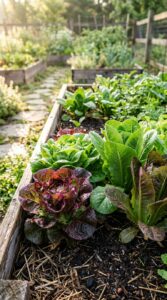
1. Creating Herb Container Gardens for Small Patios and Balconies

Creating Herb Container Gardens for Small Patios and Balconies
Transform your small outdoor space into a lush haven with a vibrant herb container garden. Perfect for patios and balconies, these compact gardens not only enhance your cooking but also elevate your home’s aesthetic. Here’s how to get started with your own herb garden.
Step-by-Step Guide
- Select Your Containers: Choose pots with drainage holes to prevent overwatering. Terracotta, ceramic, or recycled materials work well.
- Choose Your Herbs: Popular choices include basil, parsley, cilantro, and mint. Opt for herbs that thrive in your local climate.
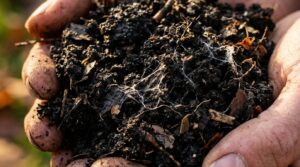
- Soil Selection: Use a high-quality potting mix enriched with organic compost. This provides essential nutrients for optimal growth.
- Planting: Fill pots with soil, leaving an inch of space at the top. Plant herbs according to their spacing needs, typically 6-12 inches apart.
- Watering and Maintenance: Water the herbs thoroughly, allowing excess to drain. Check soil moisture regularly—herbs prefer slightly moist soil.
Expert Tips and Common Mistakes
- Rotate Your Herbs: To promote healthy growth, rotate pots occasionally to ensure even sunlight exposure.
- Avoid Overcrowding: Planting too many herbs in one container can lead to poor air circulation and disease.
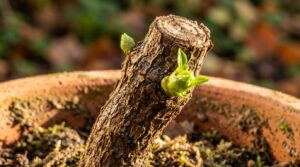
- Pruning is Key: Regularly pinch off leaves to encourage bushy growth and prevent bolting.
By following these best practices, you can create a thriving herb container garden that not only beautifies your small space but also provides fresh flavors for your culinary adventures. Embrace the current trends in garden DIY and enjoy the satisfaction of growing your own herbs!
2. Growing Colorful Flower Containers: Best Plants for Urban Spaces
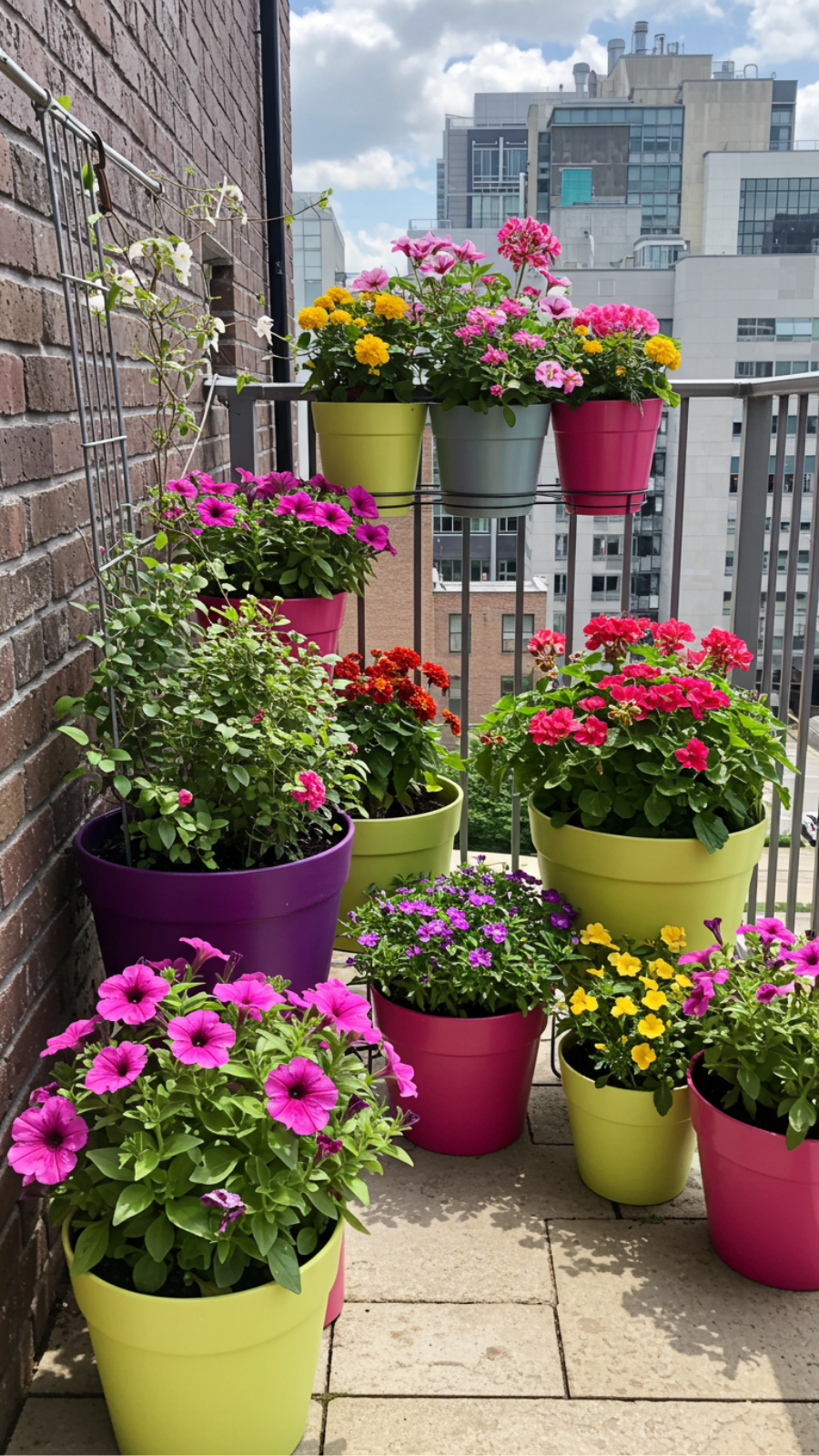
Growing Colorful Flower Containers: Best Plants for Urban Spaces
Creating vibrant flower containers is a fantastic way to enhance urban spaces, bringing life and color to balconies, patios, and small gardens. By selecting the right plants, you can achieve a stunning display while making the most of limited space. Here are some expert tips to help you grow colorful flower containers successfully.
Choosing the Right Plants
For urban gardening enthusiasts, consider these best plants:
- Pansies: Vibrant and hardy, perfect for cooler temperatures.
- Petunias: Available in a variety of colors, they thrive in full sun.
- Calibrachoa: Known as million bells, great for trailing over container edges.
- Begonias: Ideal for shady spots, they add a lush, tropical feel.
Step-by-Step Guidance
- Select Quality Containers: Choose pots with drainage holes to prevent waterlogging.
- Use High-Quality Potting Mix: A lightweight mix with good drainage ensures healthy root growth.
- Plant Strategically: Combine tall, medium, and trailing plants for visual interest.
- Water Wisely: Maintain consistent moisture but avoid overwatering, which can lead to root rot.
Avoid Common Mistakes
Many urban gardeners make these common errors:
- Overcrowding containers, which limits airflow and nutrient access.
- Neglecting sunlight needs; ensure your plants receive adequate light based on their requirements.
- Using regular garden soil instead of potting mix, which can compact and hinder drainage.
Best Practices for Success
Regularly deadhead spent blooms to encourage new growth and maintain aesthetics. Additionally, consider incorporating seasonal plants to keep your container garden dynamic throughout the year. With these expert tips, you can transform any urban space into a colorful oasis.
3. Vertical Container Gardening: Maximizing Space on Balconies

Vertical Container Gardening: Maximizing Space on Balconies
Vertical container gardening is an innovative solution for urban gardeners looking to maximize limited balcony space. This method not only enhances the aesthetics of your outdoor area but also allows you to grow a variety of plants, from herbs to flowers, in a compact format.
Getting Started with Vertical Container Gardening
To create your vertical garden, consider the following steps:
- Select Your Containers: Use pots, hanging baskets, or wall-mounted planters. Choose materials that provide good drainage, like terracotta or plastic.
- Choose the Right Plants: Opt for vertical-friendly plants such as climbing beans, strawberries, or decorative vines. Herbs like basil and mint also thrive in containers.
- Design Your Layout: Arrange your containers in a tiered format or stagger them on wall-mounted shelves. Ensure each plant receives adequate sunlight.
Expert Gardening Tips and Tricks
Here are some expert-level tips to ensure your vertical garden flourishes:
- Watering: Implement a drip irrigation system to maintain consistent moisture without overwatering.
- Fertilization: Use slow-release organic fertilizers to provide nutrients throughout the growing season.
- Regular Pruning: Trim back plants to prevent overcrowding and encourage healthy growth.
Avoid Common Gardening Mistakes
While vertical gardening can be rewarding, it’s essential to avoid common pitfalls:
- Neglecting drainage—ensure your containers have holes.
- Choosing the wrong plants for your climate—research plant hardiness zones.
- Improper sunlight exposure—observe how sunlight moves across your balcony.
By following these guidelines for vertical container gardening, you can transform your balcony into a lush, productive space. Embrace the trend of maximizing small spaces and enjoy the fruits of your labor!
4. Succulent Arrangements: Low-Maintenance Container Ideas

Succulent Arrangements: Low-Maintenance Container Ideas
Succulent arrangements are the perfect solution for gardeners seeking low-maintenance yet visually stunning container ideas. These hardy plants not only require minimal care but also adapt well to various environments, making them ideal for both indoor and outdoor settings.
Choosing the Right Container
Start by selecting a container with adequate drainage holes to prevent root rot. Terracotta pots are a popular choice due to their breathability. Consider trendy options such as:
- Rustic wooden crates
- Ceramic bowls
- Recycled glass jars
Plant Selection and Arrangement
When arranging your succulents, choose a diverse mix of shapes and colors. Recommended varieties include:
- Jade Plant (Crassula ovata)
- Hens-and-Chicks (Sempervivum)
- String of Pearls (Senecio rowleyanus)
Begin by placing taller succulents in the center and shorter ones around the edges for an eye-catching layout. Use cactus soil to provide excellent drainage.
Expert Tips for Success
To ensure your succulent arrangement thrives, follow these best practices:
- Avoid overwatering; allow the soil to dry out completely between waterings.
- Provide bright, indirect sunlight to keep your succulents vibrant.
- Fertilize sparingly with a diluted cactus fertilizer during the growing season.
Avoiding Common Mistakes
Many gardeners overlook the importance of drainage and overcrowding in arrangements. Ensure your container has sufficient drainage and avoid cramming too many plants into one space, as this can lead to competition for resources and poor growth.
By following these guidelines, you can create stunning succulent arrangements that enhance your gardening space while requiring minimal upkeep. Happy gardening!
5. Seasonal Container Planting: Year-Round Color for Small Spaces
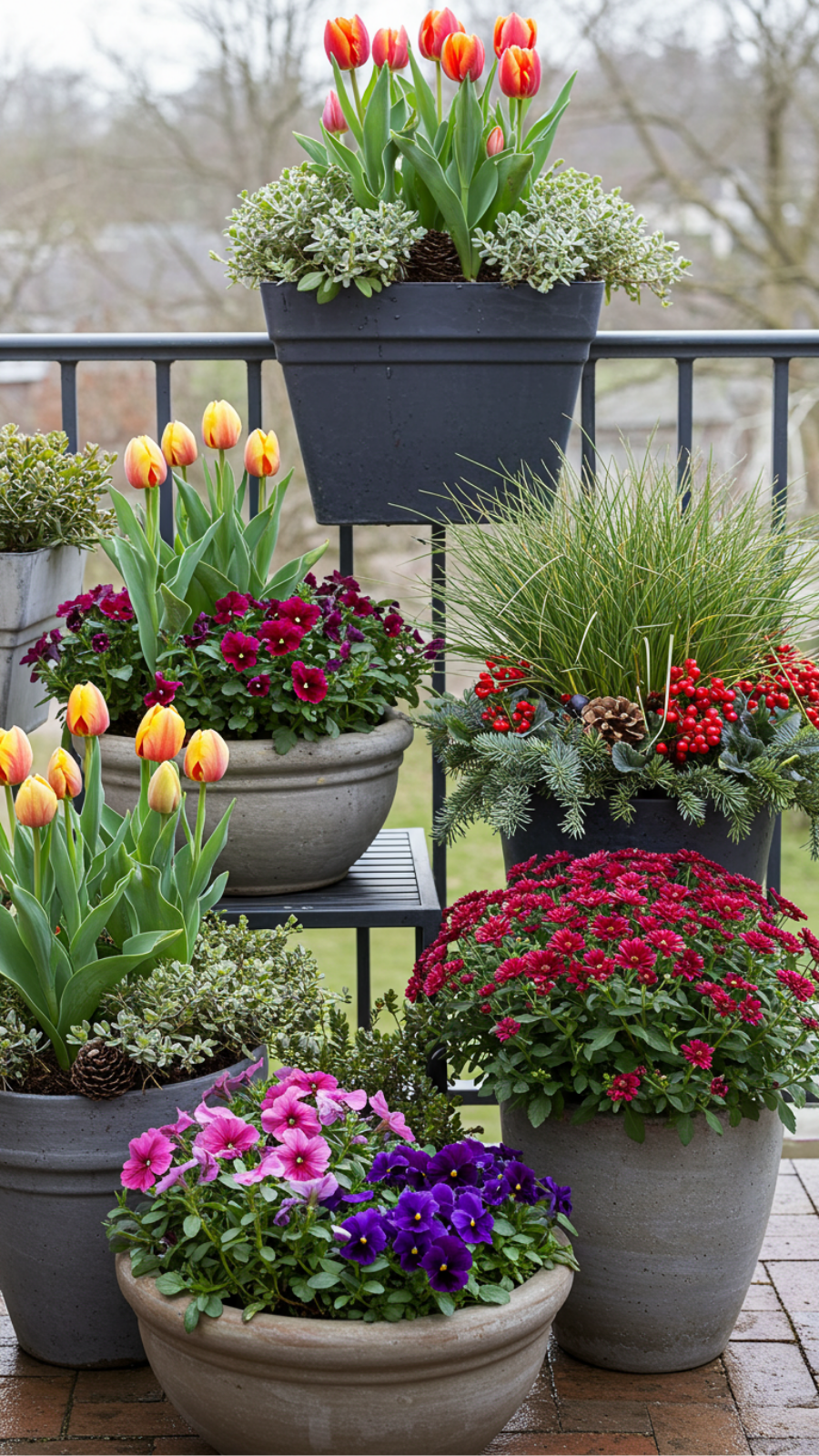
Seasonal Container Planting: Year-Round Color for Small Spaces
Creating a vibrant garden in small spaces can be a rewarding challenge. Seasonal container planting offers an excellent solution, allowing you to enjoy year-round color and variety. Here’s how to achieve this with expert-level gardening advice.
Choosing the Right Containers
Start by selecting containers that complement your space. Drainage is crucial; ensure pots have holes to prevent waterlogging. Choose materials like terracotta or fiberglass, which provide insulation for roots.
Seasonal Plant Selection
Opt for plants according to the seasons:
- Spring: Pansies and tulips add early color.
- Summer: Consider vibrant petunias and trailing vinca.
- Autumn: Ornamental kales and mums create warm tones.
- Winter: Evergreens like boxwood and seasonal decorations keep it lively.
Planting Steps
- Start with a quality potting mix enriched with organic matter.
- Layer your plants from tallest to shortest for visual interest.
- Water thoroughly after planting and ensure regular moisture.
Gardening Best Practices
Incorporate these expert tips:
- Rotate plants seasonally to prevent soil depletion.
- Use slow-release fertilizers to support growth.
- Regularly check for pests and diseases.
Avoid Common Mistakes
Many gardeners overlook:
- Neglecting sunlight requirements of plants.
- Overcrowding containers, which can stunt growth.
- Ignoring seasonal changes in watering needs.
By following these guidelines, you can create a stunning display of seasonal color that enhances your small space throughout the year. Happy gardening!
6. DIY Edible Container Gardens: Vegetables for Patios and Balconies
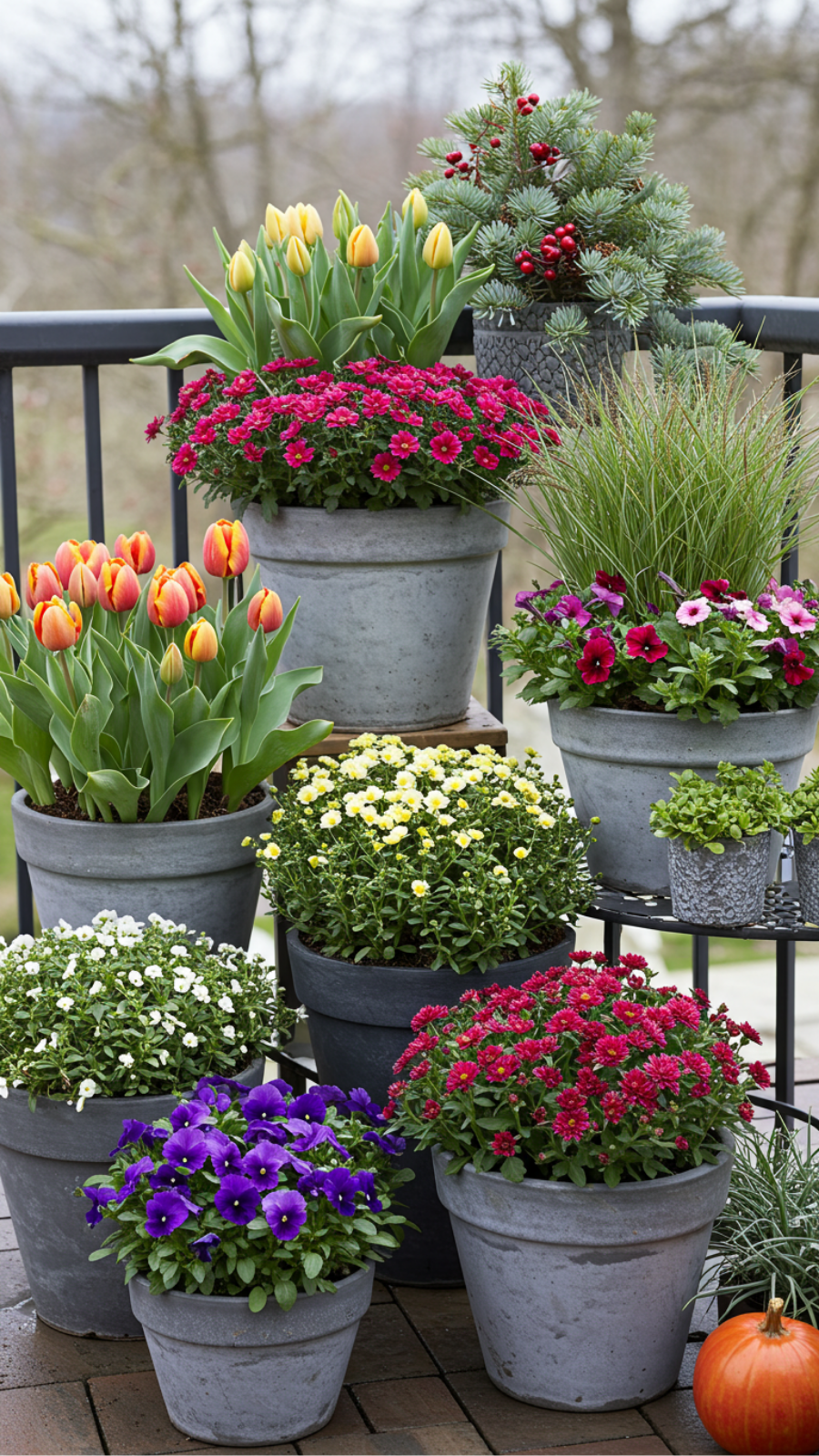
DIY Edible Container Gardens: Vegetables for Patios and Balconies
Creating a DIY edible container garden on your patio or balcony is a rewarding way to grow fresh vegetables in limited space. This gardening trend allows urban dwellers to enjoy homegrown produce while enhancing their outdoor areas.
Choosing the Right Containers
When starting your edible garden, select containers that are at least 12 inches deep to accommodate root growth. Consider materials like ceramic, wood, or recycled plastics. Ensure each container has drainage holes to prevent waterlogging.
Best Vegetables for Container Gardening
- Lettuce: Quick to grow, lettuce thrives in partial shade.
- Radishes: Fast-growing and space-efficient, radishes can be harvested in as little as 30 days.
- Cherry Tomatoes: Perfect for small spaces, they require support as they grow.
- Herbs: Basil, parsley, and mint are great companions for vegetables and add flavor to dishes.
Step-by-Step Guide
- Choose your containers and fill them with high-quality potting mix.
- Plant seeds or seedlings according to spacing recommendations.
- Water thoroughly, ensuring the soil is moist but not soggy.
- Place your containers in a location that receives at least 6 hours of sunlight daily.
- Fertilize with a balanced organic fertilizer every few weeks.
Expert Tips to Avoid Common Mistakes
Ensure you do not overcrowd plants, as this can lead to poor air circulation and disease. Regularly check for pests and remove any dead or yellowing leaves to promote healthy growth.
By following these best practices, you can create a thriving edible container garden that transforms your patio or balcony into a vibrant source of fresh vegetables. Happy gardening!
7. Water-Saving Container Gardening Techniques for Sustainable Spaces
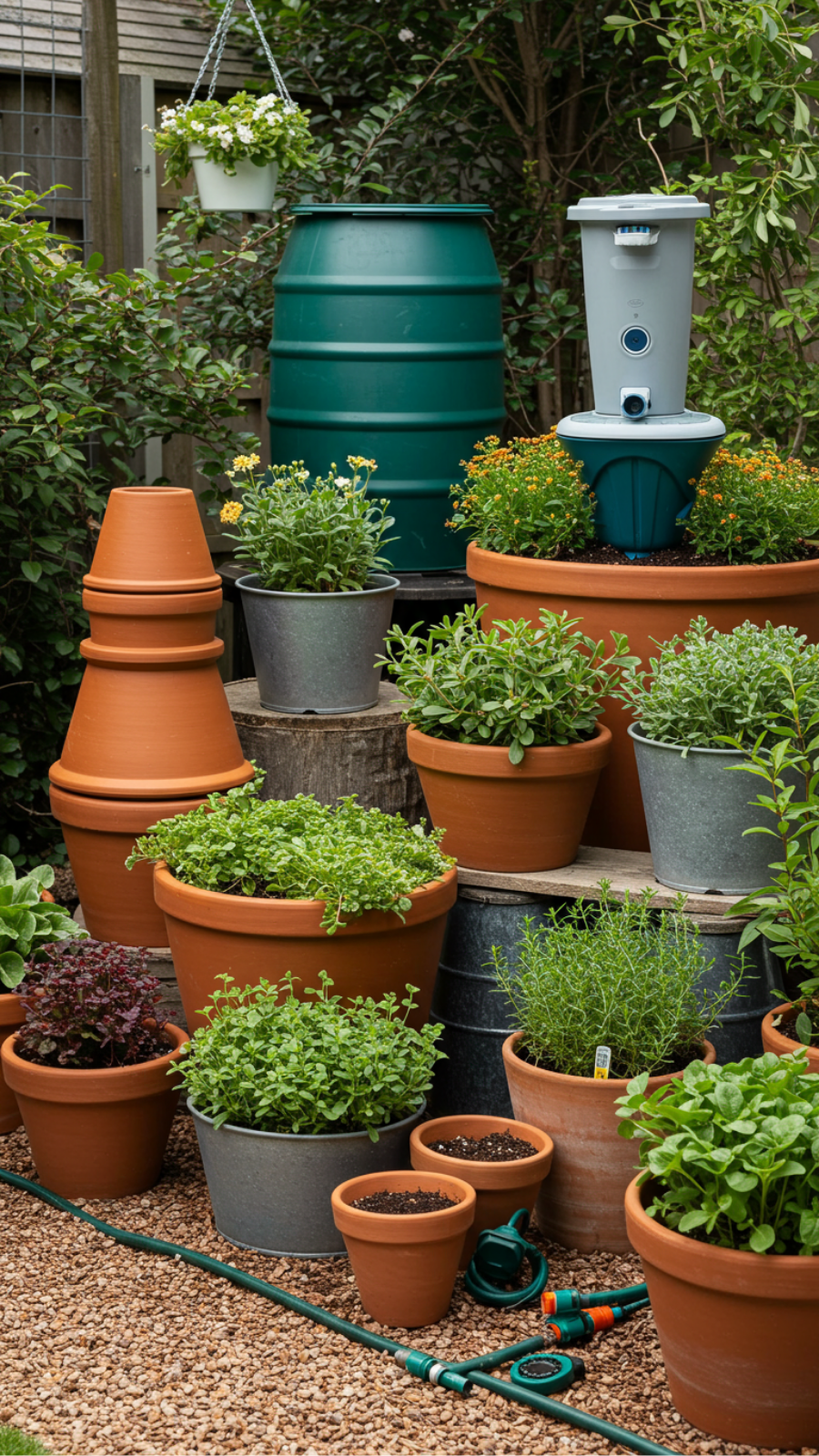
Water-Saving Container Gardening Techniques for Sustainable Spaces
In today’s eco-conscious world, water-saving container gardening techniques are essential for creating sustainable spaces. These methods not only conserve water but also promote healthy plant growth, making them ideal for both novice and seasoned gardeners.
Choose the Right Containers
Selecting the right containers is crucial. Opt for materials like ceramic, fiberglass, or recycled plastic that retain moisture better. Ensure your pots have adequate drainage holes to prevent root rot while maintaining moisture balance.
Utilize Efficient Soil Mixes
Create a water-retentive soil mix by combining potting soil with organic materials like coconut coir or vermiculite. This enhances moisture retention and reduces the frequency of watering, making it an ideal option for container gardening.
Implement Smart Watering Techniques
- Drip Irrigation: Install a simple drip irrigation system for targeted watering.
- Self-Watering Containers: Use self-watering pots that provide a reservoir of moisture.
- Watering Schedule: Water during the early morning or late evening to minimize evaporation.
Common Mistakes to Avoid
Many gardeners overwater their plants or use conventional soils that dry out too quickly. To avoid this, monitor your plants’ moisture levels and adjust your watering practices accordingly.
Best Practices for Sustainability
Incorporate native plants and drought-tolerant species in your container garden. These plants require less water and thrive in your local climate, contributing to a sustainable ecosystem.
By implementing these water-saving container gardening techniques, you can cultivate a vibrant garden while conserving precious water resources. Enjoy the beauty of gardening while making a positive impact on the environment!
Frequently Asked Questions
How do I start an herb container garden on my small patio?
Starting an herb container garden on your small patio is simple. Choose containers that are at least 6-12 inches deep, and select herbs such as basil, mint, and parsley that thrive in smaller spaces. Ensure proper drainage and use high-quality potting soil, then position your containers in a spot that receives at least 6 hours of sunlight daily for optimal growth.
Why should I consider vertical container gardening for my balcony?
Vertical container gardening is an excellent solution for maximizing limited space on your balcony. It allows you to grow a variety of plants upwards, saving floor space and creating a lush, green aesthetic. Additionally, vertical gardens can improve air circulation and reduce pest issues while making your gardening efforts more visually appealing.
What are the best plants for colorful flower containers in urban settings?
For vibrant flower containers in urban environments, consider planting petunias, geraniums, and marigolds. These flowers are resilient and thrive in limited light conditions, producing abundant blooms that attract pollinators. Remember to choose a mix of heights and colors to create visual interest and complement your patio decor.
How can I troubleshoot wilting plants in my container garden?
If your container garden plants are wilting, first check the soil moisture level. Overwatering or underwatering can both cause wilting. Ensure your containers have adequate drainage, and consider adjusting your watering schedule based on the weather and plant needs, allowing the soil to dry slightly between waterings.
What are some best practices for seasonal container planting?
For successful seasonal container planting, rotate your plants based on the seasons, selecting varieties that thrive in specific climates. Incorporate a mix of perennials and annuals for year-round color, and consider using seasonal themes or color palettes to keep your containers looking fresh and vibrant. Regularly deadhead flowers and refresh potting soil to promote healthy growth.