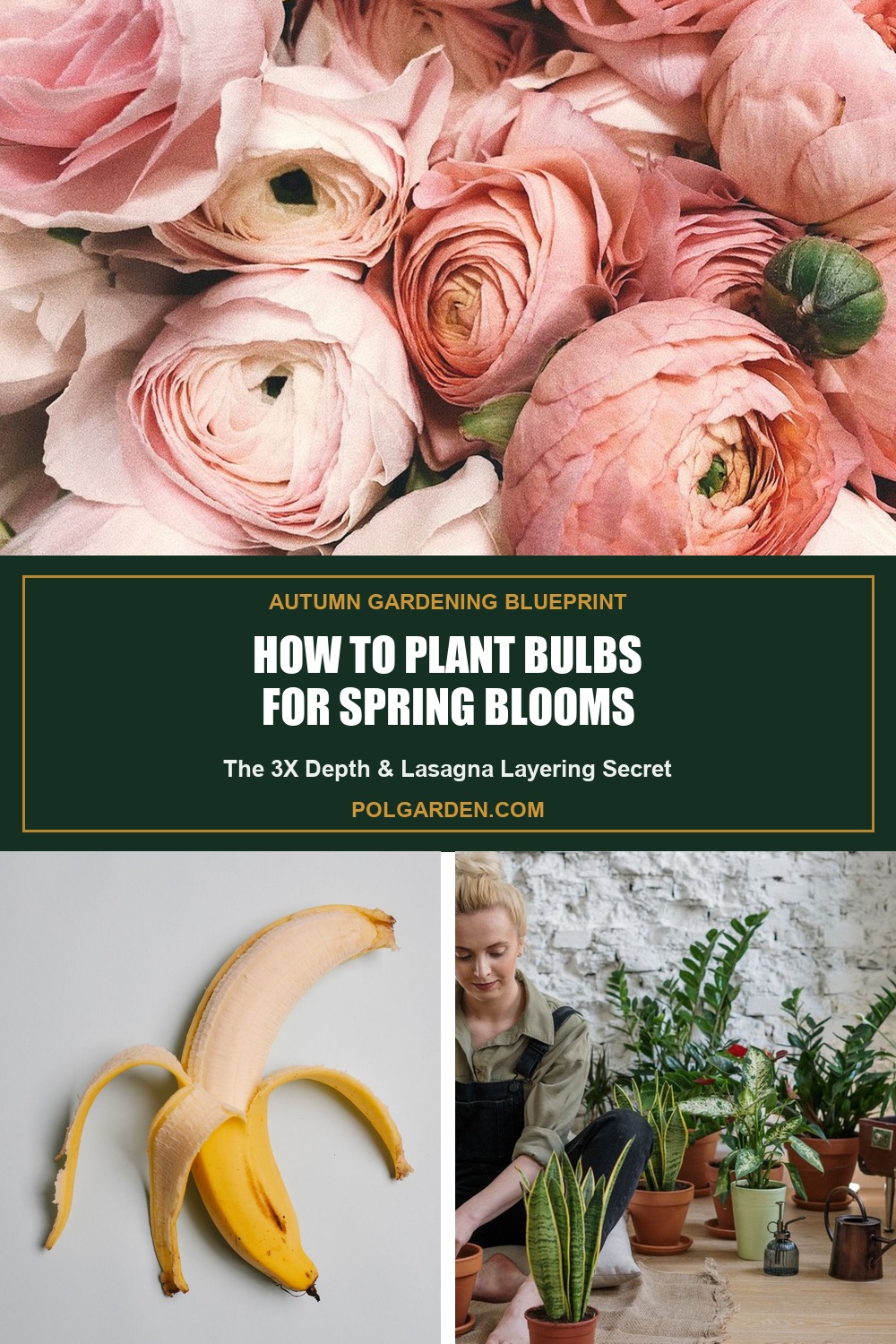
The secret to a showstopping, vibrant spring garden does not begin in April—it is engineered deep in the autumn soil before the first hard ground freeze. Planting hardy spring flower bulbs like tulips, daffodils, giant purple alliums, and fragrant hyacinths in October and November harnesses natural winter chilling cycles (vernalization) to trigger explosive, colorful blooms the moment winter snow melts.

Spring-flowering bulbs are essentially self-contained embryonic flower buds wrapped in fleshy nutrient-storing scales. While their above-ground foliage stays completely dormant under winter snow, their basal plates actively grow deep anchor roots whenever soil temperatures hover between 40°F and 50°F (4°C to 10°C). By mastering proper planting depth and rodent deterrence, you ensure 100% bloom success year after year.
Why You Should Plant Flower Bulbs This Autumn
- First Waves of Early Color: Snowdrops and crocus pierce through lingering snow in early February, followed by weeks of brilliant tulips and daffodils.
- Zero Maintenance After Planting: Mother nature provides autumn rains and winter chilling; bulbs require zero watering once the ground freezes.
- Natural Deer & Rodent Resistance: Daffodils, alliums, and grape hyacinths contain natural alkaloids that burrowing squirrels and hungry deer refuse to touch.
- Soil Enrichment Synergy: Composting bulb trenches with DIY leaf mold soil conditioner buffers roots against deep freeze-thaw cycles.
Required Tools & Materials Checklist
- Plump, Firm Bulbs: Tulips, daffodils (Narcissus), Allium ‘Globemaster’, crocus, hyacinths, and snowdrops. Avoid any soft, mushy, or moldy specimens.
- Digging Tools: A heavy-duty bulb planter, sharp spade, or manual garden auger drill attachment for fast mass plantings.
- Root Amendment: Organic steamed bone meal or granular bulb food (high in phosphorus to fuel deep fall root branching).
- Protective Barrier (Optional): Coarse crushed oyster shells, horticultural grit, or chicken wire mesh to deter digging squirrels.
- Organic Mulch: Shredded autumn leaves or pine bark to insulate newly planted beds.
Step-by-Step Bulb Planting Walkthrough
Step 1: Timing the Autumn Window
Plant after the first light autumn frost when nighttime temperatures consistently stay between 40°F and 50°F (typically October through late November in zones 4–8), approximately 4 to 6 weeks before the ground freezes solid. For edible fall alliums, compare our guide on planting garlic in fall.
Step 2: Follow the 3X Depth Formula
The universal rule of horticulture: Plant each bulb at a depth equal to 3 times its height. For example, a 2-inch tall daffodil bulb belongs 6 inches deep, while a miniature 1-inch crocus bulb belongs 3 inches deep. Planting too shallow makes bulbs vulnerable to frost heaving and rodent theft.
Step 3: Pointy Side Up, Flat Side Down
Set each bulb firmly into the bottom of the trench with its pointed shoot tip facing the sky. If planting an irregularly shaped tuber (like anemones), plant it sideways—geotropism will guide shoots upward and roots downward automatically.
Step 4: Water Deeply Once & Mulch
Backfill the trench with loose amended loam, tamp lightly to eliminate large subterranean air pockets, and soak thoroughly with water once. Top with 2 inches of shredded leaf mulch to moderate winter soil temperatures.
3 Landscape Designer Secrets: The ‘Lasagna’ Layering Trick
1. Bulb Lasagna (Container Layering): In large terracotta planters, plant late-spring giant alliums 8 inches deep (bottom layer), cover with 2 inches of soil, add mid-spring triumph tulips 6 inches deep (middle layer), cover with soil, and top with early-spring crocus 3 inches deep. This yields 3 continuous months of staggered blooming in a single pot!
2. Plant in Natural Drifts, Never Soldiers: Scatter bulbs by the handful across garden borders and plant them exactly where they land in irregular clusters of 7, 11, or 15. This creates an organic, English cottage garden drift effect rather than stiff, unnatural straight lines.
3. Interplant with Perennial Hostas: Plant tulips beneath perennial hostas or daylilies. In late spring, as tulip foliage yellows and fades, emerging hosta leaves expand to conceal the dying bulb greens seamlessly without messy cleanup.
Rodent Defense: Keeping Squirrels & Voles Away
- The Allium & Daffodil Shield: Squirrels love sweet tulip bulbs but hate the taste of daffodils and alliums. Mix them 50/50 in the same hole to mask tulip scent.
- Hardware Cloth Layer: Lay a piece of 1/2-inch galvanized chicken wire over newly planted trenches before backfilling the top 2 inches of soil. Shoots grow through the mesh easily, but rodents cannot dig through.
- Cayenne & Crushed Gravel: Dust bulb trenches with coarse gravel and crushed red pepper flakes to discourage subterranean digging.
Frequently Asked Questions
What happens if I plant bulbs too late in December?
As long as the ground is not frozen solid and you can dig a spade into the soil, plant them immediately! Even late-planted bulbs will establish roots and bloom, though their flowering time may be delayed by a week or two.
Do spring bulbs come back every year (perennialize)?
Daffodils, alliums, crocus, and species botanic tulips come back and multiply vigorously every single spring for decades. Modern hybrid Darwin tulips often bloom best in years 1 and 2, functioning best as biennials.
Should I cut back bulb leaves after blooming?
Never cut green leaves after blooms fade! The foliage absorbs sunlight for 6 weeks to recharge the underground bulb for next spring’s flowers. Only cut foliage after it turns completely yellow and dry.
Authoritative Horticultural References & Sources
- Royal Horticultural Society (RHS): Autumn Bulb Planting: Vernalization Requirements and Planting Depths.
- Cornell University Extension: Spring-Flowering Bulbs: Selection, Planting, and Rodent Management.
- University of Wisconsin-Madison Extension: Layering Flower Bulbs for Continuous Spring Container Color.
Pin This Autumn Bulb Guide for Your Spring Garden
Ready for an explosion of spring color? Save this step-by-step autumn bulb planting guide to your Pinterest Gardening Board so you have the depth rules ready!