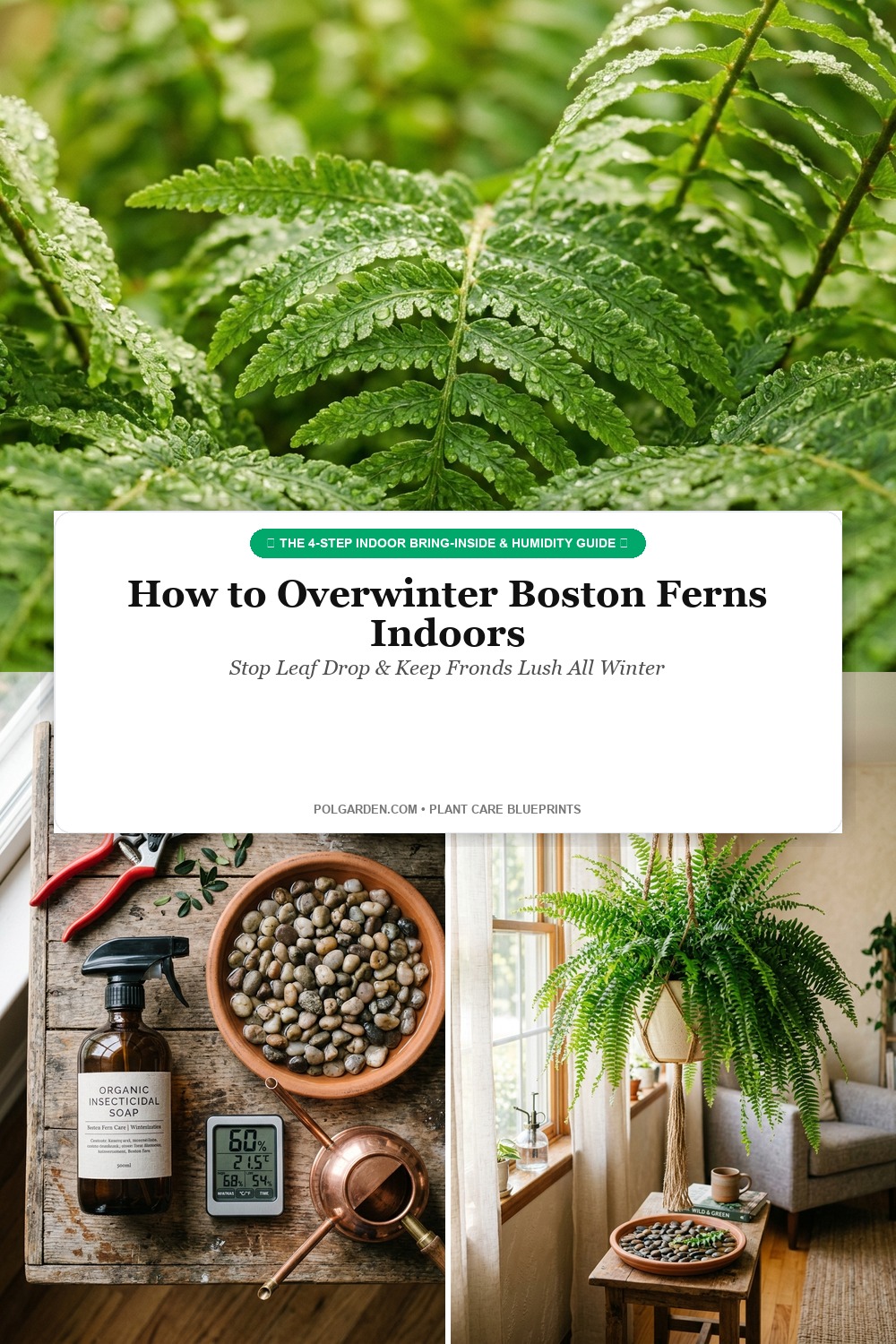
Throughout the warm months of spring and summer, few hanging plants rival the breathtaking, billowy drama of a thriving Boston fern cascading from a shaded front porch or garden arbor. Yet as autumn temperatures slide toward freezing, millions of plant owners face a notorious seasonal nightmare: bringing their lush ferns indoors, only to watch them shed a continuous blizzard of dry, brown leaflets that coat rugs and hardwood floors within days. The secret to successfully overwintering Boston ferns indoors without a single speck of leaf drop lies in understanding that ferns do not undergo deep winter dormancy—they are subtropical rainforest natives that simply panic when plunged into dry indoor furnace air without proper acclimatization and moisture support.
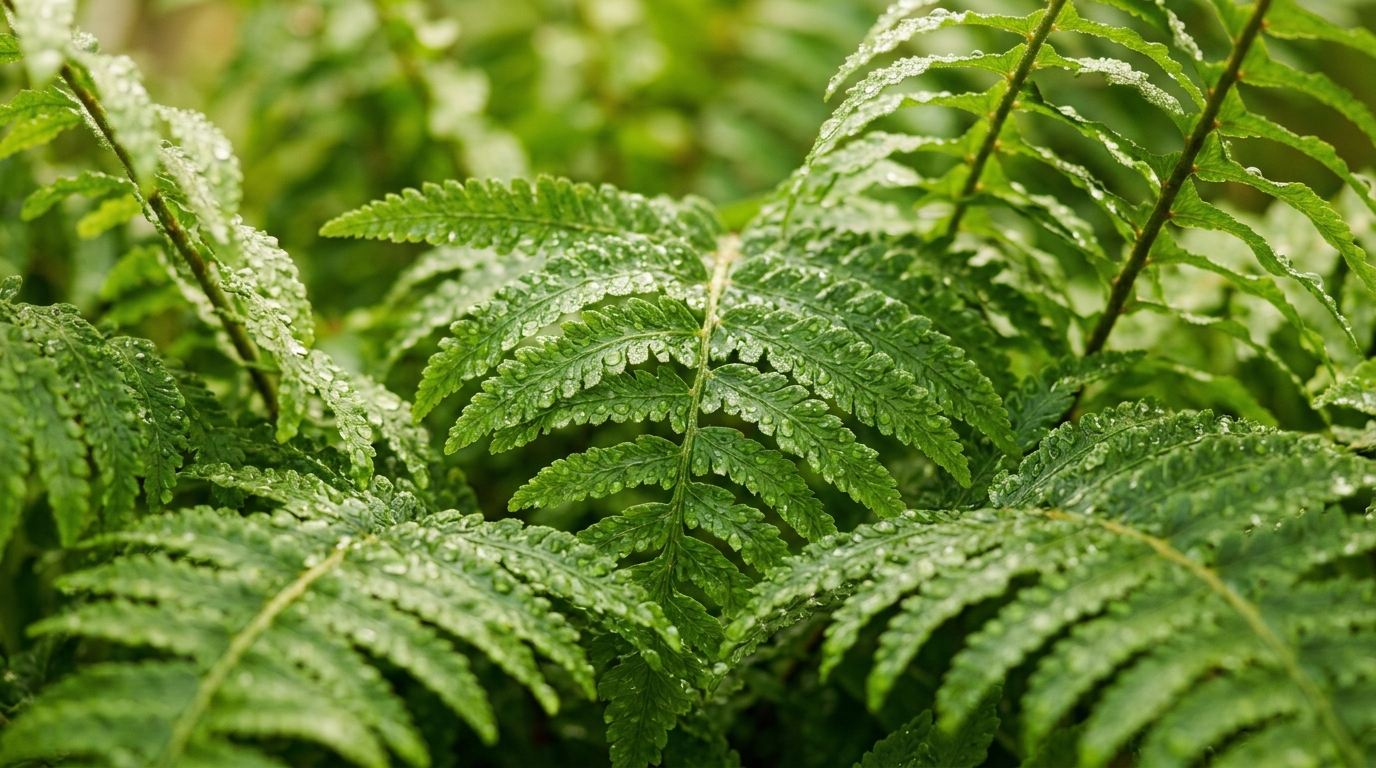
Botanically classified as Nephrolepis exaltata ‘Bostoniensis’, the Boston fern evolved under the dense, dappled canopies of tropical swamps and humid coastal forests in Florida, the West Indies, and Central America. Outdoors in summer, high ambient relative humidity (often 60% to 80%) continually bathes their delicate, feather-like pinnae in life-giving moisture vapor. When you suddenly carry a potted fern indoors in October, heated residential air plunges humidity below 25%—drier than the Sahara Desert. In response to this abrupt environmental shock and reduced daylight, the fern rapidly sheds outer foliage to lower its transpiration demand. By executing a disciplined 4-step autumn transition protocol—featuring a strategic canopy reduction, thorough pest eradication wash, bright filtered positioning, and constant pebble-tray bottom humidity—you can keep your ferns vibrant, green, and completely shed-free all winter long.
Why You’ll Love This Indoor Fern Winterization Protocol
- Zero Leaf Shedding on Floors: Balancing foliar transpiration and ambient humidity eliminates the messy brown leaflet drop that ruins rugs and furniture.
- Complete Pest-Free Transition: A targeted two-stage shower drench dislodges hitchhiking spider mites, scale insects, and fungus gnats before they invade your home.
- Dense, Vibrant Center Growth: Autumn pruning redirects energy into the crown, preserving active green rhizomes that push fresh fronds all winter.
- Effortless Spring Explosion: Plants emerge from winter robust and healthy, instantly ready to fill outdoor hanging baskets weeks ahead of nursery-bought stock.
Key Supplies & Pre-Winter Prep Station

Assemble these essential supplies in early October before evening temperatures fall below 50°F (10°C):
- Sharp Precision Bypass Shears: Scissor-action blades make crisp, clean cuts through woody outer frond bases without ripping delicate crown rhizomes. Clean blades with rubbing alcohol before use.
- Organic Insecticidal Soap & Gentle Castile Wash: Essential for a pre-move foliage shower that dissolves the protective waxy coating of aphids, mealybug crawlers, and spider mites.
- Shallow Humidity Pebble Tray: A wide plastic or terra cotta saucer filled with smooth river pebbles and water, creating a 24/7 localized microclimate of rising humidity beneath hanging or standing pots.
- Digital Thermometer & Hygrometer: Allows you to monitor ambient room humidity and temperature in real time, ensuring your fern stays above the critical 50% humidity threshold.
- Narrow-Spout Indoor Watering Can: Directs water straight into the potting soil without saturating the dense center crown, preventing crown rot in low-light winter months. For complementary moisture practices, review our guide to indoor tropical houseplant winter care.
Step-by-Step Walkthrough to Overwinter Boston Ferns Indoors
1. Step One: Timing & The 30% Pre-Move Canopy Trim: Move your Boston ferns indoors well before the first hard freeze threatens your region. While mature ferns can endure a light chill down to 40°F (4°C), prolonged cold weakens their vascular tissue. When evening forecasts predict 50°F (10°C), begin preparation outdoors. Take sharp pruning shears and trim away all brown, yellowing, or ragged outer fronds right down at the soil line. Then, shorten the remaining outer perimeter foliage by approximately 30%. While this may seem drastic, reducing the fern’s total surface area drastically decreases transpiration stress indoors, allowing the plant to sustain its inner lush canopy without shedding leaflets.
2. Step Two: The Two-Stage Pre-Move Shower & Pest Bath: Over a long summer outdoors, ferns become prime real estate for garden spiders, fungus gnats, mealybugs, and scale insects. Three days before bringing the pot inside, place the fern on an outdoor table or lawn and give the entire plant a thorough, high-volume hose washdown. Invert fronds gently to rinse the undersides where pests congregate. Next, spray the entire plant—fronds, stems, and soil surface—with an organic insecticidal soap spray. Repeat this wash right before carrying the pot inside to ensure zero unwanted pests enter your living quarters.

3. Step Three: Indoor Placement & Strict Draft Isolation: Position your Boston fern in a room that receives plenty of bright, filtered natural daylight. An east-facing window that provides gentle morning sun, or a spot 3 to 5 feet back from an unobstructed south- or west-facing window, is ideal. Never place ferns in direct, scorching winter sun, which bleaches delicate leaflets pale yellow. Crucial Rule: Keep your fern at least 6 feet away from forced-air heating vents, baseboard radiators, space heaters, and drafty exterior doorways. Hot, moving air strips moisture from fronds faster than root hairs can absorb it.
4. Step Four: The “Evenly Moist” Watering & Bottom Humidity Protocol: Winter watering requires a gentle touch. Boston ferns abhor sitting in waterlogged, soggy muck, but allowing the root ball to dry out completely triggers immediate, catastrophic leaflet drop. Test the soil every 3 to 4 days: when the top half-inch feels just slightly dry to the touch, water thoroughly until liquid trickles from the drainage holes. Always discard excess water from the drainage saucer after 20 minutes. Set the pot on a wide pebble tray filled with water (keeping the pot base elevated above the water line) so that continuous water evaporation envelopes the cascading fronds in refreshing humidity. If indoor air remains dry, contrast this method with our protocols for calathea winter humidity care and overwintering citrus trees indoors.
3 Botanist Secrets for Non-Stop Winter Fern Vigor
1. Rely on Pebble Trays and Humidifiers, Never Hand Misting: A common gardening myth advises misting indoor ferns with a spray bottle daily. While well-intentioned, misting elevates humidity for only 10 to 15 minutes before evaporating completely, leaving delicate foliage susceptible to fungal spotting if indoor air circulation is low. Instead, group plants closely together to create a shared transpiration microclimate, place a cool-mist room humidifier nearby, and utilize pebble trays for dependable 24/7 moisture.
2. Completely Suspend Fertilizer Until Early Spring: During the short, dim days of November through February, Boston ferns slow their metabolic processes. Applying chemical fertilizers during this semi-dormant period is dangerous; unused mineral salts accumulate in the root ball, causing chemical root burn that manifests as blackened leaf tips and stunt growth. Stop all feeding in autumn, and resume only in late March with a quarter-strength balanced liquid organic fertilizer.
3. The Cool Basement / Garage Semi-Dormancy Alternative: If you lack the window space or humidity control to maintain a lush fern in your living areas, you can overwinter Boston ferns in a cool, semi-dormant state. Cut the entire frond canopy back to 2 inches above the soil line, and move the container into a cool, frost-free basement, garage, or sunroom that stays between 45°F and 55°F (7°C to 13°C) with minimal light. Water sparingly once every 3 to 4 weeks just to keep the root ball from shriveling completely. In April, bring the pot into warm sunlight, resume regular watering, and watch dozens of fresh fiddleheads emerge within weeks.
Spring Awakening & Outdoor Reintroduction

When spring temperatures reliably warm up, transitioning your fern back outdoors requires care to avoid scorching tender winter foliage:
- Wait for Consistent Warmth: Keep ferns inside until nighttime temperatures consistently remain above 55°F (13°C) and all frost danger has passed.
- Spring Repotting & Root Division: Boston ferns are vigorous growers that often become root-bound over winter. In March or April, unpot the fern and slice the root ball into halves or quarters using a clean serrated knife. Repot each section in fresh, well-draining peat-perlite potting mix for instant new plants.
- The 10-Day Porch Acclimatization: Hang your fern in deep shade on a covered porch or beneath a dense shade tree for the first week outdoors. Gradually move it toward its permanent summer display location. If you encounter common soil gnats during spring repotting, apply our proven remedies for eradicating indoor fungus gnats naturally.
Troubleshooting Common Winter Boston Fern Problems
- Continuous Shower of Dry Brown Leaflets: The quintessential symptom of low ambient humidity and dry heater air. Relocate the plant away from heat vents, place it on a wide pebble tray, and run a cool-mist humidifier.
- Yellowing Fronds with Mushy Stems at Crown Base: Classic crown rot from overwatering or poorly draining soil. Allow the top inch of soil to dry before watering again, and ensure the hanging saucer never holds stagnant water.
- Pale, Stretched-Out Fronds with Widely Spaced Leaflets: Insufficient light. Move the fern closer to an east- or south-facing window, or provide 8 hours of supplemental LED grow light illumination.
- Fine Silky Webbing on Leaflet Undersides: Two-spotted spider mites thriving in warm, arid indoor air. Wash fronds in a lukewarm shower and spray thoroughly with insecticidal soap every 5 days for 3 weeks.
Frequently Asked Questions
Can Boston ferns survive winter outside?
Boston ferns are only cold-hardy outdoors in USDA Plant Hardiness Zones 9 through 11, where temperatures never drop below freezing. In Zones 8 and colder, outdoor ferns will freeze and die unless brought indoors before the first frost.
Should I cut back my Boston fern before bringing it inside?
Yes! Trimming off older, yellowing outer fronds and pruning the canopy back by 20% to 30% reduces the fern’s transpiration demand indoors, dramatically cutting down on unsightly leaflet drop during winter.
How often should I water a Boston fern indoors during winter?
Water your indoor fern whenever the top half-inch of soil feels slightly dry to the touch, typically every 4 to 7 days depending on room temperature and humidity. Always use room-temperature water and never let the pot sit in standing drainage water.
Can I overwinter a Boston fern in an unheated basement or garage?
Yes. If kept between 45°F and 55°F (7°C to 13°C), you can cut fronds back to 2 inches and store the root ball in semi-dormancy, watering lightly once a month until spring awakening.
Save This Winter Garden Guide for Later
Love this guide? Save this pin to your Pinterest indoor plants, houseplant care, patio gardening, or winter plant protection board so you have the 4-step fern winter care routine ready whenever temperatures drop!