
Few sensory pleasures match the intoxicating fragrance, silvery foliage, and vibrant purple blooms of a flourishing lavender shrub anchoring a summer garden border. Yet when autumn temperatures tumble toward freezing, millions of garden lovers make fatal mistakes that turn aromatic bushes into dead, blackened skeletons by early spring. The secret to successfully overwintering lavender lies in a surprising botanical fact: lavender plants rarely die from sub-zero cold alone—they perish from winter waterlogging, suffocating organic mulches, harsh desiccating winds, and improper late-season pruning into ancient woody stems.
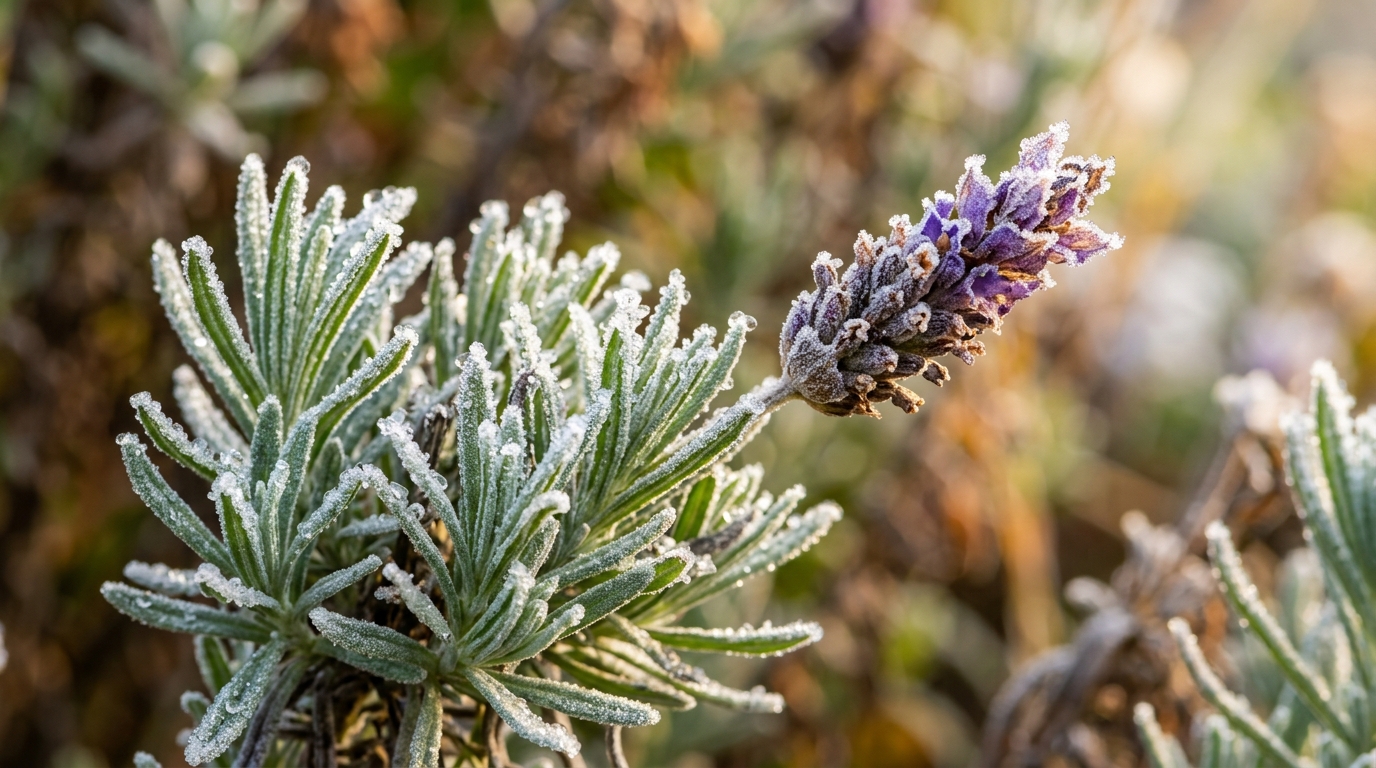
Native to the sun-drenched, rocky, limestone hillsides of the Mediterranean basin, lavender species are physiologically built for poor, fast-draining soils and arid winter dormancy. However, not all lavender varieties share the same cold-tolerance genetics. English lavender (Lavandula angustifolia) and hybrid Lavandins (Lavandula x intermedia, such as ‘Grosso’ and ‘Provence’) are true cold warriors, reliably hardy down to USDA Zone 5 (-15°F to -20°F / -26°C to -29°C) when provided with crisp drainage. Conversely, French fringed lavender (Lavandula dentata) and Spanish butterfly lavender (Lavandula stoechas) are tender Mediterranean perennials that suffer irreversible cell damage whenever temperatures dip below 20°F (-7°C). By tailoring your autumn defense strategy to your specific variety and soil conditions, you can safeguard your shrubs against freeze-thaw heaving, winter burn, and root rot.
Why You’ll Love This Winterization Protocol
- Zero Crown-Rot Mortality: Replacing moisture-retaining wood chips with breathable mineral pea gravel eliminates the wet, fungal crown rot responsible for 80% of winter losses.
- Prevention of Woody “Legginess”: A precise late-autumn dome trim prevents heavy snow loads from splitting the shrub’s center while preserving vital dormant regenerative nodes.
- Freeze-Desiccation Immunity: Protective burlap windbreaks shield evergreen leaves from icy gusts that pull moisture from foliage when frozen roots cannot replenish it.
- Container Root Protection: Step-by-step insulation rules prevent potted lavender roots from freezing through vulnerable container sidewalls.
Key Supplies & Pre-Winter Prep Station

Assemble these essential garden supplies in early autumn before the first hard ground-freeze locks up your garden beds:
- Clean Pea Gravel or Crushed Granite Mulch: Inert 1/4-inch to 3/8-inch mineral gravel is the gold standard for Mediterranean herbs. It reflects winter sunlight, keeps the root crown bone-dry, and discourages fungal spores.
- Sharp Bypass Hand Pruners: Scissor-action blades make razor-clean cuts through soft green stems without crushing delicate vascular tissue. Clean blades with rubbing alcohol before starting.
- Breathable Natural Burlap or Horticultural Fleece: Open-weave natural jute or 1.5 oz frost fabric that blocks gale-force winds while allowing full moisture vapor exchange.
- Stout Wooden Stakes (24 to 36 inches): Untreated cedar or hardwood garden stakes to anchor freestanding windbreak screens away from evergreen branches.
- Evergreen Conifer Boughs: Discarded pine, fir, or spruce branches to create light, airy frost blankets over low-growing shrubs in regions with unpredictable snow cover. Similar to protecting winter garden roses with burlap, breathable wind barriers are crucial.
Step-by-Step Autumn Walkthrough to Overwinter Lavender
1. Step One: The Autumn Light Dome Prune (Late September to Mid-October): Pruning lavender late in the year requires surgical precision. After the final summer flowers fade, use sharp bypass pruners to shear off all spent flower stalks and trim back approximately one-third of the green, leafy stem growth. Shape the plant into a tight, rounded mound or dome. The rounded contour deflects heavy winter snowfall and prevents snowdrifts from flattening and splitting the shrub’s core. Crucial Law: NEVER cut back into the thick, leafless, brown woody base! Old lavender wood contains very few latent buds and will almost never push new growth if cut back in autumn.
2. Step Two: Install a 2-Inch Mineral Pea-Gravel Collar: Rake away all fallen autumn tree leaves, wet organic debris, and decomposing mulch from the base of the plant. Damp deciduous leaves pack down around the crown, trapping freezing moisture that suffocates the plant. Spread a 2- to 3-inch layer of clean pea gravel, pumice, or coarse granite chips in a 12-inch radius around the stem base. The stone collar acts as an impenetrable drainage buffer, preventing soil splash, deterring rodents, and elevating the vulnerable crown above melting winter slush.

3. Step Three: Erect a Freestanding Burlap Windbreak: In open, exposed garden locations where dry winter winds howl from the north and west, erect a windbreak shield. Drive 2 to 3 wooden stakes into the ground 6 inches outside the drip line of the shrub, and staple natural burlap between them to create a 2-foot-tall fabric wall. The screen defuses wind velocity by 70%, preventing winter foliage scorch (desiccation). Never wrap burlap tightly like a mummy around the plant, as direct contact creates friction, traps snow, and causes mold.
4. Step Four: Overwintering Potted Lavender (The 3-Zone Rule): Soil in containers freezes from the outside in, exposing delicate roots to sub-freezing temperatures weeks before in-ground plants. In USDA Zones 7 and warmer, insulate the pot by wrapping the exterior in bubble wrap or burlap, and push it against a south-facing exterior wall. In Zones 5 and 6, move potted English lavender into an unheated garage, shed, or cold frame after the first light frost. Potted Spanish and French lavenders must be brought indoors to a sunny, unheated room or cool windowsill and watered sparingly once every 3 to 4 weeks. For companion herb winter care, review our protocol for overwintering potted rosemary plants.
3 Botanist Secrets for Non-Stop Lavender Survival
1. Never Apply Organic Bark or Shredded Leaf Mulch: Standard wood chip mulches and shredded leaves are garden gold for moisture-loving perennials, but they are an absolute death sentence for lavender in winter. Wood mulches act like water-holding sponges, creating cool, soggy, acidic conditions that trigger root-rot pathogens like Phytophthora and Rhizoctonia within weeks.
2. The Late-October Deep Hydration Drink: In mid-to-late October—approximately 2 weeks before the ground freezes solid—give your lavender shrubs a slow, deep soaking at the soil line. Full, turgid plant cells containing adequate water pressure withstand freezing temperatures significantly better than desiccated, limp cells. Once the soil freezes solid, discontinue all supplemental watering for the winter.
3. Natural Snow is Nature’s Best Insulation Blanket: Clean, fluffy snowfall is the finest winter insulator available, containing up to 90% trapped air and holding soil temperatures near 32°F (0°C) even when air temperatures plunge to -10°F (-23°C). If your area receives heavy snow, gently brush away only excess heavy, wet slush that threatens to snap branches, but leave fluffy snow blankets undisturbed over your gravel-mulched crowns.
Spring Unveiling & Early Season Care

When late winter transitions into early spring, resist the temptation to immediately prune away gray, tired-looking foliage. Follow this phased spring awakening routine:
- Dismantle Windbreaks in Early Spring: Once nighttime temperatures consistently stay above 35°F (2°C) and hard freezes subside, remove burlap screens to restore full 360-degree air circulation.
- Wait for Green Shoots Before Pruning: Lavender is notoriously slow to break winter dormancy. What appears dead and brittle in March will often push vibrant green growth by late April or early May. Wait until new green shoots emerge from the lower stems before trimming off winter-damaged tips.
- Pair with Spring Companions: As the lavender awakens, enhance the border with spring-flowering companions by following our blueprints for designing layered perennial flower beds and planting fall bulbs for vibrant spring blooms.
Troubleshooting Common Winter Lavender Problems
- Blackened, Mushy Stems at Ground Level: The classic sign of crown rot caused by standing water or organic mulch. Improve bed slope, incorporate grit, and replace organic mulches with coarse gravel.
- Branches Split Down the Middle: Snow load damage caused by flat-topped shrubs. Always prune lavender into a domed or rounded half-sphere in autumn so snow slides off naturally.
- Bleached, Straw-Like Foliage on One Side: Severe windburn caused by cold, dry winds desiccating evergreen leaves while roots were frozen. Erect a burlap windbreak on the windward side next fall.
Frequently Asked Questions
Can lavender survive winter in pots outside?
English lavender can survive outside in containers in USDA Zone 7 and above if the pot is insulated or buried in the garden. In Zones 5 and 6, container soil freezes completely solid, killing root systems unless moved into an unheated garage or cold frame.
When is it too late to prune lavender in the fall?
Avoid pruning lavender within 4 to 6 weeks of your first expected hard freeze. Pruning too late can stimulate tender new green growth that freezes and damages the crown. If you miss the autumn window, wait until mid-spring when new growth resumes.
Can I use straw to insulate lavender in winter?
No. Straw, hay, and fallen leaves trap excessive moisture around the base of the stems, creating an ideal breeding ground for crown rot and fungal diseases. Use airy pine evergreen boughs or clean pea gravel instead.
What is the hardiest lavender variety for cold winters?
English lavender cultivars like ‘Munstead’ and ‘Hidcote’ are exceptionally cold-hardy, surviving temperatures down to USDA Zone 5 (-20°F / -29°C) with proper drainage and wind protection.
Save This Winter Garden Guide for Later
Love this guide? Save this pin to your Pinterest gardening, herb garden, or winter landscaping board so you have the 4-step cold protection schedule ready whenever frost threatens!