
Rising like feathery violet fireworks above prairie grasslands and cottage borders, Liatris spicata—affectionately celebrated as Blazing Star or Gayfeather—is one of the most distinctive native North American perennials in cultivation. Unlike nearly every other spike-flowering perennial in the garden, Liatris blooms from the top down, unfurling rich magenta-purple or pure white bottlebrush tufts that nourish monarch butterflies and bumblebees well into early autumn. Yet, as frosts crisp the foliage and seedheads turn tawny brown, gardeners face critical overwintering choices. Because Liatris anchors itself via fleshy underground corms rather than deep woody taproots, missteps with autumn moisture, soggy mulch blankets, or premature shears can trigger catastrophic corm rot before spring arrives.
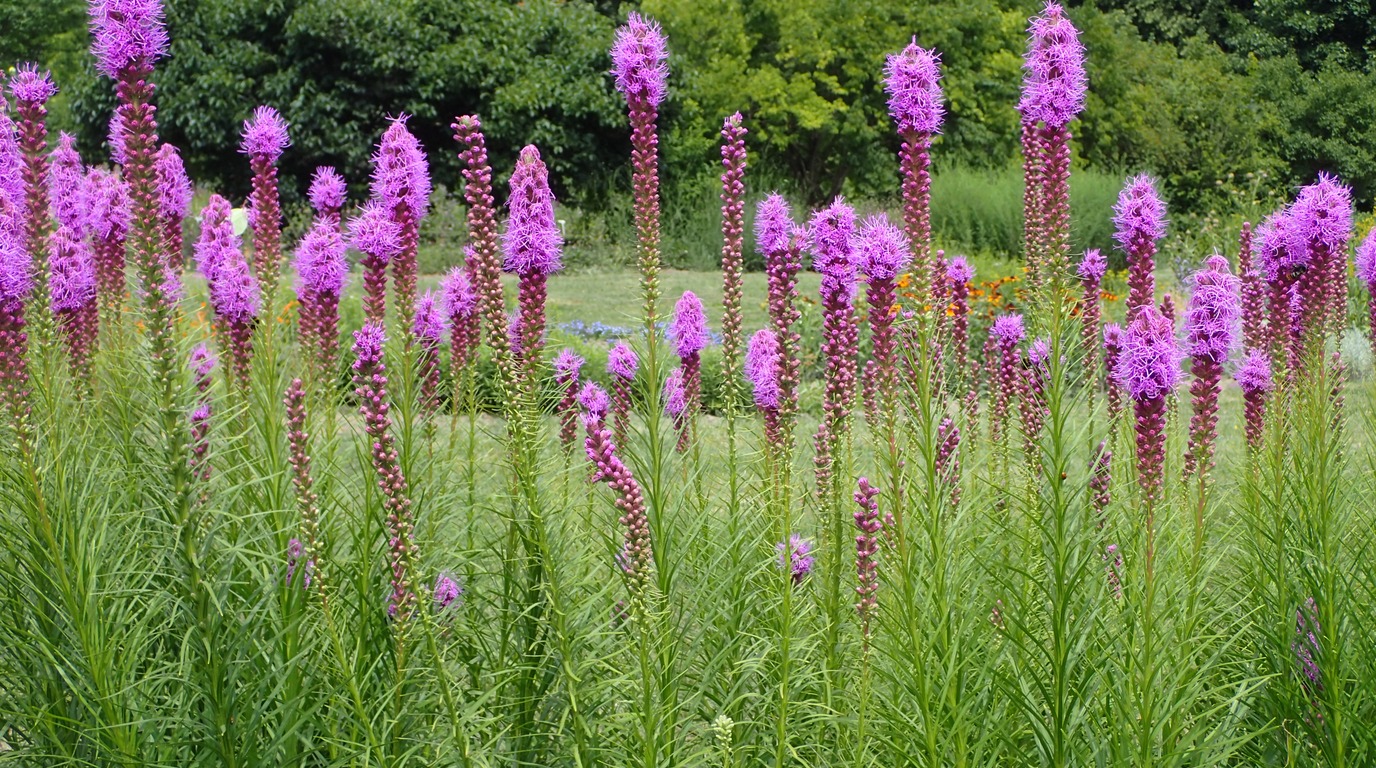
Endemic to eastern North American prairies and damp meadows, Liatris is exceptionally cold-hardy, shrugging off sub-zero winter chills across USDA Hardiness Zones 3 through 9 with ease. However, there is a fundamental distinction between prairie cold tolerance and backyard winter survival: heavy, poorly drained clay soil. Liatris stores its vital starches inside flattened, woody underground corms nestled just beneath the soil line. When saturated with relentless winter rains, slush, and freezing standing water, these dormant corms quickly succumb to fungal water-molds. Balancing autumn sanitation with winter seedhead preservation—while strictly installing mineral drainage collars—guarantees your Blazing Star crowns re-emerge bigger and more floriferous each subsequent summer.
Why Liatris is an Indispensable Prairie Powerhouse
- Top-Down Architectural Blooming Spikes: Its reverse bloom habit provides months of vertical structure, holding towering 3- to 5-foot flower wands without requiring staking.
- Vital Wildlife & Goldfinch Oasis: Faded late-autumn seedheads supply high-calorie nutrition for American goldfinches, chickadees, and overwintering songbirds during scarce winter months.
- Drought & Clay Adaptability: Once rooted alongside drought-resistant garden plants, mature corms survive intense summer heat and dry spells effortlessly.
- Unmatched Cold Hardiness: True cold hardiness down to -40°F (USDA Zone 3) makes Liatris a zero-fuss stalwart in tough northern landscapes.
Key Liatris Winterizing Supplies & Mulch Smart Swaps

- Sharp Bypass Hand Pruners: Scissor-action blades sever tough fibrous autumn stalks cleanly without pulling or dislodging the shallow underground corms.
- Coarse Pea Gravel or Sharp Grit: Swap heavy, moisture-trapping bark mulch for sharp mineral gravel to shed winter rain directly away from the crown collar.
- Airy Pine Straw or Evergreen Boughs: If light thermal shading is needed in wind-swept areas, loose pine needles prevent soil heaving without compressing into a wet, rotting mat.
- Waterproof Spring Location Stakes: Because Liatris dies down completely below the soil in winter and emerges late in spring, permanent markers prevent accidental shovel damage during early spring bed cleanup.
Step-by-Step Autumn & Winter Care Walkthrough for Liatris
1. Decide: Autumn Cutback vs. Songbird Winter Seedheads: If you value winter garden interest and support local wildlife, leave the spent flower spikes standing until late winter; goldfinches will feast on the seeds. Alternatively, if your garden suffered from rust or fungal powdery mildew, or if you prefer tidy borders, cut the stalks back in late autumn after hard frost kills the foliage.
2. Prune Stems to 2 to 3 Inches Above Ground: When cutting back, snip each stalk roughly 2 to 3 inches above the soil line using sanitized bypass pruners. Leaving this short stem stub serves two purposes: it marks the corm’s exact location and prevents cutting into the sensitive upper surface of the underground corm.

3. Clear Wet Deciduous Leaves: Gently rake away matted, wet tree leaves from over the corms. Thick blankets of rotting maple or oak foliage hold icy moisture against the soil surface, suffocating the dormant corms beneath.
4. Apply a 1-Inch Mineral Drainage Collar: Spread a 1-inch layer of clean pea gravel, pumice, or sharp horticultural sand directly over the crown zone. In severe northern regions (USDA Zones 3–5) subject to bare-ground freezes, add a 2-inch blanket of loose pine needles once the soil has frozen solid to guard against frost heaving, mirroring the protective techniques in how to winterize Balloon Flowers.
3 Horticulturist Secrets for Flawless Liatris Overwintering
1. Guard Corms Against Winter Waterlogging: Cold temperatures do not kill Liatris—winter wet does. If your garden has dense clay soil, plant Liatris on slight berms, raised mounds, or gravel rockeries. Water must never pool around corms when winter snow melts, a fundamental rule shared when winterizing Siberian Iris.
2. Beware of Frost Heaving in First-Year Plantings: Because Liatris corms sit relatively shallowly (only 1 to 2 inches below the surface), repeated freeze-and-thaw cycles can push young corms right up onto the surface, exposing them to freezing winds. Applying pine boughs or a light gravel weight keeps soil temperatures stable and prevents root displacement, similar to protocols in winterizing Gaillardia.
3. Divide Overcrowded Corm Clumps in Autumn: Every 3 to 4 years, Liatris corms multiply into congested underground clusters. In early autumn, carefully lift the clump with a spading fork, tease the marble-sized corms apart, and replant the largest corms 2 inches deep and 12 inches apart in well-draining soil.
What to Pair with Liatris in Autumn & Winter Prairie Beds

- Penstemon (Beardtongue): Complementing Liatris with bronze-purple foliage and pollinator appeal, Beardtongue shares the exact same gravel drainage requirements explored in how to winterize Penstemon.
- Dianthus (Garden Pinks): Low-growing evergreen mats of silver-blue foliage provide a permanent underplanting collar beneath tall Liatris wands, as detailed in our guide on winterizing Dianthus.
- Purple Coneflower (Echinacea) & Black-Eyed Susan: Classic prairie companions that produce seedheads creating a dramatic, textured winter wildlife buffet alongside dormant Liatris.
Container Overwintering & Spring Wake-Up Routine
- Overwintering Potted Liatris: Corms in planters are vulnerable to extreme freeze-thaw fluctuations. Move pots into an unheated garage, tool shed, or sheltered basement once top growth dies back. Keep the potting mix barely moist—never soaking wet.
- Late Spring Patience: Liatris is notoriously slow to emerge in spring, often waiting until mid-to-late May when soil temperatures warm thoroughly. Do not dig up the area assuming the plant has died; mark your spots in autumn!
- Spring Uncovering: Remove pine straw or evergreen branch covers in early spring as daytime temperatures rise above 45°F (7°C) to allow spring sunshine to warm the corm zone.
Frequently Asked Questions
Should I cut back Liatris in the fall or spring?
You can cut Liatris back to 2–3 inches in late autumn after frost turns the foliage brown, or you can leave the dry seedhead spires standing all winter to provide food for wild birds. If your plant suffered from fungal leaf spot during summer, cut it back in fall to eliminate overwintering spores.
Do Liatris corms survive the winter in the ground?
Yes, Liatris corms are fully cold-hardy down to USDA Zone 3 (-40°F) and should remain in the ground year-round in zones 3 through 9. They only need digging and storing indoors if planted in soggy, waterlogged soil that cannot drain properly in winter.
What is the best mulch for Liatris during winter?
Clean pea gravel or coarse horticultural grit is the best winter mulch for Liatris corms because it allows immediate moisture drainage while keeping the soil aerated. In extremely cold northern regions, a light blanket of pine needles or evergreen boughs provides ideal, breathable winter protection.
Pin This Liatris Winterizing Guide for Later
Protect your Blazing Star corms! Save this pin to your Pinterest gardening board so you have these essential cutback rules, corm rot prevention steps, and winter drainage tips ready for autumn!
