
Few cottage garden perennials enchant the senses quite like Dianthus, affectionately celebrated by generations of gardeners as Garden Pinks, Sweet William, or Carnations. Renowned for their fringed, spicy clove-scented blossoms and dense, glaucous blue-grey foliage mats, they form structural evergreen cushions along stone borders and sunny rockeries. Yet, as autumn temperatures plummet toward winter freezes, well-intentioned gardeners routinely commit the single most fatal blunder in Dianthus cultivation: treating them like herbaceous perennials and shearing their foliage cushions down to the mud. Safeguarding your fragrant pinks through severe winter months demands an understanding of their semi-evergreen constitution, sharp mineral drainage, and crown rot prevention.
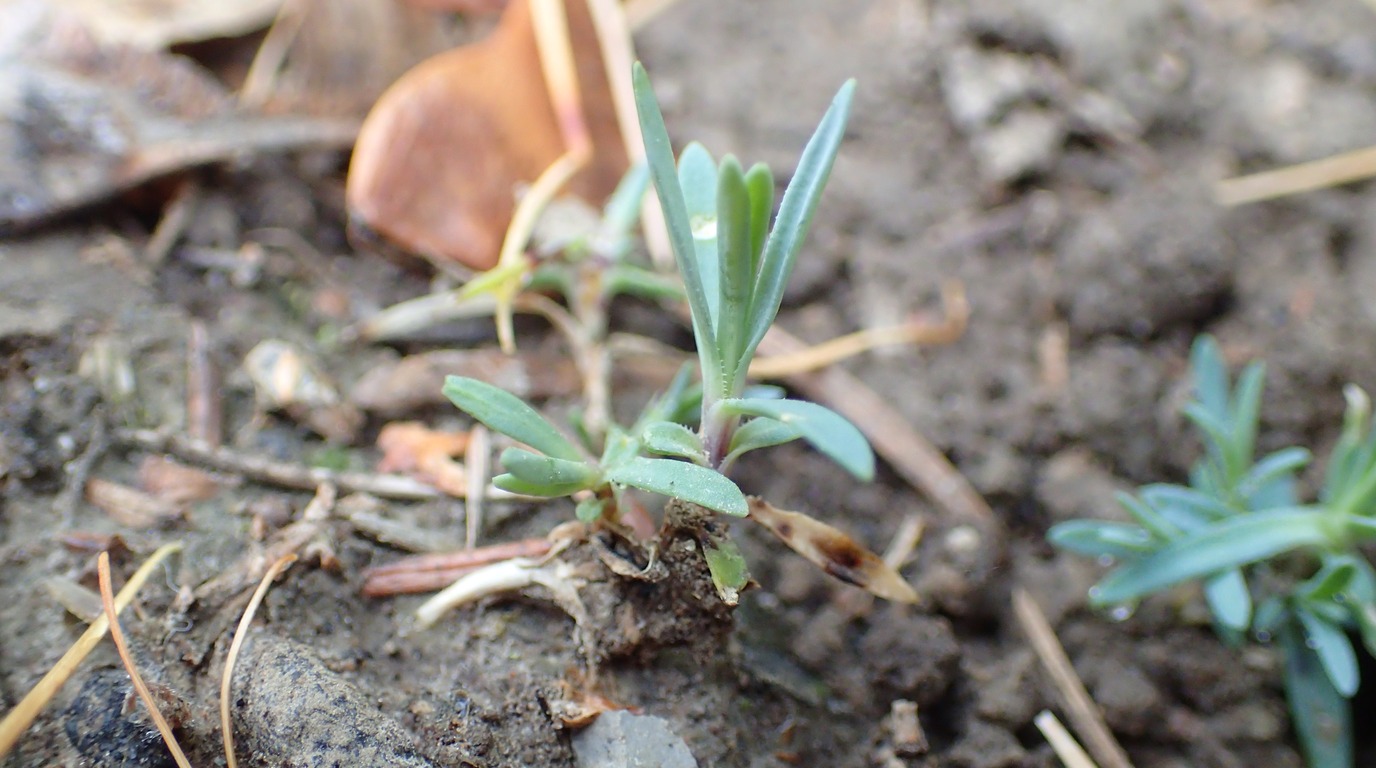
Hailing from sunny, gravelly European screes and Mediterranean limestone banks, true perennial Dianthus species (such as Dianthus gratianopolitanus and Dianthus plumarius) are remarkably cold hardy across USDA Zones 3 through 9. Unlike hostas or peonies whose top growth collapses naturally into seasonal dormancy, Dianthus maintains a living carpet of wiry, semi-woody stems and evergreen leaf rosettes throughout the winter. When clipped hard to the ground in autumn, the exposed woody crown is stripped of its photosynthetic insulation and exposed to freezing winds. Furthermore, moisture-retentive organic mulches trap ice against the crown, causing catastrophic fungal rot within weeks. A balanced winterizing approach prioritizes gentle sanitation and breathable gravel collars.
Why Dianthus Remains an Invaluable Garden Staple
- Year-Round Blue-Grey Foliage Carpet: The glaucous, needle-like leaves resist winter discoloration, providing ornamental steel-blue architectural contrast against white snow.
- Unmatched Clove-Spiced Fragrance: Few flowers rival the warm, nostalgic clove perfume that drifts from mature pink and crimson bloom cushions in late spring and autumn.
- Superb Heat and Drought Fortitude: Once established alongside drought-resistant garden plants, Dianthus demands zero pampering and thrives in rocky, lean garden beds.
- Deer and Rodent Resistance: The spicy essential oils within Dianthus foliage deter rabbits and foraging deer that decimate softer winter greenery.
Key Winterizing Supplies & Mulch Smart Swaps

- Precision Deadheading Snips: Narrow, sharp bypass floral pruners allow you to snip faded late-season flower stalks without shearing the underlying evergreen foliage mat.
- Coarse Pea Gravel or Horticultural Grit: Swap moisture-trapping shredded wood chips for sharp mineral gravel to elevate trailing stems above damp soil.
- Airy Evergreen Boughs or Pine Straw: Loose, needle-thin boughs provide crucial shade against winter sun scald without compacting wet snow onto the rosette crown.
- Crushed Agricultural Lime: A light dusting of agricultural limestone around the root zone buffers acidic winter rains, catering to Dianthus’s natural preference for neutral to slightly alkaline soil.
Step-by-Step Winter Care Walkthrough for Garden Pinks
1. Deadhead Faded Autumn Flower Spikes: In mid-to-late autumn, trace each spent flower stem back to where it emerges from the main foliage cushion. Snip the withered stalks cleanly away. Removing old seedheads directs the plant’s reserves toward winter root resilience while keeping the mat tidy.
2. Preserve the Living Blue-Grey Foliage Cushion: Never cut back the dense evergreen foliage mat. Only prune away visibly brown, dead, or diseased stems. The healthy blue-grey leaves are essential for winter carbohydrate storage and protect the plant’s crown against frostbite.

3. Install a 1-Inch Mineral Drainage Collar: Carefully lift the trailing edges of the Dianthus mat and tuck a 1-inch layer of clean pea gravel or coarse crushed pumice directly beneath the lower stems. This mineral collar creates a rapid-draining barrier, ensuring trailing leaves never rest directly on soggy winter soil, mirroring methods used when learning how to winterize Sempervivum.
4. Lay Evergreen Boughs After Ground Freeze: In regions with harsh, snowless winters (USDA Zones 3 through 6), wait until the top inch of garden soil freezes solid. Then lay cut pine or spruce branches loosely over the Dianthus clumps. This protective screen filters desiccating winter sun while allowing air to circulate freely.
3 Horticulturist Secrets for Flawless Dianthus Winter Survival
1. Never Smother Evergreen Foliage Under Heavy Leaf Mulch: Well-meaning gardeners often rake autumn tree leaves directly over perennial beds. For Dianthus, this is fatal. Decaying tree leaves trap moisture and exclude oxygen, causing crown rot and fungal leaf blight within weeks. Keep all deciduous leaves raked cleanly away from Dianthus mats.
2. Guard Against Freeze-Thaw Root Heaving: Dianthus has a shallow, fibrous root network. In heavy clay soils subject to repetitive winter freezing and thawing, clumps can heave out of the ground, exposing fragile roots to desiccating winds. Inspect beds during mid-winter thaws; if a clump has lifted, gently press it back into the soil and weigh down surrounding soil with gravel, similar to protocols in winterizing creeping Phlox.
3. Save Major Rejuvenation Pruning for Early Spring: If your Dianthus has grown leggy or woody in the center, resist the temptation to renovate it in autumn. Wait until mid-spring when fresh green shoots emerge along the woody stems, then trim back the clump by one-third to stimulate dense, compact flowering growth.
What to Pair with Dianthus in Autumn & Winter Rockeries

- Creeping Thyme & Rockery Stonecrops: Sharing an identical passion for full sun and gravelly drainage, creeping herbs form seamless low-water groundcovers framing Dianthus ribbons.
- Lavender (Lavandula) & Bluebeard: Mediterranean sub-shrubs provide silver-grey architectural foliage that complements the cool tones of Dianthus alongside our care guide on winterizing Caryopteris.
- Shasta Daisies & Cottage Perennials: Compact Dianthus forms the perfect low-profile flowering apron in front of taller cottage favorites managed under winterizing Shasta Daisies.
Container Overwintering & Spring Re-emergence
- Overwintering Potted Dianthus: Planters and hanging baskets freeze solid much faster than garden soil. Move potted Dianthus into an unheated garage or protected covered porch once dormant. Provide a light sip of water once a month to prevent root desiccation.
- Spring Uncovering Routine: As snowpacks melt and daytime temperatures consistently exceed 45°F (7°C), remove evergreen boughs to expose the blue-grey foliage to warming spring sunshine.
- Early Season Feeding: Top-dress the base with a thin layer of compost and a dusting of bone meal in mid-spring to fuel prolific clove-scented flower buds.
Frequently Asked Questions
Should I cut back Dianthus to the ground in the fall?
No, you should never cut Dianthus down to the ground in autumn. Dianthus is an evergreen or semi-evergreen perennial that relies on its blue-grey foliage cushion for winter insulation. Only deadhead spent flower stalks and remove damaged stems; save any shaping cuts for mid-spring.
Can Dianthus survive freezing winter weather outdoors?
Yes, most perennial Dianthus varieties are cold hardy down to USDA Zone 3 or 4 (-30°F to -40°F). Their primary enemy during winter is not freezing temperatures, but soggy, poorly drained soil and suffocating wet mulch around the crown.
Why did my Dianthus turn brown and mushy over the winter?
Mushy, rotted foliage is almost always caused by excessive winter moisture, poorly drained clay soil, or heavy leaves matted over the crown. Surrounding the clump with coarse pea gravel and ensuring rapid drainage prevents this condition.
Pin This Dianthus Winterizing Guide for Later
Protect your fragrant garden pinks! Save this pin to your Pinterest gardening board so you have these essential evergreen pruning rules and crown protection tips ready for autumn!
