
When winter frost blankets the perennial border, few rockery inhabitants exhibit the geometric perfection and steely fortitude of Sempervivum, commonly celebrated as Hens and Chicks. These extraordinary alpine succulents boast an innate cold tolerance capable of weathering sub-zero freezes down to USDA Zone 3. Yet, cold temperature is almost never the adversary that claims these architectural rosettes during the dormant season; rather, trapped winter moisture, soggy crown debris, and poorly drained container soil form the silent trio that precipitates catastrophic rot. Safeguarding your hens and their prolific cluster of chicks demands a calculated transition toward sharp horticultural drainage and strategic crown ventilation.
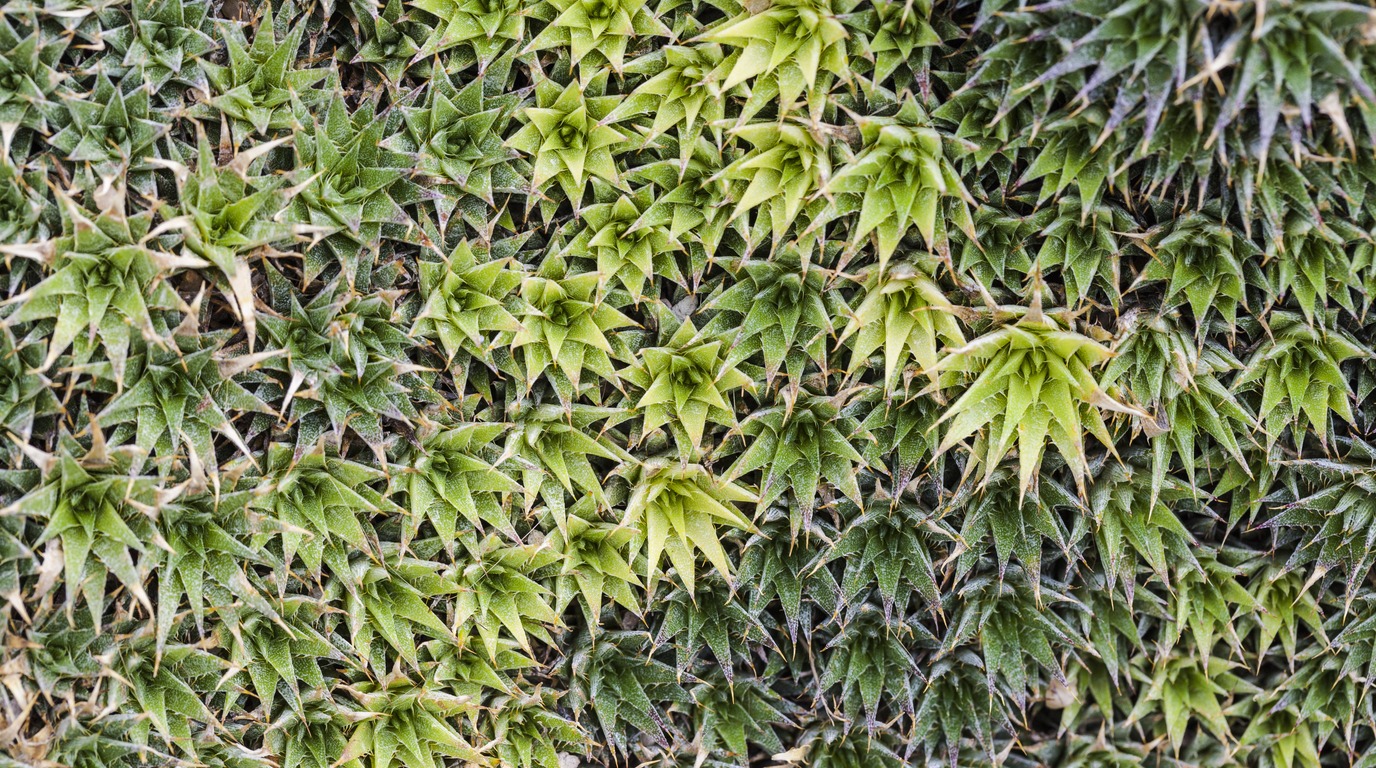
Native to craggy European alpine slopes and gravelly scree beds, Sempervivum species thrive on environmental austerity. Their plump, fleshy leaves operate via Crassulacean Acid Metabolism (CAM), allowing them to store essential moisture while sealing their stomata against desiccation and freezing wind. However, this evolutionary adaptation leaves their dense basal foliage exceptionally susceptible to fungal pathogen invasion when persistent winter slush or compacted wet soil envelopes the root flare. By implementing targeted winterization methods—chiefly swapping moisture-retentive organic mulches for coarse mineral grit and elevating container specimens—you ensure your rosettes emerge in spring with vibrant burgundy hues and vigorous new offsets.
Why You’ll Value Sempervivum in the Winter Landscape
- Unrivaled Alpine Hardiness: Unlike tender indoor succulents, true Hens and Chicks comfortably survive extreme winter lows down to -30°F (-34°C) without demanding artificial heating or greenhouse shelters.
- Dramatic Winter Foliage Color Shifts: Cold seasonal drops trigger anthocyanin production within the foliage, deepening bright summer greens into breathtaking mahogany, amethyst, and plum-red rosettes.
- Effortless Water Independence: Once established in gravel beds alongside drought-resistant garden plants, they require zero supplemental irrigation throughout the entire late autumn and winter seasons.
- Perpetual Colony Regeneration: Each mother “hen” continuously produces stolons supporting juvenile “chicks,” forming resilient ground-hugging colonies that outcompete early spring weed establishment.
Key Winterizing Supplies & Soil Drainage Smart Swaps

- Coarse Horticultural Grit or Pea Gravel: The gold standard for succulent winter collars. Unlike shredded wood chips, sharp granite grit repels moisture away from the crown while preventing frost heave.
- Unglazed Terra-Cotta or Concrete Planters: When growing in containers, porous clay allows moisture to evaporate laterally through the pot walls, unlike glazed ceramic or plastic that traps icy puddles.
- Terra-Cotta Pot Feet or Risers: Essential elevators that suspend patio containers at least one inch above pavers to prevent frozen drainage holes from creating anaerobic slush pockets.
- Sterilized Precision Snips: Slender horticultural shears permit clean extraction of withered autumn foliage without bruising neighboring juvenile offsets or loosening fragile fibrous roots in poor soil conditions.
Step-by-Step Winter Care Walkthrough for Hens & Chicks
1. Clear Decayed Basal Foliage: In late autumn before the ground freezes solid, inspect each rosette cluster. Gently reach beneath the lower leaf tiers with sterilized tweezers or slender shears to remove dead, soggy, or blackening leaves. Decomposing organic matter acts as a damp sponge that harbors botrytis and fungal rot during prolonged winter rains.
2. Install the Breathable Gravel Collar: Pour a 1-inch layer of clean pea gravel, coarse crushed pumice, or granite grit directly around the base of each rosette, nestling the stones right up beneath the lower foliage. This mineral barrier ensures the fleshy leaves rest on dry, rapid-draining stone rather than bare, damp topsoil.

3. Relocate and Elevate Potted Containers: For outdoor potted specimens, shift containers to an area shielded from torrential winter downpours, such as under the eaves of your house, beneath a covered porch, or along a south-facing exterior foundation wall. Place terra-cotta feet beneath every pot to ensure drainage apertures remain completely unobstructed.
4. Cease All Fertilization and Supplemental Watering: Stop all feeding by mid-autumn. Excess nitrogen triggers soft, water-bloated foliage that ruptures during early frost events. Once natural autumn rainfall tapers off, allow outdoor beds to dry naturally; dormant alpine succulents require virtually zero hydration through freezing months.
3 Horticulturist Secrets for Flawless Winter Succulent Survival
1. Snow Is a Natural Insulator, Ice Slush Is Fatal: Never scrape a thick blanket of fluffy, natural dry snow off your in-ground Sempervivum rock gardens. Fresh snow serves as an outstanding natural insulating blanket that maintains the soil near 32°F (0°C), protecting roots against sub-zero polar blasts. Only intervene if heavy rain followed by hard freeze turns the snowpack into a dense, airless ice slab.
2. Never Protect with Wood Chips or Heavy Organic Mulch: Well-meaning gardeners often mulch rockery succulents with shredded bark, autumn leaves, or straw. For Sempervivum, this is a fatal mistake. Organic mulches retain water against the rosette crown, causing fungal rot within weeks. Stick strictly to mineral mulches like coarse pumice, lava rock, or limestone chips, similar to the protocols used when learning how to winterize Bergenia and hardy evergreen perennials.
3. Keep Container Soil on the Verge of Parched: If overwintering potted Hens and Chicks under covered patios or unheated breezeways, give them just enough moisture once every 4 to 6 weeks to keep roots from completely desiccating. Wrinkled, slightly puckered leaves in winter are entirely normal and desirable—they indicate concentrated sap that acts as internal botanical antifreeze.
What to Pair with Sempervivum in Winter Rock Gardens

- Hardy Creeping Sedums (Stonecrop): Varieties like Sedum spurium and Sedum reflexum share identical sharp drainage preferences and display contrasting russet and golden winter hues.
- Dwarf Conifers & Alpine Evergreens: Slow-growing Mugo pines and dwarf blue spruces provide vertical, evergreen structure that frames low-profile succulent carpets in rockery beds.
- Hypertufa Troughs & Stone Retaining Walls: Planting Hens and Chicks into vertical crevices of stone walls or porous hypertufa containers guarantees immediate water runoff and prevents root saturation, creating a breathtaking tableau alongside hardy outdoor succulents.
Winter Container Protection & Spring Re-emergence
- Container Freeze Protection: In regions colder than USDA Zone 5, wrap delicate ceramic or thin plastic pots with insulating burlap or bubble wrap to prevent container cracking from repetitive soil freeze-thaw cycles. Alternatively, sink plastic nursery containers directly into the ground up to their rims for winter root protection.
- Unheated Outbuildings: If winter rains are unrelenting in your climate, overwinter pots inside an unheated greenhouse, garage, or shed with bright window exposure. Avoid warm indoor living spaces, which trigger weak, pale, etiolated growth.
- Spring Awakening Routine: When temperatures consistently remain above 45°F (7°C) in early spring, clear any windblown winter debris from the rosettes, resume moderate watering, and divide mature chicks using sharp bypass pruners to expand your alpine colony.
Frequently Asked Questions
Can Hens and Chicks survive outdoors during freezing winter weather?
Yes, Sempervivum species are exceptionally cold-hardy perennials rated for USDA Zones 3 through 8, readily enduring temperatures down to -30°F (-34°C). Their primary vulnerability during winter is soggy, stagnant moisture around the crown rather than sub-zero cold.
Why are the bottom leaves of my Sempervivum turning brown and mushy?
Mushy, translucent, or blackened lower leaves are classic symptoms of overwatering or crown rot caused by poor soil drainage and trapped moisture. Immediately remove the decayed leaves, ensure drainage holes are completely open, and surround the base with coarse horticultural grit.
Should I bring potted Sempervivum indoors as houseplants for the winter?
It is best to leave them outdoors in a protected location. Bringing cold-hardy Hens and Chicks into a standard heated home disrupts their natural winter dormancy and leads to rapid stretching, pale coloring, and weak foliage due to low indoor light and high dry heat. An unheated porch or garage with natural light is far superior.
Pin This Winterizing Guide for Later
Planning your autumn garden prep? Save this pin to your seasonal gardening board on Pinterest so you have these essential drainage and frost protection tips whenever cold weather arrives!
