1. 15 Best Succulents for Indoor and Outdoor Gardens: A Comprehensive Guide

15 Best Succulents for Indoor and Outdoor Gardens: A Comprehensive Guide
Succulents are the perfect choice for both indoor and outdoor gardens due to their easy care, drought resistance, and stunning variety. Here, we present the 15 best succulents that will thrive in any garden setting, along with expert tips for successful cultivation.
Top Succulents to Consider
- Echeveria: Known for its rosette shape, Echeveria comes in a multitude of colors, making it ideal for decorative pots.
- Jade Plant (Crassula ovata): A popular houseplant symbolizing good luck, it requires minimal water.
- Aloe Vera: Beyond its medicinal properties, Aloe is easy to care for and enjoys bright, indirect light.
- Haworthia: Perfect for low-light conditions, this succulent features striking patterns.
- Agave: Great for outdoor gardens, Agave varieties provide architectural interest.
- Sedum: This hardy plant is versatile and can spread beautifully in rock gardens.
- String of Pearls: An eye-catching hanging plant, ideal for adding depth to indoor arrangements.
- Sempervivum: Also known as houseleeks, these robust succulents can withstand harsh conditions.
- Crassula: With thick leaves and unique shapes, Crassula varieties are perfect for terrariums.
- Burro’s Tail: This trailing succulent is perfect for creating stunning visual displays.
- Christmas Cactus: A festive choice, this succulent produces vibrant blooms during the holiday season.
- Desert Rose: Known for its striking flowers, it thrives in full sun.
- kalanchoe: This flowering succulent adds color and thrives with minimal water.
- Opuntia: Also known as prickly pear, it’s low-maintenance and produces edible fruits.
- Agave Americana: This majestic variety is perfect for outdoor landscapes, showcasing bold architectural forms.
Expert Gardening Tips
When cultivating succulents, remember these best practices:
- Use well-draining soil to prevent root rot.
- Water sparingly; allow the soil to dry out completely between waterings.
- Place succulents in bright, indirect light for optimal growth.
Common Mistakes to Avoid
Many gardeners struggle with succulents due to:
- Overwatering, which is the leading cause of succulent demise.
- Choosing the wrong pot, leading to poor drainage.
- Neglecting to consider seasonal variations in light.
By selecting the right varieties and adhering to expert advice, you can create a beautiful and thriving succulent garden indoors or outdoors. Embrace the trend of low-maintenance gardening with these stunning plants!
2. How to Choose the Right Succulent for Your Indoor Space

How to Choose the Right Succulent for Your Indoor Space
Choosing the right succulent for your indoor space can significantly enhance your home’s aesthetic while providing a low-maintenance gardening experience. Succulents are celebrated for their unique shapes and vibrant colors, making them a popular choice in contemporary home decor.
Consider Your Space
Before selecting a succulent, evaluate the conditions of your indoor space. Here are key factors to consider:
- Light Levels: Most succulents thrive in bright, indirect light. Assess whether your space receives direct sunlight or is more shaded.
- Temperature: Succulents prefer temperatures between 60°F and 80°F. Ensure your indoor environment aligns with these preferences.
Popular Succulent Varieties
Some trending succulent varieties include:
- Echeveria: Known for their rosette shapes and vibrant colors.
- Haworthia: Ideal for low-light environments, these are perfect for beginners.
- Aloe Vera: Not only decorative but also useful for its medicinal properties.
Common Mistakes to Avoid
When selecting succulents, avoid these common gardening mistakes:
- Overwatering: Succulents store water in their leaves; too much water can lead to root rot.
- Ignoring drainage: Ensure pots have adequate drainage holes to prevent water accumulation.
Best Practices for Care
To ensure your succulents thrive:
- Use a well-draining soil mix.
- Fertilize sparingly during the growing season (spring and summer).
- Rotate your pots occasionally for even growth.
By considering these expert gardening tips and common pitfalls, you can choose the right succulent that not only beautifies your indoor space but also thrives with minimal effort. Happy gardening!
3. Top 5 Low-Light Succulents Perfect for Indoor Gardens

Top 5 Low-Light Succulents Perfect for Indoor Gardens
Succulents are the ideal choice for indoor gardens, especially when you’re dealing with low-light conditions. Here, we explore the top five low-light succulents that thrive in less-than-ideal lighting, making them perfect for your home.
1. Haworthia
Haworthias are small, resilient plants that tolerate indirect light very well. Their rosette shape and unique patterns can add a touch of elegance to your indoor space. Ensure you plant them in well-draining soil to prevent root rot.
2. Gasteria
Gasteria species are known for their thick, fleshy leaves and unique textures. These succulents are ideal for low-light environments, requiring only occasional watering. A common mistake is overwatering; allow the soil to dry out completely between waterings.
3. Aloe Vera
Aloe Vera is not just a low-light succulent; it’s also packed with health benefits. Place it near windows with filtered light. Remember, while they are hardy, they prefer a bit of neglect in terms of watering.
4. Snake Plant (Sansevieria)
Known for its air-purifying qualities, the Snake Plant can thrive in low light and requires minimal care. Position it in a pot with good drainage, and avoid placing it in overly humid areas.
5. Jade Plant (Crassula ovata)
The Jade Plant is a popular choice for indoor gardens due to its glossy leaves and ease of care. It flourishes in low to moderate light but be cautious with watering; let the soil dry out between sessions.
Expert Tips for Low-Light Succulents
- Use a well-draining potting mix to ensure proper moisture control.
- Rotate plants occasionally to promote even growth.
- Monitor for pests, as low light can sometimes lead to infestations.
In conclusion, incorporating these top low-light succulents into your indoor garden not only enhances aesthetics but also contributes to a healthier living environment. By following best practices and avoiding common gardening mistakes, you can cultivate a thriving succulent garden indoors.
4. Best Outdoor Succulents for Drought-Tolerant Landscaping

Best Outdoor Succulents for Drought-Tolerant Landscaping
When planning a drought-tolerant landscape, incorporating the best outdoor succulents is essential. These hardy plants not only thrive in arid conditions but also add vibrant colors and unique textures to your garden. Below, we explore some expert-level recommendations and practical gardening tips to help you create a stunning outdoor oasis.
Top Succulents for Your Garden
- Agave: Known for its rosette shape and striking foliage, Agave is perfect for a bold statement in your landscape.
- Aloe Vera: This versatile plant is not only drought-resistant but also offers medicinal properties.
- Sedum: With varieties ranging from ground covers to tall standouts, Sedum is excellent for filling spaces.
- Jade Plant (Crassula ovata): A classic choice, Jade plants are resilient and can grow quite large with proper care.
Step-by-Step Gardening Guidance
Follow these actionable steps to successfully integrate succulents into your outdoor landscaping:
- Choose the Right Location: Select a sunny spot with well-draining soil, as succulents prefer full sunlight and dry conditions.
- Prepare the Soil: Amend the soil with sand or gravel to enhance drainage and prevent root rot.
- Planting: Space your succulents appropriately to allow for growth, typically 12-24 inches apart depending on the variety.
- Watering: Water infrequently; allow the soil to dry out completely between watering sessions.
Avoid Common Gardening Mistakes
- Avoid overwatering; succulents are prone to root rot.
- Do not crowd plants; proper spacing promotes airflow and minimizes disease.
- Neglecting soil quality can hinder growth; always use well-draining soil.
By selecting the best outdoor succulents and following these expert gardening tips, you can create a beautiful, drought-tolerant landscape that flourishes with minimal maintenance. Embrace the current trends in sustainable gardening and transform your outdoor space into a thriving succulent paradise!
5. Caring for Echeveria: Tips for Thriving Indoor Succulents

Caring for Echeveria: Tips for Thriving Indoor Succulents
Echeveria, a popular genus of succulents, is cherished for its stunning rosette shapes and vibrant colors. Caring for Echeveria can be straightforward, but following specific guidelines is crucial for their thriving indoor growth.
Optimal Light Conditions
Place your Echeveria in a location that receives bright, indirect sunlight. A south-facing window is ideal. However, be cautious of direct afternoon rays, which can scorch the leaves. Rotate the pot every few weeks to promote even growth.
Watering Best Practices
Water your Echeveria thoroughly, but allow the soil to dry out completely between waterings. Typically, this means watering every 2-3 weeks, depending on humidity levels. Overwatering is a common mistake that can lead to root rot.
Soil and Potting Tips
- Use a well-draining potting mix, specifically formulated for succulents.
- Consider a terracotta pot to enhance aeration and moisture evaporation.
- Avoid pots without drainage holes to prevent water accumulation.
Temperature and Humidity
Echeveria thrives in temperatures ranging from 65°F to 80°F (18°C to 27°C). They prefer low humidity, making them perfect for indoor environments. Keep them away from cold drafts or extreme temperature fluctuations.
Common Mistakes to Avoid
Many novice gardeners make the mistake of overwatering or using heavy soil. Ensure you’re using the right soil mix and only water when necessary. Additionally, avoid overcrowding Echeveria with other plants to reduce competition for light and nutrients.
By following these expert tips, you can ensure your Echeveria remains healthy and vibrant. With the right care, these indoor succulents can add a touch of beauty to any space.
6. The Ultimate Guide to Growing Aloe Vera Indoors and Outdoors

The Ultimate Guide to Growing Aloe Vera Indoors and Outdoors
Aloe Vera is renowned not only for its medicinal properties but also for its ease of care, making it a favorite among houseplant enthusiasts. In this guide, we will explore the best practices for growing Aloe Vera both indoors and outdoors, ensuring a thriving plant that beautifies your space.
Choosing the Right Location
When growing Aloe Vera, location is crucial. Indoors, place your plant in a bright area with indirect sunlight. Outdoors, select a spot that offers partial shade to prevent leaf scorch during the hottest part of the day.
Optimal Soil and Potting Techniques
Aloe Vera thrives in well-draining soil. Use a cactus or succulent mix, or create your own by blending potting soil with sand or perlite. Ensure your pot has drainage holes to avoid waterlogging, which can lead to root rot.
Watering Best Practices
- Water deeply but infrequently; allow the top 1-2 inches of soil to dry out between waterings.
- During the winter months, reduce watering, as the plant enters dormancy.
Common Mistakes to Avoid
Many novice gardeners overwater Aloe Vera or place it in low-light conditions. Monitor your plant regularly for signs of distress, such as yellowing leaves, which can indicate excess moisture or insufficient light.
Current Trends in House Plants
As houseplants gain popularity, Aloe Vera has emerged as a staple due to its air-purifying qualities and low maintenance. Pairing your Aloe with other succulents can create an eye-catching indoor garden.
Expert Tips for Thriving Aloe Vera
To encourage healthy growth, consider the following:
- Fertilize sparingly with a diluted cactus fertilizer during the growing season.
- Repot every 2-3 years to refresh the soil and provide more room for growth.
By following these guidelines and understanding the needs of your Aloe Vera, you can cultivate a resilient plant that adds both beauty and functionality to your home or garden.
7. Sedum Varieties: Versatile Succulents for Any Garden Design

Sedum Varieties: Versatile Succulents for Any Garden Design
Sedum varieties are among the most adaptable succulents, making them a perfect choice for diverse garden designs. With their unique shapes, vibrant colors, and low maintenance, these hardy plants can thrive in various conditions, from rock gardens to container displays.
Exploring Sedum Varieties
Common sedum types include Sedum morganianum (Burro’s Tail) and Sedum spurium (Caucasian Stonecrop). These varieties not only offer aesthetic appeal but also serve functional purposes, such as ground cover and erosion control. Incorporating sedum into your garden design can enhance biodiversity and attract pollinators.
Step-by-Step Gardening Guidance
- Choose the Right Variety: Select sedum types that suit your climate and garden design, considering factors like sunlight and soil type.
- Soil Preparation: Ensure well-draining soil by mixing sand or perlite with potting soil for container gardens.
- Planting: Space sedum plants 6-12 inches apart to allow for growth and airflow. Water lightly after planting.
- Maintenance: Water sparingly; allow the soil to dry completely between watering to prevent root rot.
Expert Tips and Common Mistakes
- Avoid Overwatering: One of the most common mistakes is overwatering. Sedum thrives in dry conditions.
- Pruning: Regularly prune spent flowers and leggy growth to encourage a bushier appearance.
- Sunlight: Ensure at least 6 hours of sunlight per day for optimal growth.
Incorporating sedum into your garden design not only enhances visual interest but is also aligned with current trends in house plants, emphasizing sustainability and low-maintenance gardening. With the proper care and attention, sedum varieties can bring lasting beauty to your garden.
8. How to Create a Stunning Succulent Arrangement for Your Patio

How to Create a Stunning Succulent Arrangement for Your Patio
Creating a beautiful succulent arrangement for your patio can transform your outdoor space into a vibrant oasis. Succulents are not only trendy but also incredibly low-maintenance, making them perfect for gardeners of all levels. Follow these expert tips to craft a stunning display that will thrive in your patio environment.
Step-by-Step Guide to Arranging Succulents
- Select the Right Container: Choose a shallow planter with drainage holes to prevent root rot. Terracotta pots are an excellent choice for their breathable qualities.
- Gather Your Succulents: Opt for a mix of textures and colors. Popular varieties include Echeveria, Sedum, and Haworthia.
- Prepare the Soil: Use a well-draining cactus mix or create your own by combining potting soil with sand and perlite.
- Planting: Arrange your succulents in the container, starting with larger plants at the back and smaller ones in the front. This creates depth and visual interest.
- Watering: Water lightly after planting, allowing the soil to dry out completely between waterings.
Expert Tips and Common Mistakes
- Choose a sunny spot; most succulents thrive in at least six hours of direct sunlight.
- Avoid overwatering—it’s a common mistake that can lead to mushy leaves and root rot.
- Consider seasonal changes; rotate your arrangement to ensure even sunlight exposure.
Gardening Best Practices
To ensure your succulent arrangement remains stunning, regularly remove dead leaves and check for pests. Stay updated on current trends, such as mixing succulents with ornamental stones or driftwood for a modern touch. With these expert-level tips, your patio will be adorned with a breathtaking succulent display that thrives in the sun!
9. Agave Plants: Unique Succulent Options for Outdoor Gardens

Agave Plants: Unique Succulent Options for Outdoor Gardens
Agave plants stand out as captivating succulents that can enhance outdoor gardens with their striking architectural forms and drought-resistant qualities. These hardy specimens are not only low-maintenance but also add a touch of the exotic to your landscape, making them a trending choice among gardening enthusiasts.
Choosing the Right Agave for Your Garden
When selecting an agave for your outdoor space, consider varieties like Agave americana or Agave parryi, both known for their dramatic leaves and resilience. These succulents thrive in well-drained soil and full sun, making them ideal for xeriscaping or dry landscapes.
Step-by-Step Planting Guide
- Site Selection: Choose a location that receives at least 6 hours of sunlight daily.
- Soil Preparation: Use a cactus mix or amend garden soil with sand or perlite for improved drainage.
- Planting: Dig a hole twice the width of the root ball, place the agave, and backfill with soil.
- Watering: Water sparingly after planting; allow the soil to dry out completely between waterings.
Expert Tips and Common Mistakes to Avoid
- Watering Wisely: Overwatering is a common mistake; ensure pots have drainage holes.
- Fertilization: Use a balanced, low-nitrogen fertilizer during the growing season for optimal growth.
- Pest Management: Watch for pests like mealybugs; treat early with insecticidal soap.
Incorporating agave plants into your outdoor garden not only elevates its aesthetic appeal but also aligns with current trends in sustainable gardening practices. Embrace these unique succulents for a stunning, low-maintenance garden that thrives in diverse climates.
10. Essential Tips for Watering and Fertilizing Your Succulents

Essential Tips for Watering and Fertilizing Your Succulents
Succulents are beloved for their low maintenance and drought-resistant nature, but proper watering and fertilizing practices are crucial for their health. Here are some expert-level tips to help you nurture your succulent garden effectively.
Watering Your Succulents
Understanding how to water succulents correctly is key. Follow these steps:
- Check the Soil: Always allow the top 2 inches of soil to dry out before watering. Overwatering is a common mistake that can lead to root rot.
- Water Deeply: When you do water, ensure you soak the soil thoroughly, allowing excess water to drain out the bottom of the pot. This promotes healthy root growth.
- Environmental Factors: Adjust your watering frequency based on the season. During the growing season (spring and summer), water more frequently, while in winter, reduce watering significantly.
Fertilizing Your Succulents
Fertilization is also essential for healthy growth. Here’s how to do it right:
- Use the Right Fertilizer: Opt for a diluted, balanced fertilizer or a cactus-specific formula, applied every 4-6 weeks during the growing season.
- Timing is Key: Avoid fertilizing in winter when succulents are dormant, as this can cause stress.
By following these watering and fertilizing guidelines, you can ensure your succulents thrive. Remember, the right balance is crucial; too much water or fertilizer can harm your plants. Embrace these best practices, and watch your succulent garden flourish!
11. Best Soil Mixes for Healthy Indoor and Outdoor Succulent Growth

Best Soil Mixes for Healthy Indoor and Outdoor Succulent Growth
Succulents are a popular choice for both indoor and outdoor gardening due to their low maintenance needs and striking aesthetics. However, to ensure healthy growth, selecting the best soil mix is essential. Here’s a comprehensive guide to crafting the perfect soil for your succulents.
Understanding Succulent Soil Requirements
Succulents thrive in well-draining soil that mimics their native arid conditions. A mix that retains minimal moisture is key to preventing root rot. Here are the essential components for an ideal succulent soil mix:
- Potting Soil: Start with a high-quality potting soil as a base.
- Perlite or Pumice: Add 30-50% perlite or pumice to enhance drainage.
- Sand: Incorporate coarse sand to improve aeration and prevent compacting.
Step-by-Step Mixing Guide
- Combine two parts potting soil with one part perlite or pumice.
- Add one part coarse sand to the mixture.
- Mix thoroughly until the components are well blended.
Expert Tips for Success
To optimize your succulent growth, consider the following expert gardening tips:
- Avoid using garden soil, as it retains too much moisture.
- Ensure pots have drainage holes to prevent water accumulation.
- Check for pests in the soil before planting.
Common Mistakes to Avoid
Many gardeners make mistakes that can hinder succulent growth:
- Overwatering due to poor drainage.
- Using heavy soils that suffocate roots.
By adhering to these best practices and understanding the optimal soil mix for succulents, you’ll foster healthy growth and vibrant indoor and outdoor displays. Remember, the right soil is the foundation for thriving succulents!
12. Preventing Pests on Your Succulents: Best Practices for Gardeners

Preventing Pests on Your Succulents: Best Practices for Gardeners
Succulents are a popular choice among houseplant enthusiasts due to their unique beauty and low maintenance requirements. However, preventing pests on your succulents is essential for their health and longevity. Here are some expert-level tips to keep your succulent garden thriving.
1. Regular Inspection
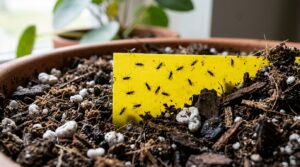
Make it a habit to inspect your succulents weekly. Look for signs of common pests such as mealybugs, aphids, and spider mites. Early detection is key to effective pest management.
2. Proper Watering Techniques
Overwatering can lead to root rot and attract pests. Ensure your pots have drainage holes, and let the soil dry out completely between waterings. Use a moisture meter to prevent common mistakes.
3. Air Circulation and Light
Place your succulents in well-ventilated areas with adequate sunlight. Good air circulation discourages pests and promotes healthy growth. Rotate your plants occasionally to ensure even light exposure.
4. Natural Pest Deterrents
- Neem Oil: Spray a diluted solution of neem oil on your plants to repel pests.
- Insecticidal Soap: This can be effective against soft-bodied insects without harming your plants.
5. Quarantine New Plants
Before introducing new succulents to your collection, quarantine them for at least two weeks. This practice helps prevent pests from spreading to your existing plants.
By following these best practices, you can effectively prevent pests on your succulents, ensuring a healthy and vibrant indoor garden. Remember, the key to successful succulent care lies in vigilance and proper techniques.
13. Sunlight Requirements for Popular Succulents: Indoor vs. Outdoor

Sunlight Requirements for Popular Succulents: Indoor vs. Outdoor
Understanding the sunlight requirements for popular succulents is crucial for their healthy growth. Succulents, known for their water-storing capabilities, thrive in bright light conditions, whether placed indoors or outdoors. However, the intensity and duration of sunlight they receive can vary significantly between these two environments.
Indoor Succulents
When growing succulents indoors, consider the following best practices:
- Location: Place your succulents near a south or west-facing window, ensuring they receive at least 6 hours of indirect sunlight daily.
- Artificial Lighting: If natural light is insufficient, supplement with grow lights, particularly during winter months.
- Rotation: Rotate your plants weekly to prevent uneven growth.
Common mistakes include overwatering and forgetting to adjust their light exposure as seasons change. Monitor your plants for signs of stretching or discoloration, which indicate insufficient light.
Outdoor Succulents
For outdoor succulents, the following guidelines apply:
- Sun Exposure: Most outdoor succulents prefer full sun for at least 6 hours a day. However, some varieties can benefit from partial shade during the hottest part of the day.
- Soil Considerations: Ensure well-draining soil to prevent root rot, especially in direct sunlight.
- Seasonal Care: Protect your succulents from harsh winter conditions by relocating them or providing some shade.
Adapting to changing weather conditions is key for outdoor succulents. Watch for signs of sunburn, such as scorched leaves, and adjust placement accordingly.
By following these expert tips, you can ensure your succulents thrive, whether indoors or outdoors. Remember, the right balance of light and care is vital for their longevity.
14. How to Propagate Succulents: A Step-by-Step Guide for Gardeners

How to Propagate Succulents: A Step-by-Step Guide for Gardeners
Propagating succulents is a rewarding and straightforward process that allows gardeners to expand their collection without breaking the bank. Whether you’re a novice or an expert, this guide will provide you with practical techniques and expert tips to ensure success in your propagation endeavors.
Step 1: Choose Your Succulent
Select healthy, mature succulents for propagation. Popular choices include Echeveria, Aloe Vera, and Jade Plants. Look for vibrant leaves and robust growth, as these indicate a strong plant.
Step 2: Gather Your Tools
You’ll need:
- Sharp, clean scissors or pruners
- Potting mix (preferably cactus mix)
- Small pots or trays
- Water spray bottle
Step 3: Take Cuttings
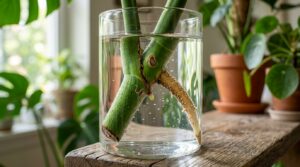
Use your scissors to snip off a healthy leaf or stem. For leaf cuttings, allow them to callous for a few days—this helps prevent rot. Place the cuttings in a dry, bright location.
Step 4: Potting
Once calloused, place the cuttings on top of the potting mix without burying them. Mist lightly with water to encourage root development. Ensure the soil is well-draining to prevent overwatering.
Step 5: Care for Your Cuttings
Keep the soil slightly moist and provide indirect sunlight. Avoid direct sun exposure, as it can scorch the delicate cuttings. In a few weeks, you should see new growth.
Common Mistakes to Avoid
- Overwatering: Succulents thrive in dry conditions.
- Insufficient light: Ensure adequate indirect sunlight.
- Not allowing cuttings to callous: This step is crucial to prevent rot.
By following these steps, you’ll be well on your way to successfully propagating succulents. Enjoy the process and watch your garden flourish!
15. Creating a Succulent Terrarium: Design Ideas and Plant Choices

Creating a Succulent Terrarium: Design Ideas and Plant Choices
Creating a succulent terrarium is a delightful way to bring the beauty of nature into your home. These miniature ecosystems are not only visually appealing but also relatively low-maintenance, making them perfect for both novice and experienced gardeners.
Choosing the Right Container
Start by selecting a glass container that suits your aesthetic. Popular choices include:
- Wide bowls for a spacious layout
- Hanging globes for a unique display
- Open terrariums for better air circulation
Layering for Success
Proper layering is crucial for your terrarium’s health. Begin with:
- Drainage layer: Use small pebbles or activated charcoal to prevent root rot.
- Soil layer: Opt for a well-draining cactus mix, which provides the necessary nutrients.
- Plant layer: Choose a variety of succulents like Echeveria, Haworthia, or Sedum for texture and color.
Design Ideas and Trends
Current trends include incorporating decorative elements like driftwood, stones, or even miniature figurines to enhance visual interest. Consider a monochromatic palette for a chic look or mix colors for a vibrant display.
Expert Tips and Common Mistakes
To ensure your terrarium thrives:
- Avoid overwatering—succulents prefer dry conditions.
- Place the terrarium in a well-lit area but avoid direct sunlight to prevent scorching.
- Regularly prune dead leaves to maintain health and aesthetics.
By following these expert tips and embracing creative design ideas, you can craft a stunning succulent terrarium that reflects your personal style and enhances your indoor garden.
Frequently Asked Questions
How do I choose the right succulent for my indoor garden?
To choose the right succulent for your indoor garden, consider factors like light availability, humidity levels, and pot size. Look for low-light succulents, such as Haworthia or Snake Plants, if your space lacks direct sunlight. Additionally, make sure to select pots with drainage holes to prevent root rot.
What are the best low-light succulents for indoor spaces?
Some of the best low-light succulents for indoor spaces include Echeveria, Gasteria, and Aloe Vera. These plants thrive in indirect light and require minimal watering, making them ideal for beginners. Place them near a window with filtered light for optimal growth.
Why are succulents ideal for drought-tolerant landscaping?
Succulents are ideal for drought-tolerant landscaping because they store water in their leaves and stems, making them resilient to dry conditions. Their ability to thrive with minimal irrigation reduces water usage, which is beneficial for sustainable gardening. Additionally, many succulents are low-maintenance and can withstand heat, making them perfect for outdoor gardens.
How do I care for Echeveria indoors?
To care for Echeveria indoors, place it in bright, indirect sunlight and water it thoroughly, allowing the soil to dry out completely between waterings. Use a well-draining cactus mix to prevent root rot, and ensure good air circulation around the plant. Fertilize sparingly during the growing season for best results.
What should I do if my succulent is turning brown?
If your succulent is turning brown, it may be a sign of overwatering or inadequate light. Check the soil moisture; if it’s soggy, reduce watering frequency and allow the soil to dry out. Additionally, ensure your succulent is getting enough light—relocate it to a brighter spot if necessary to restore its health.