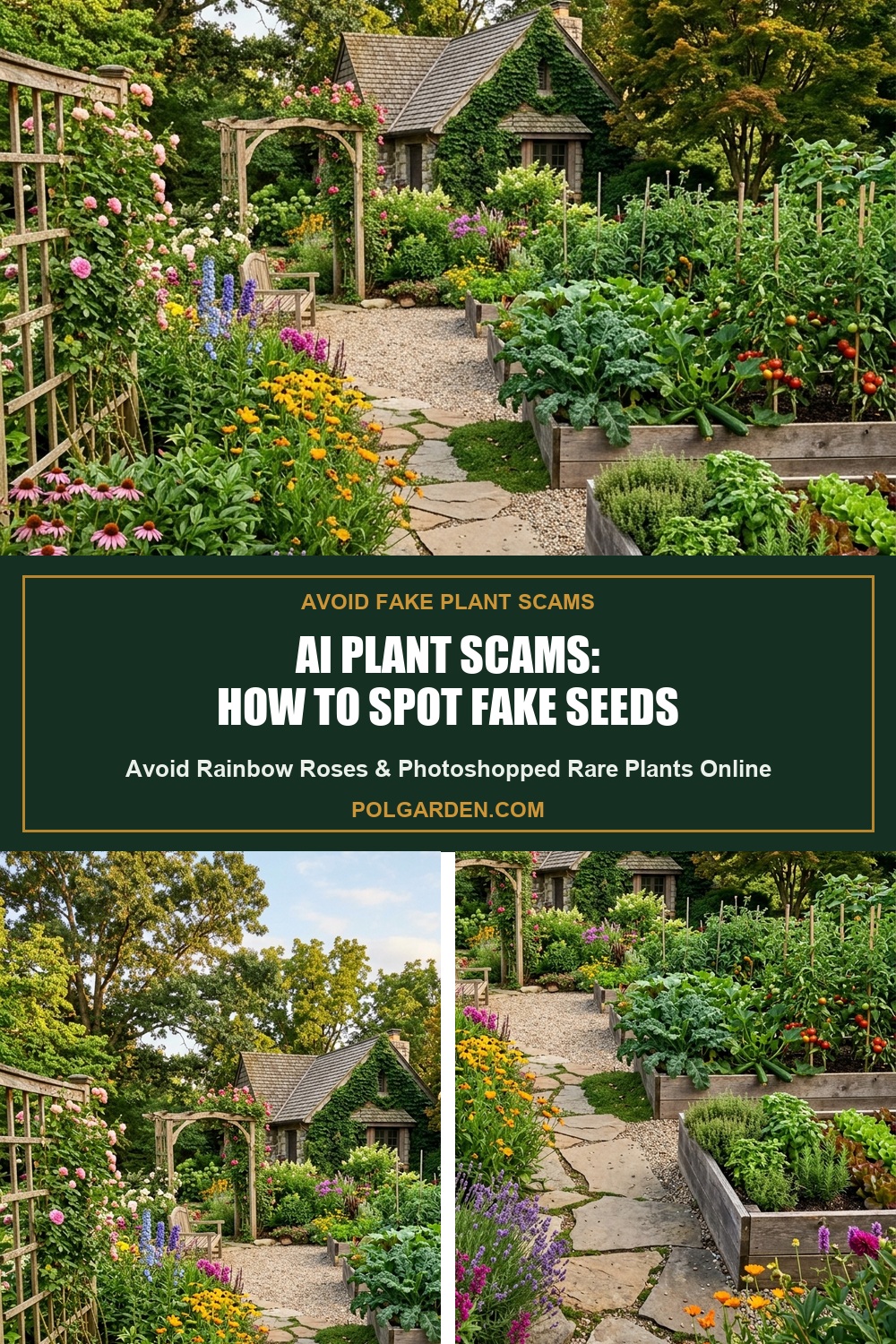
As a passionate gardener, you know the joy of nurturing plants and watching them flourish. However, the rise of online shopping has also brought a darker side—AI plant scams that offer fake seeds and plants that can ruin your gardening dreams. You may find yourself excitedly clicking ‘buy’ only to receive something that looks nothing like what you expected, leaving you frustrated and out of pocket.
But fear not! This guide will equip you with the knowledge to spot these scams and ensure that your gardening journey is filled with genuine, vibrant plants. With a little vigilance and the right tools, you can protect your garden and cultivate a thriving oasis that reflects your hard work and dedication.
Table of Contents
- Understanding AI Plant Scams
- How AI Scams Operate
- Recognizing Fake Seeds and Plants
- Benefits of Spotting Scams Early
- Step-by-Step Guide to Avoid Scams
- Advanced Tips for Savvy Gardeners
- Essential Tools and Resources
- Frequently Asked Questions
What Is It?
AI plant scams involve deceptive online practices that lure unsuspecting gardeners into purchasing fake or substandard seeds and plants. These scams often present themselves through beautifully designed websites or social media ads, showcasing plants that appear too good to be true. Unfortunately, many gardeners fall victim to these scams, ending up with products that either fail to germinate or produce plants that are nothing like what was promised.
It’s crucial to be aware of these scams to protect your gardening investment. By understanding what constitutes a scam and how to identify red flags, you can make informed decisions and enjoy a flourishing garden filled with authentic plants and seeds.
- Scams often use attractive marketing to lure buyers.
- Fake seeds may not produce any plants or yield inferior results.
- Research and reviews are essential for safe online purchases.
- Awareness can save you time, money, and gardening frustration.
How It Works
AI plant scams typically leverage artificial intelligence algorithms to create convincing ads and websites that appear legitimate. These platforms often feature stunning images and misleading claims about plant quality and growth potential. Once potential buyers are hooked, they may receive subpar or entirely different products that do not match their expectations.
Understanding this mechanism is vital. Scammers exploit the emotional connection gardeners have with their plants, using sophisticated marketing techniques to bypass skepticism. By familiarizing yourself with these tactics, you can develop a sharper eye for spotting scams.
- Scammers use AI to create convincing, false advertising.
- Their goal is to exploit emotional connections to gardening.
- Fake sellers often have no verifiable contact information.
- Recognizing their tactics can help you avoid falling prey.
Key Benefits
- Protect Your Investment — By learning to identify scams, you can safeguard your gardening budget and ensure that your money is spent on quality seeds and plants. This means healthier growth and a more fruitful gardening experience.
- Enhance Your Gardening Skills — Understanding the nuances of plant sourcing allows you to become a more knowledgeable gardener. You’ll develop a keener eye for quality and authenticity in your plants.
- Build a Thriving Garden — When you avoid scams and invest in genuine plants, you’ll create a vibrant, flourishing garden that reflects your dedication and care. Healthy plants contribute to a beautiful outdoor space.
- Cultivate a Community — Sharing your knowledge about spotting scams with fellow gardeners enhances your community connections. You can help others avoid pitfalls and promote a culture of honesty in the gardening world.
- Enjoy Peace of Mind — Knowing how to identify and avoid scams gives you confidence in your gardening purchases. You can enjoy the process of nurturing your plants without the worry of being misled.
Step-by-Step Guide
Step 1: Research Before You Buy

Start your journey by conducting thorough research about the plants or seeds you wish to purchase. Look for reputable sellers with positive reviews and transparent information about their offerings. Utilize gardening forums and social media groups to gather insights and recommendations from fellow gardeners.
Additionally, check if the seller has a physical address and contact information readily available. Reputable companies often provide a clear means of communication to address customer concerns. If a site feels vague or overly promotional, it may be best to steer clear.
Example: For instance, if you’re considering buying a rare flower, search for its name along with the seller’s name to find reviews and discussions about their credibility.
Pro Tips:
- Trust established brands or local nurseries.
- Cross-reference multiple sources for reviews.
- Be cautious of sellers with only positive feedback.
Step 2: Look for Reviews and Ratings

Next, dig deeper into customer reviews and ratings of the products and sellers you’re considering. Websites like Trustpilot or social media platforms can provide a wealth of information from real customers. Look for detailed reviews that discuss not just the product quality, but also the shipping experience and customer service.
Be wary of sellers with few reviews or mostly generic comments. Genuine reviews often include specifics about the plants or seeds, such as growth rates and actual customer photos. This can be a good indicator of authenticity.
Example: If you find a seller with a stunning product image but no reviews, it may be wise to reconsider your purchase.
Pro Tips:
- Seek reviews on independent platforms, not just the seller’s site.
- Watch out for overly positive reviews that lack detail.
- Look for feedback regarding the germination success of seeds.
Step 3: Check for Certifications

When browsing for seeds or plants, look for any certifications or guarantees that the seller offers. Legitimate sellers often provide information about their plants being certified organic, heirloom, or meeting certain agricultural standards. These certifications can give you peace of mind regarding the quality of your purchase.
Additionally, check if the seller belongs to any gardening associations or organizations. Membership in reputable groups often indicates a commitment to quality and ethical practices in plant sales.
Example: For instance, a seller may display a USDA organic certification on their website, signaling that their seeds meet specific agricultural standards.
Pro Tips:
- Research what different certifications mean to better understand their value.
- Contact sellers directly to verify their claims.
- Be cautious of sellers who make vague claims without documentation.
Step 4: Be Wary of Unrealistic Promises

One of the major red flags in identifying scams is the over-promise of results. If a seller claims that a particular seed will grow into a massive, rare flower in just a few days or guarantees 100% germination rates, it’s time to be cautious. Real plants and seeds require time, proper care, and sometimes a bit of trial and error.
Authentic sellers will provide realistic descriptions and expectations, including potential challenges in the growing process. If something seems too good to be true, it likely is.
Example: For instance, if you see a seed packet claiming to produce giant pumpkins in under a month, it’s wise to do your research first.
Pro Tips:
- Cross-check growth timelines with reliable gardening books.
- Look for testimonials that mention realistic growth experiences.
- Be especially cautious of sellers offering rare plants at extremely low prices.
Step 5: Examine Product Photos

When shopping online, pay close attention to the product photos. Scammers often use stock images or photos that don’t reflect the actual plant. Genuine sellers will provide clear, detailed images of their products, including different angles and close-ups that showcase the plant’s health and features.
If the images look too polished or are overly edited, proceed with caution. Also, look for inconsistencies between the images and the descriptions provided. If you can’t find clear images of the actual product being sold, it may be best to skip that seller.
Example: For example, if a plant’s description mentions unique leaf patterns, ensure that the provided images clearly showcase those characteristics.
Pro Tips:
- Compare images of the same plant from various sources.
- Avoid listings with generic or overly polished stock photos.
- Look for user-uploaded photos in reviews for real-life examples.
Step 6: Reaching Out to Sellers

Don’t hesitate to reach out to sellers with any questions before making a purchase. A reputable vendor should be responsive and willing to provide additional information about their products. Ask about germination rates, care instructions, or even request more photos if needed. Their willingness to communicate can be a strong indicator of authenticity.
Be cautious if a seller is unresponsive or provides vague answers. Genuine businesses value their customers and are eager to assist them in making informed decisions.
Example: For instance, if you’re unsure about the care requirements of a particular plant, don’t hesitate to ask the seller for detailed information.
Pro Tips:
- Keep records of your communication for future reference.
- Trust your instincts—if a seller seems dismissive, look elsewhere.
- Ask for references from previous customers if available.
Step 7: Making Your Purchase

Once you’ve done your due diligence and feel confident in your choice, it’s time to make your purchase. Always use secure payment methods that offer buyer protection, such as credit cards or trusted payment platforms. Avoid sellers that only accept cash transfers or untraceable payment methods, as these can be red flags for scams.
After your purchase, keep all receipts and transaction confirmations. This documentation can be crucial if you need to follow up with the seller about your order or if you need to report a scam.
Example: For example, opting for a credit card not only provides buyer protection but also allows you to dispute charges if something goes wrong.
Pro Tips:
- Always review the seller’s return policy before purchasing.
- Look for sellers with clear contact information on their site.
- Avoid deals that seem too good to be true at the point of sale.
Step 8: Follow Up on Your Order

After placing your order, it’s a good practice to follow up if you don’t receive updates. Many reputable sellers provide tracking information, but if you notice a lack of communication or delays beyond the expected time frame, don’t hesitate to reach out. This can help you gauge the seller’s reliability and willingness to assist.
Additionally, monitor your plants or seeds closely upon arrival. Check for signs of health and authenticity, such as vibrant colors and firm textures. If something seems off, document your findings and contact the seller immediately.
Example: For instance, if your seed packets arrive with no germination instructions or appear damaged, get in touch with the seller right away.
Pro Tips:
- Keep an eye on your email for shipping updates.
- Document any issues with photographs for your records.
- Don’t hesitate to escalate the issue if communication fails.
Advanced Tips
Join Gardening Communities
Engage with online gardening communities to share experiences and gather insights on reputable sellers. Platforms like Reddit or Facebook groups can be invaluable resources for advice and recommendations. Fellow gardeners often share their experiences with different vendors, helping you make more informed choices.
Stay Updated on Trends
The world of gardening is ever-evolving, with new plants and trends emerging continually. Stay informed by following gardening blogs, podcasts, and social media influencers who specialize in plant care. This knowledge can help you differentiate between genuine offerings and scams.
Know Your Local Regulations
Some plants may have restrictions based on your location due to environmental concerns. Familiarizing yourself with local regulations can prevent you from purchasing seeds or plants that are illegal to grow in your area, thus protecting your investment and contributing to ecological efforts.
Verify Plant Species
When purchasing a specific plant, research its characteristics, including growth patterns and typical appearance. Understanding what a healthy version of the plant should look like will help you spot fakes or inferior products when they arrive.
Tools & Resources
- Consumer Reports — This trusted organization provides reviews and ratings for various products, including gardening supplies. It’s a valuable resource for researching potential sellers and understanding product quality. — Available at: Visit consumerreports.org
- Trustpilot — An online review platform where customers can share their experiences with different companies. Using Trustpilot can help you find credible sellers and avoid scams. — Available at: Visit trustpilot.com
- Local Gardening Clubs — Joining a local gardening club can connect you with experienced gardeners who can share insights and recommendations for reliable plant sellers in your area. — Available at: Check local community centers or online for regional clubs.
- USDA Plant Hardiness Zone Map — This resource helps you understand which plants are suitable for your climate. Knowing your hardiness zone can assist you in selecting appropriate plants and avoiding scams that offer unsuitable varieties. — Available at: Visit planthardiness.ars.usda.gov
- Online Gardening Forums — Websites like GardenWeb and Reddit’s r/gardening community provide platforms for sharing experiences and advice on plant purchases, including identifying scams and reputable sellers. — Available at: Visit gardenweb.com or reddit.com/r/gardening
Frequently Asked Questions
How can I tell if a seed seller is reputable?
To determine if a seed seller is reputable, check for customer reviews and ratings on independent platforms. Look for detailed feedback regarding product quality and customer service. Reputable sellers often have a physical address, clear contact information, and offer secure payment methods. Engaging with gardening communities can also provide insights and recommendations.
What should I do if I receive fake seeds?
If you receive fake seeds, document the issue by taking photos of the packaging and seeds. Contact the seller immediately to report the problem and request a refund or replacement. If the seller is unresponsive, consider reporting them to consumer protection agencies or online review platforms to warn other potential buyers.
Are there specific plants that are commonly faked?
Yes, certain popular plants, especially rare or exotic varieties, are often the target of scams. For example, seeds for unique orchids or tropical plants can be misrepresented. It’s essential to research the specific plants you’re interested in and be cautious of sellers offering them at unusually low prices.
How can I protect myself from scams when buying plants online?
To protect yourself from scams, always do thorough research before making a purchase. Look for reviews, certifications, and realistic promises about the plants. Use secure payment methods and keep all transaction records. If something feels off, trust your instincts and consider alternative sellers.
Can I return fake seeds or plants?
Many legitimate sellers offer return policies for unsatisfactory products, including fake seeds or plants. However, if you suspect a scam, your options for returns may be limited. Always review the seller’s return policy before purchasing, and document any issues to support your case if you need to initiate a return.
Congratulations on taking the first step toward protecting your gardening passion from AI plant scams! By equipping yourself with the knowledge and tools outlined in this guide, you can confidently navigate the online marketplace and make informed choices for your garden. Remember that a healthy garden starts with genuine seeds and plants, so stay vigilant and enjoy the rewarding journey of nurturing your greenery.
Now that you’re armed with this information, go ahead and explore the world of gardening with renewed confidence. Share your experiences with fellow gardeners and help them avoid the pitfalls of online scams, creating a thriving community where everyone can grow.