
Shimmering like spun sterling silver accented with wine-purple midribs and delicate sage-green pinnae, the Japanese Painted Fern (Athyrium niponicum ‘Pictum’) is arguably the crown jewel of the temperate shade garden. Crowned Perennial Plant of the Year for its ethereal metallic luminescence, it brings unmatched artistic elegance to woodland borders, rock gardens, and fern gullies. Yet, as autumn frosts chill the soil and its architectural fronds begin to yellow, well-intentioned gardeners routinely make a devastating mistake: shearing the foliage down to bare ground before winter truly arrives. Stripping away the fern’s natural protective canopy exposes delicate dormant crowns and tender emerging croziers (fiddleheads) to killing freezes, wind desiccation, and lethal frost heaving.
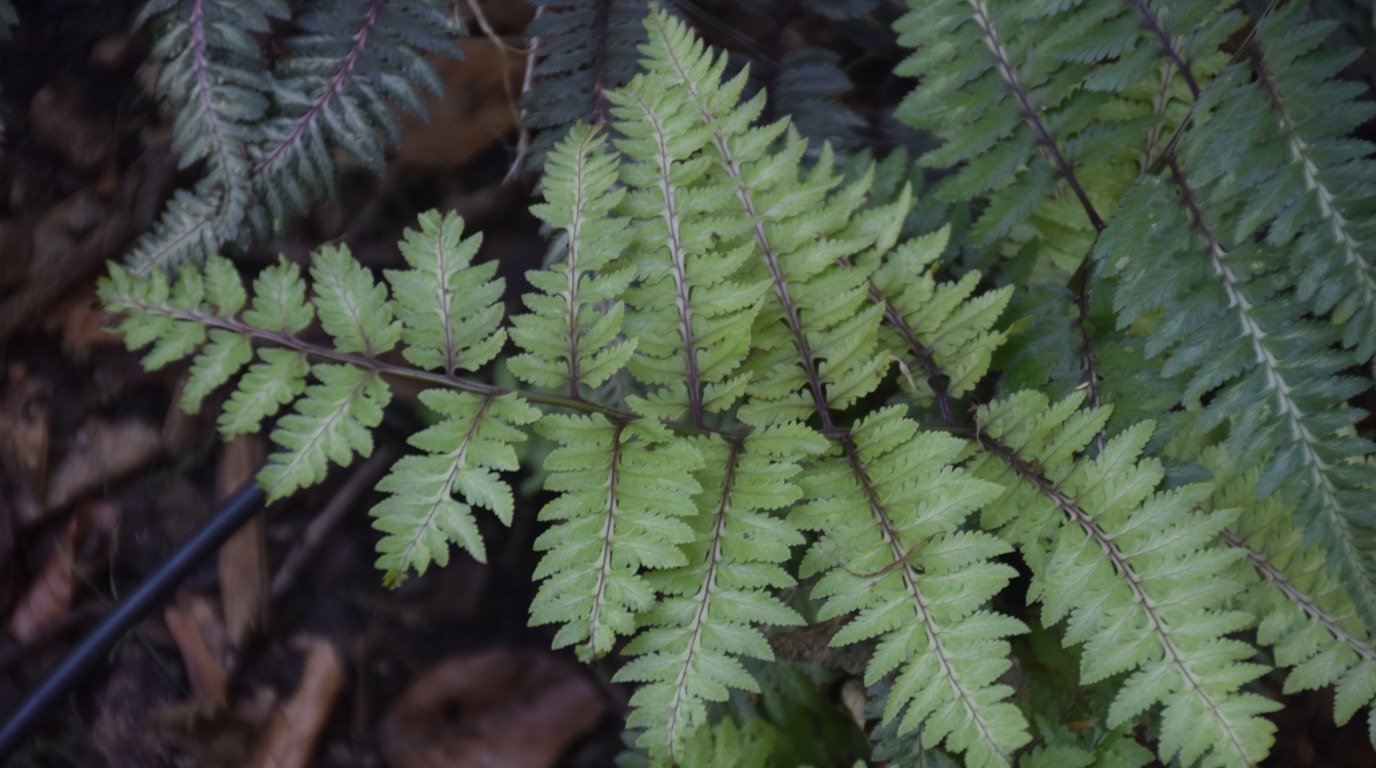
Native to moist, deciduous forest floors and mountain slopes across East Asia, Japanese Painted Ferns are remarkably cold-hardy across USDA Hardiness Zones 3 through 8, effortlessly enduring sub-zero temperatures down to -30°F. However, cold hardiness in a natural forest ecosystem relies on a thick blanket of fallen leaf mold and the plant’s own collapsed fronds acting as an insulating thermal duvet. In tidy suburban landscapes, clearing the ground leaves shallow rhizomes dangerously vulnerable. Furthermore, while these deciduous ferns demand moisture during summer, waterlogged winter conditions coupled with heavy, non-aerated mulches can suffocate the crown and breed rot. Adopting an authentic woodland overwintering protocol ensures your painted ferns awaken with vibrant color and robust frond density in spring.
Why Japanese Painted Fern Elevates Shaded Garden Spaces
- Unmatched Metallic Color Palette: Unlike monochrome green woodland ferns, its tri-colored fronds combine pewter-silver, smoky slate, and burgundy-violet veins.
- Non-Invasive, Polite Clump Habit: Unlike aggressive spreading ostrich or bracken ferns, Japanese Painted Fern expands slowly into tidy, non-invasive decorative mounds.
- Superb Shade Partnership: Illuminates dark recesses when planted beneath tall woodland canopies alongside flowering plants for year-round color.
- Deer and Rabbit Immunity: High levels of natural bitter compounds make the delicate fronds virtually unpalatable to foraging garden wildlife.
Key Winterizing Supplies & Mulch Smart Swaps

- Partially Decomposed Leaf Mold: Swap dense, moisture-trapping bark mulch for loose, airy shredded hardwood leaves that replicate natural forest floor duff.
- Airy Pine Needles or Spruce Boughs: Excellent breathable thermal screening that prevents soil temperature swings without matting into an airless, sodden sponge.
- Sanitized Floral Bypass Snips: Narrow, sharp snips allow precision spring removal of withered fronds without gouging tender emerging fiddleheads.
- Permanent Spring Location Stakes: Because Athyrium dies down completely beneath the soil line and is slow to emerge in spring, stakes prevent accidental hoeing or digging.
Step-by-Step Autumn & Winter Care Walkthrough for Painted Ferns
1. Keep Faded Fronds Intact Through Autumn: As autumnal frosts arrive, resist the urge to cut back the collapsing silver fronds. Allow the foliage to turn bronze-amber and collapse naturally over the central crown. This natural thatch insulates the rhizomes from rapid freezing and protects hidden winter buds.
2. Perform a Deep Pre-Freeze Hydration: Fern roots can desiccate and die during dry, windy winter freezes. If autumn rainfall has been sparse, provide a thorough, deep soaking around the root zone 24 to 48 hours before the first sustained ground-freezing cold snap.

3. Apply a 2- to 3-Inch Breathable Mulch Collar: Once the top inch of garden soil freezes solid, spread a 2- to 3-inch layer of shredded leaf mold, compost, or pine straw around and over the crown. This blanket moderates subterranean temperatures and stops the soil from repeated freeze-thaw cycles that heave shallow rhizomes to the surface, mirroring techniques used when winterizing Astilbe crowns.
4. Delay Frond Pruning Until Late Winter or Early Spring: Wait until late winter or early spring—just as daytime temperatures consistently warm above 45°F (7°C)—to trim away the old, dry fronds. Snip them cleanly 1 inch above the crown before the tight, coiled fiddleheads begin expanding.
3 Master Horticulturist Secrets for Flawless Fern Wintering
1. The “Frost Heave Rule” – Mulch After the Freeze, Not Before: Applying heavy mulch while the ground is still warm in early autumn tricks soil microorganisms and encourages fungal crown rot. Always wait until the ground is cold and frosty before applying winter mulch; your goal is keeping the ground cold and frozen, preventing rapid thawing during unseasonal winter warm spells.
2. Never Pile Dense, Whole Tree Leaves on Crowns: While shredded leaf mold is ideal, large, whole leaves (such as Norway maple or red oak) form an impenetrable, soggy papier-mâché seal that suffocates fern crowns, a fatal issue also seen in winterizing Hostas and Coral Bells winter care.
3. Exercise Spring Emergence Patience: Japanese Painted Ferns are among the very last perennials to break winter dormancy, rarely unfurling before mid-to-late spring. Never dig up your shade bed assuming winter kill; give them ample time to awaken once soil temperatures stabilize.
What to Pair with Japanese Painted Fern in Autumn & Winter Shade Beds

- Blazing Star (Liatris) & Beardtongue: Transitioning from shade to sunny prairie borders, colorful structural perennials pair seamlessly with winterizing strategies in how to winterize Liatris and winterizing Penstemon.
- Hostas (Hosta sieboldiana): Broad blue-green hosta leaves offer a bold architectural foil to the fine, lacy silver fronds of Athyrium throughout the growing year.
- Astilbe & Bleeding Heart: Classic moisture-loving shade companions that share identical requirements for cool, humus-rich soil and spring crown protection.
Container Overwintering & Spring Wake-Up Routine
- Overwintering Potted Painted Ferns: Containers lack the earth’s geothermal protection; root balls in ceramic or plastic pots will freeze solid below 25°F (-4°C). Sink potted ferns into an empty garden bed up to their rims, or relocate pots to an unheated garage or basement for winter dormancy.
- Spring Uncovering Routine: As daytime temperatures rise in early spring, gently pull back heavy mulch layers from the crown center to let sun rays warm the soil, while keeping a light ring around the perimeter.
- Early Spring Top-Dressing: Once fiddleheads swell, top-dress the root zone with a 1-inch layer of rich organic worm castings or leaf compost to fuel vibrant metallic frond growth.
Frequently Asked Questions
Should I cut back Japanese Painted Ferns in the autumn?
No, it is best to leave the fronds in place through autumn and winter. The dying fronds collapse naturally over the crown, creating an organic shield that protects the dormant rhizomes from freezing winds. Cut away old fronds in early spring just before new fiddleheads emerge.
Can Japanese Painted Fern survive freezing winter temperatures?
Yes, Athyrium niponicum is extremely hardy down to USDA Zone 3 (-40°F to -30°F). Its main winter threats are soil desiccation during dry freezes, soggy poorly-drained soil, and frost heaving in exposed beds.
Why is my Japanese Painted Fern slow to come back in spring?
Japanese Painted Ferns naturally emerge very late in spring, often weeks after hostas and bleeding hearts have already leafed out. Wait until consistent 65°F (18°C) daytime temperatures warm the soil before checking for emerging fronds.
Pin This Japanese Painted Fern Winterizing Guide for Later
Protect your delicate shade ferns! Save this pin to your Pinterest gardening board so you have these essential frond preservation rules, winter mulch tips, and crown care techniques ready for fall!
