
Renowned for illuminating dappled woodland gardens with their feathery, cloud-like plumes and fern-like emerald foliage, astilbes (false spirea, Astilbe spp.) reign supreme in moist, shaded perennial borders. Yet, as late autumn arrives and sub-zero freezes settle over the garden, these rugged perennials face a peculiar botanical dilemma that catches thousands of growers off guard: crown elevation and severe frost heaving. While mature astilbes are exceptionally cold-hardy down to USDA Zone 3 (-40°F), their dense, fibrous root mass has an ingrained biological tendency to push upward year after year, forcing the central crown and dormant growth buds several inches above the surrounding soil level. When exposed to freezing winter winds without protective insulating cover, these elevated crowns desiccate rapidly, experience fatal freeze damage, and can be completely hoisted out of the frozen ground by aggressive freeze-thaw cycles. Learning how to winterize astilbe properly—balancing plume management, deep late-fall hydration, and heavy organic crown banking—is the definitive secret to guaranteeing towering, vibrant flower plumes every summer.
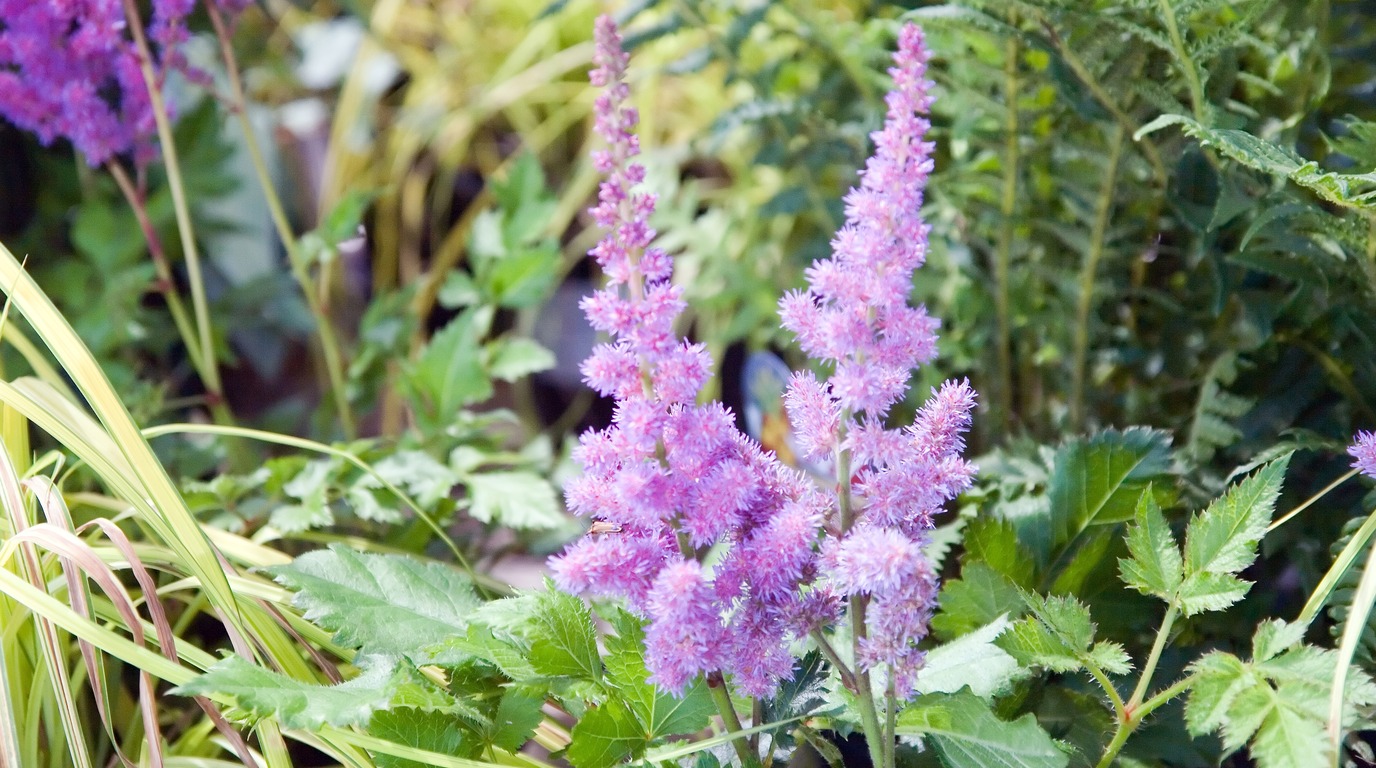
Unlike shade companions such as lush hostas whose foliage turns to mush and must be removed to prevent slug infestations, astilbe foliage and flower plumes dry out into handsome, architectural russet-brown silhouettes. While some gardeners prefer a sharp autumn cutback to keep beds tidy—similar to our routine for hardy cranesbill geraniums and powdery mildew-prone bee balm—astilbes offer the unique option of leaving their dried seed plumes intact through winter. These standing stalks catch drifting snow, providing nature’s ultimate thermal insulator right above the root zone. However, regardless of whether you cut back the plumes or save them for winter interest, the non-negotiable step is protecting that rising woody crown before the ground freezes solid.
Why You’ll Love This Astilbe Winterization Blueprint
- Frost Heave Immunity: Banks organic matter over rising woody crowns to prevent freeze-thaw cycles from pushing plants out of the soil.
- Desiccation Defense: Seals deep soil moisture around thirsty, shallow fibrous roots before ground freezes lock up water access.
- Winter Garden Interest: Guides you on when to preserve upright architectural plumes for stunning frosty silhouettes against snow.
- Effortless Spring Vigor: Protects delicate embryonic flower buds deep in the crown for maximum plume density and height next June.
Key Tools & Autumn Supplies

- Bypass Hand Pruners: Scissor-action blades make clean cuts through woody astilbe flower stems without tugging or dislodging shallow root systems. Sanitize blades with 70% isopropyl alcohol.
- Well-Rotted Leaf Mold or Aged Compost: The gold-standard winter mulch for astilbe; mimics natural forest floor duff, providing moisture retention, acidity, and winter insulation.
- Pine Straw or Coarse Wood Bark: Lightweight secondary mulch that allows snowmelt to filter through cleanly without packing down into a suffocating mat.
- Evergreen Boughs: Discarded spruce or pine boughs laid over crowns in harsh, snowless northern climates (USDA 3-5) to block freezing winter winds.
The 4-Step Astilbe Fall Winterization Walkthrough
Step 1: The Plume Dilemma (To Cut Back or Leave Standing)
Gardeners face a choice after the first hard freeze turns astilbe leaves bronze and brown. Option A (Recommended for winter beauty): Leave the dried, woody flower plumes and stalks standing! Their feathery texture adds architectural interest in winter and physically traps drifting snow over the clump, creating a protective thermal igloo. Option B (Recommended for tidy beds or soggy climates): If your garden suffers from fungal foliar blight or wet, clumping snow that breaks stems messily, prune the spent stalks and foliage down to 2 to 3 inches above the crown using sharp bypass shears.

Step 2: Deep Autumn Hydration Before Freezing
Astilbes are moisture-loving plants native to ravine banks and mountain streams; they possess virtually zero drought tolerance, even during winter dormancy! If autumn enters winter dry, frozen soil prevents roots from drinking, and cold winter winds desiccate the crown tissue. Approximately 48 hours before your region’s first deep, sustained ground freeze, give your astilbes a long, deep soaking. Saturating the soil down to 8 inches ensures roots are fully hydrated and creates a thermal reservoir that resists sudden temperature drops.
Step 3: Bank Up the Elevated Root Crown (The Mound Method)
This is the single most vital winterization step for astilbe. Because astilbe crowns naturally rise above ground level as the plant ages, leaving them uncovered exposes the woody root core to bitter frost. Unlike taproot plants where mulch must be kept away from the center stem, astilbe requires you to bank 2 to 3 inches of rich compost, leaf mold, or aged pine bark directly over and around the crown. This mulch mound acts as a winter blanket, burying the exposed woody crown and preventing frost heave from popping the clump out of the dirt.
Step 4: Northern Snow Shielding (Zones 3–5)
In colder climates where temperatures plunge below -10°F without a reliable, deep snow blanket, place loose evergreen spruce boughs directly over the mulched crowns. The stiff needles trap cold air and natural snow while shielding the shallow crowns from hungry winter rodents and harsh sun scald.
3 Expert Secrets for Flawless Astilbe Winter Care
1. Never Let Astilbe Soil Dry Out Before Frost: Winter desiccation kills far more astilbes than sub-zero temperatures. Because their fibrous root system is shallow, dry root cells shrivel and freeze brittle. A thorough soaking in late autumn is your best insurance policy.
2. Recognize Crown Heave Early: If you walk your garden in February or March and notice an astilbe crown pushed upwards with exposed roots dangling above frozen ground, do not attempt to dig it up while frozen! Immediately cover the exposed roots with a shovel-full of moist compost and pine straw to protect them until the spring thaw.
3. Divide Every 3 to 4 Years: When astilbe crowns rise dramatically and the center of the clump becomes woody and ceases to bloom, winterization becomes difficult. Plan to divide the clump in early spring using a sharp spade, replanting the vigorous outer root divisions with their crowns set level with the soil line.
Autumn Garden Bed Pairings & Companion Care

- Shade Garden Companions: Group astilbes alongside winterized hostas and bleeding heart for a classic woodland shade border that thrives under rich organic autumn mulch.
- Foliage Texture Contrasts: Position astilbe clumps near semi-evergreen coral bells (Heuchera) and delicate woodland columbine for exquisite layered textures in partial shade.
- Moist Border Edge: Ensure soil along the bed retains organic matter through liberal additions of shredded leaves, ensuring consistent moisture from autumn rains through the spring thaw.
Spring Re-Emergence: Waking Up Your Astilbes
- Late-Winter Cutback (If Plumes Were Kept): In late February or early March before fresh green shoots emerge, shear off the dried winter flower stalks and tattered old foliage right down to the mulch line.
- Mulch Thinning: As daytime temperatures rise into the 50s°F (10°C-12°C), gently part the heavy mulch slightly to allow warm spring sunshine to reach the crown buds, while leaving a 1-inch layer to conserve moisture and suppress weeds.
- Spring Feeding: Top-dress around the clump with balanced, slow-release organic fertilizer (such as a 5-10-5 formula) and a fresh 1-inch layer of rich compost to fuel rapid plume development.
Astilbe Winterization At-A-Glance
| Winterization Factor | Recommended Fall Protocol | Common Mistake to Avoid |
|---|---|---|
| Plume Management | Leave standing for winter snow catch, or cut to 2″ | Tearing stems by hand (damages crowns) |
| Crown Care | Bank 2-3″ compost/mulch over rising crowns | Leaving exposed crowns bare to freezing air |
| Soil Hydration | Soak deeply 48 hours before deep ground freeze | Letting shallow fibrous roots enter winter dry |
| Mulch Material | Leaf mold, compost, or airy pine straw | Smothering with dense, soggy whole leaves |
| Cold Hardiness | USDA Zones 3–8 (Hardy down to -40°F) | Attempting indoor potted winter storage |
Frequently Asked Questions
Should I cut back astilbe in the fall or wait until spring?
Both approaches work well! Leaving the dried flower plumes standing through winter adds striking ornamental texture to snowscapes and helps catch insulating snow around the crown. If you prefer a clean border or live in a very wet, humid climate, cutting them back 2 to 3 inches above the crown in late autumn after frost is perfectly safe.
Why do astilbe crowns stick out of the ground in winter?
As astilbe plants age, their woody root system naturally expands and pushes upward out of the soil (crown creep). Without intervention, winter freeze-thaw cycles worsen this heave. To prevent winterkill, bank 2 to 3 inches of compost or mulch over the elevated crown in late autumn, and divide the clump every 3 to 4 years.
Can astilbes survive sub-zero winter temperatures?
Yes! Astilbes are extraordinarily cold-hardy perennials that endure winter cold down to USDA Zone 3 (-40°F / -40°C). As long as their root zones are thoroughly hydrated in autumn and protected with insulating mulch against frost heave, they will re-emerge vigorously in spring.
Pin This Astilbe Winterizing Guide for Later
Planning your autumn shade border cleanup? Save this pin to your Pinterest gardening board so you have these step-by-step crown protection, plume care, and frost heave tips ready whenever cold weather arrives!