
With their majestic, architectural flower spires soaring above dense wheels of palmate foliage, lupines (Lupinus polyphyllus) command instant adoration in the perennial border. Yet, beneath their dramatic summer beauty lies a unique botanical anatomy that presents severe challenges once sub-zero autumn freezes settle in: a deep, brittle taproot and thick, hollow flower stalks. While established lupines are remarkably cold-hardy down to USDA Zone 4, their hollow stems act as direct funnels, channeling freezing autumn rain and melted snow straight into the central root crown. When standing water freezes and expands inside these cavities, it causes fatal crown rot, mushy root disintegration, and severe frost heaving that can eject entire root systems right out of heavy soil. Learning how to winterize lupines correctly through precise autumn stem cutbacks, pre-freeze taproot hydration, and high-drainage breathable crown mulching is the definitive strategy to guarantee vigorous, towering flower spires come late spring.
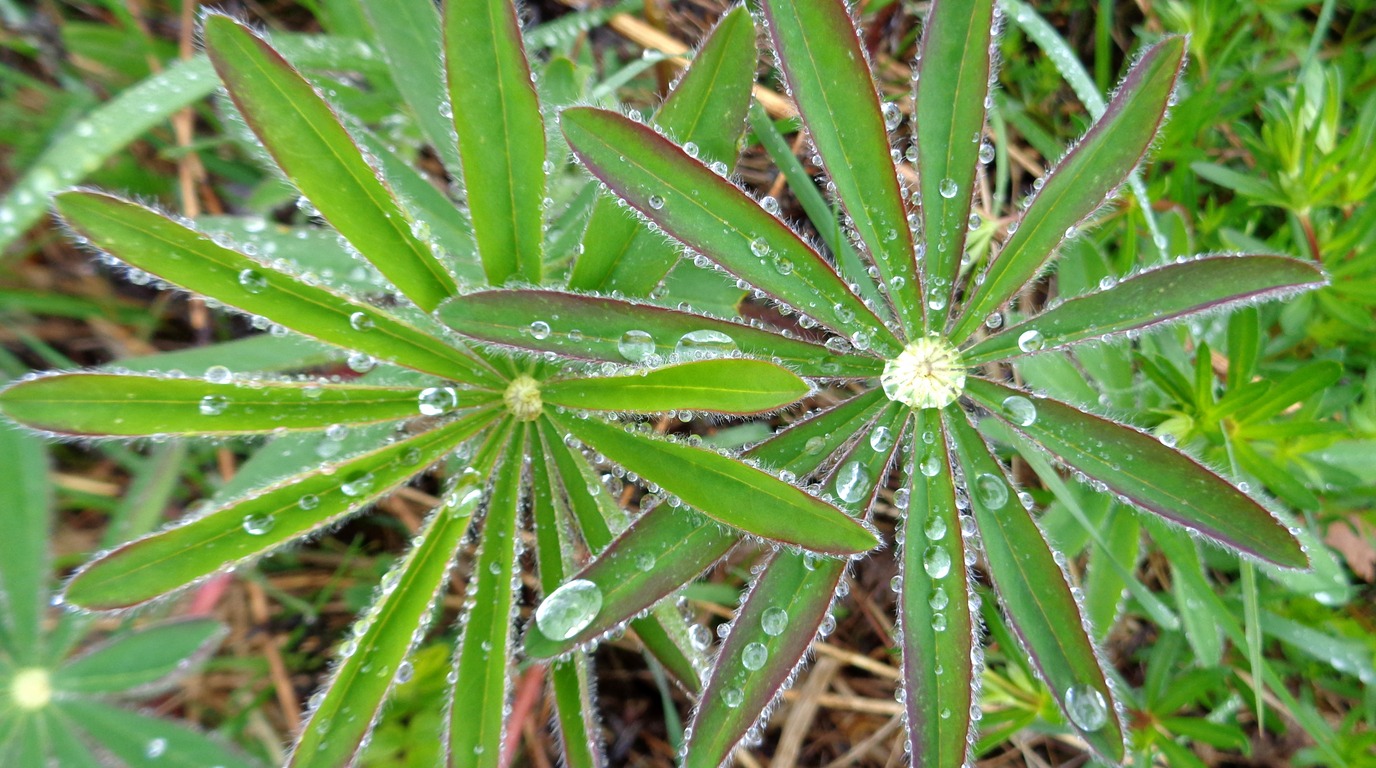
Unlike shallow-fibrous perennials such as creeping and tall phlox or semi-evergreen coral bells, lupines belong to the legume family (Fabaceae) and anchor themselves via a singular, vertical taproot extending deep into the subsoil. This vertical anchor makes mature plants nearly drought-tolerant and nitrogen-fixing once established, but it also makes them exceptionally intolerant of wet, soggy winter feet and repeated freeze-thaw cycles. By synchronizing your autumn gardening tasks with the biological dormancy curve—similar to our care routine for winterizing delphiniums and protecting columbine crowns—you will eliminate fungal spores, repel overwintering garden pests, and safeguard your plant’s sensitive crown from bitter sub-zero desiccation.
Why You’ll Love This Lupine Winterization Blueprint
- Hollow-Stem Rot Eradication: Stops autumn rainwater and slush from pooling inside cut stalks, preventing crown softening and bacterial decay.
- Frost Heave Protection: Insulates the soil around the upper taproot to prevent destructive freeze-thaw expansion from pushing plants out of the bed.
- Pest & Mildew Prevention: Strips away fungal mildew spores and overwintering aphid egg deposits before they can hibernate in wet leaf litter.
- Explosive Spring Spikes: Preserves vital dormant eye buds deep within the crown for rapid, towering flower stalks as early as May.
Key Tools & Autumn Supplies

- Bypass Hand Pruners: Scissor-action blades make razor-clean cuts across thick lupine stalks without crushing the hollow vascular tubes. Always sanitize blades with 70% isopropyl alcohol between plants.
- Pine Straw or Coarse Shredded Bark: Highly breathable, acid-friendly winter mulch that protects soil temperature without packing down into a suffocating, slimy mat.
- Evergreen Spruce Boughs: Perfect for harsh northern gardens (USDA Zones 4-5) to trap protective snow blankets and shield exposed crowns from desiccating winter winds.
- Heavy-Duty Yard Waste Bags: Crucial for bagging and removing old foliage and spent stalks from the garden—never add mildewed lupine greens to your home compost!
The 4-Step Lupine Fall Winterization Walkthrough
Step 1: Wait for Hard Frost, Then Prune at an Angle
Resist the urge to cut back lupines while their foliage is still lush and green in early September. The palmate leaves are continuously photosynthesizing, channeling carbohydrates and vital energy reserves deep down into the taproot for winter storage. Wait until the first 1 to 2 hard frosts have turned the leaves yellow or collapsed the stems. Using clean bypass shears, cut down the hollow flower stems and foliage to approximately 2 to 3 inches above soil level. Always angle the cut at a 45-degree angle; flat horizontal cuts allow rain and dew to pool directly atop the open stem tube, accelerating stem rot straight into the crown.

Step 2: Deep Autumn Taproot Hydration
A common mistake among perennial growers is allowing winter dormancy to begin in bone-dry soil. Lupines feature a massive, fleshy taproot that relies on stored cell hydration to withstand freezing temperatures. Dry roots desiccate rapidly in frozen ground when frigid winds blow. Approximately 48 hours before the ground is forecast to freeze solid, saturate the root zone deeply with water. Moist soil retains ground heat much longer than dry soil, creating a thermal buffer that shields the taproot against sudden temperature plunges.
Step 3: Apply the Breathable “Donut” Mulch Ring
Lupine crowns are notoriously prone to fungal decay if buried directly under dense, wet organic material like shredded wet leaves or heavy compost. To apply mulch safely, distribute a 2- to 3-inch layer of pine straw, coarse wood chips, or airy straw across the root zone out to the drip line, but pull it back 1 to 2 inches away from the central stem stubs. This creates a protective “donut” buffer: the outer soil is insulated against freeze-thaw cycles and frost heave, while the center crown enjoys unimpeded airflow.
Step 4: Northern Snow Shielding (Zones 4–5)
In colder climates where temperatures drop below zero without consistent snow cover, lay loose evergreen boughs (such as discarded spruce or pine branches) lightly over the dormant crowns. The evergreen needles act as an airy blanket that catches natural snowfall—nature’s supreme insulator—while stopping hungry winter rodents and rabbits from gnawing on exposed crown buds.
3 Expert Secrets for Flawless Lupine Winter Care
1. Never Bury the Central Crown in Wet Leaves: The number one killer of mature lupines over winter is not freezing temperatures, but suffocating winter rot. Dense, heavy deciduous tree leaves (like oak or maple) pack down like wet cardboard, trapping moisture against the crown and cutting off oxygen. Keep tree leaves thoroughly raked out of your lupine clumps.
2. Respect the Cold Vernalization Requirement: Do not attempt to over-coddle, dig up, or bring hardy lupines indoors into heated rooms like you would with tender zonal geraniums. Lupines are cold-climate perennials that biologically require 8 to 12 weeks of winter temperatures below 40°F (4°C) to stimulate new flower bud development inside the crown.
3. Thorough Autumn Sanitation Eliminates Spring Aphids: Lupine aphids (Macrosiphum albifrons) and powdery mildew spores lay dormant in old collapsed stems through the winter. By rigorously bagging and removing all fallen foliage rather than mulching over it, you eliminate pest populations before they can hatch in spring.
Autumn Garden Bed Pairings & Companion Care

- Architectural Spire Companions: Pair your winterized lupines with neighboring clumps of hardy delphiniums and woodland columbine for identical high-drainage, clean-cutback winter requirements.
- Cottage Daisy Contrasts: Clustered near Shasta daisies and hybrid daylilies, lupines provide lush foliage contrast and share similar cold-hardiness thresholds.
- Winter Moisture Management: Ensure the entire bed features gently sloping grading so melting winter snow drains away freely rather than creating ice puddles around crowns.
Spring Re-Emergence: Uncovering Your Lupines
- Early Spring Mulch Removal: As soon as the deep ground thaw begins and daytime temperatures consistently touch 50°F (10°C) in late March or early April, gently pull away the protective evergreen boughs and sweep mulch back from the crown.
- Inspecting for Frost Heave: If freeze-thaw cycles have partially lifted the woody taproot crown above the soil surface, gently press the crown back down into the thawed soil and pack fresh compost and loam around the collar.
- Early Nutrient Boost: Once new reddish-green palmate shoots emerge, apply a balanced, low-nitrogen slow-release organic fertilizer. Because lupines fix their own atmospheric nitrogen, excess nitrogen will stimulate weak leafy growth at the expense of glorious flower spires.
Lupine Winterization At-A-Glance
| Winterization Factor | Recommended Fall Protocol | Common Mistake to Avoid |
|---|---|---|
| Cutback Timing | After 1-2 hard frosts kill foliage | Pruning in early fall while green |
| Pruning Technique | Angled cut 2-3 inches above soil | Flat cuts that catch pooled rain |
| Mulch Type | Pine straw or coarse wood chips (2-3″) | Heavy wet leaves packing the crown |
| Crown Placement | “Donut” ring (keep center clear) | Mounding mulch directly on center stems |
| Cold Hardiness | USDA Zones 4-8 (Hardy down to -30°F) | Bringing into heated indoor rooms |
Frequently Asked Questions
Should I cut back lupines in the fall or wait until spring?
Cutting back lupines in late autumn after the first hard freeze is strongly recommended. Pruning away dying stalks prevents rainwater from traveling down hollow stems into the root crown, eliminates fungal spores, and strips away overwintering lupine aphid eggs.
Do lupines survive harsh winter freezing temperatures?
Yes! Most perennial garden lupines (including Russell hybrids) are exceptionally cold-hardy down to USDA Zone 4 (-30°F / -34°C). Their deep vertical taproots withstand intense freezing provided the crown is insulated against frost heaving and not sitting in waterlogged, frozen clay.
How do I protect lupines from frost heave in winter?
Frost heave occurs when repeated cycles of freezing and thawing expand moisture in the soil, pushing the taproot up and out of the ground. Applying a 2- to 3-inch layer of breathable mulch (such as pine straw or shredded wood) over the root zone keeps soil temperatures consistently cold and stabilizes the ground.
Pin This Lupine Winterizing Guide for Later
Planning your autumn garden cleanup? Save this pin to your Pinterest gardening board so you have these step-by-step taproot and crown care tips ready whenever cold weather arrives!