As autumn temperatures steadily plummet toward the frost line, leaving tender potted pelargoniums outdoors is a guaranteed death sentence for your prized summer displays. Unlike true hardy perennial geraniums, common zonal, ivy, and scented garden geraniums are sub-tropical botanical perennials that cannot survive freezing conditions. By mastering simple overwintering protocols—whether through active potted indoor care or space-saving dormant bare-root storage—you can easily keep your geranium stock thriving for decades with zero greenhouse equipment.
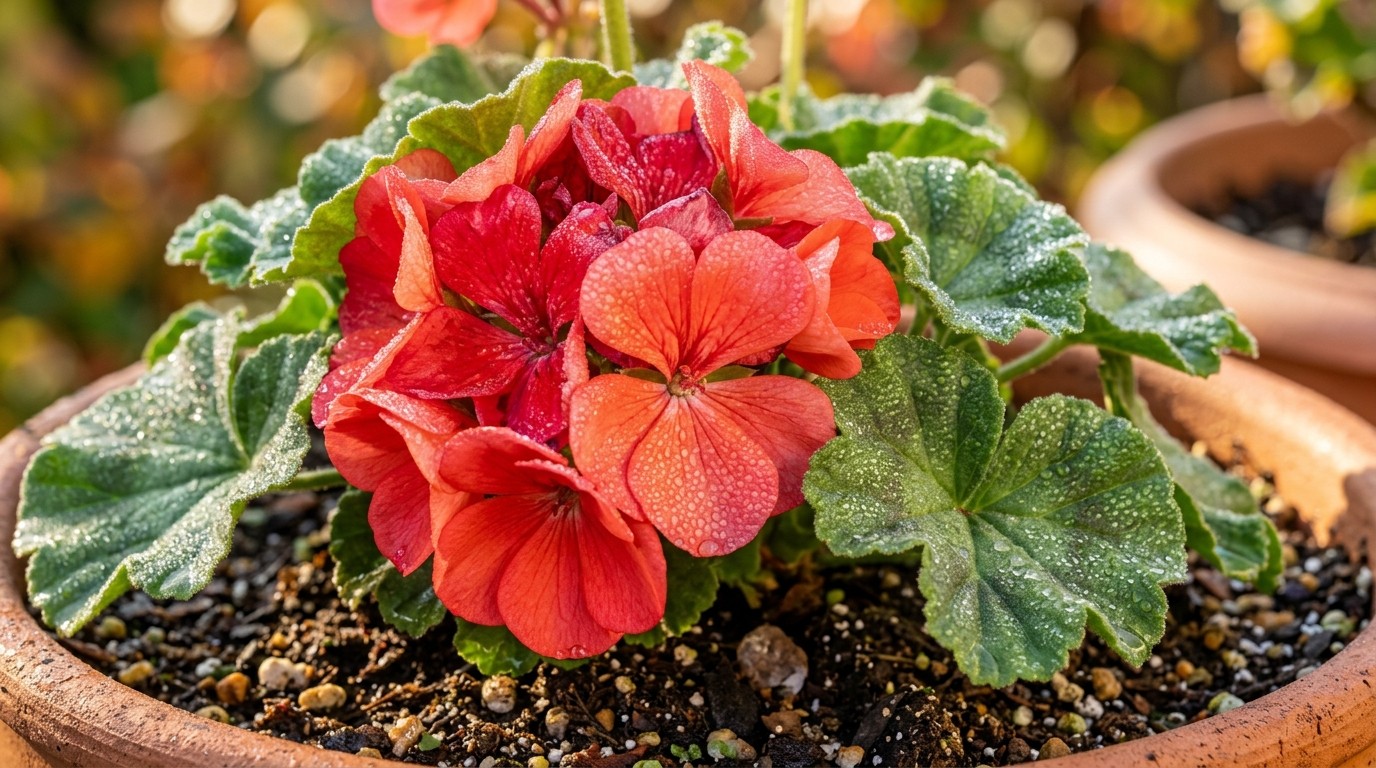
Overwintering geraniums is one of the most cost-effective and rewarding seasonal gardening traditions. Mature overwintered plants build massive woody energy reserves in their root crowns, yielding earlier, heavier bloom sets in spring compared to tiny store-bought annual nursery starts. Choosing between active indoor growth and dark dormant hibernation depends entirely on your available indoor window space, basement temperature, and personal gardening schedule.
Why You’ll Love This Overwintering Blueprint
- Save Substantial Garden Budget: Eliminate the recurring annual expense of purchasing dozen of expensive hybrid geranium starts every May.
- Two Proven Low-Maintenance Methods: Choose between sunny windowsill houseplant care or zero-light dormant paper-bag cellar hibernation.
- Massive Spring Flowering Energy: Established multi-year root systems develop triple the flower stalks of first-season seedlings.
- Simple Pest-Quarantine Protocols: Prevents transferring common garden aphids, fungus gnats, and spider mites into your clean indoor living spaces.
Key Preparation Tools & Method Selection
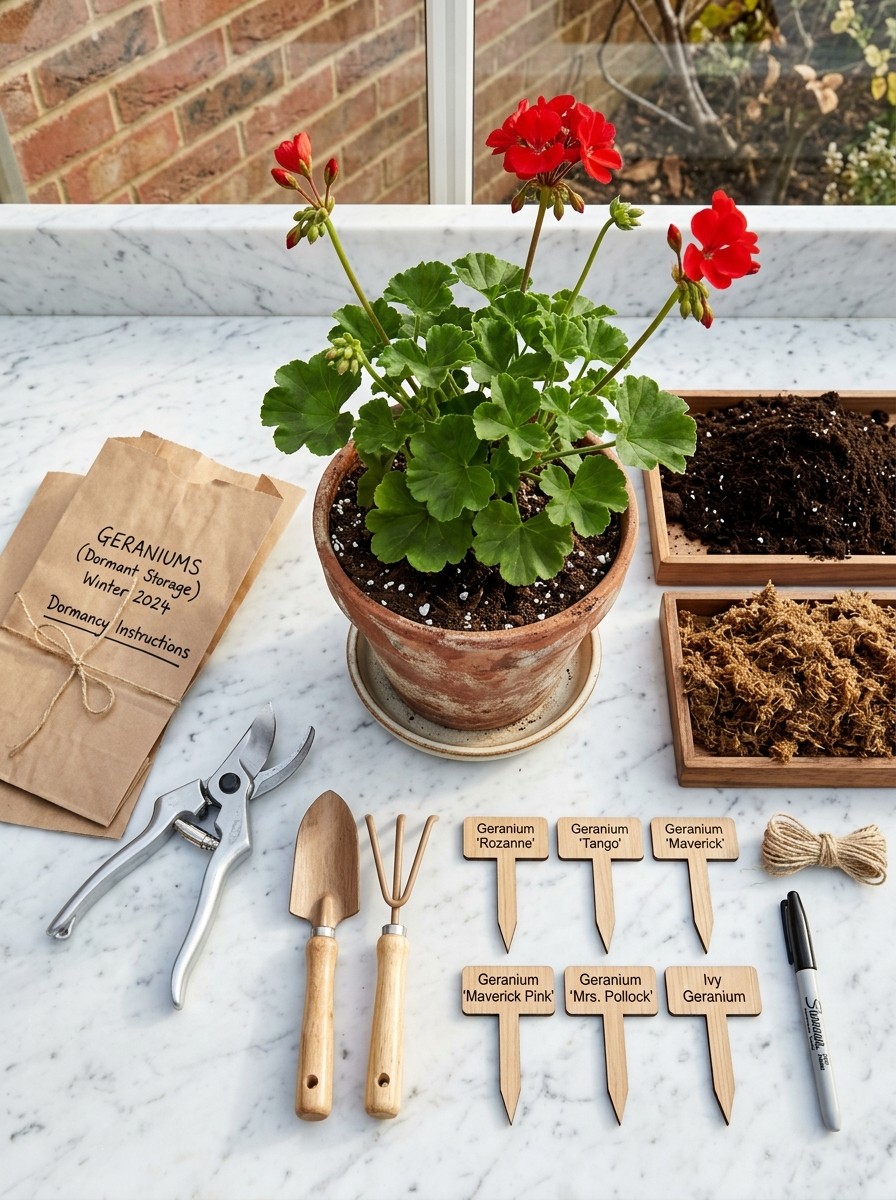
- Bypass Pruning Shears: Sharp, sanitized shears make clean surgical cuts that callous quickly without crushing tender plant vascular bundles.
- Heavy Brown Paper Bags or Cardboard Boxes: Essential breathable containers for bare-root dormant storage that regulate humidity without trapping rot-inducing moisture.
- Well-Draining Indoor Potting Mix: Clean, sterile perlite-enriched potting soil for repotted plants to avoid introducing outdoor soil-borne pathogens.
- Neem Oil or Insecticidal Soap: Pre-entry organic wash solution to eradicate hitchhiking insects before crossing your household threshold.
Step-by-Step Overwintering Walkthrough
1. Timing and Pre-Frost Inspection: Begin your overwintering protocol when nighttime temperatures consistently dip below 50°F (10°C), well before the first killing frost strikes. Inspect leaf undersides, flower stems, and soil surfaces for aphids, whiteflies, and caterpillar eggs. Treat foliage thoroughly with an organic insecticidal soap wash 48 hours prior to relocation.
2. Method A — Active Potted Houseplant Care: Cut the plant back by roughly one-third to one-half using sterilized shears to balance foliage volume with reduced winter light levels. Repot into clean containers with fresh potting mix if garden-grown, or thoroughly clean existing pot exteriors. Place pots on a bright south-facing windowsill receiving at least 4 to 6 hours of direct winter sun. Water sparingly—only when the top two inches of soil feel completely dry—and withhold all fertilizers until active growth resumes in March.
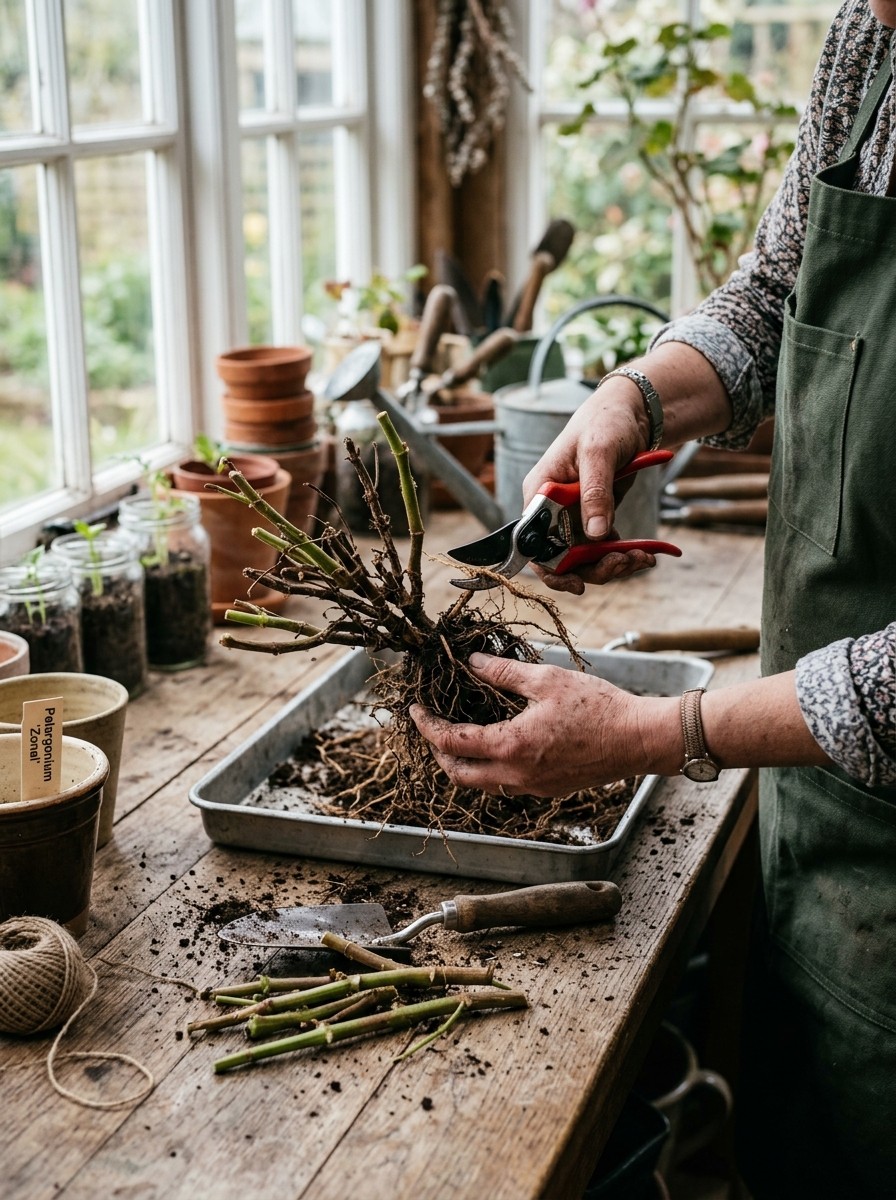
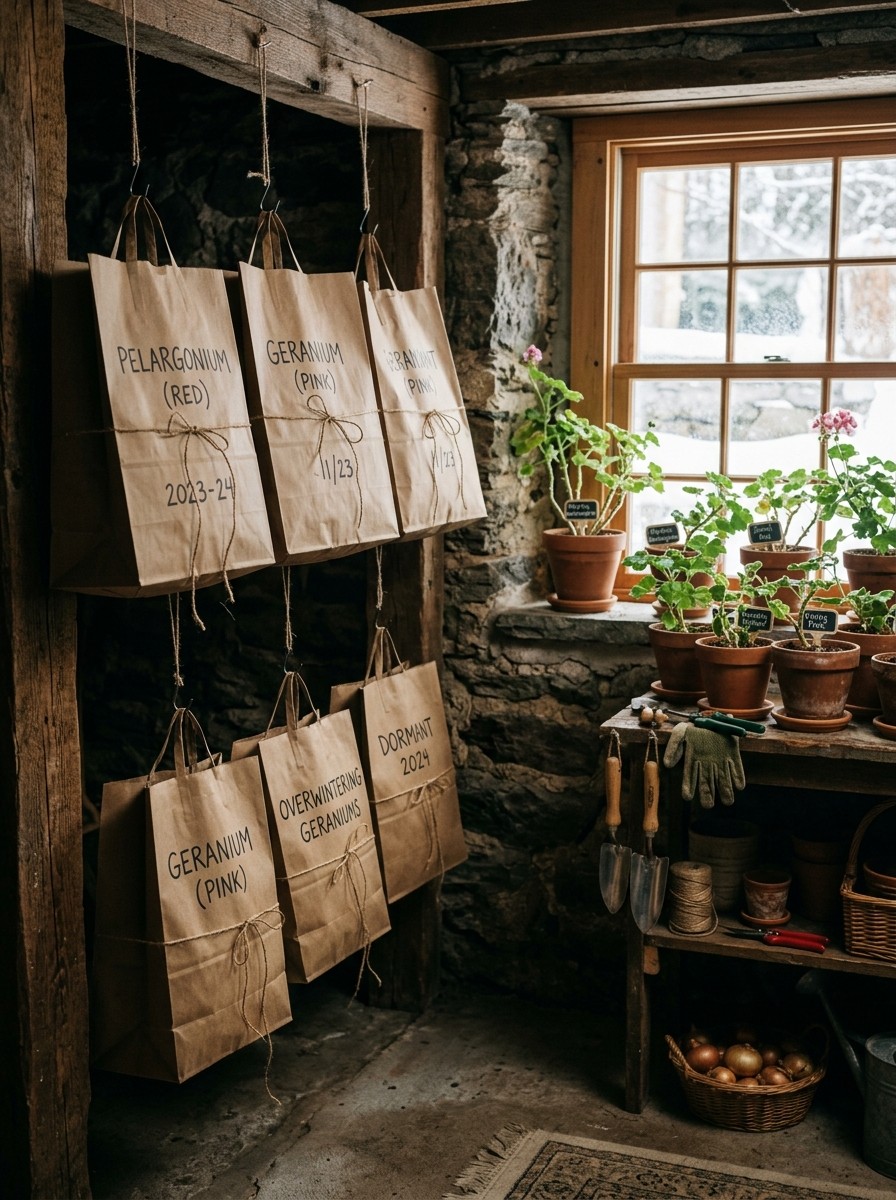
3. Method B — Dormant Bare-Root Cellar Storage: Carefully dig up plants from in-ground beds or slide them from patio pots. Gently shake the root ball to remove 80% to 90% of excess soil without tearing fine feeder roots. Prune all stems back to 6–8 inches of sturdy, green-barked wood and strip away all remaining leaves and blooms to prevent fungal decay during storage.
4. Packaging and Hanging: Place one or two bare-root plants into a large brown paper grocery bag, or loosely wrap roots in dry peat moss inside a cardboard box. Label each bag by flower color and variety. Hang bags upside down or stack boxes in an unheated, dark basement, root cellar, or insulated garage where temperatures stay steadily between 45°F and 50°F (7°C–10°C).
3 Master Secrets for 100% Dormancy Survival
1. The Monthly Root Soak Routine: Even fully dormant bare-root geraniums require minimal moisture to prevent total desiccation of their internal cambium layer. Once every 4 to 5 weeks throughout winter, unbag your bare-root plants and submerge their roots in a bucket of tepid water for 1 to 2 hours. Allow them to dry completely on newspaper for 24 hours before returning them to their storage bags.
2. Maintain Strict 45°F–50°F Temperature Control: If storage temperatures climb above 55°F (13°C), plants will attempt to break dormancy in total darkness, producing pale, weak, energy-depleting albino shoots. Conversely, exposure to sub-32°F (0°C) freezing conditions will turn succulent geranium stems into mush. Keep a digital minimum/maximum thermometer nearby.
3. The Early Spring Potting Awakening: In late February or early March (6 to 8 weeks before your last spring frost), remove dormant plants from storage. Discard any shriveled, hollow, or black stems. Soak roots overnight, trim back tips to fresh green wood, and pot them into moist potting soil in bright indirect light. Within two weeks, vigorous green leaf rosettes will emerge.
Companion Autumn Tasks & Storage Setups
- Autumn Garden Cleanliness: Pair geranium overwintering with your seasonal fall garden bed mulching and soil insulation protocols to protect adjacent perennials.
- Spring Bulb Integration: While clearing outdoor container space for overwintering, plant spring beauties following our fall bulb planting guide for continuous seasonal color.
- Cold Frame Transitioning: Semi-hardy potted cuttings can also be sheltered inside a simple DIY cold frame greenhouse before deep winter arrives.
Troubleshooting Common Winter Geranium Problems
- Yellowing Leaves on Potted Plants: Usually caused by overwatering or sudden low-light shock. Allow soil to dry thoroughly between light waterings and remove dead leaves promptly.
- Stems Turning Black & Soft (Blackleg): Caused by Pythium fungal rot in excessively cold, wet soil or overly humid storage bags. Immediately prune away black sections back to clean green tissue and sterilize blades.
- Leggy, Stretched Growth: Inactive or low-light indoor conditions prompt weak vertical stems. Pinch back growing stem tips in early spring to encourage dense, bushy branching.
Frequently Asked Questions
Can all types of geraniums be overwintered using the bare-root method?
Standard Zonal Geraniums (Pelargonium x hortorum) and Scented Geraniums respond exceptionally well to bare-root dormant storage. Ivy Geraniums (Pelargonium peltatum) and Regal/Martha Washington types have thinner, more delicate stems and survive winter much better when kept as active potted houseplants in bright light.
When should I move my overwintered geraniums back outside in spring?
Wait until all danger of spring frost has passed and night temperatures remain reliably above 50°F (10°C). Gradually harden off plants over 7 to 10 days by placing them in sheltered dappled shade before exposing them to full outdoor sun.
Should I fertilize my geraniums while they are indoors during winter?
No. Withholding fertilizer during winter is essential because short daylight hours and dormant metabolism cannot support rapid vegetative growth. Begin feeding with a balanced organic liquid fertilizer (such as 10-10-10 or diluted seaweed extract) only after new growth actively starts in spring.
Pin This Gardening Blueprint for Later
Love this overwintering guide? Save this pin to your Fall Gardening and Plant Care board on Pinterest so you have these proven dormant and potted steps ready before frost hits!