
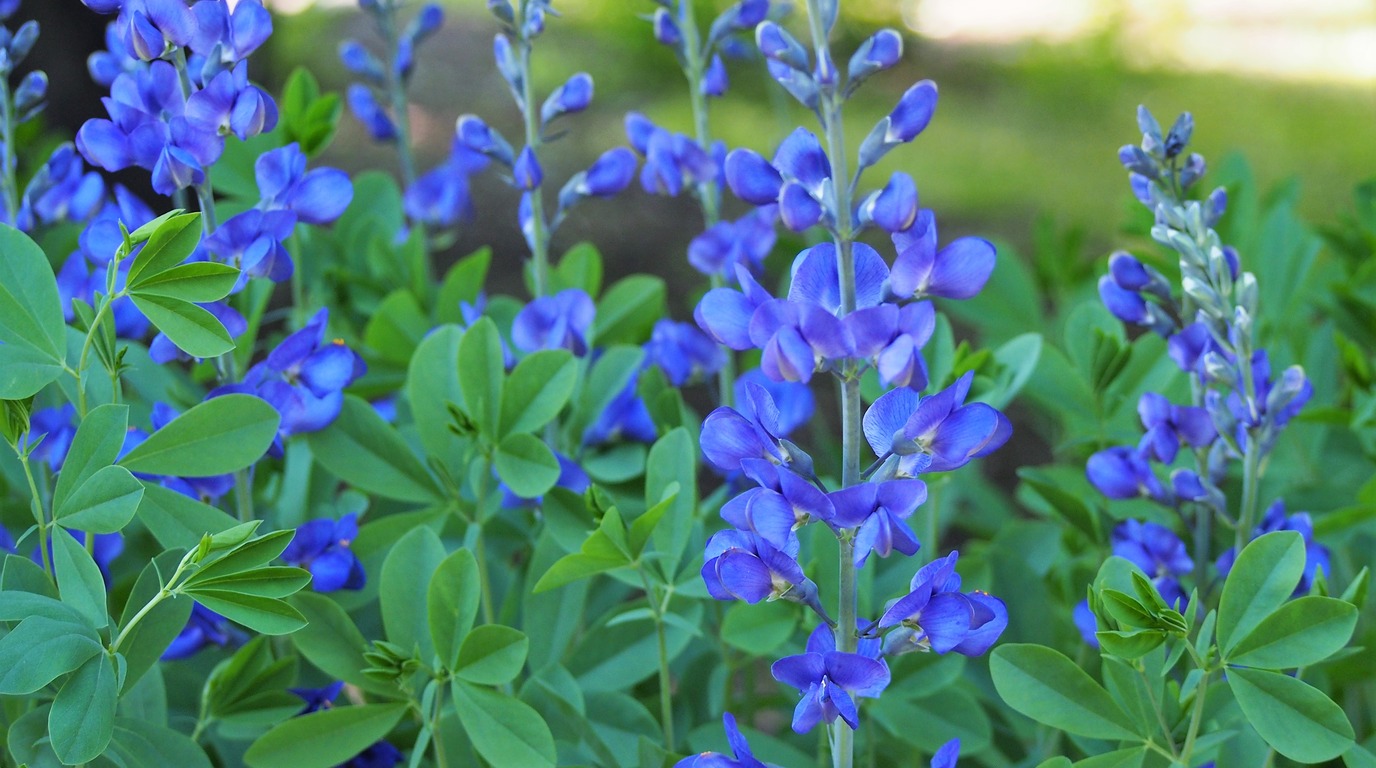
Standing like stately, shrubby sentinels in native wildflower meadows and perennial cottage borders, Baptisia australis—treasured by horticulturists as False Indigo—is one of the most magnificent, deep-rooted perennials in North American gardening. In late spring and early summer, it unfurls majestic spires of indigo-violet blossoms that resemble sweet peas against lush blue-green clover foliage. As autumn arrives, its flowers transform into dramatic, charcoal-black seed pods that rattle softly in the crisp November wind. Yet, when preparing the garden for winter, passionate growers often find themselves torn: should you prune Baptisia down to the ground like ordinary perennials, or preserve its architectural seed pods for winter wildlife and cold-season beauty? Understanding how to winterize Baptisia ensures your plants endure subzero frosts, avoid fatal winter crown rot, and erupt into spectacular bloom next spring.
Native to eastern and central North America, Baptisia is naturally rugged and remarkably cold-hardy across USDA Hardiness Zones 3 through 9, shrugging off sub-zero freezes down to -35°F without missing a beat. Once established, its immense, woody taproot plunges up to ten feet deep into the subsoil, providing extreme drought resistance and winter resilience. However, this deep-seated taproot is both Baptisia’s greatest strength and its primary vulnerability: it violently resents being transplanted or divided in autumn, and excessive winter moisture pooled around its dense crown can quickly initiate lethal fungal rot. By mastering the delicate balance between leaving standing stems for ecological winter interest and cutting back to prevent wind snap at the crown, you will protect this long-lived native gem for decades.
Why Baptisia Remains a Crown Jewel of Native Gardens
- Unrivaled Shrub-Like Stature: Mounds into a dense, billowy specimen reaching four feet tall and wide without developing woody invasive canes.
- Four-Season Architectural Presence: Offers vibrant spring shoots, luminous early summer indigo spikes, lush blue-green summer foliage, and dramatic rattling black winter seed pods alongside flowering plants for year-round color.
- Indestructible Drought and Cold Hardiness: Thrives in poor, sandy, or gravelly soils with minimal water once established, easily braving harsh northern winter freezes.
- Vital Native Habitat: Serves as a critical host plant for frosted elfin and wild indigo duskywing butterflies, while its hollow winter stems provide nesting chambers for solitary native bees.
Key Winterizing Supplies & Mulch Smart Swaps

- Heavy-Duty Bypass Pruning Shears: Mature Baptisia develops dense, tough, semi-woody stems by November; sharp bypass pruners deliver clean cuts without crushing basal tissue.
- Airy Shredded Pine Bark or Pea Gravel: Swap dense, moisture-trapping compost for sharp gravel or loose bark to maintain rapid water drainage around the high-sitting crown.
- Natural Jute Twine: If leaving seed stalks standing through winter in windy open gardens, loosely binding the center prevents branches from snapping off at ground level during blizzards.
- Winterizing Reminder (No Division Trowels!): Never attempt to divide or relocate mature Baptisia clumps in late autumn; root disruption right before winter freeze is usually fatal.
Step-by-Step Autumn & Winter Care Walkthrough for Baptisia
1. Decide Between Autumn Cutback and Winter Standing Interest: Baptisia offers exceptional structural interest through winter with its dark charcoal seed heads. If you live in an area with mild-to-moderate snowfall and moderate wind, leave the entire plant standing through winter to feed native birds and insulate the crown. However, in regions prone to heavy, wet blizzards that cause plants to flop and break at the root junction, an autumn cutback is the safer route.
2. Prune Back to 2 to 3 Inches (If Cutting Back in Autumn): If you choose autumn cutback after hard frost turns the foliage completely black or tan, use clean bypass shears to snip stems down to 2–3 inches above the soil line. Leaving small stem stubs marks the crown location in early spring and prevents water from pooling directly in the root center, echoing guidelines in how to winterize Liatris.

3. Hydrate Deeply Before Ground Freeze: In mid-autumn before the soil freezes solid, deliver a deep, thorough soaking to the root zone. Because Baptisia possesses an extensive deep taproot, storing ample moisture in subsoil reserves prevents winter desiccation caused by dry sub-zero winds, similar to protocols in how to winterize Penstemon.
4. Apply a Doughnut of Protective Mulch: Once temperatures consistently stay near freezing, spread a 2- to 3-inch ring of shredded bark mulch or pine needles around the root zone out to the drip line. Crucially, leave a 2-inch clear gap around the central stems: burying the crown under damp mulch traps fungus and promotes winter decay, as warned in how to winterize Geum.
3 Master Horticulturist Secrets for Flawless Baptisia Wintering
1. Never Divide or Relocate in Autumn: The number one cause of winter mortality in False Indigo is fall root disturbance. Baptisia forms a massive, branched taproot that takes years to establish; severed fall roots cannot heal in cold soils, leading to total rot. If division or propagation is necessary, reserve it strictly for early spring as new purple spears emerge.
2. Stake or Corrals Against Prairie Tumbleweed Effect: In high-wind, open prairie gardens, mature dried Baptisia stems can break off at soil level under gale-force winds and roll away like tumbleweeds. If you wish to preserve the seed pods for winter birds, loosely cinch the lower third of the stalks with soft jute twine to keep the bush upright and grounded through winter storms.
3. Ensure Exceptional Winter Drainage: While Baptisia tolerates a wide spectrum of soil types during the warm summer growing season, standing water or saturated heavy clay during winter freezes is fatal. If your garden has heavy clay, plant Baptisia on raised berms or surround the crown with a 1-inch gravel collar to shed excess winter precipitation, matching techniques in winterizing Campanula.
What to Pair with Baptisia in Autumn & Winter Borders

- Blazing Star (Liatris): Towering vertical purple spikes of Liatris create striking textural harmony alongside rounded, shrub-like False Indigo mounds, managed under our guide on how to winterize Liatris.
- Hardy Plumbago (Ceratostigma): Low-creeping electric cobalt blossoms and bronze fall foliage of Plumbago carpet the base beneath tall Baptisia branches, as explored in how to winterize Plumbago.
- Japanese Painted Fern (Athyrium): In semi-shaded border transitions, silvery-burgundy fronds of painted ferns complement the blue-green summer foliage and black seed heads of Baptisia, following how to winterize Japanese Painted Fern.
Winter Container Care & Spring Wake-Up Routine
- Overwintering Potted Baptisia: Potted False Indigo is vulnerable to severe root-zone freezing below 20°F (-6°C). Move containerized specimens into an unheated garage or insulated shed once dormant. Water minimally once every four to six weeks to keep root fibers alive.
- Late Winter Pruning Cleanup: If you left standing seed pods for winter wildlife, cut the entire plant back to the ground in late winter (February or March) before fresh new shoots break through the soil.
- Spring Re-Emergence Patience: Do not panic if Baptisia appears late to awaken! False Indigo is notoriously slow to emerge in spring, waiting until soil temperatures thoroughly warm in late April or May before rocketing upward.
Frequently Asked Questions
Should I cut down my Baptisia in the fall?
It is entirely optional! Cutting stems back to 2–3 inches in late autumn creates a neat garden aesthetic and prevents heavy snow from snapping stems. However, leaving the charcoal seed pods standing provides valuable winter food for birds and nesting habitat for native bees.
Can Baptisia survive freezing winters?
Yes, Baptisia is exceptionally cold-hardy down to USDA Zone 3 (-35°F). Its massive taproot stores abundant energy underground, making established plants virtually freeze-proof as long as soil drains well.
Why is my Baptisia turning black in autumn?
Turning black or dark charcoal in late autumn is completely natural! Frost triggers the foliage and seed pods to darken, signaling that the plant has entered winter dormancy and redirected its vitality underground.
Pin This Gardening Guide for Later
Save this False Indigo cold-care guide to your favorite Pinterest gardening board so you have these expert cutback rules, seed pod tips, and crown rot prevention techniques ready whenever autumn arrives!
