
Gracing cottage garden borders and rockeries with ruffled blossoms of fiery scarlet, warm tangerine, and golden apricot, Geum—affectionately known by generations of gardeners as Avens—is one of the most cheerful, hard-working perennials in modern landscaping. Flowering profusely on wiry, branched stems above dense mounds of scalloped emerald foliage, they bridge the seasonal gap between spring bulbs and summer perennials. Yet, as autumn temperatures plummet and morning frosts coat the garden, well-intentioned enthusiasts frequently make a fatal overwintering mistake: treating Geum like an ordinary herbaceous perennial and shearing its entire foliage mound down to bare soil. Stripping away the plant’s living semi-evergreen rosette removes its natural thermal blanket, leaving sensitive central crowns defenseless against freezing winter winds and devastating crown rot.
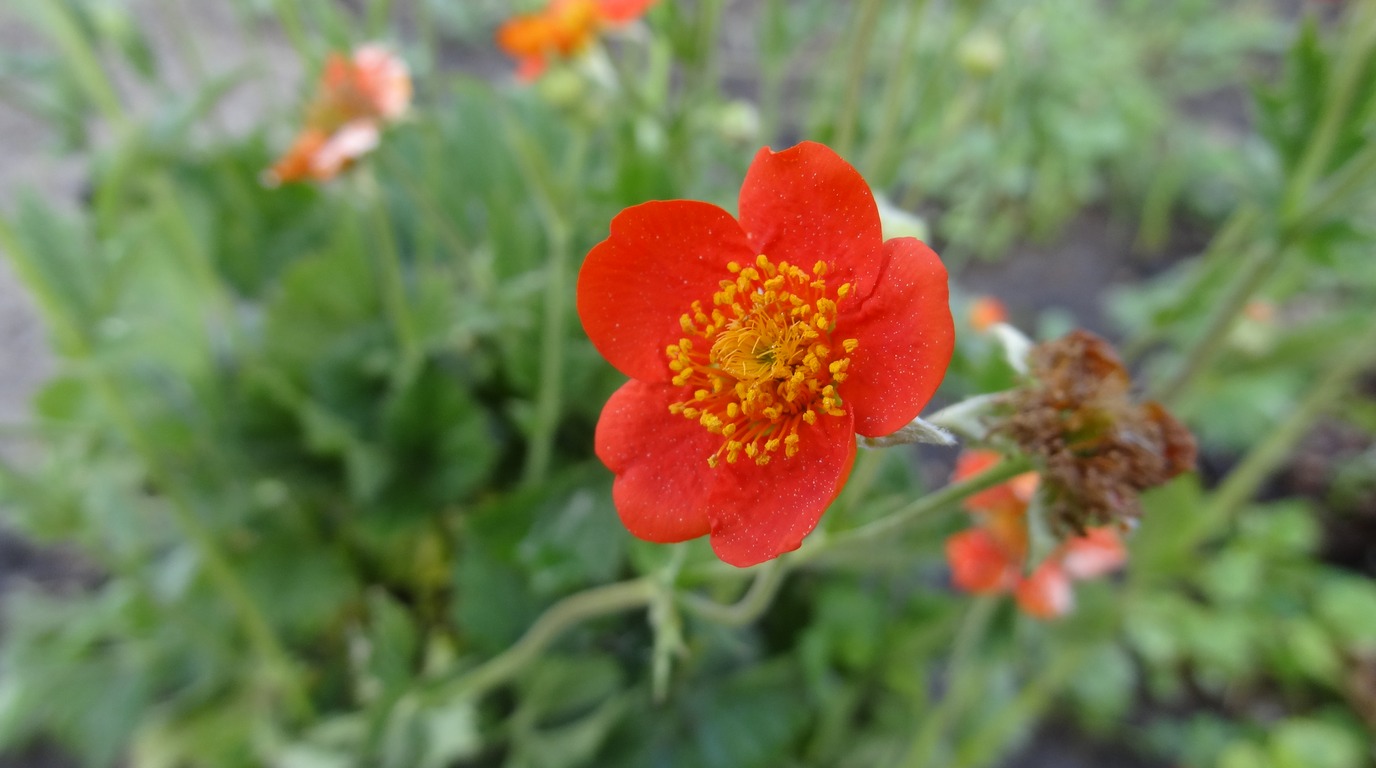
Hailing from sub-alpine screes, mountain meadows, and temperate woodlands across Europe, Asia, and the Americas, perennial Avens cultivars (such as Geum chiloense ‘Totally Tangerine’, ‘Mrs. J. Bradshaw’, and Geum rivale) are naturally cold-hardy across USDA Hardiness Zones 4 through 9, effortlessly enduring winter lows down to -30°F. However, cold hardiness in free-draining mountain screes does not equal survival in waterlogged, heavy clay garden beds. Because Geum plants grow from elevated central woody crowns and maintain semi-evergreen basal leaf rosettes through winter, excessive winter moisture and suffocating leaf mulches breed lethal fungal rot within weeks. Implementing a strategic autumn routine—deadheading old flower stalks while preserving living green mounds and applying mineral drainage collars—guarantees vigorous spring bud formation.
Why Geum Remains an Invaluable Garden Perennial
- Unmatched Fiery Color Palette: Delivers luminous shades of scarlet, copper, apricot, and lemon that contrast brilliantly with cool blue companion flowers.
- Long-Season Bloom Resilience: Modern hybrid cultivars bloom continuously from late spring through late summer with periodic autumn flushes alongside flowering plants for year-round color.
- Semi-Evergreen Winter Structure: Scalloped basal leaf cushions stay green throughout mild winters, providing ornamental ground structure when other perennials have vanished.
- Pollinator Magnet: Open cup-shaped blooms offer abundant early-season nectar for native bumblebees, honeybees, and beneficial pollinating insects.
Key Winterizing Supplies & Mulch Smart Swaps

- Sharp Bypass Hand Snips: Narrow, scissor-action blades allow you to snip dry flower stems right down to the foliage mound without ripping or dislodging the high-sitting crown.
- Coarse Pea Gravel or Sharp Horticultural Grit: Swap heavy, moisture-trapping wood mulch for mineral gravel to collar the central crown and accelerate water drainage away from root tissues.
- Airy Pine Straw or Cut Evergreen Boughs: Loose, breathable boughs shade green foliage from desiccating winter sun without compressing into a sodden, airless blanket.
- Sanitized Hand Trowel: Essential for dividing overcrowded, woody clumps every 2 to 3 years to maintain plant vitality.
Step-by-Step Autumn & Winter Care Walkthrough for Geum
1. Deadhead Faded Autumn Flower Spikes: In late autumn after the final blossoms cease, trace spent flower stems down into the foliage mound and snip them off cleanly at the base. Removing old stalks prevents plants from expending vital energy on seed production while eliminating hiding spots for overwintering pests.
2. Preserve the Living Foliage Mound: Never shear Geum foliage to the ground in autumn. The ground-hugging rosette of green leaves is semi-evergreen and protects the central crown from freezing winter winds; only trim away outer leaves that have turned yellow, brown, or mushy.

3. Apply a 1-Inch Mineral Drainage Collar: Gently lift the outer edges of the foliage mound and spread a 1-inch layer of clean pea gravel, pumice, or sharp grit beneath the leaves and around the crown. This mineral collar creates an instant moisture-shedding buffer, ensuring the crown does not rest on soggy freezing soil, similar to the protocols in how to winterize Campanula.
4. Lay Evergreen Boughs After Ground Freeze: In northern zones (USDA Zones 4–6) subject to freezing bare-ground winds and sun scald, wait until the top inch of garden soil freezes solid. Then loosely lay evergreen spruce or pine branches over the plants to screen foliage without suffocating air circulation, echoing techniques in winterizing Dianthus.
3 Master Horticulturist Secrets for Flawless Geum Wintering
1. Guard Against Freeze-Thaw Frost Heaving: Geum has a shallow, fibrous root system that sits relatively high in the soil. Repeated freeze-and-thaw cycles in clay soils can heave the entire crown completely out of the ground, exposing fragile roots to desiccating arctic winds. Applying a gravel collar and loose bough screen anchors the soil temperature and prevents root displacement, as practiced when winterizing Penstemon.
2. Keep Wet Deciduous Leaves Cleaned Away: Whole maple or oak leaves that fall onto Geum mats form an airtight, sodden blanket that causes rapid fungal crown rot. Gently rake away all wet autumn tree leaves from the perimeter of the plants, similar to rules in winterizing Japanese Painted Ferns.
3. Divide Clumps Every 2 to 3 Years: Geums are short-lived perennials if left untouched; their centers tend to become woody, hollow, and prone to winterkill after three seasons. Lift and divide mature clumps in early autumn or early spring, replanting vigorous outer divisions into fertile, well-draining soil.
What to Pair with Geum in Autumn & Winter Borders

- Hardy Plumbago (Ceratostigma): Pairing fiery orange and scarlet Geum with electric cobalt Plumbago creates unmatched chromatic drama, as detailed in our guide on how to winterize Plumbago.
- Bellflowers (Campanula): Nodding purple and sky-blue bellflowers provide cool structural harmony in front of warm-toned Geum clumps.
- Blazing Star (Liatris): Towering vertical purple spikes of Liatris offer architectural contrast behind low, mounded Avens rosettes managed under how to winterize Liatris.
Container Overwintering & Spring Wake-Up Routine
- Overwintering Potted Geum: Planters lack the insulation of garden ground; root balls will freeze solid below 25°F (-4°C). Move containerized Geums into an unheated garage, shed, or sheltered basement for winter. Water lightly once a month to prevent roots from drying out completely.
- Spring Uncovering Routine: As snow melts and daytime temperatures consistently exceed 45°F (7°C), remove protective pine boughs to allow early spring sunshine to warm the soil.
- Early Spring Cleaning & Feeding: In early spring, snip away any winter-damaged, tattered outer leaves and top-dress the root zone with a 1-inch layer of rich organic compost to fuel prolific flower buds.
Frequently Asked Questions
Should Geum be cut back in the fall?
You should deadhead spent flowering stems down to the foliage mound in autumn, but never cut back the green leaves. Geum has a semi-evergreen foliage rosette that protects the central crown through winter. Save any major foliage cleanup for early spring.
Can Geum survive freezing winters outdoors?
Yes, Geum is fully cold-hardy down to USDA Zone 4 or 5 (-20°F to -30°F). Its primary winter threat is not freezing air temperatures, but waterlogged soil and heavy, suffocating wet mulch resting directly on the crown.
Why do Geum plants die out after a few years?
Geum naturally forms an elevated woody center over 2 to 3 years, which leaves the rootstock vulnerable to frost heaving and crown rot. Dividing clumps every 2–3 years in early autumn or early spring rejuvenates the plant and ensures longevity.
Pin This Geum Winterizing Guide for Later
Protect your cheerful avens blooms! Save this pin to your Pinterest gardening board so you have these essential rosette care rules, crown rot prevention tips, and winter mulch steps ready for autumn!
