
Few cottage garden perennials capture the timeless charm of European cottage borders quite like Campanula, affectionately cherished by generations of gardeners as the Bellflower or Carpathian Harebell. Famous for their delicate nodding bells and vibrant starry blossoms in shades of celestial sky blue, rich royal violet, and pristine pearl white, they bring vibrant romance to retaining walls, sunny screes, and mixed perennial borders. Yet, as autumn frosts chill the garden soil, well-meaning enthusiasts frequently make a fatal seasonal mistake: treating all Bellflowers like generic herbaceous perennials and shearing every stem flush to the soil line. Pruning away living semi-evergreen basal foliage mats strips low-growing species of their natural winter insulation, while moisture-trapping mulches rot vulnerable crowns before spring thaw arrives.
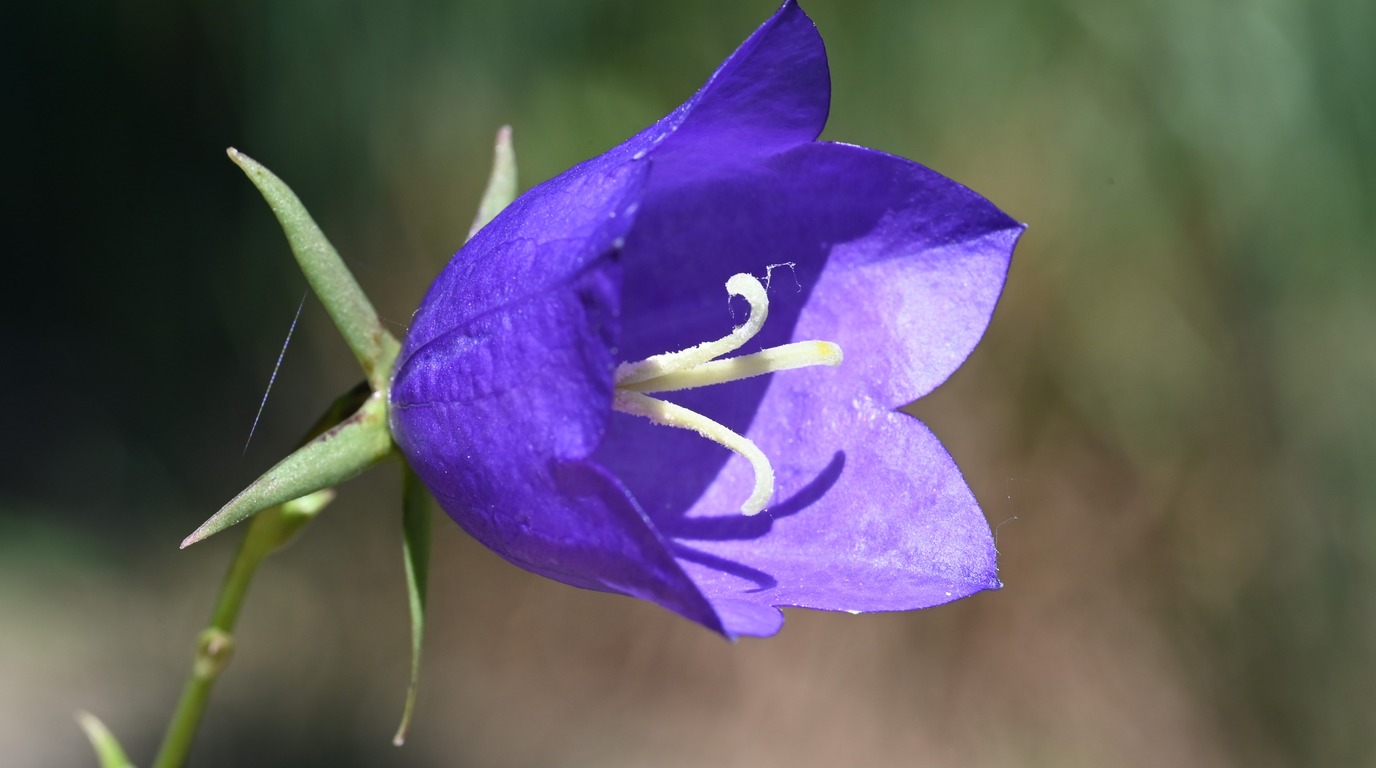
Originating across the rugged limestone screes of the Carpathian Mountains and sub-alpine European hillsides, true perennial Campanula species (including Campanula carpatica, Campanula persicifolia, and creeping Campanula portenschlagiana) are exceptionally cold-hardy across USDA Zones 3 through 9, effortlessly enduring temperatures well below -30°F. However, cold hardiness in steep mountain crevices does not translate to cold tolerance in flat, poorly drained backyard soils. While upright border varieties produce tall stems that naturally collapse into dormancy, low creeping types maintain a dense, living cushion of semi-evergreen leaves throughout the coldest winter months. Differentiating between growth habits, establishing sharp mineral drainage collars, and shielding basal crowns from desiccation ensures prolific bell-shaped blooms year after year.
Why Campanula Remains an Invaluable Perennial Staple
- Prolific Nodding Bell Blossoms: Produces hundreds of star- and cup-shaped blooms that flutter gracefully in summer breezes, attracting bees and hummingbirds.
- Versatile Garden Architecture: Ranges from 4-inch trailing stone groundcovers to commanding 3-foot upright spires in cottage borders alongside flowering plants for year-round color.
- Rockery & Crevice Adaptability: Thrives in rocky, gravelly soil pockets and vertical stone walls where most perennials struggle with shallow rooting.
- Superb Cold Hardiness: Deeply established root crowns endure harsh northern winters without needing artificial heat or complicated lifting.
Key Winterizing Supplies & Mulch Smart Swaps

- Precision Bypass Hand Snips: Narrow blades allow you to snip faded floral stems cleanly without gouging the delicate semi-evergreen basal leaf mat.
- Coarse Pea Gravel or Horticultural Grit: Swap heavy, moisture-trapping bark mulch for sharp mineral grit to collar crowns and shed freezing rains.
- Airy Evergreen Boughs or Pine Straw: Loose, breathable boughs shade dormant crowns from desiccating winter sun without compressing into a wet, moldy blanket.
- Crushed Dolomitic Limestone: A gentle top-dressing around bellflowers neutralizes acidic winter snowmelt, catering to their natural preference for alkaline limestone soils.
Step-by-Step Autumn & Winter Care Walkthrough for Bellflowers
1. Deadhead Late Summer & Autumn Flower Stems: In mid-to-late autumn after flowering ceases, use clean bypass snips to trim spent bloom stalks down to the base. For tall upright species (like C. persicifolia), cut faded flowering stems back to the basal rosette; for trailing rockery types, snip off withered flower wands while leaving green foliage undisturbed.
2. Protect the Semi-Evergreen Foliage Mat: Never shear low-growing creeping bellflowers (such as Carpathian or Dalmatian bellflowers) down to the ground in autumn. The compact green rosette carries out slow photosynthesis and insulates the dormant crown against frostbite; only snip visibly brown or diseased foliage.

3. Apply a 1-Inch Mineral Drainage Collar: Carefully lift the trailing edges of the foliage cushion and spread a 1-inch layer of clean pea gravel, pumice, or sharp horticultural grit directly beneath the stems. This elevates living foliage above damp soil and accelerates water runoff away from the crown, echoing protocols in how to winterize Dianthus.
4. Lay Evergreen Boughs After Ground Freeze: In northern regions (USDA Zones 3–5) subject to bare-ground freezing winds and sun scald, wait until the top inch of garden soil freezes solid. Then loosely lay spruce or pine branches over the plants to shield green leaves from winter desiccation while allowing air to circulate freely.
3 Master Horticulturist Secrets for Flawless Campanula Wintering
1. Keep Suffocating Tree Leaves Away from Crowns: Deciduous autumn leaves from maples or oaks trap moisture and exclude oxygen. If allowed to mat over Campanula rosettes, fungal crown rot will decimate the plant within weeks. Always rake wet leaves away from Bellflower beds, similar to the leaf clearing rules in winterizing Japanese Painted Ferns.
2. Guard Against Freeze-Thaw Root Heaving: Campanula has a shallow, fibrous root network. Alternating freeze-and-thaw cycles can heave plants completely out of the soil. Applying a gravel collar adds ballast and keeps soil temperatures stable, preventing root exposure during winter thaws, as practiced when winterizing Penstemon.
3. Delay Rejuvenation Shearing Until Mid-Spring: If your bellflowers have become woody or sparse in the center, resist the urge to renovate them in autumn. Wait until mid-spring when robust new green growth erupts from the crown, then shear the plant back by one-third to encourage dense, bushy flowering mounds.
What to Pair with Campanula in Autumn & Winter Borders

- Dianthus (Garden Pinks): Sharing an identical craving for full sun and sharp gravel drainage, blue-grey Dianthus cushions provide year-round foliage contrast beneath Bellflowers.
- Bluebeard (Caryopteris): Late-season purple-blue sub-shrubs complement Campanula hues and share identical dry-winter soil care outlined in winterizing Caryopteris.
- Blazing Star (Liatris): Dramatic vertical prairie wands provide contrasting architectural spikes behind mounding bellflower borders managed under how to winterize Liatris.
Container Overwintering & Spring Wake-Up Routine
- Overwintering Potted Bellflowers: Containerized roots freeze much faster than ground soil. Move potted Campanula into an unheated garage, shed, or sheltered basement once temperatures drop below 28°F (-2°C). Provide a modest sip of water once a month to prevent roots from desiccating.
- Spring Uncovering Routine: As snowpacks melt and daytime temperatures rise consistently above 45°F (7°C), remove protective evergreen boughs to expose basal rosettes to warming spring sun.
- Early Spring Feeding: Top-dress the base with a thin layer of compost and a dusting of balanced organic fertilizer in early spring to fuel vigorous bud formation.
Frequently Asked Questions
Should I cut back Campanula in the fall?
For tall upright varieties (like Peach-leaved Bellflower), cut back faded floral stems to the basal green leaves after frost. For low groundcover varieties (like Carpathian Bellflower), do not cut back the foliage mat in autumn; only snip off spent seedheads and wait until spring to trim the foliage.
Can Campanula survive freezing winters outdoors?
Yes, most perennial Campanula varieties are extremely cold-hardy down to USDA Zone 3 or 4 (-30°F to -40°F). Their primary winter danger is saturated, poorly drained soil and soggy mulch resting on the crown.
What is the best mulch for Campanula during winter?
Clean pea gravel or coarse horticultural grit is the best winter collar for Campanula because it provides superior crown drainage without holding excess moisture. In very cold northern zones, loose evergreen boughs placed over the clumps provide ideal thermal shielding.
Pin This Campanula Winterizing Guide for Later
Protect your delicate bellflower blooms! Save this pin to your Pinterest gardening board so you have these essential pruning rules, rosette protection tips, and winter drainage steps ready for autumn!
