1. Creating a Pollinator-Friendly Garden with Native Plant Species
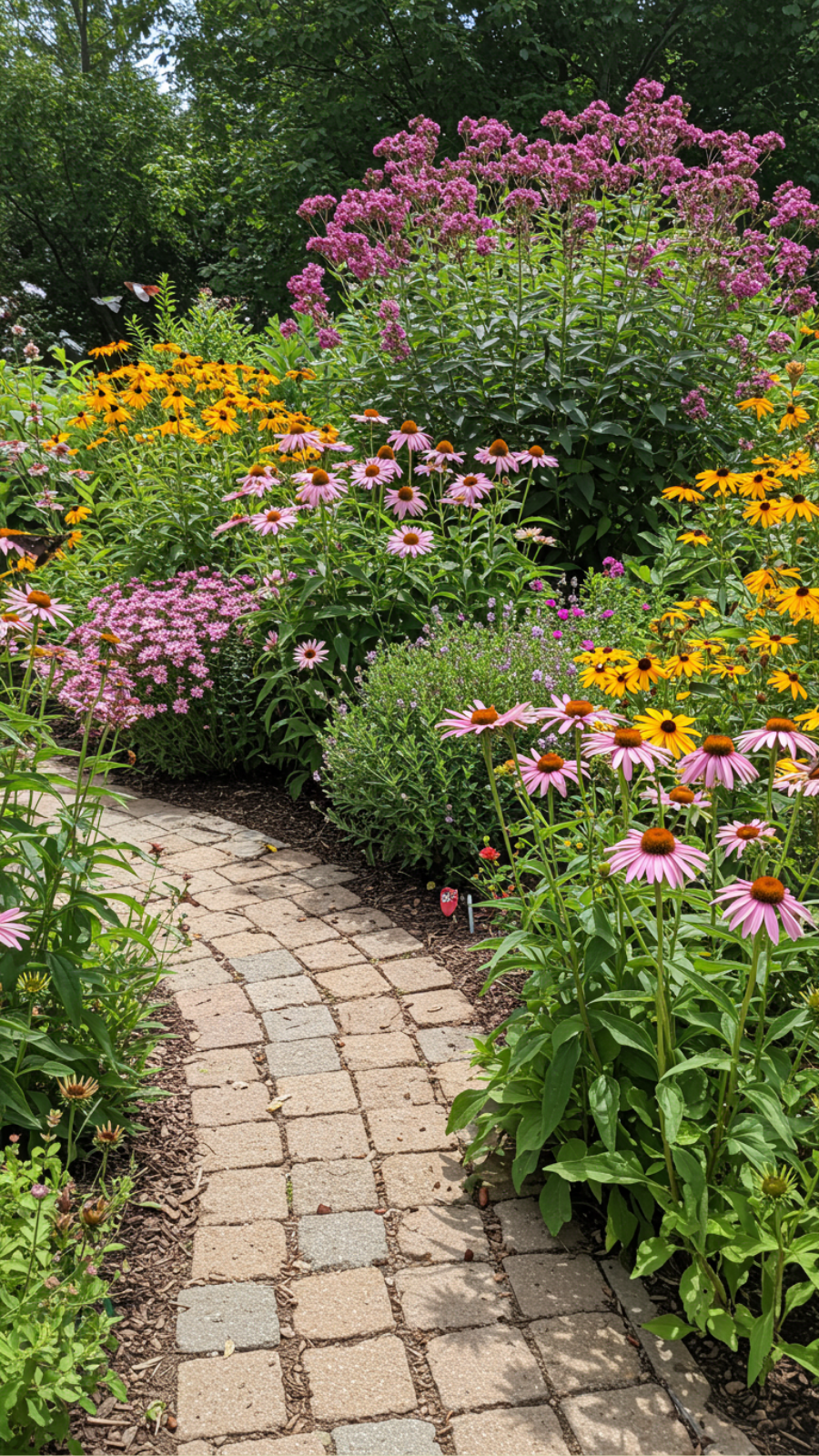
Creating a Pollinator-Friendly Garden with Native Plant Species
Transforming your garden into a pollinator-friendly haven is both rewarding and essential for supporting local ecosystems. By incorporating native plant species, you’ll attract a variety of pollinators, including bees, butterflies, and hummingbirds. Here’s a step-by-step guide to help you get started.
Step 1: Choose Native Plants
Selecting the right plants is crucial. Native species are adapted to your local climate and soil, requiring less maintenance. Consider plants like:
- Black-eyed Susans (Rudbeckia hirta)
- Blazing Star (Liatris spicata)
- Milkweed (Asclepias spp.)
- Purple Coneflower (Echinacea purpurea)
Step 2: Design Your Garden Layout
Design your garden with a variety of bloom times to ensure a continuous source of nectar and pollen throughout the growing season. Group plants in clusters to make foraging easier for pollinators.
Step 3: Incorporate Essential Features
Include water sources and shelter, like:
- Shallow birdbaths
- Bee hotels
- Rock piles for butterflies
Common Mistakes to Avoid
Many gardeners overlook the importance of avoiding pesticides, which can harm beneficial insects. Additionally, ensure your garden has adequate sun exposure and well-draining soil.
Best Practices for Pollinator Gardens
Regularly deadhead spent flowers to encourage new growth and consider rotating plants to maintain soil health. Embrace a diversity of species to create a balanced ecosystem.
By following these expert tips, you’ll create a thriving pollinator-friendly garden that not only beautifies your space but also supports vital wildlife. Happy gardening!
2. Implementing Rainwater Harvesting Systems for Sustainable Irrigation
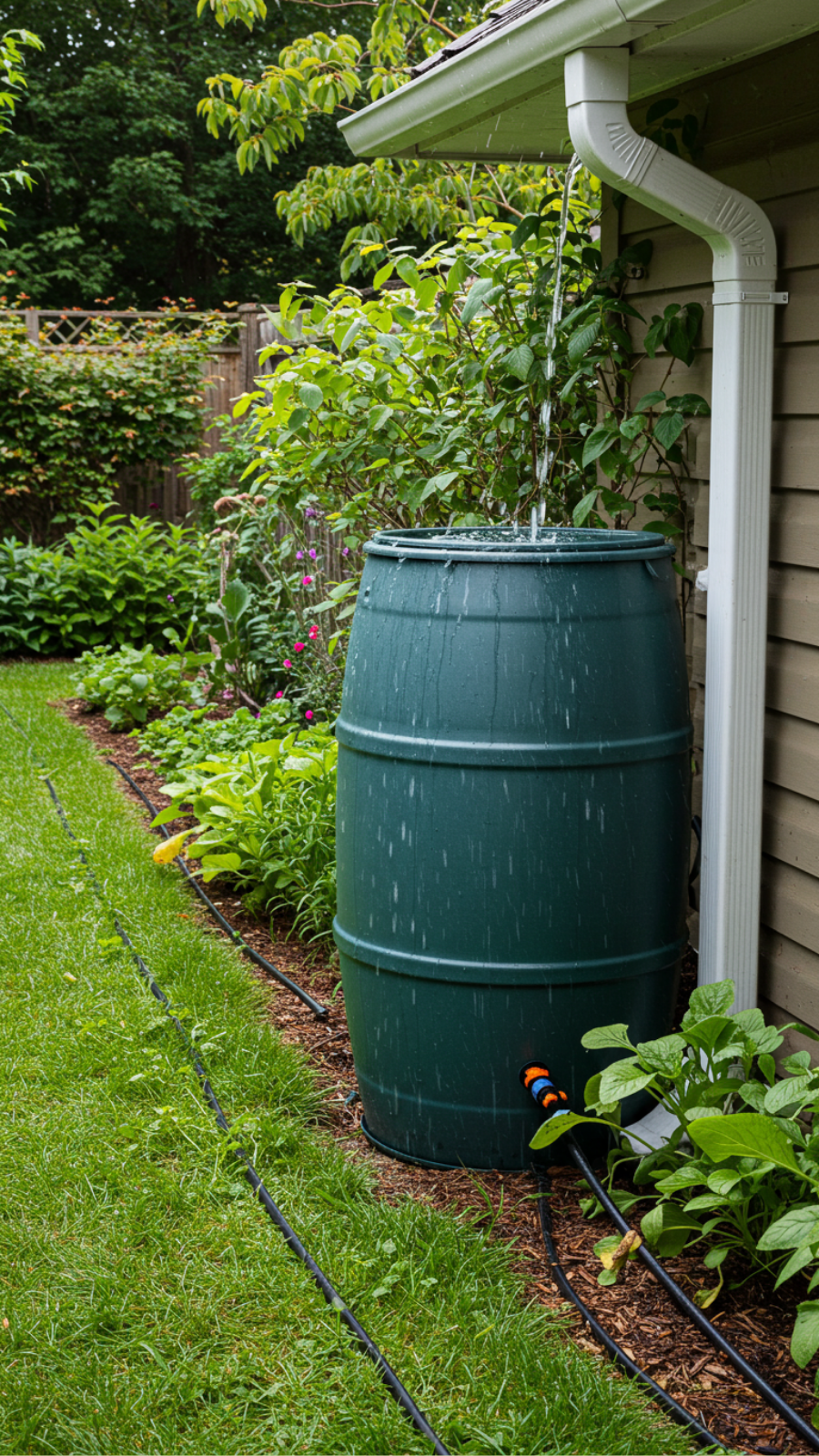
Implementing Rainwater Harvesting Systems for Sustainable Irrigation
Rainwater harvesting systems are an excellent way to promote sustainable irrigation in your garden. By collecting and utilizing rainwater, gardeners can reduce water bills, conserve resources, and ensure their plants thrive even during dry spells. Here’s how you can easily implement a rainwater harvesting system in your garden.
Step-by-Step Guide
- Assess Your Space: Identify areas where rainwater naturally collects, such as roofs or patios.
- Select Storage Containers: Choose rain barrels or cisterns made from food-grade materials. A capacity of 50-100 gallons is ideal for most gardens.
- Install Gutters and Downspouts: Ensure your roof has gutters that direct rainwater to your storage container. Consider using leaf guards to minimize debris.
- Create a Distribution System: Use soaker hoses or drip irrigation systems to efficiently distribute collected rainwater to your plants.
- Maintain Your System: Regularly clean your gutters and storage containers to prevent contamination and ensure optimal flow.
Expert Tips and Common Mistakes
To maximize the effectiveness of your rainwater harvesting system, keep these tips in mind:
- Avoid using rainwater from roofs treated with harmful chemicals.
- Ensure your barrels have a tight-fitting lid to prevent mosquito breeding.
- Consider installing a first-flush diverter to discard the initial dirty runoff.
By implementing a rainwater harvesting system, you not only contribute to environmental sustainability but also enhance your gardening practices. Embrace this current trend in garden DIY to create a resilient and eco-friendly garden that flourishes throughout the seasons.
3. Utilizing Companion Planting Techniques to Enhance Garden Biodiversity
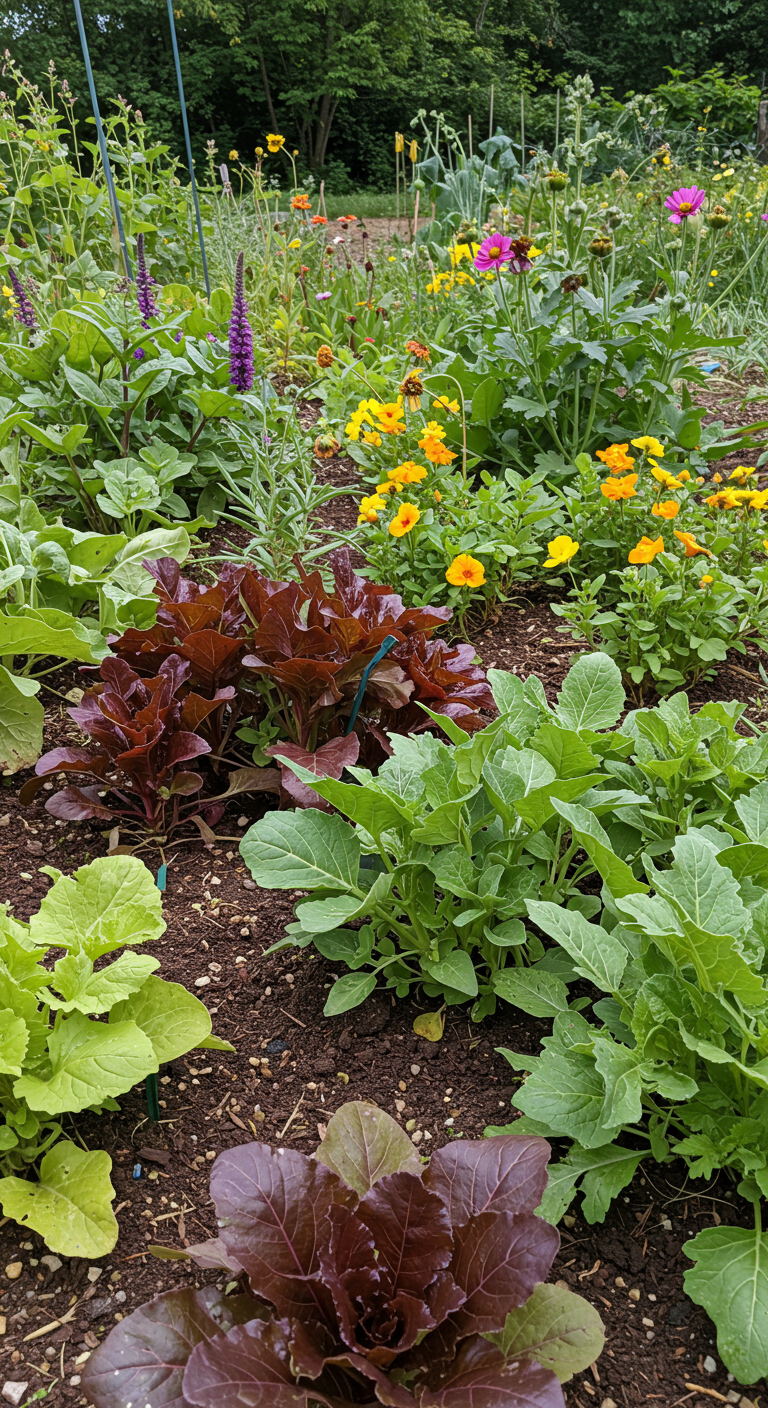
Utilizing Companion Planting Techniques to Enhance Garden Biodiversity
Companion planting is an innovative gardening technique that can significantly enhance your garden’s biodiversity. By strategically pairing plants, you can improve growth, deter pests, and promote a healthier ecosystem. Here’s how to effectively implement companion planting in your garden.
Why Companion Planting Matters
Companion planting encourages beneficial interactions among plants, such as:
- Pest Control: Certain plants can repel pests (e.g., marigolds deter nematodes).
- Nutrient Sharing: Legumes fix nitrogen in the soil, benefiting neighboring plants like corn.
- Growth Support: Taller plants can provide shade for shade-loving varieties.
Step-by-Step Companion Planting Guide
- Research Plant Pairings: Identify compatible plants, such as basil with tomatoes, to enhance flavor and deter pests.
- Plan Your Layout: Group compatible plants in close proximity to maximize their benefits.
- Monitor Soil Health: Maintain healthy soil with compost and organic fertilizers to support diverse plant life.
- Observe and Adjust: Watch for signs of plant stress or pest issues and adjust pairings as necessary.
Common Mistakes to Avoid
Even seasoned gardeners can falter in companion planting. Here are common mistakes to watch out for:
- Neglecting plant height and light requirements.
- Overcrowding plants, which can lead to competition for resources.
- Ignoring seasonal variations in growth patterns.
Best Practices for Successful Companion Planting
To maximize the benefits of companion planting:
- Rotate crops annually to prevent soil depletion.
- Incorporate a variety of plants to attract pollinators.
- Regularly test soil health to ensure nutrient availability.
By utilizing companion planting techniques, you can cultivate a thriving garden that supports biodiversity, enhances growth, and minimizes pests. Embrace these expert tips and enjoy the multitude of benefits that come with a well-planned companion planting strategy!
4. Building a Compost Bin: Transforming Kitchen Scraps into Black Gold
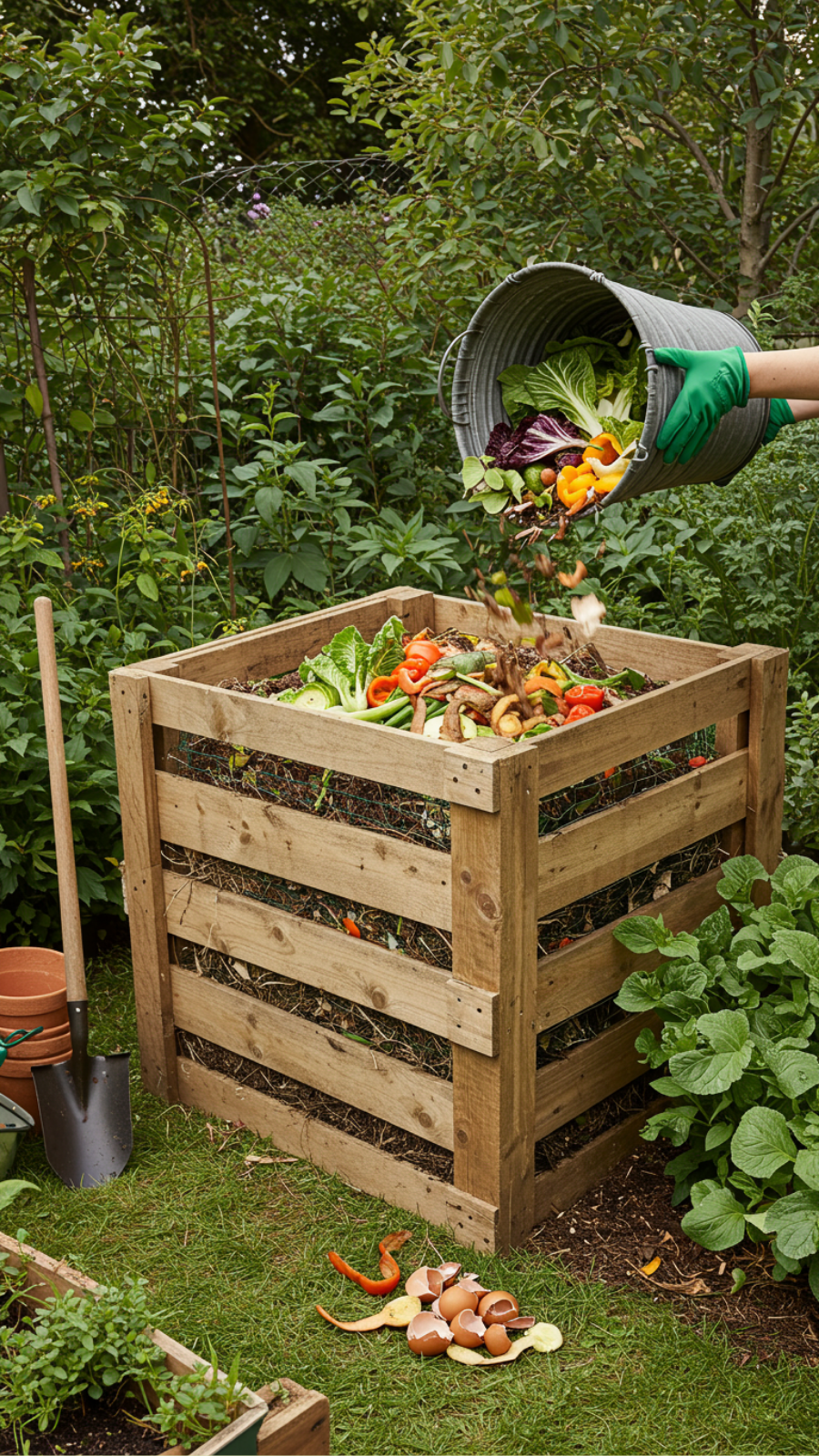
Building a Compost Bin: Transforming Kitchen Scraps into Black Gold
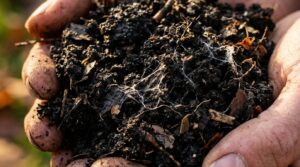
Creating a compost bin is an essential step for any gardener looking to enrich their soil naturally. Composting transforms kitchen scraps and yard waste into nutrient-rich organic matter, often referred to as “black gold.” Here’s a step-by-step guide to building your own compost bin and maximizing its benefits.
Materials Needed
- Wood pallets or wire mesh
- Nails or screws
- Hinges (for a lid)
- Garden tools (saw, hammer, drill)
Step-by-Step Guide
- Choose a Location: Select a dry, shaded area in your garden, preferably near a water source.
- Construct the Bin: Use wood pallets to create a three-sided structure, leaving the front open for easy access.
- Add a Lid: Attach a hinged lid to retain moisture and heat, essential for effective composting.
- Layer Your Materials: Alternate between green materials (kitchen scraps, grass clippings) and brown materials (dry leaves, cardboard).
- Turn the Pile: Every few weeks, aerate your compost by turning it with a pitchfork to speed up decomposition.
Expert Gardening Tips
- Maintain a balance of carbon and nitrogen-rich materials for optimal composting.
- Avoid adding meat, dairy, and oily foods to prevent odors and pests.
- Keep the compost moist, but not soggy; aim for a consistency like a wrung-out sponge.
Common Mistakes to Avoid
- Not turning the compost regularly, leading to slow decomposition.
- Using the wrong materials, which can attract unwanted pests.
By following these best practices, you’ll create a thriving compost bin that converts your organic waste into valuable compost. Embrace this current trend in Garden DIY to foster a healthier garden ecosystem!
5. Practicing No-Till Gardening for Soil Health and Weed Control
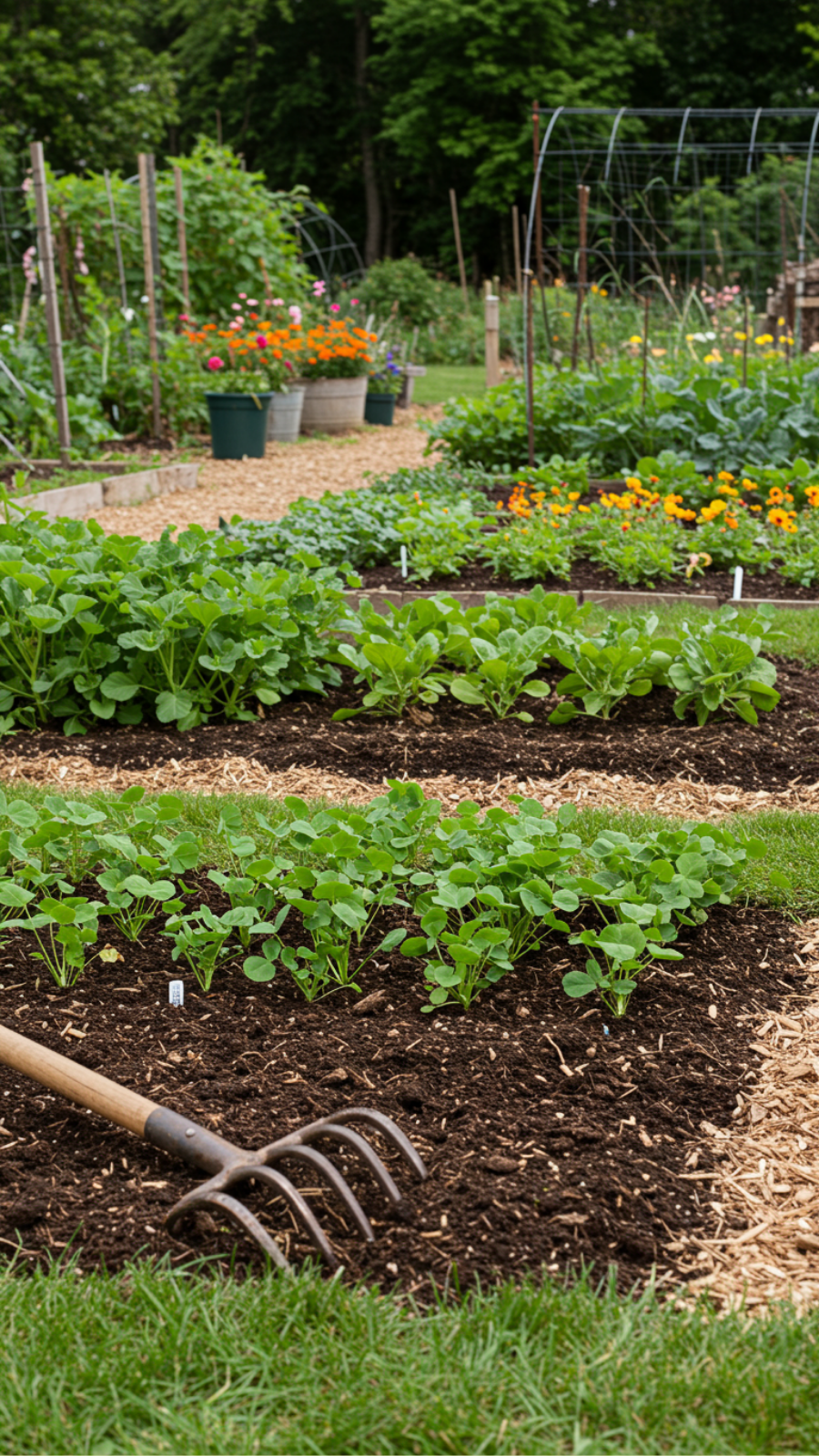
Practicing No-Till Gardening for Soil Health and Weed Control
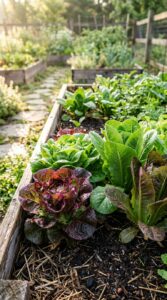
No-till gardening is an innovative approach that promotes soil health and effective weed control, making it a popular choice among modern gardeners. By minimizing soil disturbance, this method preserves beneficial organisms and enhances soil structure. Here’s how to implement no-till gardening effectively.
Step-by-Step Guide to No-Till Gardening
- Choose Your Location: Select a well-drained area with ample sunlight.
- Prepare Your Base: Lay down cardboard or newspaper to suppress existing weeds.
- Add Organic Matter: Layer compost, straw, or mulch on top of the cardboard to enrich the soil.
- Plant Directly: Use a trowel to create small holes in the mulch for your seeds or seedlings.
- Maintain Moisture: Regularly water your garden, especially during dry spells, to support plant growth.
Expert Tips and Common Mistakes
- Tip: Use a variety of organic materials in your mulch to enhance nutrient diversity.
- Tip: Monitor moisture levels closely; overwatering can lead to root rot.
- Mistake to Avoid: Don’t disturb the soil—this disrupts the beneficial microbial ecosystem.
- Mistake to Avoid: Avoid using chemical herbicides that can harm soil health.
Best Practices for No-Till Gardening
Regularly add organic matter to maintain soil fertility and structure. Incorporate cover crops in the off-season to prevent erosion and enhance soil nutrients. This sustainable gardening practice not only supports a thriving ecosystem but also leads to healthier, more productive plants.
By embracing no-till gardening, you can significantly improve soil health and achieve effective weed control, making it a sustainable choice for your garden.
6. Incorporating Cover Crops for Soil Enrichment and Erosion Prevention
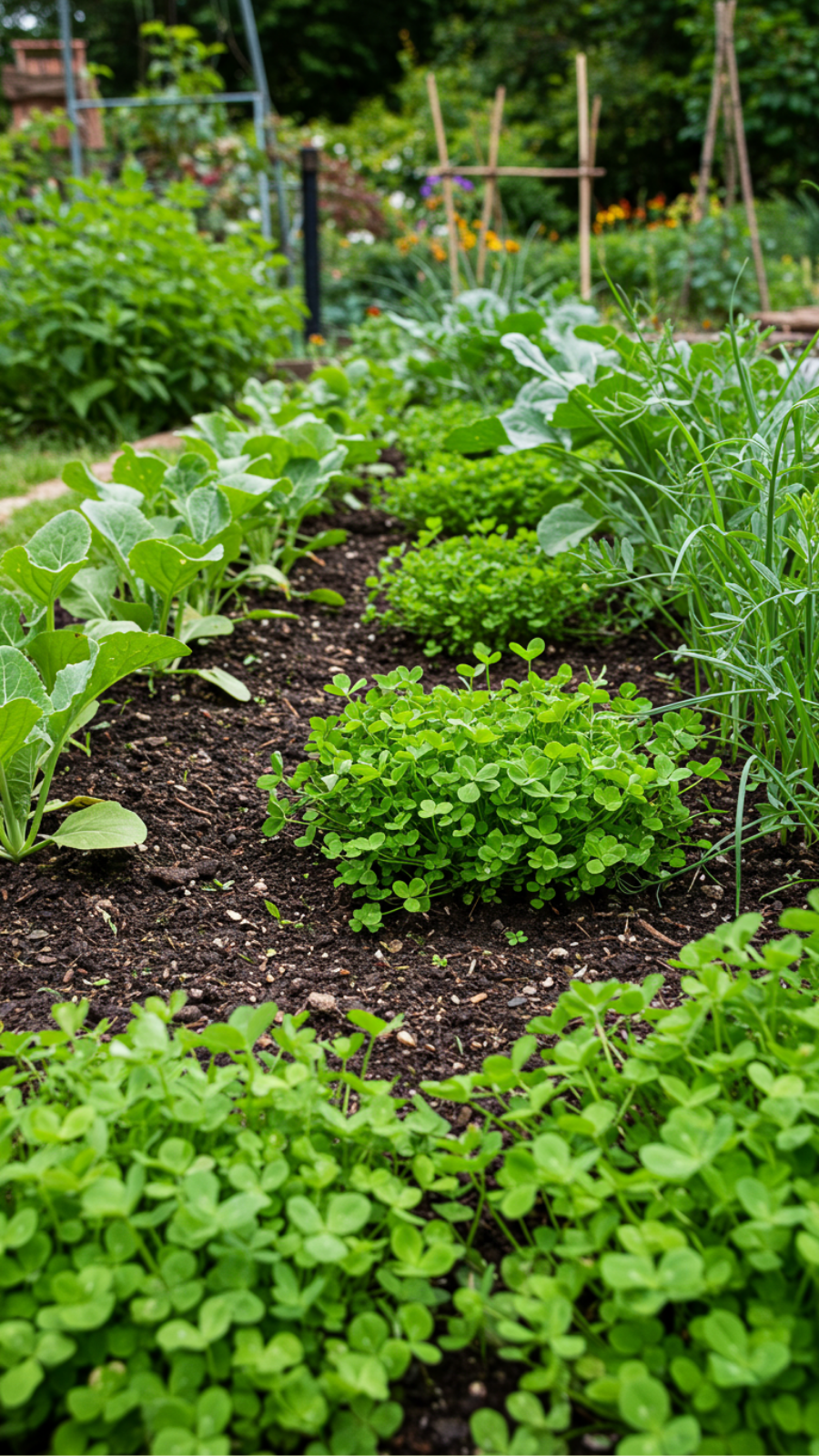
Incorporating Cover Crops for Soil Enrichment and Erosion Prevention
Cover crops are a vital component of sustainable gardening practices, offering numerous benefits for soil enrichment and erosion prevention. By planting specific crops during the off-season, gardeners can naturally enhance soil health and structure, all while minimizing erosion.
Choosing the Right Cover Crops
Selecting the appropriate cover crops is essential for optimal results. Here are some popular options:
- Legumes: Such as clover or vetch, which fix nitrogen in the soil.
- Grasses: Like ryegrass or oats, which improve soil structure and suppress weeds.
- Brassicas: Such as radish, which can break up compacted soil.
Step-by-Step Guidance
- Soil Testing: Before planting, conduct a soil test to determine nutrient levels.
- Seed Selection: Choose cover crops based on your specific soil needs and climate.
- Seeding: Sow seeds in late summer or early fall, ensuring good seed-to-soil contact.
- Termination: When ready to plant your main crops, terminate cover crops by mowing or tilling them into the soil.
Gardening Best Practices
To maximize the benefits of cover crops, consider these expert tips:
- Rotate cover crops annually to prevent disease and nutrient depletion.
- Avoid planting cover crops that are too competitive with your main crops.
- Monitor soil moisture levels, as cover crops can impact water retention.
Avoid Common Mistakes
Many gardeners make the mistake of neglecting cover crop management. Ensure you:
- Terminate cover crops at the right time to prevent competition.
- Don’t plant cover crops in poorly drained soils, which can lead to root rot.
Incorporating cover crops not only enriches your garden soil but also plays a crucial role in erosion prevention. Embrace this trend in Garden DIY to foster healthier, more sustainable gardening practices.
7. Designing a Xeriscape Garden to Conserve Water and Attract Wildlife
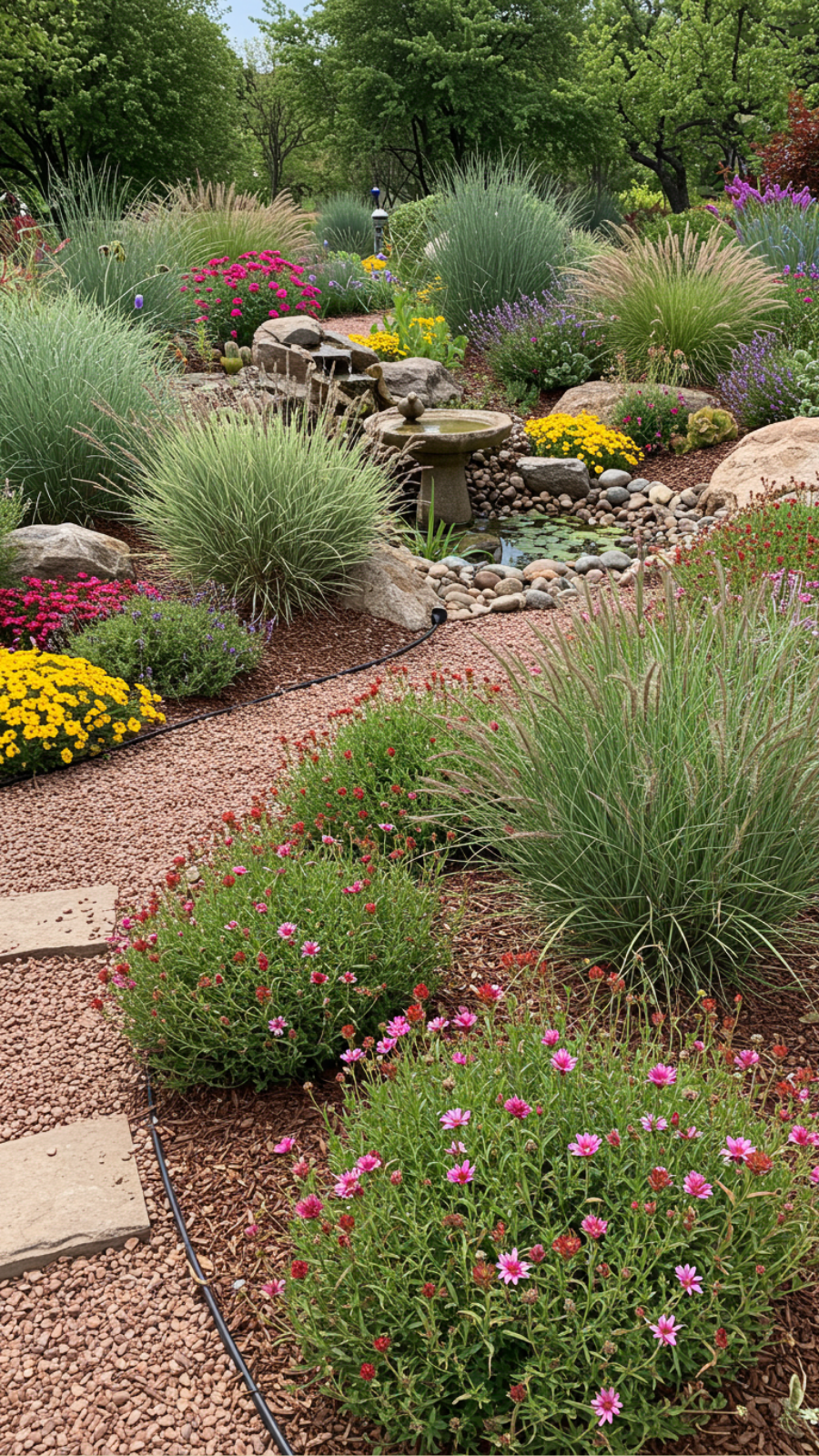
Designing a Xeriscape Garden to Conserve Water and Attract Wildlife
Creating a xeriscape garden is an excellent way to conserve water while simultaneously providing a habitat for diverse wildlife. This sustainable gardening practice minimizes the need for irrigation by utilizing drought-resistant plants, which can thrive in arid conditions.
Step-by-Step Guide to Xeriscaping
- Assess Your Space: Begin by evaluating the existing landscape. Identify sun and shade areas, soil types, and natural drainage patterns.
- Select Native Plants: Choose drought-tolerant native species such as lavender, sage, or agave. These plants are adapted to your climate and attract local pollinators.
- Group Plants Strategically: Cluster plants with similar water needs together. This minimizes water waste and encourages biodiversity.
- Incorporate Hardscaping: Use rocks, gravel, and pathways to reduce soil erosion and enhance visual appeal while retaining moisture.
- Mulch Generously: Apply a layer of organic mulch around plants to suppress weeds, retain soil moisture, and improve soil quality.
Common Mistakes to Avoid
- Overwatering: Many gardeners mistakenly water xeriscape plants too frequently. Allow the soil to dry between watering sessions.
- Poor Plant Selection: Ensure your chosen plants are well-suited for your local environment to promote sustainability.
Best Practices for a Successful Xeriscape
- Regularly monitor soil moisture and plant health.
- Incorporate a variety of plant heights and textures to enhance habitat value.
- Use rain barrels to collect runoff for irrigation during dry spells.
By implementing these expert tips and avoiding common pitfalls, your xeriscape garden can thrive, effectively conserving water while being a sanctuary for local wildlife.
8. Using Organic Mulching Methods to Retain Moisture and Suppress Weeds
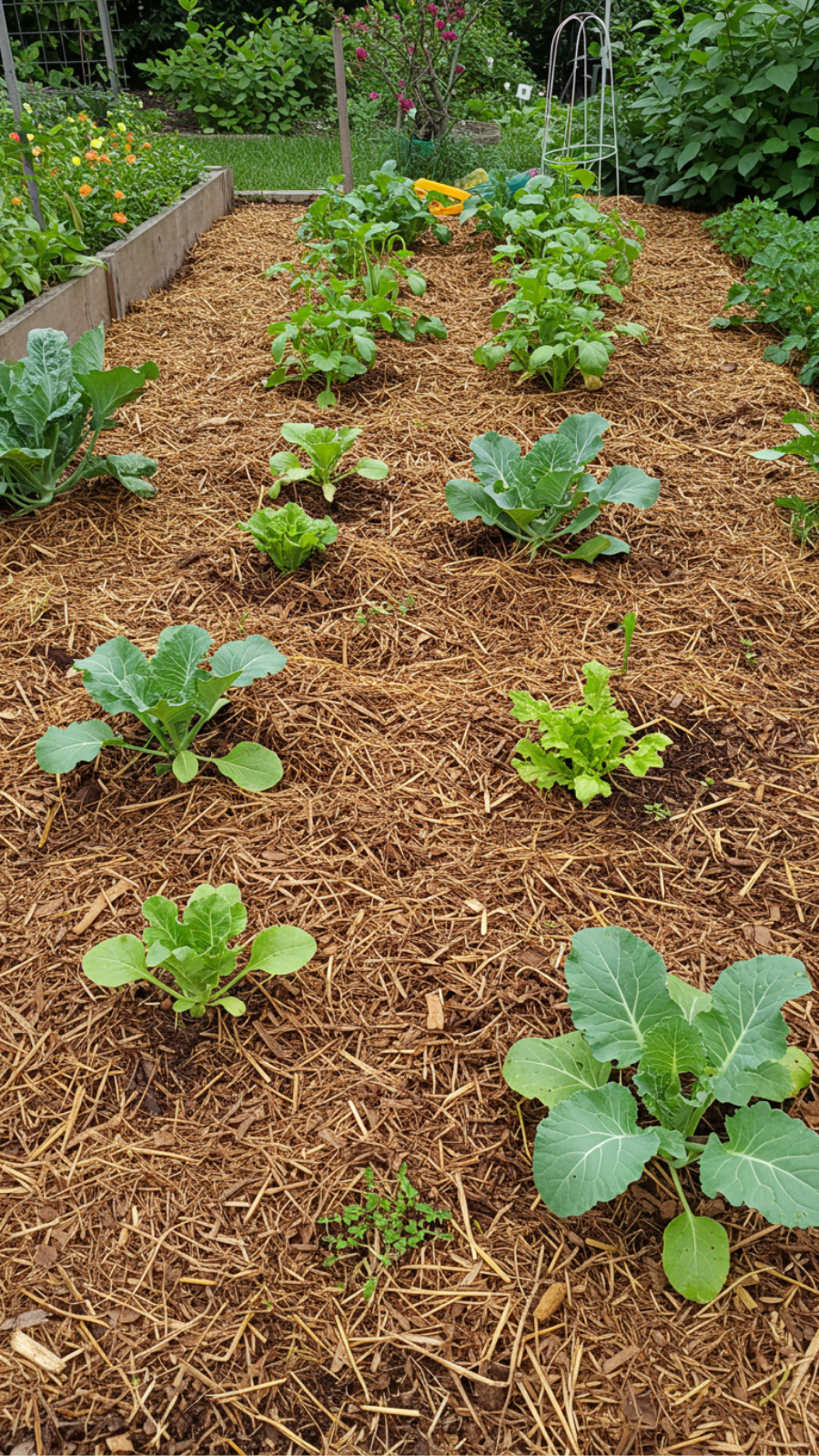
Using Organic Mulching Methods to Retain Moisture and Suppress Weeds
Organic mulching is a sustainable gardening practice that not only retains soil moisture but also effectively suppresses weeds. By utilizing natural materials, gardeners can improve soil health and enhance plant growth. Here’s how to implement organic mulching in your garden.
Choosing the Right Mulch
Common organic mulching materials include:
- Wood chips
- Bark mulch
- Straw
- Grass clippings
- Leaves
Select a mulch based on its availability and suitability for your specific plants. For instance, straw works well in vegetable gardens, while wood chips are ideal for flower beds.
Step-by-Step Guidance
- Prepare the Soil: Remove existing weeds and debris from the area.
- Apply a Base Layer: Spread a 2-4 inch layer of organic mulch around your plants, ensuring it doesn’t touch the plant stems to prevent rot.
- Water Thoroughly: After mulching, water the area to help settle the mulch and retain moisture.
- Monitor and Maintain: Check your mulch periodically, replenishing it as necessary to maintain its effectiveness.
Expert Tips and Common Mistakes
Avoid using fresh grass clippings or leaves as they can mat down and create a barrier that prevents moisture absorption. Instead, allow them to dry out before application. Additionally, ensure your mulch is sourced from organic materials to avoid harmful chemicals.
Incorporating organic mulching methods is a best practice that not only conserves moisture but also enhances your garden’s aesthetic appeal. By following these expert tips, you’ll create a thriving, weed-free environment for your plants.
Frequently Asked Questions
How can I create a pollinator-friendly garden with native plants?
To create a pollinator-friendly garden, select native plant species that bloom at different times throughout the growing season. This variety ensures that pollinators like bees and butterflies have consistent food sources. Planting in clusters rather than single specimens can also encourage more visits from these beneficial insects.
Why is rainwater harvesting important for sustainable gardening?
Rainwater harvesting is crucial for sustainable gardening as it reduces reliance on municipal water supplies and conserves water resources. Collecting rainwater in barrels or cisterns allows you to irrigate your garden with free, untreated water, which is often better for plants. This practice also helps prevent stormwater runoff and soil erosion.
What are the benefits of companion planting in my garden?
Companion planting enhances garden biodiversity by pairing plants that support each other’s growth. For instance, planting tomatoes with basil can improve flavor and repel pests. This technique helps create a more resilient garden ecosystem, reducing the need for chemical fertilizers and pesticides while promoting healthier plants.
How do I troubleshoot issues with my compost bin?
If your compost bin has a foul odor, it may be too wet or contain too many green materials. To fix this, add dry materials like straw or shredded paper to balance the moisture. Regularly turning the compost helps aerate it, speeding up the decomposition process and minimizing unpleasant smells.
What is no-till gardening and how does it benefit my soil?
No-till gardening involves minimizing soil disturbance, which helps preserve soil structure, nutrients, and beneficial organisms. By avoiding tilling, you reduce weed growth and improve water retention. This method supports healthier soil ecosystems, promoting robust plant growth and sustainability in your garden.