As we step into a new gardening season, you may find yourself longing for a fresh burst of color in your outdoor space. The 2026 Color of the Year, a delicate yet vibrant shade known as ‘Faded Petal’, offers a unique opportunity to transform your garden into a lush haven that reflects both serenity and charm. Imagine soft pinks and muted greens harmonizing together, creating a tranquil oasis for you to escape to.
Whether you’re planning a complete garden overhaul or just looking to add a few new plants, this guide will walk you through the process of integrating this beautiful color into your yard. With some thoughtful planning and a dash of creativity, you can create a stunning landscape that not only captivates the eye but also nourishes the soul. Let’s explore how to embrace ‘Faded Petal’ in your garden this year.
Table of Contents
- What is Faded Petal?
- How Faded Petal Works in Nature
- Benefits of Using Faded Petal in Your Garden
- Steps to Incorporate Faded Petal in Your Yard
- Advanced Tips for a Lush Garden
- Essential Tools and Resources
- Frequently Asked Questions
- Conclusion and Next Steps
What Is It?
Faded Petal is the 2026 Color of the Year, defined by its soft, muted tones that evoke feelings of calm and tranquility. This gentle color is reminiscent of delicate flower petals, making it an ideal choice for gardens that aim to provide a peaceful retreat. By incorporating Faded Petal into your landscape, you can create a harmonious space that invites relaxation and connection with nature.
In practical terms, Faded Petal can manifest in various ways, from choosing specific flowering plants to selecting garden decor that complements this refreshing hue. Whether you opt for pastel-colored blooms, soft furnishings, or painted pots, the key is to create a cohesive palette that brings out the best in your garden’s features.
- Soft, muted tones that evoke tranquility.
- Ideal for creating a peaceful outdoor retreat.
- Can be incorporated through plants, decor, and landscaping.
- Enhances the natural beauty of your garden.
How It Works
The essence of Faded Petal lies in its ability to blend seamlessly with the natural environment, enhancing the beauty of surrounding elements. Its soft hues reflect sunlight in a gentle manner, creating a serene ambiance that can help reduce stress and promote relaxation. This color works particularly well with the greens of foliage, allowing vibrant blooms to pop without overwhelming the senses.
From a botanical perspective, plants that embody Faded Petal often thrive in various light conditions, making them versatile choices for different garden settings. They can be used as focal points or to create soft transitions between spaces, ultimately enriching the overall visual appeal of your landscape.
- Blends well with natural surroundings.
- Promotes a serene garden atmosphere.
- Works with various light conditions.
- Enhances the beauty of surrounding plants.
Key Benefits
- Creates a Tranquil Space — Incorporating Faded Petal into your garden can significantly enhance its tranquility. Soft hues create a calming environment, making your outdoor space a perfect retreat from daily stresses. This peaceful atmosphere encourages mindfulness and relaxation.
- Enhances Visual Appeal — The delicate tones of Faded Petal can elevate the overall aesthetic of your garden. By using this color strategically, you can create visual harmony that draws the eye and invites exploration, making your garden a more inviting place.
- Versatile Planting Options — Many plants that feature Faded Petal shades are adaptable to various growing conditions. This versatility means you can successfully incorporate them into your garden, regardless of your specific climate or soil type, ensuring a beautiful display year-round.
- Promotes Biodiversity — Integrating Faded Petal plants into your garden can attract various pollinators, such as bees and butterflies. This not only enhances the beauty of your garden but also supports local ecosystems, promoting biodiversity in your area.
- Increases Property Value — A well-designed garden featuring appealing colors like Faded Petal can enhance your property’s curb appeal. A beautiful landscape can increase your home’s market value, making it a worthwhile investment for the future.
Step-by-Step Guide
Step 1: Evaluate Your Space

Before you dive into planting, take a moment to assess your garden space. Look for areas that could benefit from a splash of color, whether it’s a bare patch or a spot that feels uninspired. Consider the existing plants and colors; Faded Petal pairs beautifully with greens and other muted tones.
You might also want to think about how much sunlight each area receives, as some plants thrive in full sun while others prefer partial shade. This evaluation will help you make informed decisions about where to place your Faded Petal plants for maximum impact.
Example: For instance, if you have a sunny corner, it could be perfect for planting peonies that embody the Faded Petal hue.
Pro Tips:
- Use a garden planner app to visualize your layout.
- Take note of seasonal changes in your garden’s light and color.
- Sketch a layout to help with planning.
Step 2: Choose Your Plants

Now comes the fun part! Selecting plants that showcase the Faded Petal color will be key to creating your desired look. Look for flowers like peonies, roses, or even annuals like snapdragons that embody this soft hue. You can also consider foliage plants with silvery or light green tones that complement the soft pinks.
When choosing plants, think about their growth habits and blooming times. Mixing perennials and annuals can ensure that your garden remains vibrant throughout the seasons, allowing you to enjoy the beauty of Faded Petal all year long.
Example: For example, planting a mix of peonies and lavender can create a stunning display that transitions beautifully from spring into summer.
Pro Tips:
- Visit local nurseries for the best selection of Faded Petal plants.
- Consider the height and spread of plants to ensure a balanced look.
- Don’t forget to check for companion planting benefits.
Step 3: Prepare Your Soil

Healthy soil is the foundation of a thriving garden. Start by testing your soil’s pH and nutrient levels; this will guide you on any amendments needed. Generally, Faded Petal plants prefer well-drained soil rich in organic matter. You may want to incorporate compost or well-rotted manure to boost nutrition.
Once you’ve tested and amended your soil, loosen it with a garden fork or tiller, making sure to break up any compacted areas. This step is crucial for allowing roots to penetrate deeply and access the nutrients they need for robust growth.
Example: For instance, if your soil is heavy clay, mixing in sand and compost can improve drainage.
Pro Tips:
- Use a soil test kit to get accurate results.
- Work the soil at least 12 inches deep for best results.
- Add mulch to retain moisture and suppress weeds.
Step 4: Plant with Care

When it’s time to plant, be gentle yet deliberate. Dig holes that are slightly larger than the plant’s root ball to encourage growth. Space your plants according to their mature size; crowded plants can lead to poor airflow and diseases. Place the plants in the hole, backfill with soil, and gently pat down to eliminate air pockets.
Watering after planting is also essential. Give your newly planted beauties a good soak to help them settle in. If you’re planting during a hot spell, consider doing this in the evening to minimize stress on the plants.
Example: As an example, when planting peonies, ensure they’re placed deep enough so that their eyes are just below the soil surface.
Pro Tips:
- Water the plants thoroughly before planting to minimize transplant shock.
- Use a garden marker to label your new plants.
- Follow up with a light mulch to retain moisture.
Step 5: Design Your Layout

A thoughtfully designed layout can significantly enhance the beauty of your garden. Consider creating zones based on plant heights and colors; taller plants should be placed in the back of flower beds, with shorter ones in front. Use pathways to guide visitors through your garden, allowing them to appreciate each section fully.
Incorporating elements like garden art or decorative pots can also add layers of interest to your layout. Don’t be afraid to experiment with shapes and lines—curves often create a more relaxed feel, while straight lines can add structure.
Example: For instance, a curved path lined with lavender leading to a central feature like a birdbath can create a stunning focal point.
Pro Tips:
- Use a garden hose to lay out your design before planting.
- Incorporate seasonal plants for year-round interest.
- Balance colors and shapes to create visual harmony.
Step 6: Add Decorative Elements

To truly bring your garden to life, consider adding decorative elements that complement the Faded Petal theme. This could be anything from painted garden furniture in soft pastel shades to decorative pots that showcase your favorite blooms. Wind chimes or bird feeders can also add a charming touch, attracting wildlife and enhancing the overall ambiance.
When choosing decorations, keep the scale in mind; larger items can serve as focal points, while smaller pieces can be used to create visual interest throughout the garden. Make sure these elements harmonize with the color palette you’ve established.
Example: For example, a soft pink bench placed under a flowering tree can create a perfect spot for relaxation.
Pro Tips:
- Choose materials that are weather-resistant to ensure longevity.
- Mix textures like metal, wood, and ceramic for added interest.
- Position decorative elements to draw the eye through the garden.
Step 7: Maintain Your Garden

Once your Faded Petal garden is established, regular maintenance is key to keeping it looking its best. This includes watering, weeding, and deadheading spent flowers to encourage new blooms. Be mindful of pests and diseases; early detection and treatment can save your plants from serious harm.
Consider implementing a seasonal maintenance schedule to keep track of tasks like fertilizing or pruning. Additionally, mulching can help retain soil moisture and suppress weeds, making your gardening efforts more manageable.
Example: For instance, deadheading roses regularly can promote more blooms throughout the season.
Pro Tips:
- Set reminders for watering and maintenance tasks.
- Use organic pest control methods to protect your garden’s health.
- Rotate plants each year to prevent soil depletion.
Step 8: Enjoy the Beauty
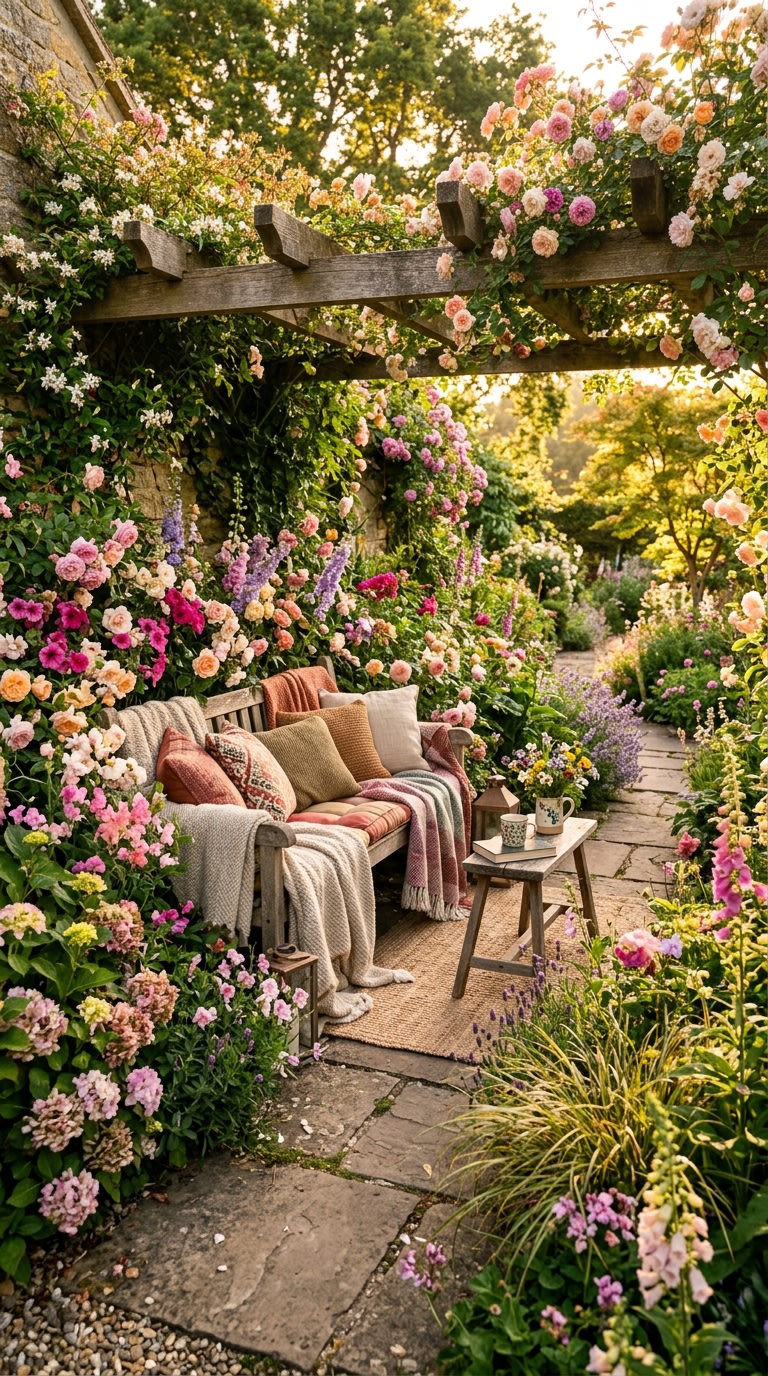
Finally, take the time to enjoy the fruits of your labor! Spend moments in your garden, whether it’s sipping tea on your pastel bench or inviting friends over for a garden party. Observing the way the Faded Petal colors change with the seasons can be incredibly rewarding, allowing you to appreciate the beauty of nature right outside your door.
Consider creating a cozy nook with cushions and throws where you can relax and unwind. This space can become your personal sanctuary, offering peace and inspiration.
Example: For example, hosting a small gathering among the flowers can create lasting memories.
Pro Tips:
- Document the growth of your garden to see how it evolves.
- Invite friends over for a garden tea party to showcase your work.
- Create a small journal to note seasonal changes and plant performance.
Advanced Tips
Layering for Depth
To add depth and dimension to your garden, consider layering plants of varying heights and textures. Place taller plants in the back and gradually transition to shorter varieties in the front. This technique not only enhances visual interest but also allows sunlight to reach all plants more effectively.
Companion Planting
Utilize companion planting to enhance growth and deter pests. For instance, pairing Faded Petal roses with garlic can help repel aphids. Research compatible plants to create a thriving ecosystem in your garden, maximizing both health and beauty.
Seasonal Rotation
Implement a seasonal rotation of plants to keep your garden vibrant year-round. Swap out annuals as the seasons change, and consider planting bulbs in the fall for a stunning spring display. This strategy keeps your garden fresh and exciting.
Creating Microclimates
Consider creating microclimates in your garden by strategically placing larger plants or structures to provide shade for smaller ones. This can help you grow a wider variety of plants that may not typically thrive in your area’s climate.
Tools & Resources
- Garden Soil Test Kit — A soil test kit helps you determine the pH and nutrient levels of your soil, guiding you on necessary amendments. Knowing your soil’s health is crucial for successful planting. — Available at: Home Depot, Amazon
- Organic Fertilizer — Using organic fertilizer enriches your soil with essential nutrients while promoting sustainable gardening practices. Look for options that are specifically formulated for flowering plants. — Available at: Local garden centers, Lowe’s
- Garden Planner App — A garden planner app can help you visualize your layout and track your planting schedule. Many apps allow you to take notes and set reminders for maintenance tasks. — Available at: Available on app stores (iOS and Android)
- Pruning Shears — Quality pruning shears are essential for maintaining plant health, allowing you to deadhead and shape your plants for better growth. Look for ergonomic designs for ease of use. — Available at: Home Depot, Amazon
- Mulch — Mulching helps retain soil moisture, suppress weeds, and enhance the overall appearance of your garden. Choose organic mulches for added benefits as they decompose. — Available at: Local garden centers, Lowe’s
Frequently Asked Questions
What types of plants are best for achieving the Faded Petal look?
Plants such as peonies, roses, and snapdragons are excellent choices for achieving the Faded Petal aesthetic. These flowers naturally embody soft pink tones that are both calming and beautiful. Additionally, consider incorporating foliage plants with light green or silvery hues to complement the flowers. This combination will create a harmonious look throughout your garden.
How often should I water my Faded Petal plants?
Watering frequency depends on the specific plants and your local climate, but a good rule of thumb is to check the soil moisture regularly. Most Faded Petal plants prefer consistently moist soil, especially during hot, dry spells. A deep watering once a week is often sufficient, but during particularly hot weather, you may need to water more frequently. Always aim to water in the morning to reduce evaporation and allow plants to absorb moisture effectively.
Can I mix Faded Petal plants with other colors?
Absolutely! Faded Petal pairs beautifully with other soft colors like pale blues, lavenders, and creamy whites. These colors create a soothing palette that enhances the overall tranquility of your garden. However, be mindful of bold colors that might clash; it’s best to keep the overall color scheme soft and cohesive for the most harmonious effect.
What maintenance do Faded Petal plants require?
Faded Petal plants typically require regular watering, weeding, and deadheading to maintain their health and appearance. It’s also important to check for pests and diseases regularly. Depending on the specific plants you choose, some may need seasonal pruning or fertilizing to encourage continued blooming. A well-maintained garden not only looks beautiful but also thrives throughout the growing season.
How can I create a relaxing atmosphere in my garden?
To create a relaxing atmosphere, consider incorporating seating areas where you can enjoy your garden. Adding decorative elements like wind chimes or bird feeders can enhance the sensory experience. Additionally, using soft colors like Faded Petal will help foster a calming vibe. Think about including pathways or nooks that invite exploration and contemplation, allowing you to fully immerse yourself in the beauty of nature.
Congratulations! You’re now well-equipped to transform your garden with the enchanting hues of Faded Petal. By thoughtfully selecting plants, designing your layout, and maintaining your space, you can create a serene escape that not only beautifies your home but also nurtures your spirit. As you embark on this gardening journey, remember that every bloom and every moment spent in your garden is a celebration of nature’s beauty.
Now that you have the tools and knowledge to incorporate Faded Petal into your yard, it’s time to get started! Begin planning your garden today, and watch as your vision blooms into reality.