Creating a pollinator garden is a delightful way to support our essential bees and butterflies while adding beauty to your outdoor space. If you’ve ever noticed fewer buzzing friends in your backyard, you’re not alone; many gardeners are feeling the same concern. By designing a garden tailored to these pollinators, you can create a vibrant ecosystem that fosters biodiversity and color.
Imagine stepping outside to a thriving garden alive with the gentle hum of bees and the fluttering of butterflies. Not only will your garden become a sanctuary for these vital creatures, but you’ll also enjoy the fruits of your labor—flowers that bloom in a riot of colors and scents, bringing joy and tranquility to your home. Let’s dive into the steps of creating your own pollinator haven, filled with native plants that these beautiful insects adore.
Table of Contents
- What is a Pollinator Garden?
- How Does It Work?
- Benefits of a Pollinator Garden
- Planning Your Space
- Selecting Native Plants
- Creating the Right Environment
- Maintaining Your Garden
- Attracting Pollinators
- Advanced Tips
- FAQs
What Is It?
A pollinator garden is a specially designed space that attracts and supports pollinating insects like bees, butterflies, and hummingbirds. These gardens are typically filled with native plants, which provide the food and habitat these creatures need to thrive. By choosing the right plants and creating an inviting environment, you can help combat the decline of pollinator populations and enjoy a beautiful garden at the same time.
Pollinator gardens can be created in various sizes and styles, making them accessible to everyone, from urban dwellers with small balconies to those with expansive backyards. The key is to focus on native plant species, which not only offer the best nutrition for local pollinators but also require less maintenance and water, making them a sustainable choice for any gardener.
- Pollinator gardens attract bees, butterflies, and other beneficial insects.
- Native plants are essential for providing suitable food and habitat.
- These gardens can vary in size and style to fit any space.
- Creating a pollinator garden supports biodiversity and environmental health.
How It Works
Pollinators play a crucial role in the ecosystem by aiding in the reproduction of flowering plants. When they visit flowers to collect nectar and pollen, they inadvertently transfer pollen from one flower to another, facilitating fertilization. This process not only helps flowering plants to produce seeds and fruits but also supports the broader food chain that includes birds, mammals, and humans.
By establishing a pollinator garden filled with diverse native plants, you create an environment that meets the needs of various pollinator species. Different plants bloom at different times, providing a continuous food source throughout the growing season. This strategic planting encourages pollinators to visit your garden regularly, thus enhancing its productivity and beauty.
- Pollinators help in fertilizing plants, enabling reproduction.
- Diverse plant choices ensure a steady food supply for pollinators.
- Healthy pollinator populations contribute to overall biodiversity.
- Native plants are adapted to local conditions and attract more pollinators.
Key Benefits
- Support Biodiversity — Creating a pollinator garden helps sustain local ecosystems by providing essential habitats for various pollinator species. This, in turn, supports the overall health of your garden and the surrounding environment.
- Enhance Garden Beauty — With a wide variety of flowering plants, a pollinator garden can be a stunning addition to your landscape. The vibrant colors and diverse textures make your outdoor space more inviting and enjoyable for you and your family.
- Educational Opportunities — A pollinator garden can serve as a fantastic learning environment for children and adults alike. You can observe the fascinating behaviors of bees and butterflies while gaining a deeper appreciation for nature and its interconnectedness.
- Reduce Maintenance — Native plants are typically more resilient and require less water and maintenance than non-native varieties. By planting a pollinator garden, you can create a low-maintenance landscape that thrives naturally.
- Contribute to Food Security — Pollinators are vital for the production of many fruits and vegetables. By fostering a healthy pollinator population in your garden, you’re helping secure a reliable food source for yourself and your community.
Step-by-Step Guide
Step 1: Assess Your Space

Before diving into planting, take a moment to observe your outdoor area. Consider the amount of sunlight, soil type, and the existing plants. Pollinator gardens can thrive in various environments, but understanding your space will help you make the best choices. You might have a sunny patch in your yard or a shaded corner that could become a cozy haven for specific pollinators. Also, think about how much room you have; even small spaces can accommodate a few containers with native plants.
Once you have a clear picture of your garden’s conditions, sketch out a rough plan or jot down ideas about where you want to place your plants. This will serve as your blueprint as you move forward with your garden project.
Example: If you notice that one area of your yard receives full sun while another is mostly shaded, you can choose plants that thrive in those specific conditions.
Pro Tips:
- Take note of any existing plants that attract pollinators.
- Consider how much time you want to invest in maintenance.
- Use a garden planner app to visualize your layout.
Step 2: Choose Native Plants

Selecting the right plants is crucial for attracting pollinators to your garden. Focus on native species that are well-suited to your local climate and soil. Native plants have evolved alongside local pollinators, making them an ideal choice for providing the right food and habitat. Research which plants are native to your area and choose a variety that blooms at different times throughout the growing season. This will ensure that you have a continuous supply of nectar and pollen for your pollinator friends.
Some excellent options include coneflowers, milkweed, and bee balm. Not only do these plants attract bees and butterflies, but they are also typically low-maintenance and drought-resistant. To create an inviting atmosphere, group plants in clusters to make them more visible to pollinators and create a natural habitat.
Example: In the Midwest, consider planting prairie wildflowers such as black-eyed Susans and asters for a vibrant display.
Pro Tips:
- Visit local nurseries that specialize in native plants for the best selections.
- Join gardening clubs or online forums to get recommendations from local gardeners.
- Check for any local conservation programs that may offer plants or support.
Step 3: Prepare Your Soil

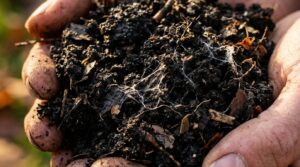
Healthy soil is the foundation of a thriving pollinator garden. Begin by testing your soil to understand its pH and nutrient levels. Many local extension services offer affordable soil testing, which can guide your amendments. Once you know what your soil needs, you can amend it with organic matter such as compost or well-rotted manure to improve its structure and fertility.
After amending, it’s important to loosen the soil to promote root growth. Use a garden fork or tiller to aerate the soil, breaking up any compacted areas. This will allow your plants to establish themselves more easily. Make sure to remove any weeds or debris that could compete with your newly planted flowers. The time you spend preparing your soil will pay off in the health and vibrancy of your garden.
Example: If your soil test indicates low nitrogen levels, mix in compost high in nitrogen to enrich the soil before planting.
Pro Tips:
- Consider adding mycorrhizal fungi to your soil to enhance root development.
- Mulch around plants after planting to retain moisture and suppress weeds.
- Practice crop rotation if you plan to expand your garden in the future.
Step 4: Design Your Layout

Now that you’ve chosen your plants and prepared your soil, it’s time to design the layout of your pollinator garden. Consider the height and spread of each plant as they mature. Taller plants should be placed at the back or center of your garden bed, while shorter ones can be positioned in front. This layering not only creates visual interest but also ensures that all plants receive adequate sunlight.
Think about grouping plants in clusters or drifts rather than scattering them throughout the garden. This makes it easier for pollinators to find their food sources. Additionally, leave some open spaces for pollinators to rest or seek shelter. A well-planned layout will create a harmonious environment that appeals to both you and the pollinators you wish to attract.
Example: Place tall coneflowers at the back of the bed and low-growing groundcovers like creeping thyme in the front for a tiered effect.
Pro Tips:
- Draw your design on graph paper for a clearer vision.
- Incorporate paths or stepping stones for easy access to your garden.
- Consider seasonal color changes when planning your layout.
Step 5: Plant Your Flowers

With your layout decided, it’s time to plant! Begin by digging holes for each plant according to their specific spacing needs, which you can find on the plant tags or in gardening resources. When placing each plant, make sure to plant them at the same depth they were in their containers to avoid stress on the roots.
After positioning your plants, fill in the holes with soil and gently pat it down to eliminate air pockets. Water each plant thoroughly after planting to help them establish and reduce transplant shock. If you’re planting in the fall, consider using mulch to protect the roots during colder months. This is an exciting step where your vision finally comes to life, and soon enough, you’ll see your garden flourish with life and color.
Example: When planting bee balm, ensure there’s about two feet of space between each plant to allow it to grow.
Pro Tips:
- Plant in the early morning or late afternoon to reduce stress on the plants.
- Use a soaker hose for efficient watering after planting.
- Consider companion planting to maximize space and benefits.
Step 6: Water Regularly

Establishing a new garden requires consistent watering, especially in the first few weeks after planting. Newly planted flowers need moisture to develop strong roots and adapt to their new environment. Aim to keep the soil consistently moist but not soggy, as overwatering can lead to root rot. Early mornings are the best time for watering, as this allows plants to soak up moisture before the heat of the day.
Consider using drip irrigation systems or soaker hoses to provide targeted watering for your plants, which is not only efficient but also conserves water. As your garden matures, you may find that established native plants require less frequent watering, especially if they are well-suited to your local climate. Regularly check the soil moisture and adjust your watering schedule accordingly.
Example: During a dry spell, set up a drip irrigation system to ensure your flowers get the right amount of water without waste.
Pro Tips:
- Use a moisture meter to accurately assess soil moisture levels.
- Mulch around your plants to retain moisture and suppress weeds.
- Group plants with similar water needs together for efficiency.
Step 7: Create Habitats

Pollinators need more than just flowers; they require safe spaces to rest, breed, and hide from predators. Incorporate natural elements into your garden to create habitats conducive to their well-being. For example, leave some areas of bare soil for ground-nesting bees and consider adding small brush piles or rock piles for shelter. You can also install bee hotels, which provide nesting sites for solitary bees.
Planting a variety of flowering plants that bloom at different times will help ensure a continuous food supply. Additionally, consider including herbs and shrubs that provide both food and shelter. Creating diverse habitats will not only attract a wider range of pollinators but also enhance the overall beauty and functionality of your garden.
Example: Install a bee hotel near your garden to provide nesting opportunities for solitary bees.
Pro Tips:
- Incorporate water sources like shallow dishes with stones for pollinators to land on.
- Leave some dead wood or stems standing for habitat diversity.
- Plant a diverse range of flowering plants to attract various pollinators.
Step 8: Maintain Your Garden

Regular maintenance is key to keeping your pollinator garden healthy and productive. This includes watering, weeding, and deadheading spent flowers to encourage new blooms. Monitor your plants for pests and diseases, and manage any issues promptly to ensure your garden remains a welcoming habitat for pollinators. Use organic methods whenever possible to protect the delicate balance of your garden ecosystem.
Additionally, consider seasonal changes and plan for the upkeep that each season requires. For instance, in the fall, you may want to cut back perennials and provide mulch for winter protection. Each season offers unique opportunities and responsibilities, so being attentive will enhance your garden’s vitality and charm.
Example: Regularly deadhead spent flowers to encourage more blooms and prolong the flowering season.
Pro Tips:
- Create a seasonal checklist to keep track of maintenance tasks.
- Use organic mulch to suppress weeds and retain moisture.
- Engage with local gardening groups for tips on pest management.
Step 9: Attract Pollinators

Now that your garden is established, it’s time to actively attract pollinators. You can do this by planting flowers that are particularly appealing to local bee and butterfly species. Consider adding fragrant herbs and brightly colored flowers, as they are often irresistible to these creatures. Additionally, avoid using pesticides in your garden, as these can harm beneficial insects. Instead, embrace natural pest control methods such as introducing beneficial insects or using companion planting to deter pests.
Creating a relaxed environment is also important; avoid excessive disturbance in the garden and allow for natural interactions between plants and pollinators. Over time, as your garden matures and becomes more established, you’ll likely witness a delightful increase in pollinator activity, transforming your outdoor space into a buzzing paradise.
Example: Plant lavender and daisies to attract a diverse range of bees and butterflies to your garden.
Pro Tips:
- Create flower beds with a single plant type for maximum impact on attracting specific pollinators.
- Plant in groups to make it easier for pollinators to find their food sources.
- Observe which flowers attract the most pollinators and adjust your planting accordingly.
Advanced Tips
Incorporate a Water Feature
Adding a small water feature like a birdbath or a shallow pond can greatly enhance your pollinator garden. Not only does it provide a drinking source, but it also attracts other wildlife, creating a more dynamic ecosystem. Ensure the water is clean and shallow enough for pollinators to access safely, and consider adding stones or pebbles for landing spots.
Create a Biodiverse Plant Palette
Diversity is key to a healthy garden. By planting a wide range of species, you can attract different types of pollinators and ensure that your garden thrives throughout the seasons. Mix flowering plants, herbs, and shrubs to create layers of habitats and food sources that will keep pollinators coming back.
Utilize Vertical Space
If space is limited, consider vertical gardening techniques. Use trellises or wall-mounted planters to grow climbing plants that can attract pollinators. This not only saves ground space but also creates a lush, green environment that is visually appealing and beneficial for pollinators.
Monitor Pollinator Activity
Keep a journal of the types of pollinators visiting your garden and their activity levels. This information can help you adjust your planting strategy and understand which plants are most effective at attracting certain species. Engaging in citizen science projects can also contribute to broader conservation efforts.
Tools & Resources
- Soil Test Kit — A soil test kit allows you to analyze your soil’s pH and nutrient levels, helping you amend it correctly for optimal plant health. Understanding your soil composition is vital for successful gardening. — Available at: Home Depot, Amazon
- Native Plant Guide — A native plant guide provides invaluable information on local flora, including planting tips and care instructions. It’s a great resource for selecting the right plants for your pollinator garden. — Available at: Local bookstores, library, or online retailers
- Bee Hotel — Bee hotels offer nesting sites for solitary bees, which are crucial pollinators. By providing habitats, you can support their populations and encourage them to visit your garden. — Available at: Gardening centers, Amazon
- Drip Irrigation System — A drip irrigation system delivers water directly to the roots of your plants, conserving water while ensuring efficient hydration. This system is especially beneficial for maintaining a pollinator garden. — Available at: Home Depot, Lowe’s, Amazon
- Organic Pest Control Solutions — Organic pest control products help manage pests without harming beneficial insects like bees and butterflies. These solutions are essential for maintaining the health of your garden ecosystem. — Available at: Local garden stores, online retailers
Frequently Asked Questions
What are the best plants for a pollinator garden?
The best plants for a pollinator garden include native species that are well-adapted to your local climate. Common favorites include coneflowers, bee balm, milkweed, and black-eyed Susans. These plants provide essential nectar and pollen for bees, butterflies, and other pollinators. Research local resources to find a comprehensive list of native plants that thrive in your area, ensuring your garden attracts a diverse range of pollinators.
How can I attract more butterflies to my garden?
To attract butterflies, include nectar-rich flowers in your garden, such as lantanas, zinnias, and butterfly bushes. It’s also important to provide host plants for butterfly caterpillars. For example, planting milkweed will attract monarch butterflies, as it serves as a food source for their larvae. Lastly, create a sunny area where butterflies can warm themselves and ensure that you have a variety of flowers blooming throughout the season to keep them coming back.
Do I need to use pesticides in a pollinator garden?
It’s best to avoid using pesticides in a pollinator-friendly garden. Pesticides can harm beneficial insects, including bees and butterflies. Instead, consider organic gardening practices that promote natural pest control, such as introducing beneficial insects like ladybugs or using companion planting strategies. If pest issues arise, opt for targeted organic solutions to minimize harm to pollinators.
How much sunlight do pollinator plants need?
Most pollinator plants thrive in full sun, which means they require at least six hours of direct sunlight per day. However, some plants can tolerate partial shade. When selecting plants for your garden, check their specific light requirements to ensure they thrive in your chosen location. A well-positioned garden that maximizes sun exposure will attract more pollinators and lead to healthier plants.
How often should I water my pollinator garden?
Watering needs will vary based on your climate and the specific plants you’ve chosen. Newly planted flowers typically need more frequent watering to establish their roots, while established native plants are often more drought-tolerant. A good rule of thumb is to keep the soil consistently moist but not soggy. Regularly check the soil moisture and adjust your watering schedule based on rainfall and temperature.
Creating a pollinator garden is a rewarding project that not only beautifies your outdoor space but also plays a vital role in supporting local ecosystems. As you nurture your garden and watch it flourish, you’ll find a sense of joy in knowing you’re providing a sanctuary for bees, butterflies, and other pollinators. Remember, every small effort counts, and your garden can make a significant difference in the health of our environment.
So, roll up your sleeves, get your hands dirty, and embark on this beautiful journey of gardening. You’ll be amazed at how quickly your efforts come to life and how much joy it brings to you and the pollinators alike. Happy gardening!