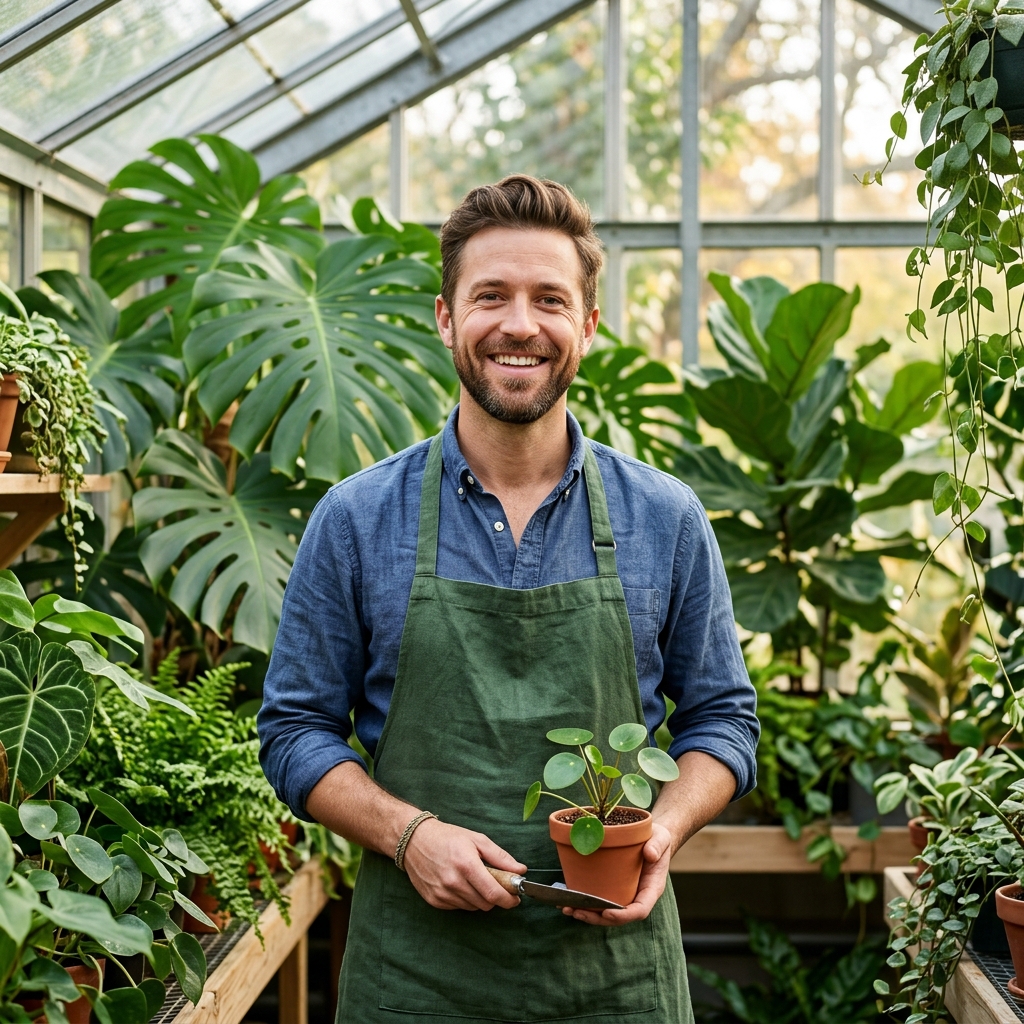
1. Transforming Small Spaces with Vertical Garden Techniques

Transforming Small Spaces with Vertical Garden Techniques
Vertical gardening is a revolutionary technique that allows urban gardeners to maximize their limited space while creating stunning green displays. This approach not only enhances aesthetic appeal but also improves air quality and promotes biodiversity. Here’s how you can transform your small space into a lush vertical garden.
Step-by-Step Guide to Creating a Vertical Garden
- Choose the Right Location: Find a spot that receives adequate sunlight, ideally 6-8 hours daily, for optimal plant growth.
- Select Suitable Plants: Opt for a mix of herbs, leafy greens, and flowering plants. Consider using space-efficient varieties like Thyme, Strawberries, and Ferns.
- Construct Your Vertical Framework: Use pallets, trellises, or repurpose old ladders as a base. Ensure it is sturdy enough to support your plants.
- Planting: Utilize pocket planters or vertical planting kits for easy installation. Fill them with quality potting mix and plant your chosen flora.
- Watering and Maintenance: Implement a drip irrigation system for consistent moisture and check regularly for pests.
Expert Tips for Vertical Gardening Success
- Avoid overcrowding—ensure plants have enough space to breathe and grow.
- Incorporate a mix of textures and colors for visual interest.
- Regularly prune and deadhead plants to encourage new growth and maintain a tidy appearance.
Common mistakes include neglecting sun exposure and over-watering. Remember, successful vertical gardening relies on understanding plant needs and proper care practices.
With these expert vertical garden techniques, you can maximize your small outdoor or indoor space while enjoying the beauty and benefits of gardening. Start transforming your space today!
2. Creating a Cozy Patio Oasis with Container Gardening Ideas

Creating a Cozy Patio Oasis with Container Gardening Ideas
Transforming your patio into a cozy oasis using container gardening is both an art and a science. With the right plants and design, you can create a welcoming outdoor space that reflects your personal style while enhancing your gardening skills.
Choosing the Right Containers
Start by selecting containers that complement your patio’s aesthetics. Consider materials such as ceramic, wood, or metal—each offering unique benefits. Ensure they have proper drainage holes to prevent root rot. Trendy options like vertical planters or hanging baskets can also maximize space.
Plant Selection for a Cozy Atmosphere
Opt for a mix of foliage and flowering plants to create visual interest. Popular choices include:
- Herbs: Basil, mint, and rosemary add both beauty and functionality.
- Annuals: Petunias and marigolds provide vibrant colors throughout the season.
- Perennials: Lavender and hostas offer long-lasting presence and fragrance.
Step-by-Step Guidance for Planting
- Prepare the Soil: Use a high-quality potting mix that retains moisture yet drains well.
- Arrange Your Plants: Place taller plants in the back and shorter ones in front for a layered effect.
- Watering: Initially, water thoroughly, then adjust based on rainfall and temperature.
Expert Tips and Common Mistakes to Avoid
To ensure a thriving container garden, remember to:
- Avoid overcrowding: Allow enough space for each plant to grow.
- Monitor for pests: Early detection can save your plants.
- Fertilize regularly: Use a balanced fertilizer to promote healthy growth.
With these container gardening ideas, you can create a serene patio oasis that invites relaxation and enjoyment. Embrace the latest trends and best practices to elevate your outdoor experience!
3. Incorporating Native Plants for Low-Maintenance Landscaping

Incorporating Native Plants for Low-Maintenance Landscaping
Incorporating native plants into your garden is a sustainable and effective way to achieve low-maintenance landscaping. Native plants are well-adapted to local climates and soils, requiring less water, fertilizer, and pest control compared to non-native species. This guide will help you understand how to effectively integrate native plants into your garden design.
Step-by-Step Gardening Guidance
- Research Local Native Plants: Begin by identifying native plants suitable for your region. Resources like local extensions or native plant societies can provide valuable information.
- Select Diverse Species: Choose a mix of perennials, shrubs, and grasses to ensure year-round interest and support local wildlife.
- Create a Design Plan: Use the principles of permaculture to design your garden layout, incorporating plant groupings that favor natural ecosystems.
- Prepare the Soil: Test your soil and amend it if necessary. Native plants thrive in their natural soil conditions, so avoid over-fertilizing.
- Plant and Mulch: Install your native plants, ensuring proper spacing for air circulation. Use mulch to retain moisture and suppress weeds.
Expert Gardening Tips and Tricks
- Avoid common mistakes such as planting invasive species or overcrowding your garden. These can lead to higher maintenance and poor plant health.
- Consider seasonal bloom times to ensure continuous color and interest in your garden.
- Group plants with similar water and sunlight needs to simplify care.
By following these best practices, you can create a stunning, low-maintenance landscape that contributes to biodiversity and enhances your outdoor space. Embrace the beauty of native plants to enjoy a flourishing garden with minimal effort!
4. Designing a Mini Herb Garden for Culinary Enthusiasts

Designing a Mini Herb Garden for Culinary Enthusiasts
Creating a mini herb garden can elevate your culinary experience while adding a touch of greenery to your kitchen or patio. This guide provides expert-level tips to help you design the perfect herb garden tailored for culinary enthusiasts.
Choosing the Right Location
First, select a sunny spot that receives at least 6-8 hours of direct sunlight daily. Consider placing your herb garden near your kitchen for easy access while cooking. A south-facing windowsill or a small outdoor space works well.
Essential Herbs to Grow
For a well-rounded selection, consider these popular culinary herbs:
- Basil
- Parsley
- Thyme
- Rosemary
- Oregano
Step-by-Step Planting Guide
- Prepare the Soil: Use a high-quality potting mix enriched with organic matter to ensure proper drainage and nutrient availability.
- Select Containers: Choose pots with drainage holes; terracotta or ceramic pots are excellent for herbs.
- Planting: Space your herbs according to their growth habits. For example, basil needs more room than thyme.
- Watering: Water the herbs consistently, allowing the top inch of soil to dry out between waterings to prevent root rot.
Common Mistakes to Avoid
Many gardeners overlook proper spacing and drainage. Overcrowding plants can lead to poor air circulation and disease. Additionally, avoid overwatering, as herbs thrive in slightly dry conditions.
Gardening Best Practices
Regularly harvest your herbs to promote growth and prevent flowering, which can change the flavor. Consider using organic fertilizers to enhance the growth of your herbs without chemicals.
By following these expert tips and avoiding common pitfalls, you can successfully design a mini herb garden that not only enhances your culinary adventures but also provides fresh flavors at your fingertips.
5. Utilizing Edible Landscaping: Fruit Trees in Small Backyards

Utilizing Edible Landscaping: Fruit Trees in Small Backyards
In today’s gardening landscape, the trend of edible landscaping is gaining traction, especially for those with limited space. Incorporating fruit trees into small backyards not only enhances aesthetics but also provides fresh produce right at your doorstep. Here’s how to maximize your small space with fruitful choices.
Choosing the Right Fruit Trees
When selecting fruit trees for small backyards, consider dwarf varieties or espalier techniques. Some excellent options include:
- Dwarf Apple Trees: Perfect for containers and require minimal space.
- Fig Trees: Their compact size makes them ideal for small gardens.
- Citrus Trees: Varieties like lemon or lime thrive in pots.
Step-by-Step Planting Guide
- Site Selection: Choose a sunny spot with well-draining soil.
- Soil Preparation: Amend the soil with organic compost to enhance fertility.
- Planting: Dig a hole twice the width of the root ball. Place the tree and backfill with soil.
- Watering: Water thoroughly after planting and maintain consistent moisture.
Expert Tips and Common Mistakes
To ensure a thriving edible landscape:
- Monitor for pests regularly; early detection is crucial.
- Avoid over-fertilization, which can harm young trees.
- Prune annually to maintain shape and promote airflow.
By integrating fruit trees into your small backyard, you can create a beautiful and productive edible landscape. Following these best practices will help you enjoy the fruits of your labor while enhancing your garden’s charm.
6. Building a Tranquil Zen Garden with Gravel and Succulents

Building a Tranquil Zen Garden with Gravel and Succulents
Creating a serene Zen garden is a rewarding DIY project that brings peace and tranquility to your outdoor space. Using gravel and succulents allows you to craft a low-maintenance, visually appealing garden that aligns with current trends in minimalist landscape design.
Step-by-Step Guide
- Select Your Space: Choose a quiet area in your yard that receives plenty of sunlight. A size of 10×10 feet is ideal for a small Zen garden.
- Prepare the Ground: Remove any grass or weeds, and level the soil to create a smooth base.
- Lay Down Landscape Fabric: This prevents weeds from growing through the gravel while allowing water drainage.
- Add Gravel: Spread a 2-3 inch layer of gravel across the area. White or light-colored gravel enhances the tranquil aesthetic.
- Incorporate Succulents: Choose drought-resistant succulents such as Sedum or Hens and Chicks. Plant them in clusters for visual impact.
- Decorate with Rocks: Use natural stones or boulders to define spaces and add texture.
Expert Tips and Common Mistakes
- Water Wisely: Succulents thrive in dry conditions; overwatering is a common mistake. Water only when the soil is completely dry.
- Mind Your Layout: Avoid overcrowding plants; give each succulent room to grow and breathe.
- Seasonal Care: Trim dead leaves and monitor for pests, particularly in warmer months.
By following these best practices, your Zen garden will not only enhance your landscape but also serve as a peaceful retreat. Embrace the beauty of simplicity and enjoy your new tranquil space!
7. Maximizing Privacy with Lush Fencing and Climbing Vines

Maximizing Privacy with Lush Fencing and Climbing Vines
Creating a private outdoor sanctuary is a common goal for many gardeners. Utilizing lush fencing combined with climbing vines is an effective way to enhance your garden’s seclusion while adding aesthetic appeal.
Choosing the Right Fencing
Start by selecting a sturdy, tall fence as your base. Cedar or vinyl fences are popular choices due to their durability and resistance to decay. Ensure the fence is at least 6 feet high to provide ample privacy.
Integrating Climbing Vines
Once your fence is in place, it’s time to incorporate climbing vines. Here are some top choices:
- Wisteria: Known for its stunning blooms and rapid growth.
- Honeysuckle: Offers fragrant flowers that attract pollinators.
- Virginia Creeper: A hardy vine that thrives in various conditions.
To grow these vines effectively:
- Install a trellis or support system on your fence for the vines to climb.
- Plant your vines at the base of the fence, ensuring proper spacing for growth.
- Water regularly, especially during dry spells, to encourage robust growth.
Avoiding Common Mistakes
While creating your privacy oasis, avoid these pitfalls:
- Neglecting to research vine growth habits can lead to overcrowded spaces.
- Forgetting to prune regularly can result in unruly growth.
By following these best practices, you can successfully maximize privacy in your garden. Embrace the current trends of vertical gardening and lush greenery to create an inviting atmosphere that feels secluded and tranquil.
8. Crafting a Colorful Pollinator Garden in Limited Space

Crafting a Colorful Pollinator Garden in Limited Space
Creating a vibrant pollinator garden in a limited space is not only achievable but can also enhance your garden’s biodiversity. By selecting the right plants and employing smart design strategies, even the smallest gardens can attract essential pollinators like bees, butterflies, and hummingbirds.
Step-by-Step Guidance
- Choose the Right Location: Select a spot with at least 6 hours of sunlight daily, ideally near a water source. Pollinators thrive in sunny, sheltered areas.
- Select Diverse Plant Species: Opt for native flowering plants that bloom at different times throughout the growing season. Consider these options:
- Lavender – attracts bees and provides fragrance.
- Black-eyed Susans – vibrant yellow blooms for butterflies.
- Milkweed – essential for monarch butterflies.
- Plan Your Layout: Use vertical gardening techniques, such as wall planters or trellises, to maximize space. Group plants in clusters to create a more appealing visual and to facilitate pollinator visits.
Expert Tips and Common Mistakes to Avoid
To ensure success, keep these expert tips in mind:
- Choose a variety of flower shapes and colors to attract a range of pollinators.
- Avoid using pesticides, as they can harm beneficial insects.
- Ensure continuous blooming by staggering plant heights (low, medium, tall). This not only looks appealing but also provides habitat layers for different species.
Common mistakes include overcrowding plants and neglecting soil health. Always amend your soil with compost to improve fertility and drainage.
Conclusion
By following these best practices, you can successfully create a colorful pollinator garden, even in limited space. Embrace current trends in Garden DIY by focusing on sustainability and biodiversity, and watch your garden flourish!
9. Installing Raised Garden Beds for Efficient Vegetable Growing

Installing Raised Garden Beds for Efficient Vegetable Growing
Installing raised garden beds is a popular trend in Garden DIY that not only enhances the aesthetics of your outdoor space but also significantly improves vegetable growing efficiency. By elevating your plants, you create a better environment for root development, soil drainage, and pest control.
Step-by-Step Guide
- Select Your Location: Choose a sunny spot that receives at least 6-8 hours of sunlight daily.
- Choose Your Materials: Common materials include untreated wood, composite materials, or metal. Untreated cedar or redwood is ideal for longevity.
- Construct the Frame: Cut the wood to your desired bed size (typically 4×8 feet) and assemble using screws for stability.
- Add a Base Layer: For drainage, place a layer of cardboard or landscape fabric at the bottom.
- Fill with Soil: Use a mix of topsoil, compost, and peat moss for optimal nutrient retention.
- Plant Your Vegetables: Space plants according to their growth requirements, keeping in mind companion planting principles.
Expert Tips and Tricks
- Consider adding a trellis for climbing vegetables like tomatoes and cucumbers to maximize vertical space.
- Monitor soil moisture closely; raised beds can dry out faster, requiring more frequent watering.
- Implement crop rotation each season to maintain soil health and reduce pest buildup.
Avoid Common Mistakes
Many gardeners overlook the importance of proper drainage and soil quality. Avoid using treated wood, which can leach harmful chemicals into your soil. Additionally, ensure your bed is at least 12 inches deep to accommodate root systems effectively.
By following these best practices for installing raised garden beds, you can create a thriving vegetable garden that yields bountiful harvests while enjoying the benefits of efficient growing techniques.
10. Creating a Stunning Rock Garden with Drought-Resistant Plants

Creating a Stunning Rock Garden with Drought-Resistant Plants
Designing a rock garden is an excellent way to enhance your landscape while promoting sustainability. By incorporating drought-resistant plants, you can create a stunning visual display that conserves water and thrives in arid conditions. Follow these expert tips to craft your ideal rock garden.
Step-by-Step Guidance
- Select a Location: Choose a sunny area with good drainage, as most drought-resistant plants prefer these conditions.
- Prepare the Soil: Amend existing soil with coarse sand or gravel to improve drainage. Aim for a pH level between 6.0 and 7.0.
- Choose Your Rocks: Incorporate various sizes and shapes of rocks to create natural-looking elevations and hiding spots for plants.
- Plant Selection: Opt for drought-tolerant varieties such as Sedum, Agave, and Lavender. These plants not only survive with minimal water but also add unique textures and colors.
- Layering: Plant taller varieties at the back and shorter ones in the front, ensuring each plant has enough space to grow.
Common Mistakes to Avoid
- Overwatering: Ensure your plants are not sitting in soggy soil to prevent root rot.
- Poor Plant Choices: Avoid non-native species that require more water and maintenance.
- Neglecting Maintenance: Regularly remove weeds and dead plants to keep your rock garden vibrant.
Trends in Garden DIY
Incorporating native plants and sustainable practices is a growing trend in garden DIY. By focusing on drought-resistant plants, you contribute to water conservation while enjoying a beautiful landscape.
With these expert tips and best practices, you can create a stunning rock garden that not only looks beautiful but also supports ecological health. Embrace the beauty of drought-resistant plants and transform your outdoor space today!
11. Incorporating Water Features for Serenity in Small Yards

Incorporating Water Features for Serenity in Small Yards
Transform your small yard into a tranquil oasis by incorporating water features that enhance both aesthetic appeal and relaxation. Water features, such as fountains, ponds, or even a simple birdbath, can create a serene atmosphere, promoting peace and well-being in your outdoor space.
Choosing the Right Water Feature
When selecting a water feature, consider the dimensions of your yard. Compact options like wall-mounted fountains or tabletop water features are ideal for limited spaces. Here’s a quick guide to help you choose:
- Fountains: Available in various styles, they provide soothing sounds and require minimal space.
- Ponds: For a larger commitment, a small pond with aquatic plants can attract wildlife.
- Birdbaths: Easy to maintain and beneficial for local birds, adding life to your garden.
Step-by-Step Installation
Follow these steps to ensure a successful installation:
- Plan your layout: Assess sunlight and visibility from your home.
- Prepare the site: Clear the area of debris and level the ground where the feature will sit.
- Install the feature: Follow manufacturer instructions, ensuring stable and secure placement.
- Add plants: Incorporate hardy plants around the feature for a natural look.
- Maintain regularly: Clean and check the water levels to prevent stagnation.
Common Mistakes to Avoid
As you embark on this DIY project, steer clear of these common pitfalls:
- Overlooking the scale of the feature in relation to your garden.
- Neglecting maintenance, leading to algae growth and unattractive visuals.
- Choosing a location without considering sunlight exposure.
Incorporating water features not only enhances your small yard but also fosters a peaceful environment. By following best practices and avoiding common mistakes, you can create a stunning and serene space that invites relaxation and enjoyment.
12. Enhancing Curbsides with Attractive Garden Borders and Edging

Enhancing Curbsides with Attractive Garden Borders and Edging
Transforming your curbside into an inviting space can be achieved by incorporating attractive garden borders and edging. These elements not only enhance the aesthetic appeal but also define your garden’s boundaries, creating a polished look. Here’s how to effectively implement these features in your landscaping.
Choosing the Right Materials
Current trends in garden DIY favor natural materials such as stone, wood, and brick for borders. Select materials that complement your home’s architecture. Consider the following options:
- Natural Stone: Offers a timeless look, perfect for rustic gardens.
- Timber Edging: Provides a warm, organic feel and is easy to install.
- Metal Edging: Delivers a modern aesthetic, ideal for contemporary landscapes.
Step-by-Step Guide to Installing Garden Edging
- Plan Your Design: Sketch your garden layout to determine where borders will be placed.
- Prepare the Area: Clear the selected space of grass and debris, ensuring a smooth surface.
- Install the Edging: Depending on the material, follow the manufacturer’s instructions for proper installation.
- Add Mulch or Soil: Fill in around the edges with mulch or soil to prevent weeds and retain moisture.
Expert Tips and Common Mistakes to Avoid
To ensure your curbsides shine, consider these expert gardening tips:
- Always dig a trench for stable edging, preventing shifting over time.
- Use a level to ensure that your borders are even, avoiding a haphazard appearance.
- Avoid sharp edges that can be hazardous, especially in high-traffic areas.
By following these best practices and incorporating attractive garden borders, you can enhance your curbside’s charm while creating a welcoming environment. Remember, a well-defined garden not only improves curb appeal but also reflects your personal style.
Frequently Asked Questions
How can I create a vertical garden in my small backyard?
To create a vertical garden in your small backyard, start by selecting a sunny wall or fence. Use wall-mounted planters, trellises, or repurposed pallets to hold a variety of plants, such as climbing vines or herbs. This not only saves space but also adds visual interest to your garden.
Why should I incorporate native plants into my small backyard landscaping?
Incorporating native plants into your small backyard landscaping is beneficial because they are adapted to your local climate and soil conditions, requiring less water and maintenance. They also provide essential habitat for local wildlife, making your garden a sustainable and vibrant ecosystem.
What are some ideas for container gardening in a small space?
For container gardening in a small space, consider using varied container sizes and shapes to create visual depth. You can grow herbs, vegetables, or flowers in pots, hanging baskets, or even vertical planters. Grouping containers together can maximize space and create a cozy patio oasis.
How do I troubleshoot my mini herb garden if the plants are not thriving?
If your mini herb garden isn’t thriving, check for adequate sunlight, as most herbs require at least 6 hours of direct light daily. Ensure you’re using well-draining soil and avoid overwatering, as this can lead to root rot. Adjusting these factors can greatly improve the health of your herbs.
What are the best fruit trees for small backyards?
The best fruit trees for small backyards include dwarf varieties of apple, pear, and peach trees, which can be grown in containers or small garden beds. These trees typically require less space and can produce a bountiful harvest while fitting beautifully into your landscaping design.