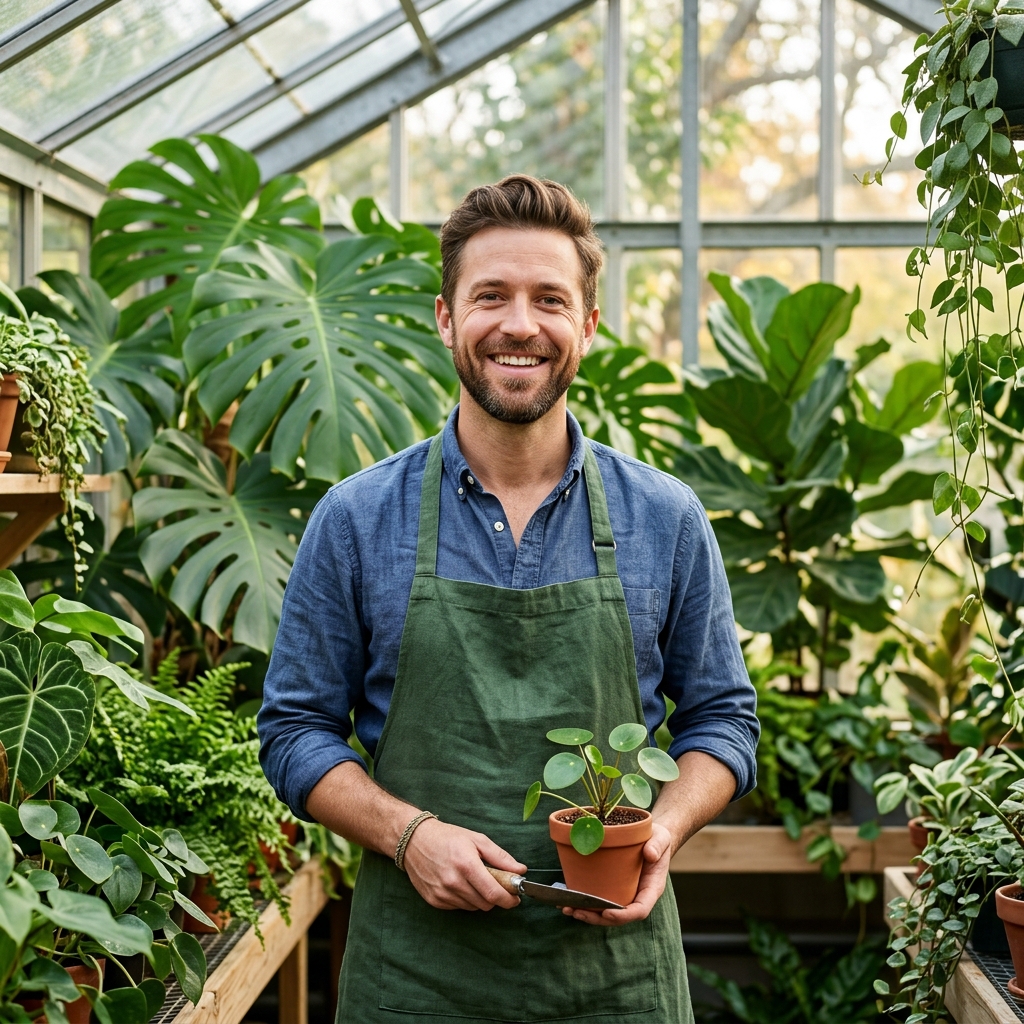
1. Essential Hand Tools for Efficient Small-Space Vegetable Gardening

Essential Hand Tools for Efficient Small-Space Vegetable Gardening
When it comes to small-space vegetable gardening, having the right hand tools can significantly enhance your gardening efficiency. Below are essential tools that every small-space gardener should consider incorporating into their toolkit.
1. Hand Trowel
A sturdy hand trowel is indispensable for digging, planting, and transferring soil. Look for a stainless steel option with a comfortable grip. This tool is perfect for transplanting seedlings or sowing seeds in tight spaces.
2. Pruning Shears
High-quality pruning shears are vital for maintaining healthy plants. Regularly trimming your vegetables prevents overcrowding and promotes airflow. Ensure your shears are sharp to make clean cuts, reducing the risk of disease.
3. Garden Fork
A small garden fork is ideal for loosening soil and mixing in compost or fertilizers. This tool allows for easy aeration, which is essential for nutrient uptake in small plots.
4. Hand Cultivator
For breaking up soil and removing weeds, a hand cultivator is invaluable. It helps improve soil structure, particularly in compacted areas, ensuring that your vegetables have room to grow.
Expert Tips
- Always clean your tools after use to prevent rust and disease spread.
- Invest in ergonomic tools to reduce strain, especially if you have limited space.
- Consider using vertical gardening techniques to maximize space.
Common Mistakes to Avoid
Avoid using oversized tools that can damage delicate roots in small gardens. Also, neglecting regular maintenance of your tools can lead to inefficiencies and increased difficulty in your gardening tasks.
Best Practices
Implementing these essential hand tools in your small-space vegetable gardening will streamline your efforts and yield better results. Remember, efficiency is key in limited spaces!
2. Choosing the Best Container for Balcony Herb Gardening Success

Choosing the Best Container for Balcony Herb Gardening Success
Embarking on a balcony herb gardening journey requires careful consideration of your container choices. The right container can significantly impact the growth and health of your herbs, ensuring a bountiful harvest.
Material Matters
When selecting containers, consider materials like terracotta, ceramic, or plastic. Terracotta is porous, allowing for excellent drainage, which is crucial for herbs. Plastic pots, on the other hand, are lightweight and retain moisture, making them a popular choice for balcony gardening.
Size and Drainage
Opt for containers that are at least 12 inches deep to accommodate root growth. Ensure each container has drainage holes to prevent waterlogging, a common mistake among novice gardeners. Use a well-draining potting mix enriched with organic matter to boost fertility.
Current Trends in Container Gardening
- Vertical Gardening: Stackable planters save space and add visual interest.
- Self-Watering Planters: These are ideal for busy gardeners, reducing the frequency of watering.
Expert Tips for Success
Group your herbs according to their water and sunlight needs. For instance, basil and rosemary thrive in full sun, while parsley prefers partial shade. Regularly rotate your pots to ensure even sunlight exposure.
Avoid Common Gardening Mistakes
- Overwatering: Check soil moisture before watering to avoid root rot.
- Neglecting Fertilization: Use a balanced fertilizer every few weeks to promote healthy growth.
By choosing the right containers and following best practices, you’ll set the foundation for a flourishing balcony herb garden. Happy gardening!
3. Compact Pruning Shears for Maintaining Small-Space Plants

Compact Pruning Shears: Essential Tools for Small-Space Plant Maintenance
Maintaining small-space plants requires precision, and compact pruning shears are the perfect tool for the job. These lightweight, easy-to-handle shears are designed to navigate tight spaces, making them ideal for urban gardens, container plants, and indoor greenery.
Choosing the Right Compact Pruning Shears
When selecting your shears, consider the following:
- Blade Material: High-carbon steel offers durability and sharpness.
- Size and Weight: Ensure they are comfortable to hold for extended periods.
- Spring Mechanism: A good spring will reduce hand fatigue while pruning.
Expert Tips for Effective Pruning
To maximize the benefits of your compact pruning shears, follow these expert tips:
- Prune at the Right Time: Early spring is ideal for most plants, as it encourages new growth.
- Cut at an Angle: This prevents water accumulation on the cut surface, reducing the risk of disease.
- Avoid Over-Pruning: Remove no more than 30% of a plant’s foliage to keep it healthy.
Common Mistakes to Avoid
Even seasoned gardeners can make pruning errors. Here are some common mistakes to avoid:
- Using dull blades, which can damage plant tissue.
- Neglecting to clean your shears, leading to cross-contamination.
- Pruning in wet conditions, which can invite fungal infections.
By integrating compact pruning shears into your gardening toolkit and following best practices, you can maintain healthy, vibrant plants in any small space. Embrace the current trend of minimalistic gardening, and let your compact tools help you cultivate a lush, thriving garden!
4. Versatile Folding Garden Kneeler for Small Garden Comfort

Versatile Folding Garden Kneeler for Small Garden Comfort
For avid gardeners with limited space, a versatile folding garden kneeler can transform your small garden into a haven of comfort and efficiency. This essential tool not only provides a cushioned surface for kneeling but also doubles as a seat, enhancing your gardening experience.
Benefits of Using a Folding Garden Kneeler
- Comfort: The padded surface reduces strain on your knees.
- Stability: Provides a sturdy base for planting and weeding.
- Portability: Lightweight and easy to store, making it ideal for small gardens.
Expert Gardening Tips and Tricks
To maximize the use of your folding garden kneeler, follow these expert tips:
- Position it close to your planting area to minimize movement.
- Keep your tools organized in a small caddy to streamline your workflow.
- Utilize the kneeler for planting seedlings, as it allows easy access to the soil.
Common Gardening Mistakes to Avoid
While using a folding garden kneeler, avoid these pitfalls:
- Neglecting to maintain proper posture while kneeling or sitting.
- Overloading the kneeler with excessive weight, which can cause instability.
Best Practices for Small Garden Success
Incorporate these best practices into your routine:
- Rotate your plants to maintain soil health.
- Regularly clear debris to keep your small garden tidy.
- Utilize vertical gardening techniques to maximize space.
Embrace the comfort and functionality of a versatile folding garden kneeler to enhance your small garden experience. With the right techniques and tools, you can cultivate a flourishing oasis that is enjoyable to tend to.
5. Top-Rated Seed Starting Kits for Limited Gardening Areas

Top-Rated Seed Starting Kits for Limited Gardening Areas
For urban gardeners and those with limited space, seed starting kits provide an excellent solution to kickstart your gardening journey. These kits are designed to maximize productivity in compact areas, enabling you to grow a variety of herbs, vegetables, and flowers right at home.
Current Trends in Garden DIY
As gardening gains popularity, the trend of using indoor seed starting systems has surged. Look for kits that include energy-efficient LED grow lights and self-watering features, making them perfect for confined spaces. Many kits are also eco-friendly, using biodegradable materials that align with sustainable gardening practices.
Step-by-Step Guidance
- Choose the Right Kit: Select a seed starting kit that fits your space. Options include tray systems, peat pellets, or even hydroponic setups.
- Prepare Your Seeds: Opt for high-quality, non-GMO seeds suitable for your growing zone. Check germination rates for best results.
- Follow Instructions: Each kit comes with specific instructions. Pay close attention to soil depth and watering requirements.
- Monitor Conditions: Ensure optimal light and temperatures. Using a heat mat can enhance germination rates.
Expert Gardening Tips and Tricks
- Start with hardy seeds like lettuce and radishes to build confidence.
- Label your seedlings to avoid confusion as they grow.
- Thin seedlings to prevent overcrowding, promoting healthier plants.
Common Gardening Mistakes to Avoid
Many new gardeners overwater their seedlings. Ensure your containers have drainage holes and only water when the top inch of soil feels dry. Additionally, avoid placing your seedlings in direct sunlight immediately; gradually acclimate them to prevent shock.
With the right seed starting kits and a few expert tips, even the smallest gardening areas can flourish. Dive into the world of gardening and enjoy the fruits of your labor!
6. Space-Saving Vertical Planters for Urban Gardening Solutions

Space-Saving Vertical Planters for Urban Gardening Solutions
Urban gardening is on the rise, and space-saving vertical planters offer a practical solution for city dwellers. These innovative designs maximize limited space, allowing you to cultivate a variety of plants without sacrificing your outdoor area. Whether you’re interested in herbs, flowers, or vegetables, vertical gardening can transform your urban environment into a green oasis.
Step-by-Step Guide to Creating Vertical Planters
Here’s how to get started with your own vertical garden:
- Choose Your Location: Select a spot that receives adequate sunlight, ideally 6-8 hours daily.
- Pick Your Planter: Consider options like wall-mounted pockets, tiered plant stands, or repurposed pallets.
- Soil Selection: Use a high-quality potting mix that retains moisture yet drains well, preventing root rot.
- Select Plants: Opt for varieties that thrive in vertical settings, such as strawberries, herbs, and succulents.
- Watering Techniques: Implement a drip irrigation system or self-watering planters to maintain consistent moisture levels.
Expert Gardening Tips and Common Mistakes to Avoid
To ensure your vertical garden flourishes, keep these expert tips in mind:
- Regularly check for pests and diseases, as vertical gardens can sometimes trap humidity.
- Rotate your plants seasonally to prevent nutrient depletion in the soil.
- Avoid overcrowding your plants; proper spacing ensures good air circulation and growth.
With the right approach, space-saving vertical planters can elevate your urban gardening experience. Embrace this trend to create a stylish and sustainable garden, no matter how limited your space may be!
7. Lightweight Trowels for Precision Planting in Tight Spaces

Lightweight Trowels for Precision Planting in Tight Spaces
When it comes to precision planting in tight spaces, lightweight trowels are essential tools that every gardener should have in their arsenal. These tools offer the perfect balance of strength and maneuverability, allowing you to dig, transplant, and cultivate with ease, even in confined areas.
The Benefits of Lightweight Trowels
Lightweight trowels are designed for maximum efficiency and control. Here are some of their key advantages:
- Enhanced Maneuverability: Ideal for containers and narrow garden beds.
- Reduced Fatigue: Lightweight design minimizes strain during extended use.
- Improved Precision: Perfect for delicate tasks like planting seeds or transplanting seedlings.
Expert Gardening Tips for Using Trowels
To get the most from your lightweight trowel, consider the following best practices:
- Use a trowel with a curved blade for easier soil penetration.
- Choose one with a comfortable grip to prevent blisters.
- Always clean your trowel after use to prevent soil buildup.
Common Mistakes to Avoid
Even seasoned gardeners can make errors. Here are some common pitfalls:
- Using a heavy trowel in tight spaces can lead to accidents or damaged plants.
- Not maintaining your trowel can cause rust and inefficiency.
Current Trends in Garden DIY
As gardening continues to evolve, lightweight tools are becoming increasingly popular in DIY projects. Many gardeners now favor ergonomic designs that enhance comfort and usability. Additionally, eco-friendly materials are being embraced, making these trowels not only practical but also sustainable.
In summary, lightweight trowels are invaluable for precision planting in tight spaces. By following expert guidance and avoiding common mistakes, you can optimize your gardening experience and ensure the success of your plants.
8. Efficient Hose Reels for Small-Scale Container Gardens

Efficient Hose Reels for Small-Scale Container Gardens
When managing a small-scale container garden, incorporating an efficient hose reel can streamline your watering process while enhancing garden aesthetics. A well-chosen hose reel not only keeps your space tidy but also prevents hose tangles, making watering a hassle-free task.
Choosing the Right Hose Reel
For container gardens, opt for a compact, wall-mounted or portable hose reel. Here are some factors to consider:
- Size: Ensure the reel can accommodate your garden’s hose length, typically 25-50 feet for small gardens.
- Material: Look for durable materials like stainless steel or reinforced plastic to withstand outdoor conditions.
- Ease of Use: A retractable or manual reel with a comfortable handle can simplify your watering routine.
Step-by-Step Guidance
Follow these steps to effectively integrate a hose reel into your container gardening routine:
- Assess Your Space: Identify a suitable location that is easily accessible to your plants.
- Install the Hose Reel: Securely mount or place the reel, ensuring it’s stable.
- Connect Your Hose: Attach your garden hose to the reel, ensuring a tight fit to prevent leaks.
- Organize Your Watering Tools: Keep your watering can and nozzles nearby for efficiency.
Expert Tips and Common Mistakes
To maximize your watering efforts:
- Avoid overwatering by checking soil moisture levels with a moisture meter.
- Use a soaker hose attachment for even watering in container gardens.
- Regularly clean your hose to prevent algae build-up and ensure optimal water flow.
By implementing these strategies and investing in a quality hose reel, you’ll maintain a thriving container garden with ease. Embrace the current trends in Garden DIY that prioritize efficiency and organization, and watch your garden flourish!
9. Best Soil Mixes for Container Gardening in Small Spaces

Best Soil Mixes for Container Gardening in Small Spaces
Container gardening in small spaces offers a fantastic opportunity to cultivate a variety of plants, from herbs to flowering annuals. However, selecting the right soil mix is crucial for the health and productivity of your container garden. Here are some expert-level insights into the best soil mixes and practices tailored for small-space gardening.
Essential Components of a Quality Soil Mix
A high-quality potting mix is essential for container gardening. The best soil mixes typically include:
- Peat Moss: Retains moisture while providing aeration.
- Perlite or Vermiculite: Enhances drainage and aeration.
- Compost: Provides organic nutrients and beneficial microbes.
Creating Your Own Soil Mix
To create a balanced soil mix for your containers, follow these steps:
- Combine two parts peat moss with one part perlite for drainage.
- Add one part compost to enrich the mix.
- Optionally, incorporate slow-release fertilizers for added nutrients.
Common Mistakes to Avoid
When container gardening, gardeners often make mistakes that can hinder plant growth. Here are some to watch out for:
- Using garden soil instead of potting mix, which can compact and retain too much moisture.
- Neglecting to adjust the soil mix based on the specific needs of your plants.
- Over-fertilizing, which can lead to nutrient burn.
Best Practices for Container Gardening
To ensure a thriving container garden, remember to:
- Regularly check moisture levels, as container plants can dry out quickly.
- Rotate plants seasonally to maintain soil health.
- Use mulch to reduce evaporation and suppress weeds.
By understanding and implementing the best soil mixes for container gardening, you can maximize your small space and enjoy a bountiful harvest throughout the growing season.
10. Handheld Weeders: Essential Tools for Tiny Garden Maintenance

Handheld Weeders: Essential Tools for Tiny Garden Maintenance
For those tending to small garden spaces, handheld weeders are indispensable tools that make garden maintenance both efficient and enjoyable. These compact tools allow for precision weeding, ensuring that every unwanted plant is removed without disturbing the surrounding flora.
Why Use Handheld Weeders?
Handheld weeders are designed to tackle the roots of weeds effectively, which is crucial for preventing regrowth. When choosing a weeder, look for ergonomic designs that reduce hand strain during extended use. Current trends emphasize tools made from sustainable materials, so consider eco-friendly options when selecting your weeder.
Step-by-Step Guide to Using Handheld Weeders
- Assess the Area: Identify the specific areas where weeds proliferate. Look for common culprits like dandelions and crabgrass.
- Choose the Right Tool: Select a handheld weeder that suits the type of weeds you’re dealing with. Forked weeders are great for stubborn taproots, while pointed ones excel in tight spaces.
- Technique: Position the weeder at the base of the weed and apply gentle pressure to loosen the soil. Pull the weed out by the root to ensure complete removal.
- Clean-Up: Dispose of weeds properly to prevent seeds from re-establishing in your garden.
Common Mistakes to Avoid
- Neglecting to weed regularly can lead to overwhelming growth.
- Using excessive force, which may damage surrounding plants.
- Not removing the entire root, allowing weeds to regrow.
Expert Tips for Optimal Results
To maintain a thriving tiny garden, aim to weed after a rain when the soil is moist, making it easier to remove weeds with their roots intact. Additionally, mulch around your plants to suppress future weed growth while retaining soil moisture.
In summary, handheld weeders are essential tools that simplify tiny garden maintenance. By incorporating these best practices and avoiding common pitfalls, you can enjoy a flourishing garden free from pesky weeds.
11. Quality Garden Rakes for Managing Limited Urban Garden Beds

Quality Garden Rakes for Managing Limited Urban Garden Beds
In urban gardening, where space is often at a premium, choosing the right tools is crucial for maximizing your gardening efforts. A quality garden rake is essential for managing limited urban garden beds, helping you maintain soil health and structure.
Choosing the Right Rake
When selecting a rake, consider the following:
- Size and Weight: Opt for a lightweight rake that can easily maneuver in tight spaces.
- Material: Stainless steel rakes offer durability, while plastic rakes are excellent for delicate tasks.
- Tines: Look for rakes with flexible tines for effective soil aeration without damaging roots.
Expert Gardening Tips
To effectively manage your urban garden bed, follow these expert tips:
- Regular Raking: Frequently rake leaves and debris to prevent pest infestations and disease.
- Soil Aeration: Use the rake to gently aerate your soil, promoting healthy root growth.
- Mulching: Rake mulch evenly around plants to conserve moisture and suppress weeds.
Avoid Common Mistakes
While raking, avoid these common gardening mistakes:
- Over-raking, which can damage delicate plants.
- Using a rusty rake, which can introduce pathogens into your soil.
- Neglecting to clean your rake after use, leading to rust and reduced efficiency.
By investing in a quality garden rake and following these best practices, you can efficiently manage your limited urban garden beds, ensuring a thriving green space in your city lifestyle.
12. Compact Compost Bins for Eco-Friendly Small-Space Gardening

Compact Compost Bins for Eco-Friendly Small-Space Gardening
In the world of small-space gardening, compact compost bins are becoming an essential tool for eco-conscious gardeners. These bins not only help reduce kitchen waste but also provide nutrient-rich compost that enhances plant growth in limited spaces.
Choosing the Right Compact Compost Bin
When selecting a compost bin, consider the following:
- Size: Opt for bins that fit within your available space, such as balcony or patio areas.
- Material: Look for durable materials like recycled plastic or stainless steel, which can withstand outdoor conditions.
- Ventilation: Ensure the bin has adequate airflow to promote aerobic decomposition.
Step-by-Step Guide to Composting
Follow these steps to create your own compost:
- Collect Materials: Gather kitchen scraps (vegetable peels, coffee grounds) and yard waste (leaves, grass clippings).
- Layering: Start with a layer of coarse materials (twigs) for aeration, followed by alternating green (nitrogen-rich) and brown (carbon-rich) materials.
- Moisture: Keep the compost slightly moist, similar to a damp sponge. Avoid overwatering to prevent odor.
- Turn Regularly: Use a garden fork to aerate the compost every few weeks, speeding up decomposition.
Common Mistakes to Avoid
To achieve optimal results, steer clear of these pitfalls:
- Overloading with only one type of material.
- Neglecting to turn the compost, leading to a lack of aeration.
- Ignoring moisture levels, which can hinder decomposition.
Best Practices for Successful Composting
To maximize your composting efforts, follow these best practices:
- Maintain a balanced carbon-to-nitrogen ratio (about 30:1).
- Shred larger items to accelerate the breakdown process.
- Monitor temperature; a hot compost pile (130°F-160°F) decomposes faster.
Embrace the trend of sustainable gardening with a compact compost bin, and transform your small space into an eco-friendly haven!
13. Drip Irrigation Kits for Water-Efficient Patio Gardens

Drip Irrigation Kits for Water-Efficient Patio Gardens
Creating a water-efficient patio garden is essential for sustainable gardening practices. Drip irrigation kits offer an effective solution for delivering consistent moisture to your plants while minimizing water waste. These systems are not only easy to install but also promote healthy plant growth by ensuring that water reaches the root zone directly.
Choosing the Right Drip Irrigation Kit
When selecting a drip irrigation kit, consider the following:
- Garden Size: Choose a kit that fits the scale of your patio garden.
- Plant Types: Different plants have varying water needs. Ensure your kit can accommodate these differences.
- Water Pressure: Check your water pressure to ensure compatibility with the system.
Step-by-Step Installation Guide
- Plan Your Layout: Map out where your plants are located to determine hose placement.
- Assemble the Kit: Follow the manufacturer’s instructions to assemble the drip lines, emitters, and connectors.
- Install Emitters: Position emitters near the root zones of your plants for optimal water delivery.
- Test the System: Turn on the water and check for leaks or clogs.
- Adjust Timers: Use a timer for automated watering, ensuring consistent moisture levels.
Expert Tips and Common Mistakes to Avoid
To maximize the efficiency of your drip irrigation system:
- Regularly check and clean emitters to prevent blockages.
- Monitor soil moisture levels to avoid over-watering.
- Group plants with similar water needs together.
By adopting these best practices, you can enhance your patio garden’s vitality while conserving water. Embrace the trend of water-efficient gardening with drip irrigation kits and enjoy a flourishing, sustainable garden!
14. Ergonomic Garden Gloves for Comfortable Small-Space Plant Care

Ergonomic Garden Gloves for Comfortable Small-Space Plant Care
When tending to your compact garden, the right tools can make all the difference. Ergonomic garden gloves are designed not only for protection but also for comfort, allowing gardeners to care for small spaces efficiently. These specially crafted gloves reduce hand fatigue and enhance dexterity, making them essential for any gardener.
Choosing the Right Ergonomic Garden Gloves
Look for gloves that feature:
- Flexible Materials: Opt for gloves made from breathable fabrics like spandex or nylon, which allow for optimal movement.
- Padded Palms: Additional cushioning in the palm area safeguards against blisters during prolonged use.
- Grip Technology: Textured surfaces improve grip, especially when handling small tools or delicate plants.
Gardening Best Practices with Ergonomic Gloves
To maximize your gardening experience:
- Start with Soil Preparation: Use your gloves while working with potting mix or compost, which can be abrasive.
- Practice Careful Pruning: When deadheading or trimming, the grip offered by ergonomic gloves allows for precise cuts without slipping.
- Watering and Weeding: The flexible design helps you maneuver around plants, ensuring you tackle weeds without damaging roots.
Avoid Common Gardening Mistakes
Many gardeners overlook the importance of comfort, leading to:
- Hand fatigue, which can deter you from spending time in your garden.
- Injuries caused by inadequate protection from thorny plants or prickly weeds.
Investing in quality ergonomic garden gloves is a small change that can drastically improve your gardening experience in small spaces. By choosing the right pair and following best practices, you’ll enjoy more comfortable and productive gardening sessions.
15. Best Fertilizer Spikes for Container Plants in Small Gardens

Best Fertilizer Spikes for Container Plants in Small Gardens
Maintaining healthy container plants in small gardens can be a rewarding yet challenging endeavor. One of the most effective ways to ensure your plants thrive is through the use of high-quality fertilizer spikes. These nutrient-packed spikes release essential elements slowly, providing a consistent supply of food for your plants.
Choosing the Right Fertilizer Spikes
When selecting fertilizer spikes for your container plants, consider the following:
- Nutrient Composition: Look for spikes that contain a balanced mix of nitrogen, phosphorus, and potassium (N-P-K) suitable for your specific plants. For example, flowering plants often benefit from a higher phosphorus content.
- Slow-Release Formula: Opt for slow-release spikes that can nourish your plants over time, reducing the frequency of application.
- Organic Options: Organic fertilizer spikes are becoming increasingly popular, catering to environmentally-conscious gardeners.
Step-by-Step Application Guide
Follow these simple steps to effectively use fertilizer spikes in your containers:
- Preparation: Water your plants thoroughly a day before application to ensure the soil is moist.
- Spacing: Insert the spikes into the soil around the plant base, ensuring they are evenly spaced and not too close to the roots.
- Depth: Push the spikes about 2-3 inches deep to maximize nutrient absorption.
- Follow-Up: Monitor your plants for signs of nutrient deficiency and reapply as needed, typically every 6-8 weeks.
Common Gardening Mistakes to Avoid
To get the most out of your fertilizer spikes, avoid these common pitfalls:
- Over-fertilizing, which can lead to root burn.
- Ignoring soil moisture levels before application.
- Using the wrong type of spike for specific plant needs.
By following these best practices and utilizing the right fertilizer spikes, you can significantly enhance the health and growth of your container plants in small gardens. Happy gardening!
Frequently Asked Questions
What are the essential hand tools for small-space vegetable gardening?
Essential hand tools for small-space vegetable gardening include a trowel, hand cultivator, and pruning shears. These tools allow for efficient planting, soil aeration, and maintenance of your plants in confined areas. Investing in high-quality tools will enhance your gardening experience and improve plant health.
How do I choose the best container for balcony herb gardening?
When selecting containers for balcony herb gardening, opt for pots that have good drainage and are made of lightweight materials like plastic or fiberglass. Ensure the containers are at least 6-12 inches deep to accommodate root growth and choose the right size based on the herbs you plan to grow, allowing for proper air circulation and moisture retention.
Why are compact pruning shears important for maintaining small-space plants?
Compact pruning shears are vital for maintaining small-space plants as they allow for precise cuts without damaging surrounding foliage. Their smaller size makes them easier to maneuver in tight spaces, ensuring healthy growth and encouraging new blooms. Regular pruning helps manage plant size and improves air circulation, which is crucial in limited gardening areas.
How can I make my small garden more comfortable while gardening?
To enhance comfort in your small garden, consider using a versatile folding garden kneeler. This tool provides cushioning for your knees and doubles as a seat, reducing strain during long gardening sessions. Additionally, incorporating ergonomic tools can further minimize discomfort and enhance your gardening experience.
What are the best practices for using seed starting kits in limited gardening areas?
Best practices for using seed starting kits in small spaces include choosing compact, high-quality kits with good drainage and ventilation. Start seeds indoors using grow lights to maximize space, and transplant them outdoors after the last frost. Regularly monitor moisture levels to ensure optimal germination and growth, taking care not to overcrowd seedlings.