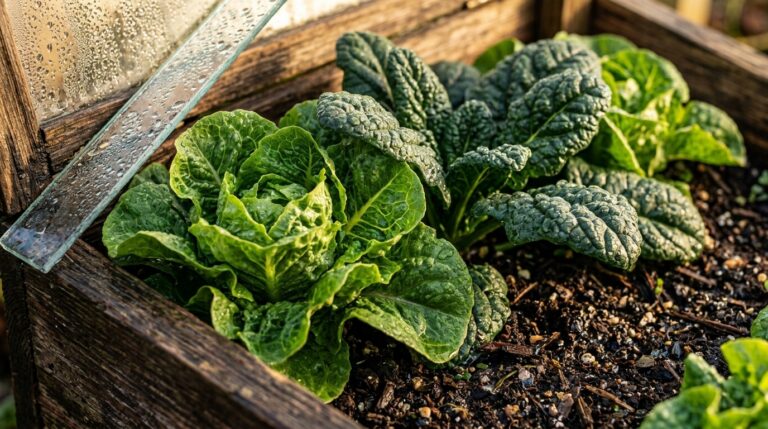
Rewilding your backyard is an innovative approach to gardening that allows nature to flourish in its most authentic form. Instead of meticulously manicured lawns and perfectly pruned shrubs, rewilding invites a diverse ecosystem of plants and wildlife into your outdoor space. This practice not only enhances the beauty of your garden but also plays a pivotal role in supporting local biodiversity and the environment.
Imagine your backyard transforming into a vibrant tapestry of wildflowers, grasses, and native plants, creating a sanctuary for birds, butterflies, and beneficial insects. It’s a simple yet impactful method to combat the effects of climate change and habitat loss. In this article, we’ll explore ten compelling reasons to embrace rewilding in your garden, offering practical tips and inspiration to help you let nature take over and thrive.
1. Encourage Local Wildlife Habitats
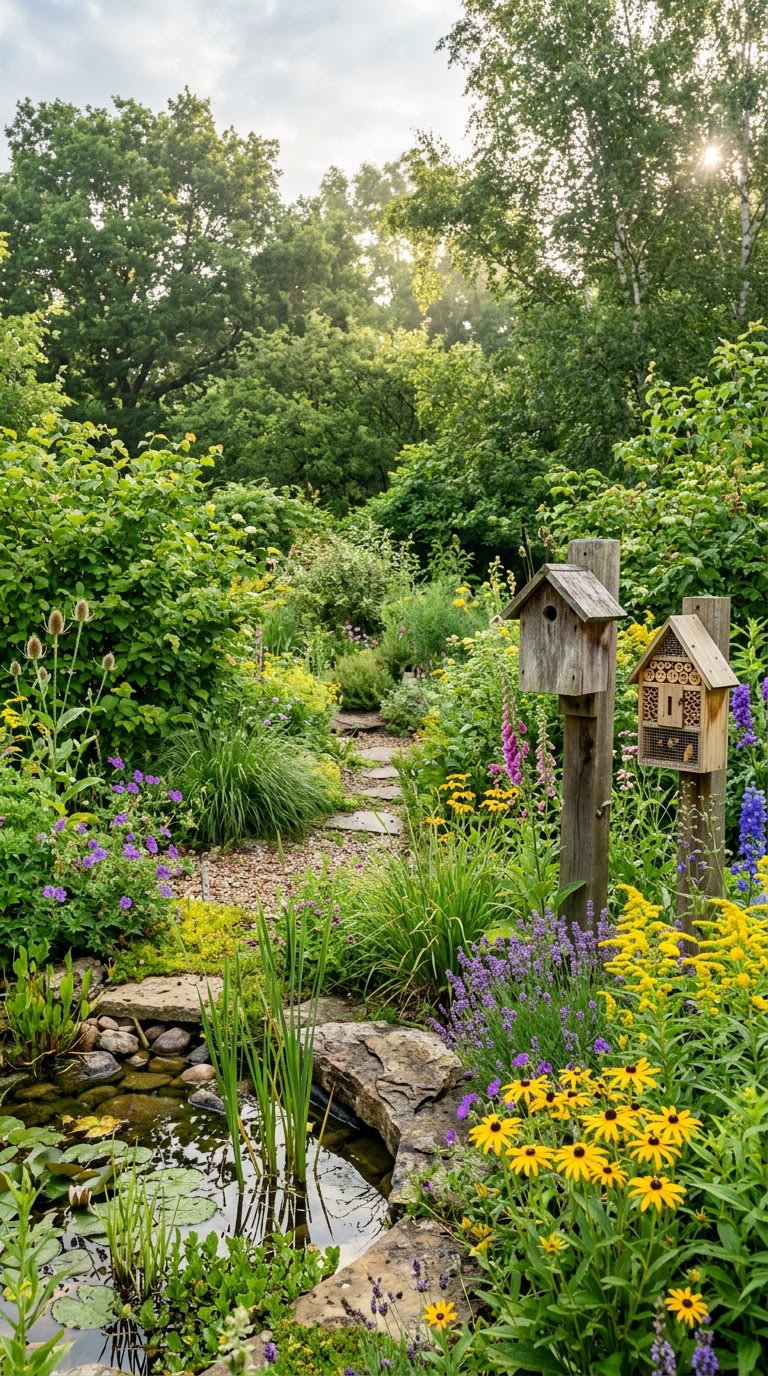
Rewilding your backyard is a powerful way to provide habitats for local wildlife, from birds and insects to small mammals. By planting native species, you create a sanctuary where these creatures can thrive, helping to restore balance to local ecosystems. Native plants are adapted to the local climate and soil, making them easier to maintain and providing essential food sources for various wildlife.
Consider incorporating a range of plants that flower at different times throughout the year to ensure a year-round food supply for pollinators. Additionally, adding features like birdhouses, bee hotels, and water sources can further enhance the attractiveness of your garden to wildlife. A diverse backyard not only supports local species but also brings the joy of nature closer to home.
By fostering a habitat in your backyard, you are actively participating in conservation efforts. This can be particularly impactful in urban areas where natural spaces are limited. Every small effort counts, and your rewilded space can become a vital refuge for local wildlife, all while enhancing the beauty and tranquility of your outdoor living area.
2. Create a Low-Maintenance Garden

One of the most appealing aspects of rewilding is the reduction in maintenance requirements. By allowing nature to take its course, you can create a low-maintenance garden that requires less time and effort to care for. Native plants are often more resilient and better suited to local conditions, meaning they need less watering, fertilizing, and pest control than non-native species.
Consider implementing a no-mow zone where grasses and wildflowers can grow freely. This not only saves you time but also enhances the aesthetic appeal of your yard with natural beauty. Additionally, by letting plants self-seed, you can create a dynamic garden that evolves each season, offering new surprises without the need for constant replanting.
The beauty of a low-maintenance garden lies in its ability to thrive with minimal human intervention. You’ll find that as you step back and let nature take over, your garden will flourish in ways you may not have imagined. Embrace the wildness and enjoy the peace of mind that comes from spending less time maintaining and more time enjoying your garden.
3. Enhance Biodiversity

Rewilding your backyard is an effective way to enhance biodiversity in your local environment. By introducing a variety of native plants, you create a habitat that supports a wide range of organisms, from insects to birds and mammals. This rich tapestry of life not only beautifies your space but also contributes to the overall health of the ecosystem.
Diversity in plant species attracts different pollinators, which are vital for the reproduction of many plants. You can promote biodiversity by selecting a mix of flowering plants, grasses, and shrubs that bloom at various times throughout the year. This ensures that your garden remains a haven for wildlife, providing food and shelter throughout the seasons.
Moreover, a biodiverse garden can help improve soil health and resilience against pests and diseases. Healthy ecosystems are self-sustaining, as they encourage natural pest control and nutrient cycling. By fostering biodiversity in your yard, you are not only contributing to environmental health but also creating a more vibrant and dynamic outdoor space that you can enjoy for years to come.
4. Reduce Water Usage

Rewilding can significantly reduce water usage in your garden, making it an eco-friendly option for homeowners. Native plants are adapted to local climates and require less water than ornamental varieties that need constant irrigation. By selecting drought-resistant species, you can create a lush garden that thrives even during dry spells.
Incorporating features like rain gardens or permeable pathways can further enhance water conservation. Rain gardens collect and filter stormwater, allowing it to seep into the ground rather than running off into storm drains. This natural filtration not only conserves water but also reduces pollution in nearby water bodies.
Moreover, by allowing grasses and wildflowers to grow, you contribute to the natural water cycle, helping to maintain soil moisture levels. As you embrace rewilding, you’ll find that your garden not only conserves water but also flourishes in a sustainable manner, providing beauty and environmental benefits simultaneously.
5. Support Pollinator Populations
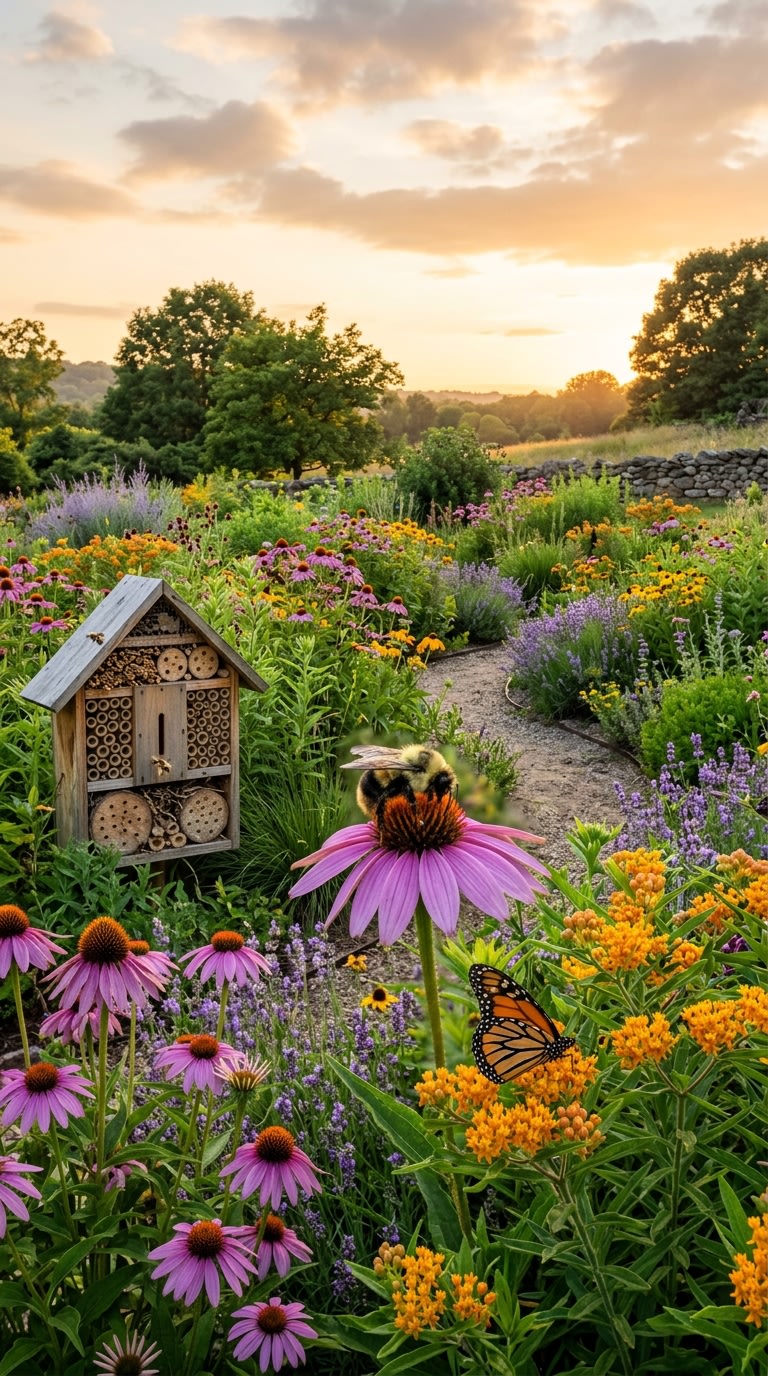
One of the most crucial benefits of rewilding your backyard is the support it provides to pollinator populations. Bees, butterflies, and other pollinators play an essential role in the reproduction of flowering plants, making their survival vital for biodiversity. By creating a rewilded garden filled with a variety of native plants, you can provide these creatures with abundant food sources.
Incorporating plants that bloom at different times of the year ensures that pollinators have a steady food supply throughout the seasons. Consider adding plants like coneflowers, milkweed, and lavender, which are particularly attractive to bees and butterflies. Avoid using pesticides, which can harm these beneficial insects, and instead, focus on creating a healthy ecosystem that supports their populations.
Moreover, creating habitats such as bee hotels or brush piles can further enhance your garden’s attractiveness to pollinators. By embracing rewilding, you can play a pivotal role in supporting and sustaining the vital pollinator populations that are essential for our food systems and natural landscapes.
6. Reduce Carbon Footprint
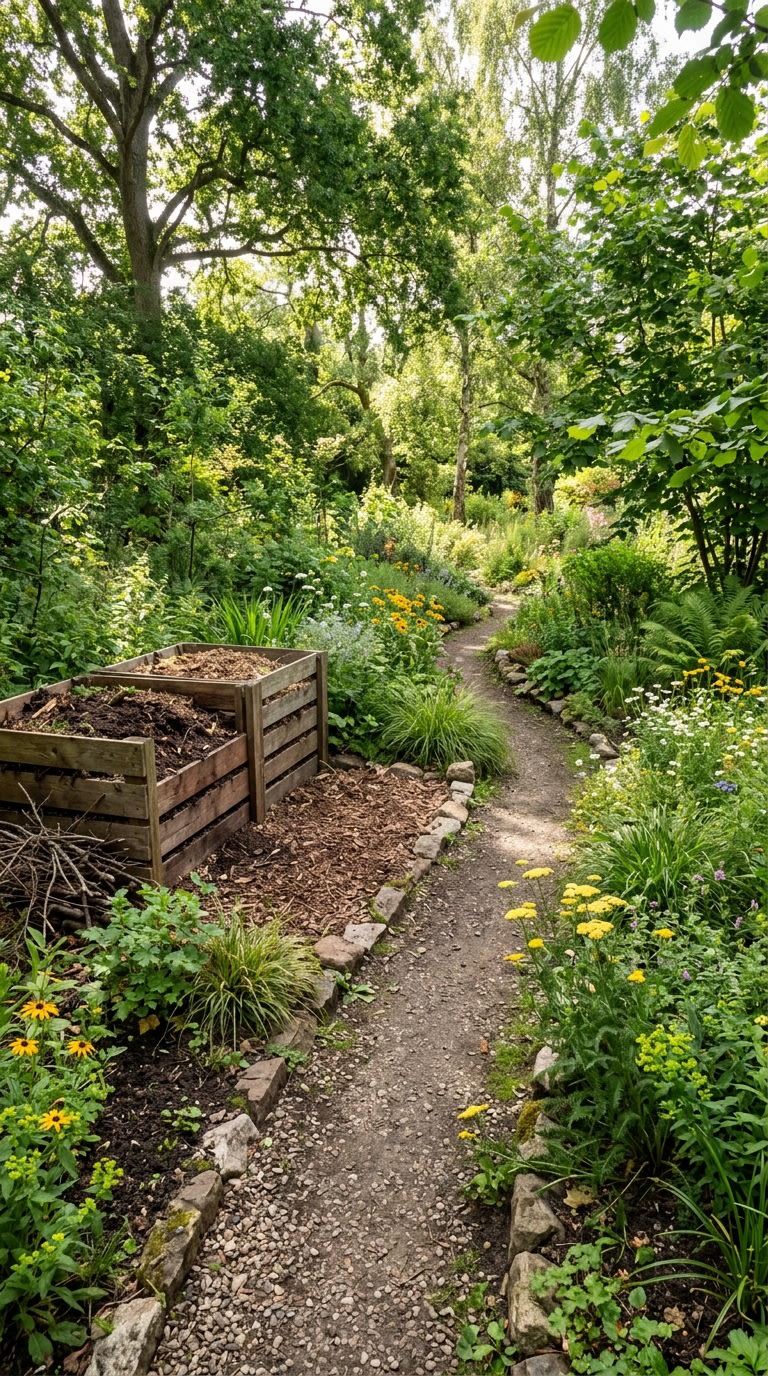
Rewilding your backyard is not just beneficial for local wildlife; it also contributes positively to the environment by reducing your carbon footprint. By creating a natural landscape, you are promoting carbon sequestration, which helps mitigate climate change. Plants absorb carbon dioxide from the atmosphere, storing carbon in their biomass and soil.
Opting for native and low-maintenance plants reduces the need for fertilizers and pesticides, which can contribute to greenhouse gas emissions during production. Furthermore, minimizing lawn areas and excess mowing can decrease fossil fuel consumption associated with lawn care. The more you allow your garden to return to its natural state, the more you support a healthier planet.
Additionally, by fostering biodiversity and creating habitats, you contribute to the resilience of ecosystems. Healthy ecosystems can better adapt to climate challenges, thus further reducing the overall impact of climate change. Embracing rewilding in your backyard is a step towards creating a sustainable future while enjoying a beautiful and vibrant outdoor space.
7. Foster a Sense of Community

Rewilding your backyard can also foster a sense of community among neighbors and friends. As you create a vibrant, diverse space, you may inspire others to follow suit, leading to a ripple effect of rewilding in your area. Community gardens and shared rewilding projects can bring people together, promoting environmental awareness and teamwork.
Hosting garden tours or sharing your rewilding journey on social media can engage your community and encourage discussions about sustainability. By showcasing the beauty and benefits of a rewilded garden, you can motivate others to consider similar transformations in their own backyards. This collective effort not only enhances local biodiversity but also strengthens community bonds.
Moreover, involving children and families in the process of rewilding can educate the next generation about the importance of nature and conservation. Through hands-on experiences, they can learn about ecosystems, plant care, and the significance of preserving wildlife. Ultimately, rewilding can create a shared passion for nature that resonates within your community.
8. Promote Mental Well-Being
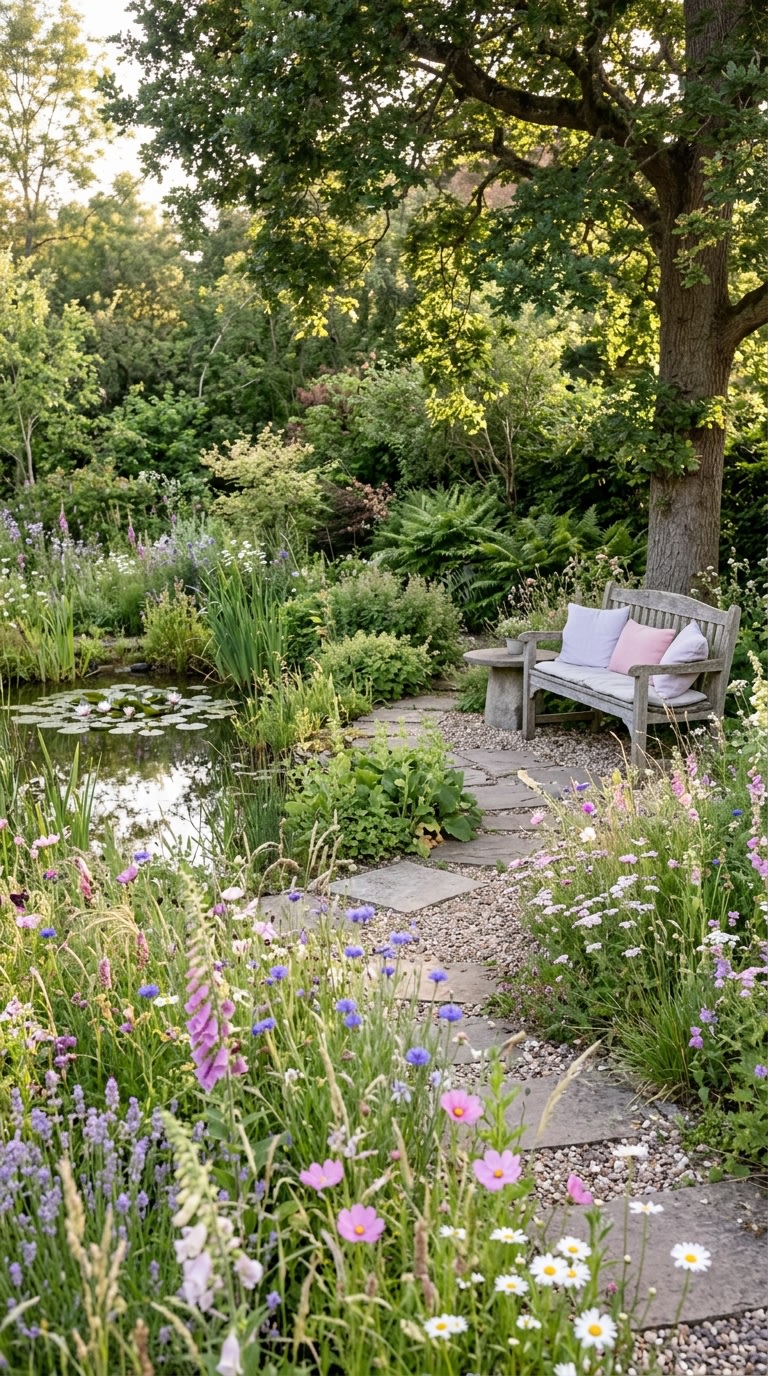
Rewilding your backyard can significantly enhance your mental well-being. Studies have shown that spending time in nature reduces stress, anxiety, and depression, making a rewilded garden an ideal sanctuary for relaxation and reflection. The vibrant colors, sounds of wildlife, and the beauty of natural landscapes can uplift your mood and promote a sense of peace.
Creating a space that invites exploration and connection with nature can encourage mindfulness and provide a respite from the busyness of daily life. Imagine a quiet corner with wildflowers swaying in the breeze, or a small pond attracting dragonflies—these elements can transform your backyard into a personal retreat. The act of gardening itself, even in a rewilded context, can be therapeutic and fulfilling.
Moreover, engaging with nature has been linked to improved cognitive function and creativity. Whether you take a leisurely stroll through your rewilded garden or simply sit and observe, you are nurturing your mental health. Embrace the tranquility of a naturally evolving landscape and reap the benefits of a rewilded backyard as a source of joy and rejuvenation.
9. Celebrate Seasonal Changes

Rewilding your backyard allows you to celebrate the changing seasons in a unique and beautiful way. By incorporating a variety of native plants that bloom at different times, you can create a dynamic landscape that evolves throughout the year. This not only adds visual interest but also allows you to appreciate the beauty of nature’s cycles.
For instance, early spring bulbs like crocuses and daffodils can provide vibrant colors, while summer wildflowers bring forth a riot of hues and scents. As fall approaches, the foliage transforms into warm tones, and winter presents a serene landscape with frosty textures. Each season brings its own charm, encouraging you to engage with your garden and observe its transformations.
Moreover, experiencing seasonal changes in your rewilded garden can foster a deeper connection with nature. You’ll find joy in the anticipation of blooms and the arrival of various wildlife throughout the year. Embrace the beauty that each season offers and let your garden reflect the natural rhythm of life.
Frequently Asked Questions
What is rewilding, and how can I start in my backyard?
Rewilding is the practice of allowing natural ecosystems to flourish in your outdoor space, promoting biodiversity and reducing maintenance. To start rewilding your backyard, begin by assessing your existing landscape and removing non-native or invasive species. Introduce a variety of native plants that are well-suited to your local climate and soil conditions. These plants require less water and care while providing habitats for local wildlife.
You can also create natural features like meadows, wildflower patches, or even small ponds to enhance the ecosystem. Over time, by stepping back and allowing nature to take its course, you will witness the beauty and vitality of a rewilded garden.
Do I need to completely abandon my garden to rewild it?
No, you don’t have to abandon your garden to rewild it. Rewilding can be a gradual process, allowing you to incorporate natural elements into your existing garden design. You can start by designating specific areas for rewilding, such as creating a wildflower meadow or a native plant border. This allows you to maintain some of your favorite plants while introducing more biodiversity into your space.
It’s about finding a balance between cultivated and wild areas, letting nature play a role in your garden while still enjoying the beauty of carefully chosen plants.
Will a rewilded garden attract pests?
While a rewilded garden may attract some pests, it also promotes natural pest control through increased biodiversity. By creating habitats for beneficial insects like ladybugs and lacewings, you can reduce the need for chemical pesticides. A diverse array of plants can help deter pests by attracting predatory species that keep harmful insects in check.
It’s essential to select a mix of plants that support a healthy ecosystem. This will help create a balanced environment where pests are less likely to become a problem. Embracing a rewilded garden allows nature to regulate itself, leading to a healthier garden overall.
How can I ensure my rewilded garden is sustainable?
To ensure your rewilded garden is sustainable, focus on using native plants that are adapted to your local environment. These plants require less water, are more resilient to local pests, and support local wildlife. Additionally, practice organic gardening methods by avoiding chemical fertilizers and pesticides, which can harm beneficial insects and soil health.
Incorporating features like rain gardens and composting areas can enhance sustainability by promoting water conservation and reducing waste. By creating a self-sustaining ecosystem, your rewilded garden will thrive naturally, benefiting both the environment and your enjoyment of the space.
Can rewilding improve my property value?
Rewilding can enhance your property value by creating a unique and attractive landscape that stands out in the market. Many homebuyers are increasingly interested in environmentally friendly and sustainable features, including gardens that promote biodiversity. A well-maintained rewilded garden can provide aesthetic appeal and create a sense of tranquility that buyers may find appealing.
Additionally, the presence of native plants can reduce maintenance costs and water usage, making your property more attractive to environmentally conscious buyers. Overall, a thoughtfully designed rewilded garden can add significant value to your property while contributing positively to the local environment.
Rewilding your backyard is not just a trend; it’s a powerful movement towards creating sustainable, beautiful, and biodiverse spaces that benefit both you and the environment. By allowing nature to reclaim its place, you foster wildlife habitats, reduce maintenance, and enhance your mental well-being. Each small step you take towards rewilding can have a lasting impact on local ecosystems and the community.
We encourage you to embrace the wildness of nature in your own garden. Start with simple changes, such as planting native species and creating inviting spaces for wildlife. Together, we can let nature take over and create a more vibrant, sustainable future for our backyards and beyond.