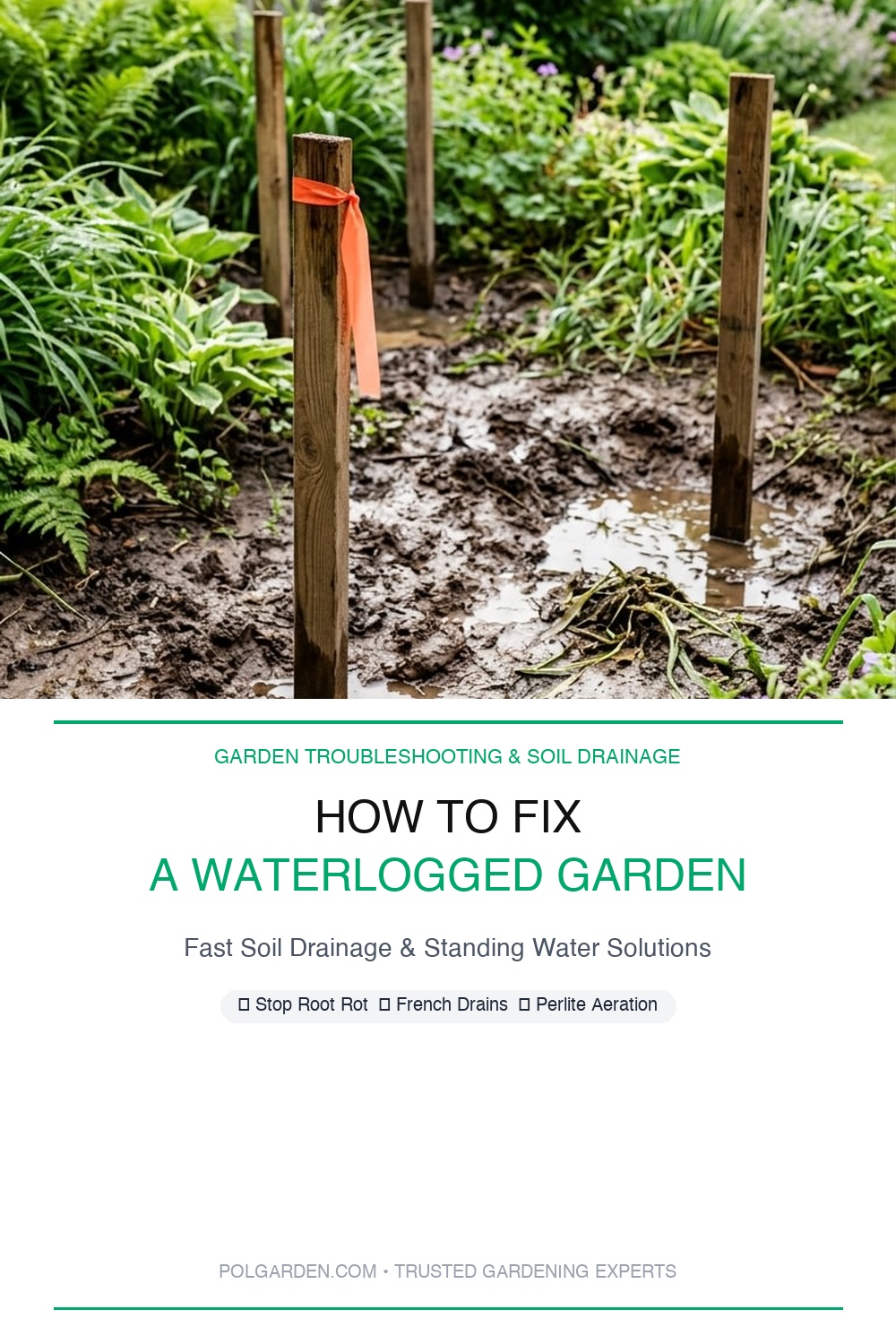
Have you ever stepped into your garden only to feel like you’re wading through a small pond? Waterlogged gardens can be a frustrating experience for any gardener, especially when your beloved plants are struggling to breathe under all that excess moisture. But don’t fret! With the right drainage solutions, you can transform your soggy sanctuary into a flourishing oasis.
Understanding how to fix a waterlogged garden is essential for maintaining healthy plants and creating a vibrant landscape. Whether you’re dealing with heavy clay soils, compacted earth, or poor drainage, there are effective strategies to reclaim your garden. Let’s dive into practical, actionable solutions that will help your plants thrive, even after the heaviest rainfalls.
Table of Contents
- What is a Waterlogged Garden?
- How Does Waterlogging Happen?
- Benefits of Fixing Waterlogged Areas
- Steps to Improve Garden Drainage
- Advanced Drainage Techniques
- Essential Tools and Resources
- Frequently Asked Questions
- Conclusion
What Is It?
A waterlogged garden is one where excess water accumulates, making the soil overly saturated and preventing oxygen from reaching the roots of your plants. This condition can lead to a host of problems, including root rot, stunted growth, and even the death of your beloved plants. Understanding the signs of waterlogging, such as muddy patches, standing water, and wilting plants, is the first step toward remedying the situation.
Waterlogging can be caused by various factors, including heavy rainfall, poor soil composition, and inadequate drainage systems. By recognizing the signs and understanding the causes, you can take targeted actions to restore balance to your garden’s ecosystem. It’s time to nurture your plants back to health and give them the thriving environment they deserve.
- Waterlogging occurs when soil is oversaturated with water.
- Signs include standing water, muddy patches, and plant wilting.
- Poor drainage and heavy rainfall are common causes.
- Addressing waterlogging is essential for plant health.
How It Works
The mechanism behind waterlogged gardens involves the saturation of soil particles, which prevents air from penetrating the root zone. Healthy soil contains a balance of air pockets and moisture; when water overwhelms this balance, it can lead to anaerobic conditions. Roots need oxygen to function properly, and waterlogged soil deprives them of this necessity, which can ultimately lead to plant stress and decay.
To combat this, various drainage solutions can be implemented to redirect excess water away from your garden. By understanding how water moves through soil and the role of gravity, you can harness these principles to promote better drainage and soil aeration, creating a healthier environment for your plants.
- Waterlogged soil lacks oxygen, harming plant roots.
- Healthy soil balances air and moisture.
- Effective drainage redirects excess water.
- Understanding soil mechanics aids drainage solutions.
Key Benefits
- Improved Plant Health — Fixing a waterlogged garden enhances the overall health of your plants. When roots receive the necessary oxygen and nutrients, they’re able to grow stronger and more resilient against pests and diseases.
- Enhanced Garden Aesthetics — A well-drained garden not only promotes plant health but also improves the visual appeal of your landscape. Healthier plants contribute to a lush, vibrant garden that you can enjoy year-round.
- Increased Soil Fertility — Proper drainage allows for better nutrient absorption, leading to more fertile soil. This means your plants will thrive, producing more blooms and fruits, and providing a bountiful harvest.
- Reduced Pest Issues — Waterlogged conditions can attract pests like mosquitoes and slugs. By addressing drainage issues, you create a less hospitable environment for these nuisances, protecting your garden’s health.
- Better Water Management — Implementing drainage solutions helps manage water flow during heavy rains, preventing erosion and nutrient runoff. This is crucial for maintaining the ecological balance of your garden.
Step-by-Step Guide
Step 1: Identify Problem Areas

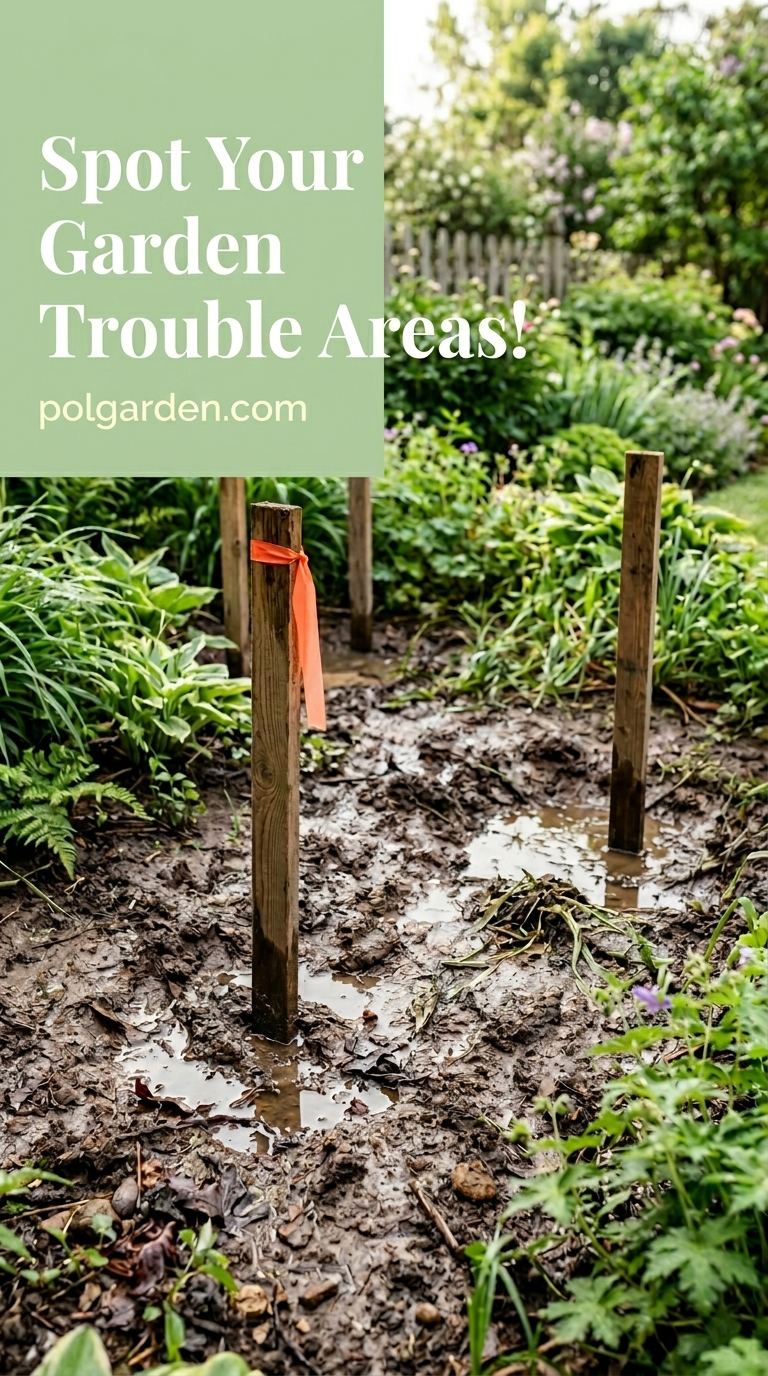
Before you can fix your waterlogged garden, you need to identify where the drainage issues are most severe. Walk through your garden after a heavy rain and take note of any areas where water tends to pool. These spots are often characterized by muddy patches, standing water, or even wilting plants. Look for areas with heavy clay soils, which are notorious for holding water.
By pinpointing these problem areas, you can focus your efforts on those specific spots when implementing drainage solutions. Consider marking them with garden stakes or flags for easy reference as you work on your garden improvements.
Example: For instance, if you notice a section near your vegetable patch remains soggy long after rain, that’s a clear area to address.
Pro Tips:
- Check for signs of erosion, which can indicate poor drainage.
- Use a soil moisture meter for a more accurate assessment.
- Observe how water flows through your garden during rain.
Step 2: Test Your Soil

Understanding the type of soil in your garden is crucial to addressing waterlogging effectively. Take samples from various spots in your garden, especially the areas you identified earlier, and use a simple drainage test. Dig a hole about 12 inches deep, fill it with water, and time how long it takes for the water to drain away. If it takes longer than 24 hours, your soil likely has poor drainage.
This test will help you determine whether your soil is clay-heavy, sandy, or loamy, allowing you to tailor your drainage solutions accordingly. Knowing your soil type can make all the difference in how you approach fixing your garden’s drainage issues.
Example: For example, if your test shows that water drains very slowly, consider adding organic matter to improve soil structure.
Pro Tips:
- Repeat the test in different seasons to see how drainage changes.
- Mix in compost to improve soil texture and drainage.
- Consult a local nursery for advice on soil amendments.
Step 3: Create Contours

One effective way to manage water flow in your garden is by creating contours or swales that direct excess water away from problem areas. To do this, assess the natural slope of your garden and use that to guide the placement of your contours. Dig shallow trenches or raised beds that encourage water to flow away from your plants and toward designated drainage areas.
Not only does this method help prevent water from pooling, but it also enhances the aesthetic appeal of your garden. Consider planting drought-resistant plants along these contours to further aid in water management and provide a beautiful landscape feature.
Example: For instance, if you have a sloped yard, you can create a swale at the base to collect and redirect water effectively.
Pro Tips:
- Use natural materials like stones and logs to define your contours.
- Plant native grasses or flowers in swales for added beauty.
- Regularly check your contours after heavy rains to ensure effectiveness.
Step 4: Install French Drains

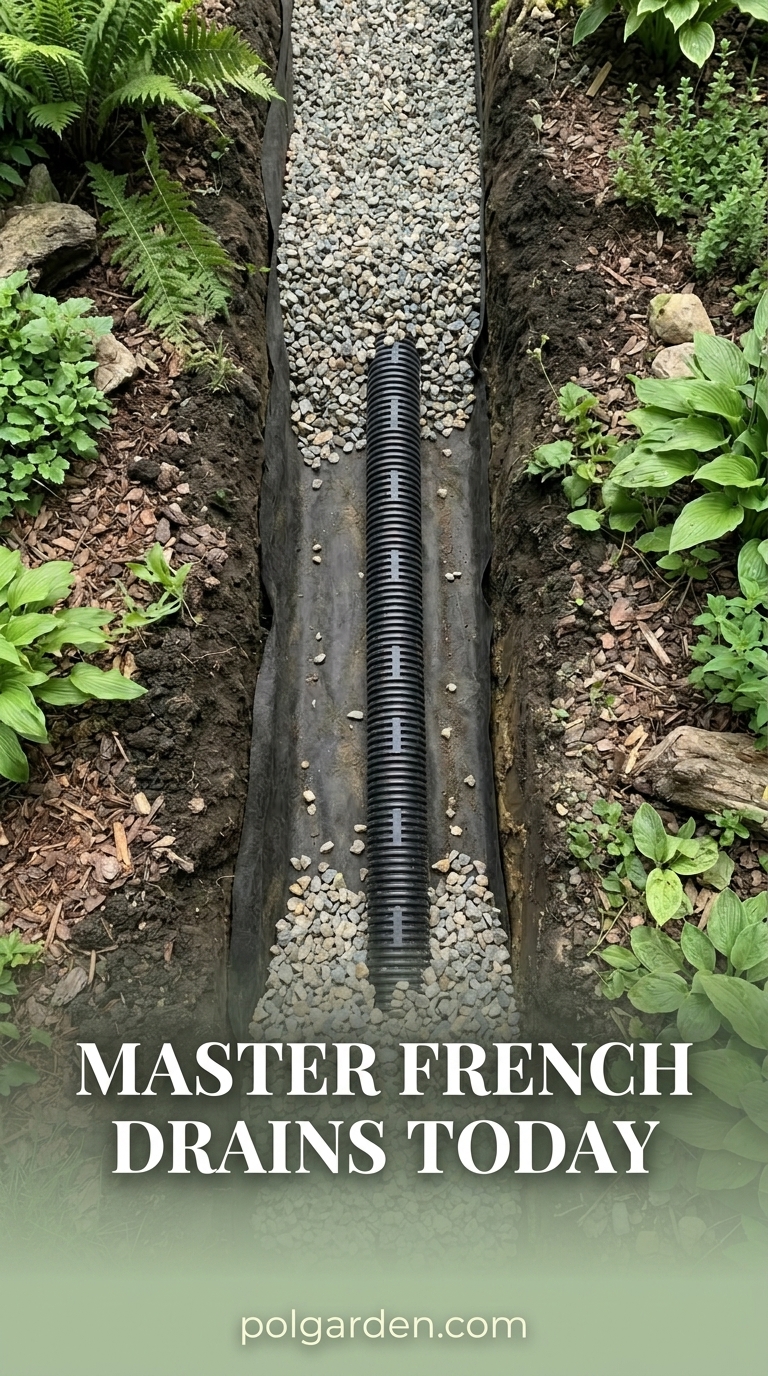
French drains are an excellent solution for managing excess water in your garden. They consist of a trench filled with gravel and a perforated pipe that redirects water away from problem areas. To install one, dig a trench that slopes away from your garden, typically about 6 inches deep and 12 inches wide. Lay down landscape fabric to prevent soil from clogging the gravel, then add a layer of gravel before placing the perforated pipe on top. Finally, cover the pipe with more gravel and soil.
This system allows water to flow into the pipe while preventing debris from causing blockages. French drains are a long-term solution that can significantly improve garden drainage and protect your plants from waterlogging.
Example: For example, if you have a low-lying area that accumulates water, a French drain can channel it away effectively.
Pro Tips:
- Ensure the trench slopes at least 1% away from your garden.
- Use larger gravel at the bottom for better drainage.
- Regularly check and clean the drain to maintain functionality.
Step 5: Incorporate Rain Gardens

Rain gardens are beautiful and functional solutions designed to absorb excess rainwater. These gardens are typically planted with native plants that can thrive in both wet and dry conditions. To create a rain garden, choose a low-lying area in your yard where water tends to collect. Dig a shallow depression and amend the soil with organic materials to improve drainage. Then, select plants suited for your climate that can handle periodic flooding.
The combination of the depression and carefully chosen plants allows for effective water absorption, reducing runoff and promoting a healthier ecosystem. Plus, rain gardens can attract beneficial wildlife, adding to the charm of your garden.
Example: For instance, if your yard has a spot that collects water after heavy rain, transforming it into a rain garden can enhance both beauty and drainage.
Pro Tips:
- Choose a variety of plants for visual interest and biodiversity.
- Position the rain garden at least 10 feet away from your home’s foundation.
- Incorporate mulch to retain moisture but prevent erosion.
Step 6: Use Soil Amendments

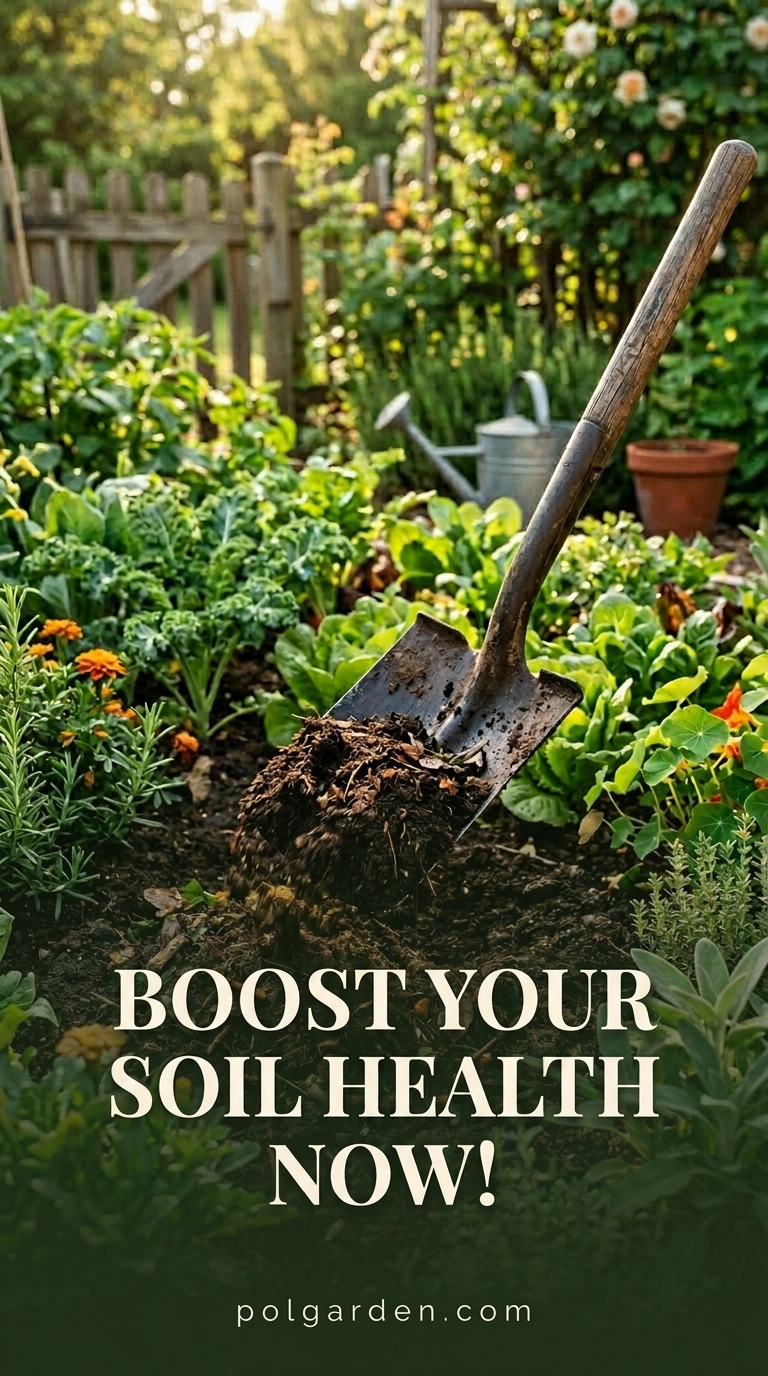
Improving your soil’s composition can significantly enhance its drainage properties. Adding organic matter, such as compost, peat moss, or well-rotted manure, can improve soil structure and aeration, allowing water to flow more freely. Start by spreading a layer of these amendments over the affected areas and gently tilling them into the top 6 inches of soil.
This process not only helps with drainage but also boosts soil fertility, creating a healthier environment for your plants. Regularly applying organic amendments can transform your garden’s overall health and resilience against waterlogging in the future.
Example: For example, mixing in compost can help clay-heavy soil become more porous, improving drainage.
Pro Tips:
- Test your soil regularly to determine what amendments are needed.
- Incorporate amendments in the fall for best results come spring.
- Consider using a rototiller for larger areas to mix amendments thoroughly.
Step 7: Install Permeable Paving

For pathways and patios in your garden, consider using permeable paving solutions that allow water to pass through and drain into the soil below. Materials like permeable pavers, gravel, and porous concrete can effectively manage water runoff while providing sturdy surfaces for walking and entertaining. When installing, ensure the base is properly prepared to promote drainage, and leave gaps between pavers for water infiltration.
This method not only helps reduce waterlogging in your garden but also enhances the overall aesthetic with attractive, eco-friendly materials. Plus, it can minimize the risk of puddles forming in high-traffic areas.
Example: For example, choosing gravel for your garden path can help water drain away more efficiently than traditional concrete.
Pro Tips:
- Select permeable materials that complement your garden style.
- Regularly maintain the gaps between pavers to keep them clear.
- Consider adding bordering plants to enhance visual appeal.
Step 8: Regular Maintenance

Maintaining your garden’s drainage system is an ongoing process. After implementing these solutions, be sure to monitor your garden regularly, especially after heavy rainfall. Check your drainage channels, French drains, and rain gardens to ensure they function as intended. Clear any debris, leaves, or sediment that may obstruct water flow.
Additionally, consider seasonal maintenance tasks like reapplying organic amendments or adjusting plant placements to optimize drainage. By staying proactive about maintenance, you can keep your garden healthy and prevent future waterlogging issues.
Example: For instance, cleaning out your gutters and downspouts regularly can prevent water from pooling near your garden.
Pro Tips:
- Create a maintenance schedule for regular checks.
- Document changes in plant health to identify drainage issues early.
- Engage with local gardening communities for shared tips and experiences.
Advanced Tips
Consider a Dry Well
If your garden experiences persistent waterlogging, a dry well can be an effective long-term solution. This underground structure collects excess water and allows it to gradually percolate into the surrounding soil. When installing a dry well, ensure it’s placed in a low-lying area where water naturally collects, and fill it with gravel to promote drainage. This method not only alleviates water accumulation but can also enhance soil health over time.
Utilize Native Plants
Incorporating native plants into your garden design can significantly improve your garden’s ability to manage water. Native plants are adapted to local climates and soil conditions, often requiring less maintenance and water. They also have deep root systems that help break up compacted soil, allowing for better drainage. By choosing plants native to your region, you can create a beautiful, low-maintenance garden that thrives in wet conditions.
Install a Sump Pump
In areas where waterlogging is a chronic problem, a sump pump can provide a reliable solution. This device works by collecting excess water in a basin and pumping it away from your garden. Sump pumps are particularly useful in basements or areas prone to flooding. Ensure that your pump is installed correctly and regularly maintained to keep it functioning effectively.
Create a Green Roof
If space allows, consider installing a green roof on sheds or other structures in your garden. Green roofs absorb rainwater and reduce runoff while providing insulation and habitat for wildlife. They require careful planning and installation but can be a stunning addition that enhances your garden’s aesthetics and ecological function. Be sure to select appropriate plants for your climate and roof conditions.
Tools & Resources
- Soil Moisture Meter — A soil moisture meter helps you accurately measure the moisture levels in your soil. This tool is essential for determining when to water your plants and assessing drainage effectiveness. — Available at: Home Depot, Amazon
- Perforated Pipe — Used in French drains, perforated pipes allow water to flow into the system while keeping out sediment. They are crucial for maintaining effective drainage. — Available at: Lowe’s, Home Depot
- Compost — Organic compost improves soil structure and fertility, enhancing drainage and supporting healthy plant growth. Regular application can transform your garden’s health. — Available at: Local nurseries, Amazon
- Gravel — Gravel is used in drainage systems and pathways to promote water flow. It prevents soil compaction and allows for effective drainage around plants. — Available at: Home Depot, Lowe’s
- Landscape Fabric — This fabric prevents soil and debris from clogging drainage systems while allowing water to pass through. It’s essential for effective drainage installations. — Available at: Home Depot, Amazon
Frequently Asked Questions
What are the signs of a waterlogged garden?
Common signs of a waterlogged garden include standing water, muddy patches, and plants that appear wilted or yellowing. You may also notice a foul smell coming from the soil, indicating root rot. Regularly inspect your garden after heavy rains to catch these signs early and take action.
How do I improve drainage in clay soil?
Improving drainage in clay soil can be challenging, but adding organic matter like compost or peat moss can help. This addition breaks up compacted soil, allowing for better water infiltration. Installing drainage solutions like French drains or swales can also redirect excess water and improve overall drainage.
Can I use plants to help with drainage?
Absolutely! Certain plants, particularly native species, are excellent for improving drainage. Their deep root systems help break up compacted soil, allowing water to flow more freely. Additionally, plants that thrive in wet conditions can absorb excess water, further mitigating waterlogging problems.
How often should I check my drainage systems?
It’s a good practice to check your drainage systems after heavy rainfall and at least once a season. Regular maintenance ensures your systems are functioning correctly and prevents future waterlogging issues. Clear any debris that may obstruct water flow, and make necessary repairs promptly.
What is the best time to address waterlogging issues?
The best time to address waterlogging issues is during the dry season or early spring before planting. This allows you to implement drainage solutions and amendments without disrupting your plants. However, if you notice immediate problems, it’s vital to address them as soon as possible to protect your garden.
Fixing a waterlogged garden might seem daunting, but with the right knowledge and tools, you can turn your soggy spaces into thriving landscapes. Remember, each step you take not only improves your garden’s health but also your enjoyment of your outdoor space. Celebrate your successes, small or large, and know that you are nurturing a beautiful environment.
As you embark on these drainage solutions, keep experimenting and learning about your garden’s unique needs. Don’t hesitate to reach out to fellow gardeners or local experts for advice. Together, you can create a flourishing oasis that will bring joy for years to come.
Save This Guide on Pinterest