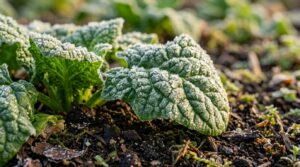
Growing tender, crisp spinach during the freezing depths of late autumn and winter is one of the greatest secrets of the year-round edible garden. While spring-planted spinach quickly bolts into bitter flower stalks under increasing day lengths and rising temperatures, winter-grown spinach thrives in cool soil. When exposed to repeated autumn frosts, spinach cells naturally accumulate concentrated plant sugars that act as organic antifreeze, resulting in extraordinarily sweet, thick, and succulent leaves that store-bought greens can never replicate.
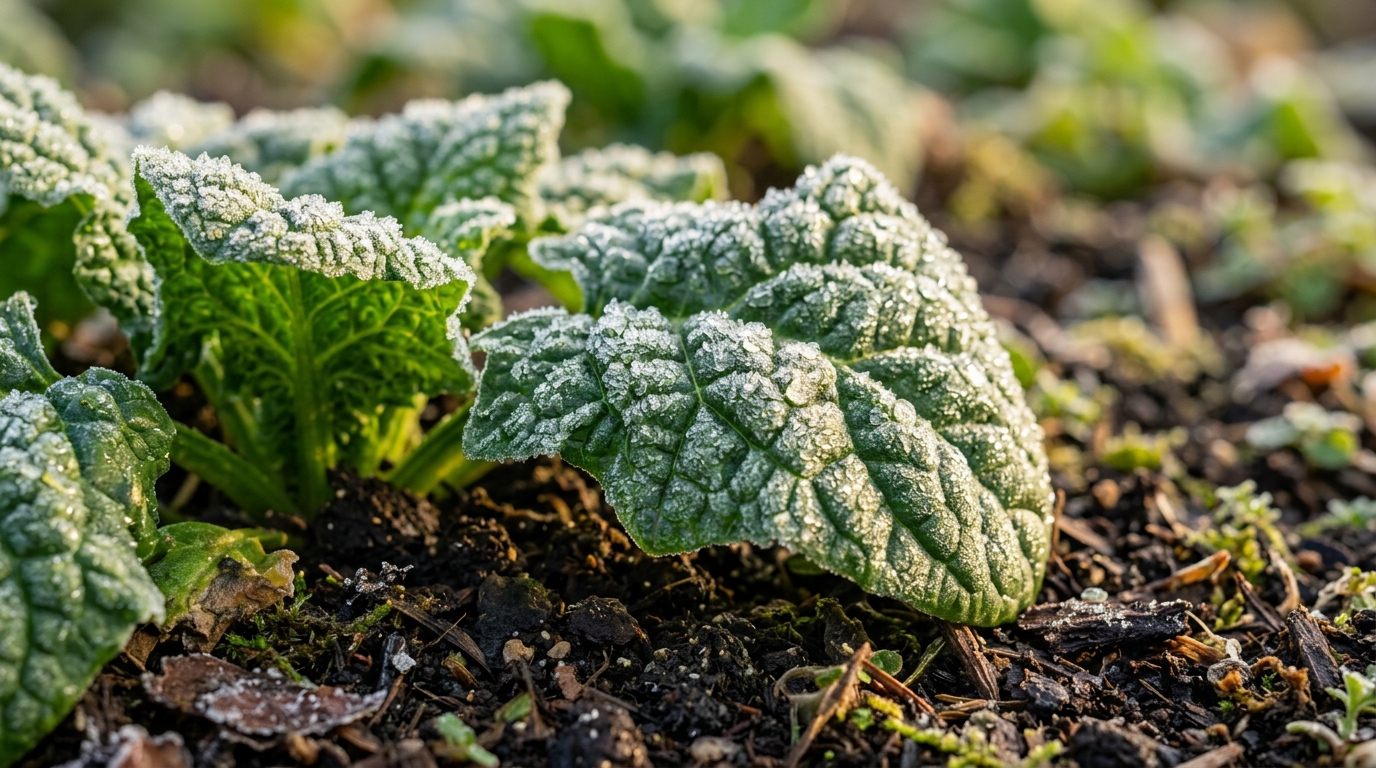
Spinach (Spinacia oleracea) is exceptionally cold-hardy, with mature rosettes surviving unprotected down to 15°F (-9°C) and enduring sub-zero winter temperatures under a simple low tunnel or thick floating row cover. By scheduling your sowings 6 to 8 weeks before your region’s first expected autumn hard freeze, you allow young plants to develop strong root anchors and establish 4 to 5 true leaves before day length dips below the critical 10-hour threshold.
Why Winter Spinach Tastes Substantially Sweeter
- Natural Glucose Accumulation: Freezing temperatures convert leaf starches into soluble sugars, transforming bitter greens into sweet culinary delicacies.
- Zero Pest Pressure: Destructive warm-weather pests like flea beetles, aphids, and leaf miners vanish completely with the onset of frost.
- Zero Bolting Risk: Decreasing autumn daylight keeps plants in a tight, productive rosette form without triggering premature flowering.
- Continuous Cut-and-Come-Again Harvests: Harvesting outer mature leaves allows the central crown to continuously generate new growth through early spring.
Essential Seeds, Cold Frames & Soil Preparation

- True Winter-Hardy Cultivars: Choose heavily savoyed (crinkled) heirlooms like Bloomsdale Long Standing or cold-adapted European giants like Giant Winter and Monstrueux de Viroflay.
- Organic High-Nitrogen Blood Meal: Spinach is a heavy nitrogen consumer; amending beds with blood meal or aged compost provides fuel for lush foliar growth.
- Rich Leaf Mold Compost: Top-dressing with 1 inch of homemade Organic DIY Leaf Mold keeps soil loose, aerated, and moisture-retentive.
- Agribon Floating Row Cover or Cold Frame: A lightweight frost cloth (0.9 to 1.5 oz) protects delicate outer leaf margins against ice desiccation and wind chill.
Step-by-Step Autumn Direct-Sowing Protocol
1. Step 1: Prime Seeds with an Overnight Water Soak: Spinach seeds have tough, water-impermeable seed coats. Soak seeds in room-temperature water for 12 to 24 hours to double germination speed.
2. Step 2: Create Shallow 1/2-Inch Furrows: Draw straight furrows 1/2 inch deep spaced 8 to 10 inches apart across prepared, compost-rich raised beds.

3. Step 3: Sow & Firm the Seedbed: Drop soaked seeds along the furrow, cover lightly with 1/2 inch of fine compost, and tamp down gently with the back of a rake.
4. Step 4: Keep Soil Consistently Cool & Moist: Mist beds daily until seedlings emerge in 7 to 10 days. Avoid letting the top layer bake dry.
5. Step 5: Thin to 4-to-6-Inch Spacing: Once seedlings have 2 true leaves, thin to 4 to 6 inches apart. Enjoy the tender thinned baby greens in fresh autumn salads.
3 Master Gardener Secrets for Sub-Zero Survival
1. Never Overwater Frozen Soil: Frozen roots cannot absorb water. Irrigate only on sunny mornings when soil is completely thawed, and keep beds slightly dry during hard freezes to prevent crown rot.
2. Install the “Double Blanket” Protection in Zone 5/6: Combine an unheated low tunnel frame with an internal layer of heavyweight row cover for an extra 8°F–10°F of microclimate warmth.
3. Harvest Only in the Afternoon: Never pick frozen spinach in the early morning; handling frozen leaves ruptures rigid cell walls, causing instant wilting. Wait until afternoon warmth naturally thaws the foliage.
Top Cold-Hardy Spinach Cultivars to Grow

- Bloomsdale Long Standing: The classic heirloom with deeply savoyed emerald leaves that stand up exceptionally well against heavy snow loads.
- Giant Winter: A legendary European winter variety with sprawling, thick leaves bred specifically for sub-freezing survival and early spring regrowth.
- Space (F1 Hybrid): Smooth-leaf modern cultivar that washes easily and exhibits outstanding resistance to winter downy mildew races.
- Tyee (Savoy Hybrid): Renowned for extreme cold tolerance and vigorous winter root systems, paired perfectly with our Fall Garlic Companion Plantings.
Winter Harvesting, Storage & Spring Regrowth
- The Outer Leaf Harvest Technique: Snip individual outer leaves 1 inch above the soil with sharp kitchen shears, leaving the central growing heart intact to fuel new leaf production.
- Ice Water Shock Storage: Submerge freshly picked leaves in an ice-water bath for 5 minutes, spin thoroughly in a salad spinner, and store in airtight containers with paper towels for 2+ weeks of freshness.
- Explosive Early Spring Regrowth: As days lengthen in February, dormant spinach roots erupt into a massive flush of tender spring leaves weeks before any other crop can be seeded.
Frequently Asked Questions
Can spinach survive being buried under snow?
Yes! Snow actually acts as an effective thermal insulator, keeping the soil and plant crowns at a stable 32°F (0°C) even when ambient air temperatures plummet below zero.
Why do my autumn spinach seeds germinate poorly in late summer?
Spinach seeds suffer from thermo-dormancy if soil temperatures exceed 75°F (24°C). Sow in late summer evenings and shade the seedbed with burlap until germination.
When will winter spinach stop producing?
Winter spinach produces steadily through early spring, eventually going to seed (bolting) in late April or May when temperatures rise above 75°F.
Love This Guide? Pin It!
Save this step-by-step winter spinach guide to your Pinterest vegetable gardening board so you have the frost-harvest secrets ready for autumn!

Pin This Gardening Guide for Later
Save this winter spinach masterclass to your Vegetable Gardening or Winter Harvest Hacks Pinterest board to enjoy fresh sweet greens all winter long!