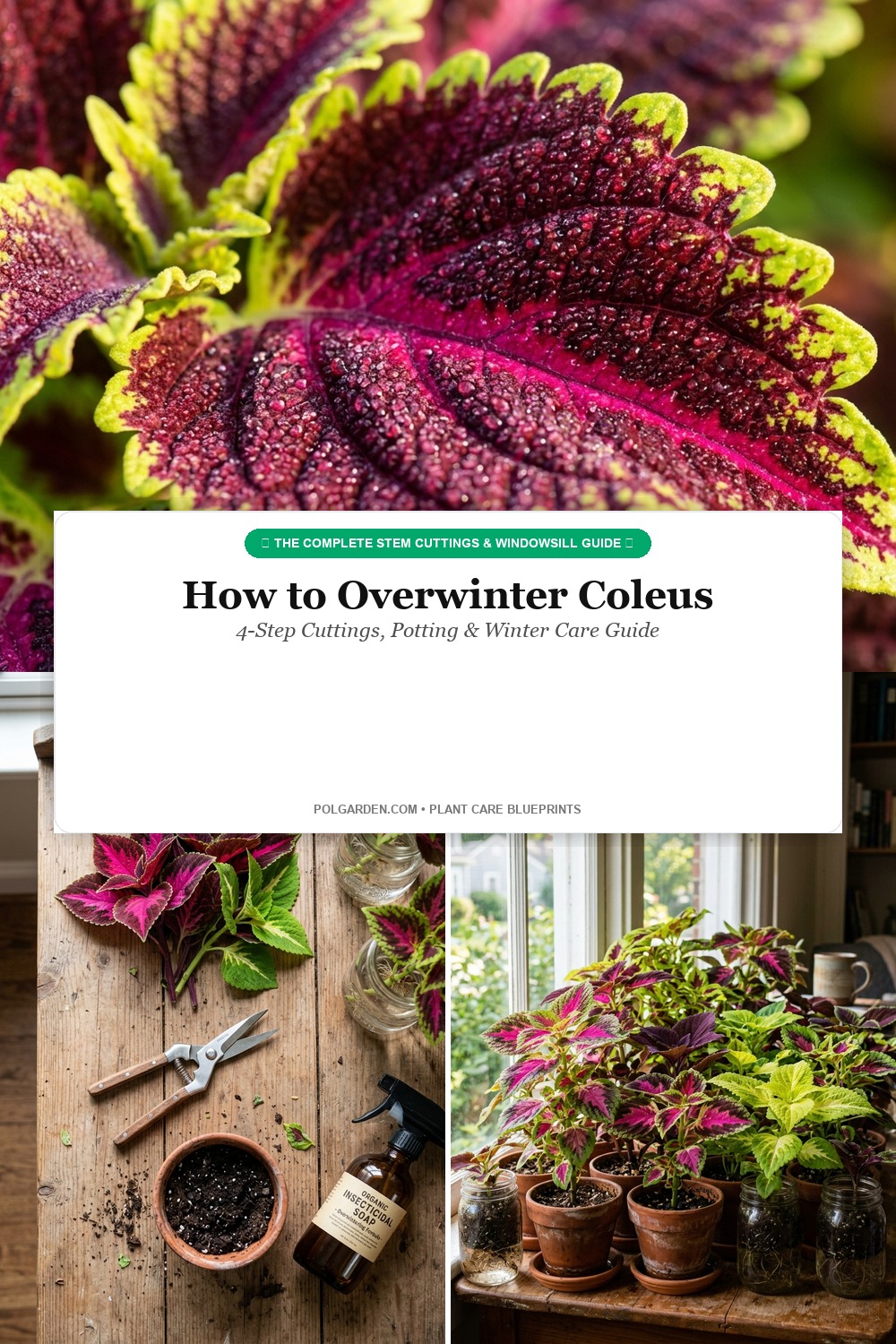
With their kaleidoscopic tapestries of velvety burgundy, electric chartreuse, blazing crimson, and neon pink foliage, coleus plants are the undeniable crowning jewels of summer shade borders, container planters, and hanging baskets. Yet every autumn, millions of gardeners treat these breathtaking tropical beauties as disposable annuals, leaving them to turn into blackened, mushy ruins the very first night temperatures touch freezing. The secret seasoned botanists know is that coleus (Plectranthus scutellarioides) is actually a tender, fast-growing tropical perennial that can easily live for years indoors, providing continuous cheerful color all winter while yielding hundreds of free daughter plants for your spring garden.
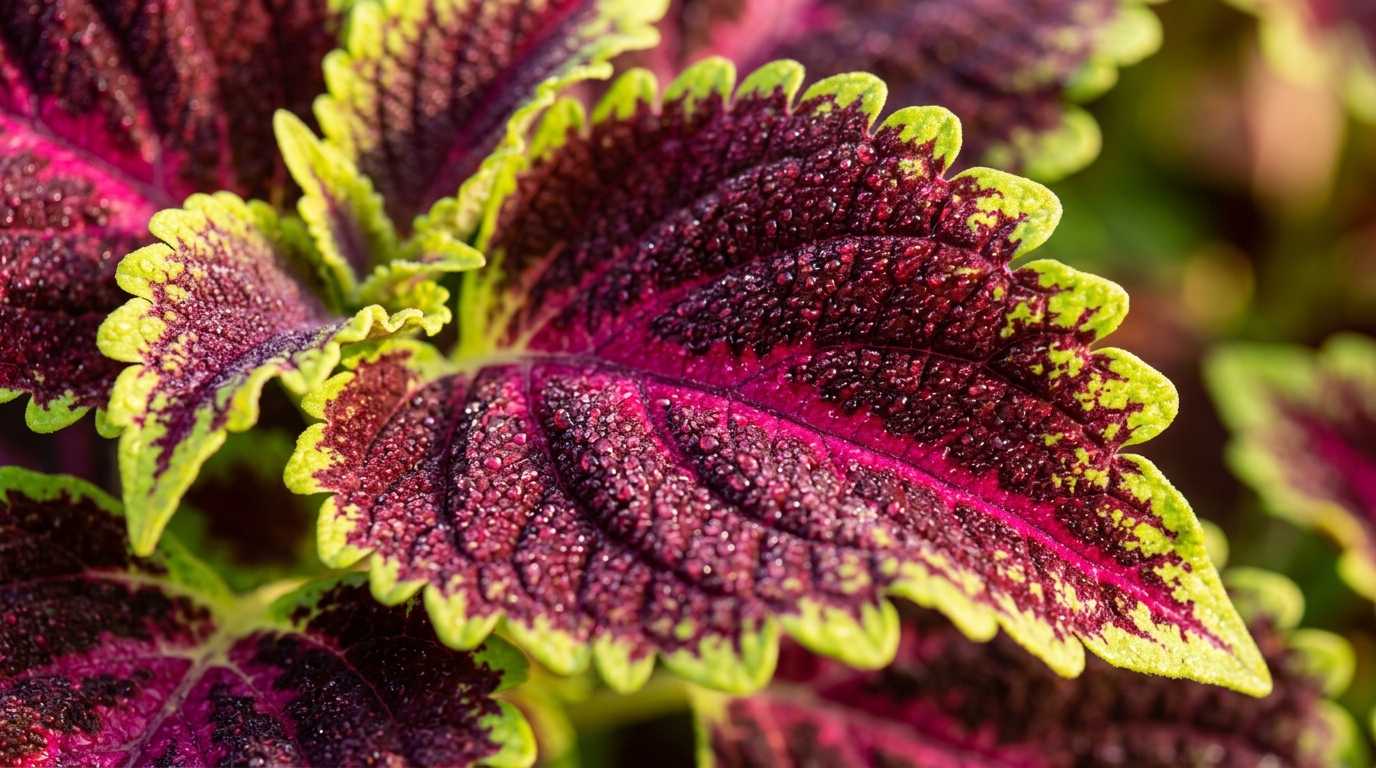
Native to the equatorial rainforests and humid riverbanks of Southeast Asia and Malaysia, coleus possesses zero biochemical resistance to freezing temperatures. Once ambient outdoor temperatures drop below 45°F (7°C), their soft, herbaceous cellular structures begin to collapse, resulting in irreversible leaf wilt and root shock. However, coleus plants have an extraordinary evolutionary superpower: their nodal meristem tissue is packed with natural plant auxins, allowing leafy stem cuttings to strike vigorous white root systems in ordinary tap water in as little as 5 to 7 days. Whether you preserve your prize cultivars by rooting simple windowsill cuttings, digging and potting whole mother plants, or growing compact indoor stock under LED lights, overwintering coleus is one of the easiest and most deeply satisfying autumn gardening projects you can undertake.
Why You’ll Love Overwintering Coleus
- 100% Free Plants for Next Spring: A single healthy outdoor coleus plant can provide 15 to 20 cuttings in October, saving you dozens of dollars at garden centers next spring.
- Effortless Water Propagation: Coleus cuttings root faster and more reliably than almost any other garden plant, requiring zero specialized rooting hormones or misting domes.
- Vibrant Indoor Winter Color: While outdoor gardens sleep under gray skies, your indoor windowsills remain bursting with rich tropical color, purples, and radiant neon greens.
- Compact Space Efficiency: Glass propagation jars take up virtually zero space, allowing apartment and small-space gardeners to overwinter dozens of distinct varieties easily.
Key Supplies & Pre-Winter Prep Station

Assemble these basic propagation supplies in early-to-mid autumn well before your region’s first frost forecast:
- Razor-Sharp Pruning Snips or Floral Shears: Clean blades prevent crushing delicate vascular bundles in soft coleus stems. Sterilize with rubbing alcohol between plants.
- Clean Glass Jars or Vases: Small clear or amber glass mason jars filled with room-temperature tap water or filtered water for rooting cuttings on windowsills.
- Lightweight, Well-Draining Potting Soil: A peat-perlite or coco-coir based seed starting mix for potting rooted cuttings or digging up outdoor mother plants.
- Small Terracotta or Plastic Nursery Pots (4-Inch to 6-Inch): Proper bottom drainage holes are mandatory to prevent soggy winter root rot.
- Organic Insecticidal Soap & Neem Spray: A gentle wash to eliminate outdoor hitchhikers like aphids, spider mites, and whiteflies before bringing foliage indoors. Similar pest prevention is essential when overwintering Boston ferns indoors.
Step-by-Step Walkthrough to Overwinter Coleus
1. Step One: Method A – Taking Fast Water Cuttings (The Gold Standard): This is by far the easiest and most space-efficient method. In early autumn while mother plants are still robust and healthy, use sharp snips to cut 4- to 6-inch non-flowering shoot tips from your favorite cultivars. Make the cut cleanly right below a leaf node (the swollen joint where leaves attach). Strip away the bottom two or three sets of leaves, leaving only 2 to 4 small leaves at the tip. Submerge the bare lower stem in a jar of clean water, ensuring no leaves touch the water line. Place on a bright windowsill out of harsh midday sun; thick white roots will develop within 7 to 10 days.
2. Step Two: Method B – Digging Up Whole Potted Mother Plants: If you have an exceptionally large, prized specimen in an outdoor garden bed, you can bring the entire plant inside. Two weeks before the first frost, cut the entire canopy back by half to reduce transplant shock and foliage transpiration. Use a trowel to dig an 8-inch root ball around the plant’s base, gently shake away excess garden soil, and pot into a 6- to 8-inch container filled with fresh, sterile indoor potting mix. Water thoroughly until it drains freely from the bottom.

3. Step Three: Quarantine Bath & Indoor Placement: Before placing any potted mother plants or cuttings among existing houseplants, spray the foliage thoroughly with an organic insecticidal soap wash. Position your coleus in the brightest window available, ideally facing east, south, or west. Coleus foliage thrives on abundant light; in dim corners, vibrant neon leaves quickly fade to dull green and stems become weak and leggy. If natural winter light is sparse, provide 10 to 12 hours of supplemental full-spectrum LED grow light illumination.
4. Step Four: Strict Winter Watering & Regular Pinching: Indoor potted coleus drink considerably slower in winter. Allow the top inch of potting soil to dry slightly before watering with room-temperature water. Never allow the pot to sit in standing saucer runoff. Crucial Pro Secret: Whenever you see coleus stems elongating, pinch off the top 1/2 inch of growth with your fingernails just above a leaf pair. This simple pinching forces dormant side buds to branch out, transforming tall, spindly winter stems into dense, compact, bushy globes. For companion tender perennial care, compare this with our guide to overwintering geraniums indoors.
3 Botanist Secrets for Non-Stop Winter Coleus Brilliance
1. Snip Off All Flower Spikes Immediately: As daylight hours shorten in autumn, coleus plants naturally attempt to produce tall flower spires covered in tiny blue or pale purple blossoms. Flowering triggers the plant’s senescence phase—energy is drained from foliage to produce seeds, causing lower leaves to yellow and drop. Snip off any flower buds the moment they emerge to force the plant to maintain vibrant foliar growth.
2. Pot Up Water Cuttings into Soil in Mid-Winter: While coleus cuttings can survive in plain water on a windowsill for several months, water-grown roots are fragile and lack nutrient absorption capacity. Once roots reach 2 inches in length (roughly 3 to 4 weeks after cutting), gently pot them into small 3-inch containers of moist potting soil. This builds a robust, fibrous root system that explodes with vigorous growth come spring.
3. Avoid Direct Hot Furnace Drafts and Cold Glass: Coleus leaves are thin and delicate. Position containers at least 4 feet away from forced-air heating registers, which scorch leaf margins, and ensure leaves do not press directly against icy window glass during freezing winter nights. For tropical humidity tactics, review our guide to indoor calathea winter humidity care.
Spring Multiplication & Porch Reintroduction

By late February or early March, longer days will trigger a massive surge of new growth on your overwintered plants:
- The Spring Cuttings Factory: Take a second wave of stem cuttings from your overwintered mother plants in March. These spring cuttings will root in days and develop into full-sized bedding plants by May.
- Gradual Hardening Off: Do not rush coleus outside at the first hint of warm spring air. Wait until nighttime temperatures reliably stay above 50°F (10°C). Acclimatize plants over 7 to 10 days by placing them in sheltered outdoor shade for a few hours daily before planting in summer beds.
- Pest Prevention: If indoor soil gnats appear during spring potting, apply our natural remedies for eliminating houseplant fungus gnats. For container landscape arrangements, pair your vibrant coleus with overwintered hydrangeas and potted rosemary herbs.
Troubleshooting Common Winter Coleus Problems
- Tall, Leggy Stems with Tiny Pale Leaves: Inadequate light. Move the plant to your sunniest window or place under an inexpensive LED grow light, and pinch back leggy stem tips.
- Dropping Lower Leaves and Mushy Stems: Overwatering and soggy soil, especially in cool rooms. Allow the top inch of soil to dry before watering, and ensure drainage holes never stay blocked.
- Sticky Honeydew Residue on Leaves: Infestation of aphids or mealybugs common in heated indoor air. Spray foliage with insecticidal soap or wipe stems with an alcohol-dipped cotton swab.
Frequently Asked Questions
Can coleus survive a frost outdoors?
No. Coleus plants are native to the tropics and suffer fatal cellular freeze damage when temperatures dip below 32°F (0°C). Bring cuttings or pots inside when night temperatures consistently fall below 45°F to 50°F (7°C to 10°C).
Can coleus live in water all winter?
Yes, coleus cuttings can survive in plain water on a sunny windowsill for several months if you change the water every 1 to 2 weeks. However, potting them into soil by mid-winter produces stronger roots and much bushier spring plants.
How long do coleus cuttings take to root?
Coleus is among the fastest-rooting plants in the world. Stem cuttings placed in clean water typically show active white root buds in 5 to 7 days and form a full root system in 2 to 3 weeks.
How do I keep overwintered coleus bushy instead of leggy?
Give the plant plenty of direct morning sunlight or grow light illumination, and pinch off the growing tips every few weeks. Pinching stimulates dormant side nodes to branch out into dense, lush globes.
Save This Winter Garden Guide for Later
Love this guide? Save this pin to your Pinterest gardening, indoor plants, plant propagation, or winter plant care board so you have the 4-step coleus cuttings schedule ready whenever cold weather threatens!