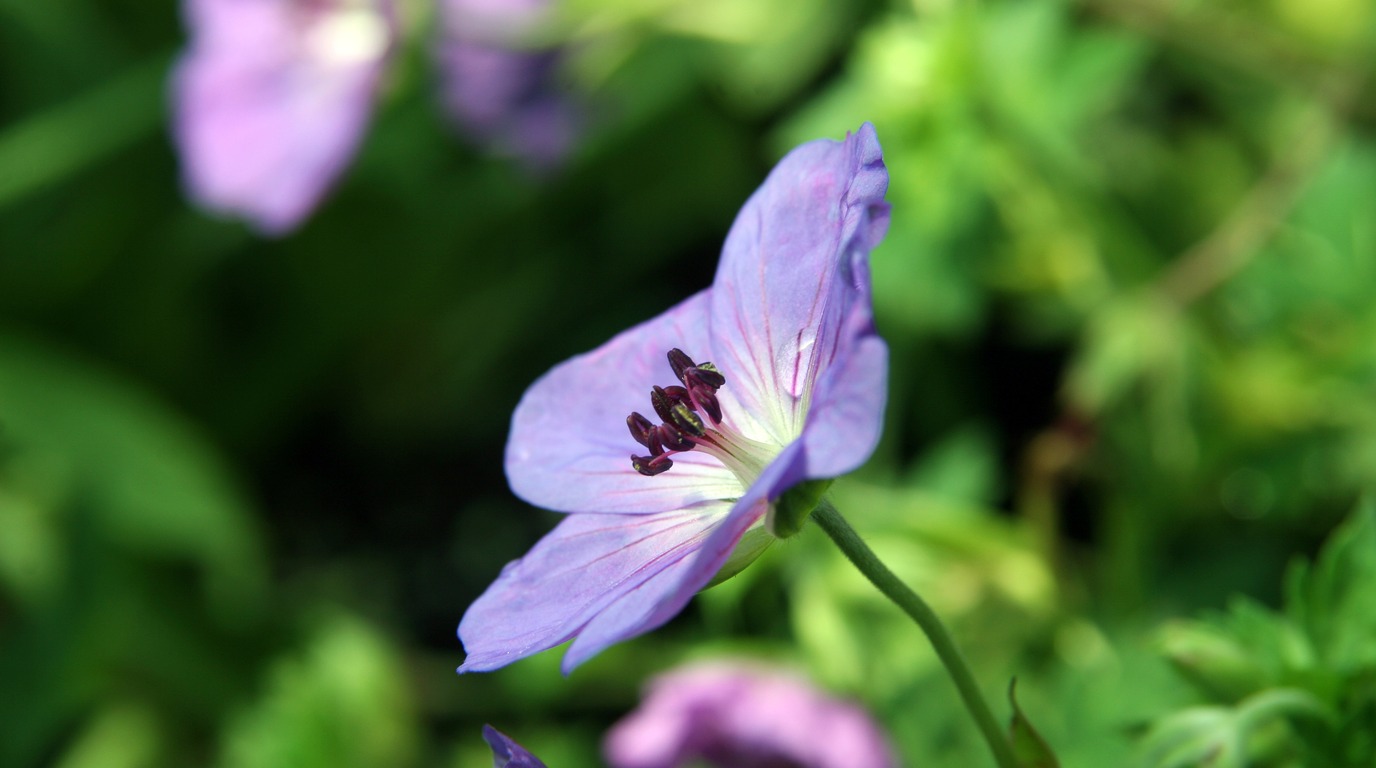
Celebrated by perennial enthusiasts as the ultimate resilient groundcover, hardy geraniums (true cranesbill, Geranium spp.) deliver an unstoppable carpet of saucer-shaped blooms and aromatic, divided foliage from late spring until the doorstep of winter. Yet, as autumn winds transition into penetrating frosts, many gardeners conflate these rugged outdoor perennials with tender annual pelargoniums—either making the disastrous mistake of digging them up for indoor storage or abandoning them beneath waterlogged, suffocating heaps of fallen leaves. While true cranesbill species (including Geranium sanguineum, G. macrorrhizum, and the beloved hybrid ‘Rozanne’) are cold-hardy powerhouses enduring down to USDA Zone 3 (-40°F), their dense sprawling crowns face one lethal cold-season nemesis: winter moisture accumulation and fungal crown rot. Mastering how to winterize hardy geraniums through targeted post-frost cutbacks, deep autumn hydration, and high-drainage breathable mulching is the definitive safeguard to guarantee a dense, weed-suppressing floral explosion next spring.
Understanding the critical botanical distinction between outdoor hardy geraniums and tender pelargoniums is essential for success. While tender zonal and ivy geraniums must be brought indoors to prevent freezing—as detailed in our guide on how to overwinter geraniums indoors—true hardy cranesbill perennials remain planted permanently in garden beds year-round. In fact, hardy geraniums biologically demand natural cold stratification (vernalization) to reset their growth cycle and stimulate profuse flower bud production. Just like preparing columbine crowns or deep-taproot lupines, your autumn goal is simple: eliminate fungal leaf spot spores, prevent frost heaving around shallow rhizomes, and ensure excess winter slush drains away freely from the central crown.
Why You’ll Love This Hardy Geranium Winterization Blueprint
- Rot Prevention Guarantee: Clears out decaying, slimy summer foliage to ensure excellent winter aeration around the central root crown.
- Frost Heave Protection: Insulates shallow root crowns and horizontal rhizomes against the disruptive freeze-thaw cycles of late winter.
- Pest & Blight Eradication: Eliminates rust and powdery mildew spores before they can hibernate in wet autumn leaf litter.
- Zero Indoor Clutter: Unlike tender container plants, hardy cranesbill thrives outdoors all winter without taking up sunny indoor windowsill space.
Key Tools & Autumn Supplies

- Bypass Hand Pruners: Scissor-action blades deliver clean, surgical cuts through fibrous geranium stems without crushing crown tissue. Always sanitize blades with 70% isopropyl alcohol between clumps.
- Pine Straw or Coarse Wood Bark: Light, airy organic mulch that protects roots while allowing moisture vapor to escape freely away from the crown.
- Evergreen Boughs: Spruce or pine boughs laid over crowns in harsh northern zones (USDA 3-5) to trap insulating snow blankets without compaction.
- Garden Rake & Yard Bags: For clearing fallen deciduous tree leaves out of the geranium carpet to prevent damp mold accumulation.
The 4-Step Hardy Geranium Fall Winterization Walkthrough
Step 1: Wait for Hard Frost, Then Prune Back Spent Foliage
Allow your hardy geraniums to experience the first 1 to 2 hard autumn frosts. These sub-freezing temperatures trigger the plant to withdraw sugars and nutrients from sprawling stems down into the crown and root system. Once the foliage turns golden, bronze, or collapses, use clean bypass pruners to shear back the stems down to 2 to 3 inches above the soil line. Important exception: Semi-evergreen varieties (such as Geranium macrorrhizum and G. biokovo) retain a compact rosette of green basal leaves throughout winter. For semi-evergreen types, prune away only dead, tattered outer stems while leaving the basal rosette intact!

Step 2: Clear Away Debris & Sanitization
Thorough garden sanitation is critical. Wet autumn debris trapped in the dense crowns of cranesbill creates the perfect breeding ground for botrytis blight, powdery mildew, and fungal crown rot. Rake away all clipped stems and fallen autumn tree leaves from the base of the plant. Bag and dispose of any diseased or blackened plant material in your municipal yard waste—never compost infected foliage.
Step 3: Deep Root Hydration Before Ground Freezes
Winter wind and dry freezing air strip moisture from dormant perennial root systems. Several days before your region’s first deep, sustained ground freeze, give your hardy geraniums a thorough, deep soaking. Saturating the soil down to 6 inches ensures root cells are fully plumped and hydrated. Moist soil also retains subterranean geothermal warmth significantly longer than desiccated dirt, providing a vital thermal buffer.
Step 4: Apply the Breathable “Donut” Mulch Buffer
Because hardy geraniums produce shallow spreading rhizomes, soil heave caused by winter freeze-thaw cycles can expose sensitive roots. Apply a 2- to 3-inch layer of pine straw, coarse shredded bark, or chopped arborist mulch across the root zone out to the drip line. Crucial rule: Never mound mulch directly atop the center of the crown! Keep mulch pulled back 1 to 2 inches away from the crown center to maintain ventilation and prevent fungal suffocation.
3 Expert Secrets for Flawless Hardy Geranium Wintering
1. Never Confuse True Hardy Geraniums with Tender Pelargoniums: True hardy geraniums (cranesbill) are fully cold-hardy perennials that need outdoor winter cold. Tender zonal geraniums (*Pelargonium*) are subtropical plants that turn to mush at 32°F (0°C). Never dig up your hardy garden cranesbill to store bare-root in basements—they belong right in the garden soil!
2. Distinguish Deciduous from Semi-Evergreen Varieties: Herbaceous species like Geranium pratense and hybrid ‘Rozanne’ die back completely to the ground and love a hard autumn shear. Meanwhile, rock cranesbill (Geranium macrorrhizum) forms an evergreen mat of fragrant foliage that protects its own crown; only trim dead flower stalks and tatty leaves on these types.
3. Ensure Winter Drainage: If your perennial bed suffers from heavy, clay-rich waterlogging during winter thaws, hardy geranium crowns can rot beneath ice sheets. Elevate crowns by planting on slight mounds or amending perimeter soil with coarse grit and compost to promote drainage.
Autumn Garden Bed Pairings & Companion Care

- Cottage Border Companions: Group hardy geraniums alongside autumn-winterized salvia and tall summer phlox for a seamless border that shares identical clean cutback protocols.
- Underplanting Tall Perennials: Position cranesbill beneath towering clumps of winterized delphiniums or lupine taproots, where their sprawling summer foliage suppressed weeds before entering dormancy.
- Woodland Border Shading: Pair semi-evergreen cranesbill with coral bells (Heuchera) and spring-flowering columbine for rich year-round texture in partial shade.
Spring Re-Emergence: Waking Up Your Cranesbill
- Late-Winter Mulch Removal: In early spring when daytime temperatures reliably reach 45°F to 50°F (7°C to 10°C), gently rake back excess mulch from around the crowns to allow spring sunlight to warm the soil.
- Division & Expansion: Early spring—just as fresh green leaf points break dormancy—is the premier window to divide mature hardy geranium clumps using a sharp garden spade.
- Spring Feeding: Top-dress around the perimeter of the clump with a 1-inch layer of rich organic compost. Hardy geraniums thrive in moderate fertility; avoid high-nitrogen synthetic fertilizers which induce excessive foliage at the expense of floral blooms.
Hardy Geranium Winterization At-A-Glance
| Cranesbill Variety | Winter Foliage Behavior | Recommended Fall Protocol | Hardiness Zone |
|---|---|---|---|
| Geranium ‘Rozanne’ | Deciduous (Dies back fully) | Cut back to 2-3 inches after frost | USDA Zones 4–9 |
| Geranium sanguineum | Deciduous (Brilliant red fall foliage) | Shear back after foliage collapses | USDA Zones 3–8 |
| Geranium macrorrhizum | Semi-Evergreen (Retains basal mat) | Tidy outer stems; leave basal leaves | USDA Zones 3–8 |
| Geranium pratense | Deciduous (Meadow cranesbill) | Cut down to ground level after frost | USDA Zones 4–8 |
| Tender Pelargonium | Tender Perennial (Annual) | Bring indoors before freezing temperatures | USDA Zones 10–11 only |
Frequently Asked Questions
Do hardy geraniums come back every year after freezing winters?
Yes! True hardy geraniums (cranesbill) are long-lived perennials that reliably return each spring even after harsh sub-zero winters down to USDA Zone 3 or 4 (-30°F to -40°F). They go dormant under snow and re-emerge vigorously once ground temperatures warm.
Should hardy geraniums be cut back in the fall or spring?
Deciduous varieties (like ‘Rozanne’ and Bloody Cranesbill) benefit greatly from a late-autumn cutback after the first hard freeze has killed the top foliage. Pruning removes old leaf litter that harbors fungal spores and pests. Semi-evergreen varieties, however, should only have dead stems cleaned away, leaving their protective basal rosette intact through winter.
Can hardy geraniums survive in containers over the winter?
Hardy geraniums planted in garden soil survive down to Zone 3, but container-grown plants lose approximately two zones of cold tolerance because freezing air surrounds the pot walls. If growing hardy geraniums in containers in Zone 6 or colder, move pots against a sheltered foundation wall or into an unheated garage, and water sparingly once a month.
Pin This Hardy Geranium Winterizing Guide for Later
Planning your autumn perennial border maintenance? Save this pin to your Pinterest gardening board so you have these step-by-step cranesbill pruning, hydration, and crown protection tips ready whenever cold weather arrives!