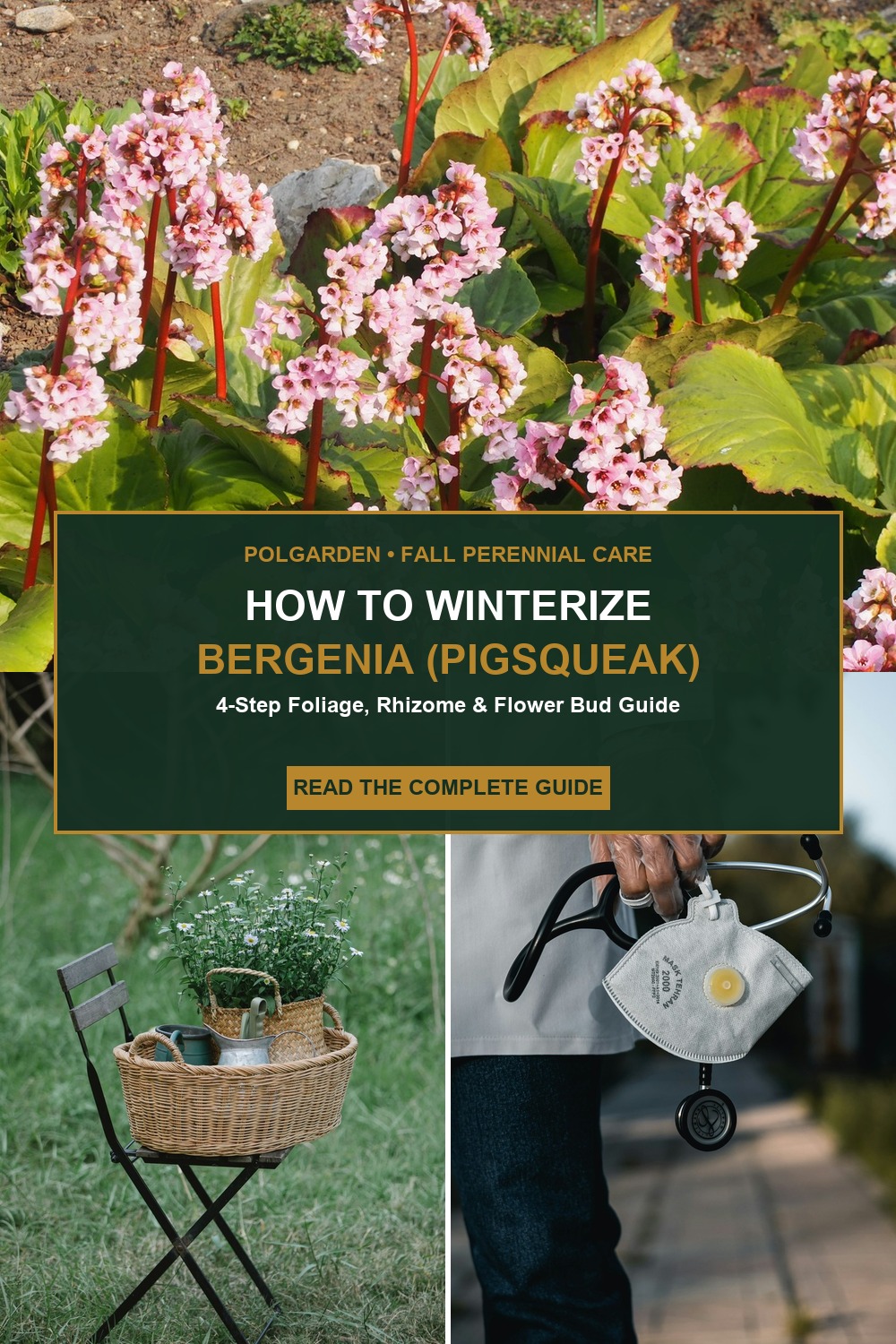
Famous for the cheerful rubbery squeak emitted when its thick, leathery leaves are rubbed between thumb and forefinger, Bergenia (affectionately celebrated as Pigsqueak, Heartleaf Bergenia, or Elephant’s Ears, Bergenia cordifolia and B. crassifolia) is one of the most indispensable evergreen perennials in the temperate shade and woodland garden. Producing robust clusters of bell-shaped carmine, rose-pink, and crystalline white blossoms on stout, ruby-red stems in early spring, Bergenia holds legendary cold hardiness down to USDA Zone 3 (-40°F / -40°C). As autumn transitions toward sub-zero freezes, its massive, cabbage-like paddles take on a breathtaking seasonal metamorphosis, transforming from deep emerald green into radiant shades of burnished bronze, mahogany, and fiery beetroot-plum. Yet, beneath this legendary Siberian cold resilience, Bergenia harbors a delicate trio of seasonal vulnerabilities that ruin many spring displays: smothering wet winter tree litter, foliar fungal leaf spot, and winter windburn on premature early-spring flower buds. Furthermore, many well-meaning gardeners make the fatal mistake of cutting the entire plant down to the soil line in autumn, robbing it of its winter beauty and leaving thick surface rhizomes exposed to lethal rot. Learning how to winterize Bergenia properly—preserving evergreen paddles, sanitizing damaged outer margins, and banking rhizomes against freeze-thaw heave—is the ultimate formula to ensure spectacular winter foliage and exuberant early spring blooms year after year.
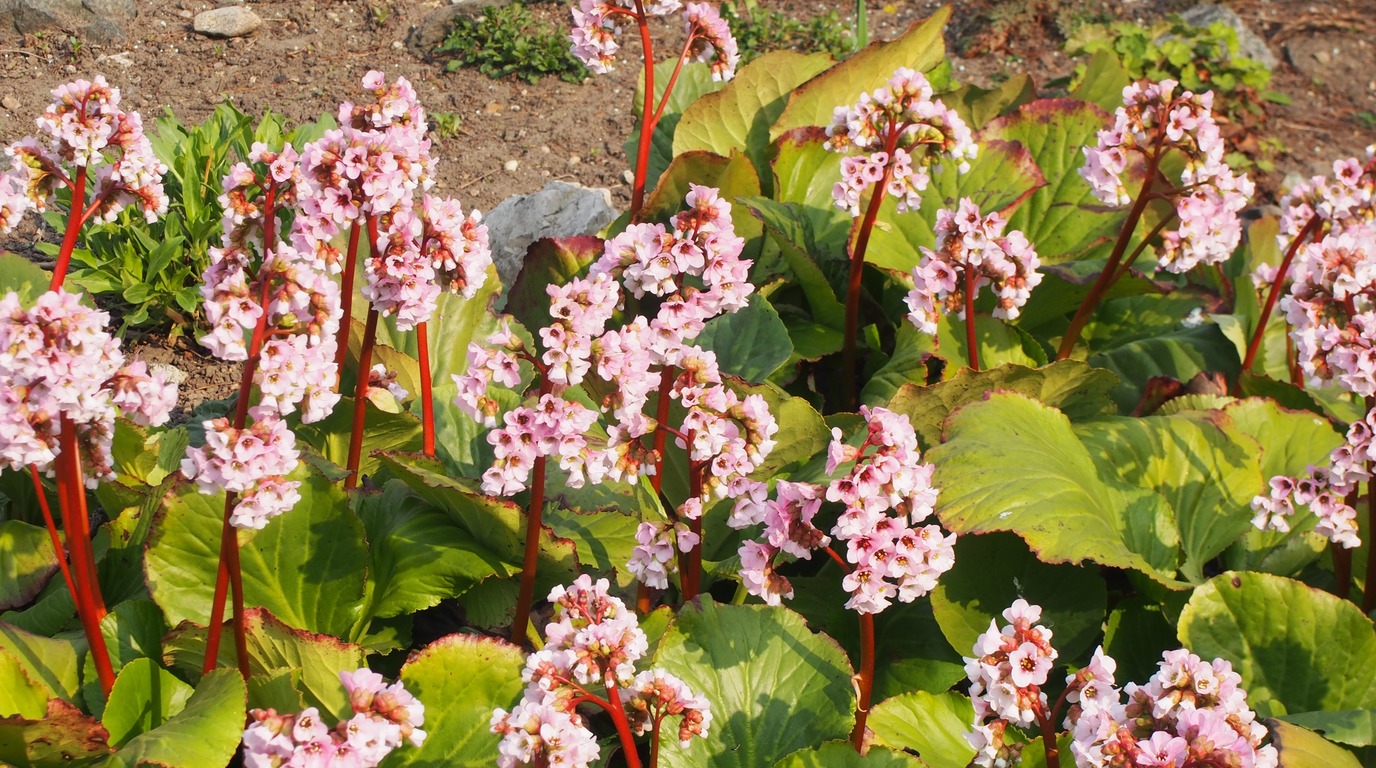
Unlike herbaceous shade companions such as shade hostas and feathery astilbe whose foliage collapses and completely disappears beneath the soil line upon the first frost, Bergenia is a true evergreen/semi-evergreen perennial. Much like winter-hardy Lenten roses (Hellebores) and coral bells (Heuchera), Bergenia relies on its thick, waxy foliage throughout the winter months to synthesize solar energy on sunny, mild winter afternoons. Cutting healthy Bergenia leaves down to bare earth in fall starves the subterranean rhizome of carbohydrates and ruins the winter garden aesthetic. However, leaving wet, decomposing tree leaves piled on top of the clump fosters aggressive leaf spot fungi (Alternaria and Pseudocercospora) and creates a cozy hibernation nest for black vine weevil grubs. By following our systematic 4-step autumn protocol, you will eliminate disease vectors, shield early emerging flower buds from cold snaps, and showcase stunning bronze groundcover across the darkest months of the year.
Why You’ll Love This Bergenia Winterization Blueprint
- Year-Round Ornamental Bronze Foliage: Maintain lush, leathery evergreen leaves that turn rich burgundy-plum to provide breathtaking winter groundcover texture.
- 100% Flower Bud Frost Protection: Shield premature early-spring floral spikes from desiccating Arctic winds and sudden freeze blasting.
- Zero Surface Rhizome Rot: Master the critical mulch clearance technique that keeps thick surface-creeping rhizomes dry and rot-free.
- Black Vine Weevil & Fungal Eradication: Strip away decaying outer margins where destructive overwintering larvae and fungal spores harbor until spring.
Key Tools & Autumn Supplies

- Bypass Hand Shears: Curved scissor blades allow razor-clean surgical removal of tattered outer leaves flush with the creeping rhizome without tearing succulent bark. Sanitize with 70% rubbing alcohol between clumps.
- Clean Pine Straw or Evergreen Spruce Boughs: The ultimate winter insulation for Bergenia. Loose boughs shelter early flower buds and deflect biting winds without trapping soggy moisture against the crown.
- Shredded Bark or Leaf Mold Mulch: Applied strictly around the root perimeter—never piled directly on top of the surface rhizome.
- Diatomaceous Earth or Pet-Safe Slug Bait: Applied around the perimeter in late autumn to deter overwintering snails and slugs that shelter under broad leaves.
The 4-Step Bergenia Fall Winterization Walkthrough
Step 1: Never Mow or Cut Healthy Evergreen Foliage
The cardinal rule of winterizing Pigsqueak is: preserve healthy green and bronze leaves. Gardeners accustomed to mowing or clear-cutting perennial borders in October often ruin their Bergenia. The thick, rubbery leaves produce anthocyanins in response to autumn cold, turning vibrant mahogany-burgundy while continuing photosynthesis. Pruning healthy foliage strips the plant of essential winter energy reserves and leaves the thick woody rhizomes vulnerable to frost-splitting. Leave all crisp, firm leaves 100% intact on the plant.

Step 2: Selective Autumn Sanitation (Snip Diseased & Mushy Outer Leaves)
While you must preserve healthy foliage, thorough sanitation of old, declining outer leaves is critical before winter arrives. Inspect the lowest layer of leaves resting directly against the damp soil. Any leaves showing dark circular fungal spots (Alternaria), yellow water-soaked margins, or physical tattering from summer caterpillars should be pruned cleanly at the base where the leaf petiole joins the rhizome. Bag and discard these damaged leaves in municipal yard waste—never add diseased Bergenia foliage to home compost piles.
Step 3: Clear Away Smothering Autumn Tree Litter
Because Bergenia forms broad, horizontal rosettes, falling autumn leaves from overhead deciduous trees (especially large oak, sycamore, or maple leaves) easily get trapped inside the crown. If left over winter, wet fallen tree leaves form an airless, suffocating blanket that rots the crown heart and destroys emerging spring flower buds. In late November, use your fingers or a small hand rake to gently lift and clear all fallen deciduous leaf litter out from between Bergenia leaves and rhizomes.
Step 4: Protect Surface Rhizomes & Early Flower Buds
Bergenia spreads via thick, semi-woody rhizomes that creep along the soil surface like heavy ropes. In severe freeze-thaw climates (USDA Zones 3 through 6), sudden temperature plunges without snow cover can freeze-scald exposed rhizomes and kill premature flower buds tucked deep inside the crown center. Apply a 2- to 3-inch ring of shredded bark or pine straw around the root zone, tucking mulch gently under the lowest leaves while keeping the top of the creeping rhizome uncovered. In windy, sub-zero regions, drape loose pine or spruce evergreen branches loosely over the clumps. Evergreen boughs act as a breathable windbreak, catching snow to provide natural insulation while permitting 100% air circulation.
3 Expert Secrets for Flawless Bergenia Wintering
1. Watch for Black Vine Weevil Winter Grubs: If your Bergenia leaves display distinctive notched margins along the edges in autumn, black vine weevils (Otiorhynchus sulcatus) are present. The nocturnal adult beetles chew the leaf edges, but their white, C-shaped subterranean grubs chew through the fleshy rhizomes all winter. Apply beneficial parasitic nematodes (Steinernema kraussei) in early autumn while soil temperatures are still above 45°F (7°C) to eradicate grubs before ground freeze.
2. Deep Pre-Freeze Hydration for Winter Evergreen Health: Like all evergreen perennials, Bergenia continues transpiring moisture through its waxy leaf surfaces throughout winter. If the ground freezes solid while the soil is bone-dry, dry winter winds will desiccate the foliage, leaving crisp brown leaf margins. Provide a deep, slow soaking around the root zone 48 hours before the first sustained ground-freezing cold snap.
3. Late Winter Flower Bud Alert: Bergenia is an exceptionally early spring bloomer, frequently sending up heavy flower scapes in late February or March. If an unseasonably warm late winter spell is followed by a sudden hard freeze, throw a piece of frost cloth or inverted nursery pot over the emerging flower stalks overnight to prevent frost-scorched blossoms.
Autumn Garden Bed Pairings & Companion Care

- Woodland Winter Contrast: Pair Bergenia with winterized hellebores (Lenten rose) and coral bells (Heuchera), creating a stunning textural tapestry of evergreen and bronze foliage that brightens shaded winter borders.
- Deciduous Shade Combinations: Position clumps around dormant hostas and bleeding hearts, where Bergenia provides essential year-round groundcover and soil stabilization after companion perennials die back.
- Spring Bulb Interplantings: Tuck early spring-flowering bulbs like snowdrops, winter aconites, and Siberian squill along the edges of Bergenia rhizomes, where delicate blue and white nodding bells complement the vibrant pink Pigsqueak blooms.
Spring Re-Emergence: Waking Up Your Pigsqueak
- Early Spring De-Boughing: In late winter or early spring as daytime temperatures rise consistently above 45°F (7°C), lift away protective evergreen boughs to allow warming sunshine to reach the crown and awaken floral stems.
- Post-Winter Tidy-Up: Winter gales and heavy snow occasionally leave outer leaves tattered or winter-burned. Snip off any winter-damaged leaves flush with the rhizome to let fresh, bright emerald-green spring foliage shine.
- Balanced Spring Organic Feeding: Top-dress around the perimeter with an inch of balanced, organic compost and a light scattering of slow-release organic fertilizer. Avoid excessive high-nitrogen synthetic feeds, which produce massive leaves at the expense of floral stems.
Bergenia Winterization At-A-Glance
| Factor | Recommended Fall Protocol | Common Mistake to Avoid |
|---|---|---|
| Foliage Cutback Rule | Leave healthy evergreen/bronze leaves intact | Mowing or cutting entire plant down to soil line |
| Sanitation Protocol | Prune yellowed, spotted outer leaves at base | Leaving diseased, spore-laden leaves on ground |
| Tree Leaf Debris | Clear trapped deciduous leaves out of crowns | Letting heavy wet leaves rot the crown heart |
| Rhizome Mulching | Ring perimeter with mulch; cover with boughs | Burying thick creeping rhizomes under deep mulch |
| Cold Hardiness | USDA Zones 3–9 (Hardy down to -40°F) | Allowing winter soil to become waterlogged clay |
Frequently Asked Questions
Should Bergenia be cut back in the fall?
No! You should never cut Bergenia completely down in the fall. Bergenia is an evergreen perennial whose large, leathery leaves turn rich bronze and burgundy in autumn, continuing to supply energy to the creeping rhizomes throughout the winter. Only prune away dead, damaged, or fungus-spotted outer leaves resting on the soil.
Why do Bergenia leaves turn bronze or red in the winter?
Bergenia leaves produce anthocyanin pigments in response to cold autumn temperatures and shortening daylight hours. This natural botanical adaptation protects plant cells from winter light stress and freezing cold, producing stunning ornamental shades of bronze, plum, and burgundy that provide vibrant winter interest in the garden.
How do I protect early Bergenia flower buds from frost?
Because Bergenia initiates flower buds very early in late winter or early spring, a sudden hard frost can damage premature blooms. In northern climates (USDA Zones 3–6), lay loose pine or spruce evergreen boughs lightly over the clumps in late autumn. If a surprise freeze threatens emerging flower stems in early spring, cover plants overnight with breathable frost cloth or an inverted cardboard box.
Pin This Bergenia Winterizing Guide for Later
Protect your evergreen Pigsqueak for vibrant winter bronze foliage and breathtaking spring blooms! Pin this step-by-step Bergenia winter care, leaf sanitation, and rhizome protection guide to your Pinterest gardening board for easy seasonal reference!