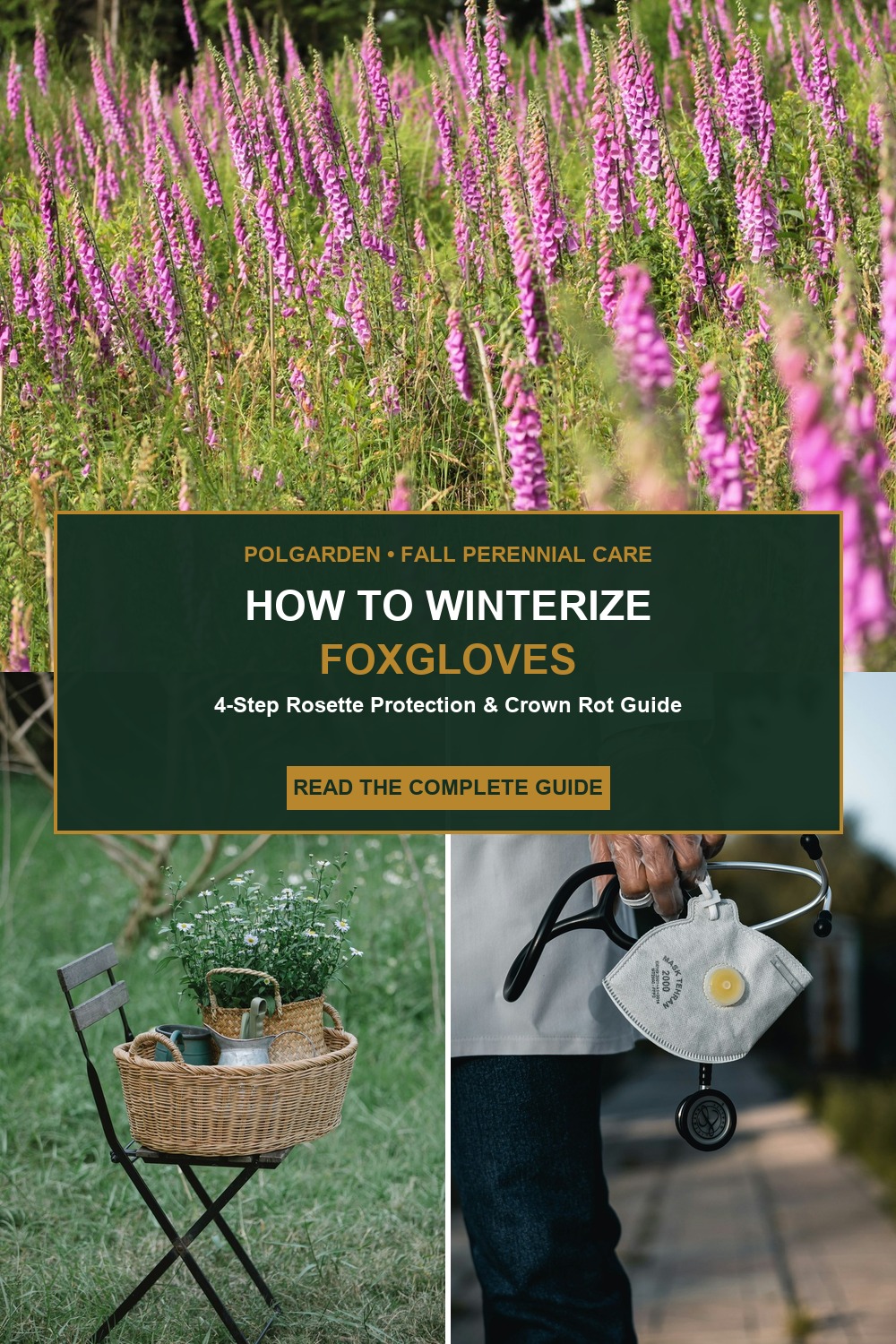
Few garden sights rival the dramatic, fairytale architecture of foxgloves (Digitalis purpurea), sending towering floral spires packed with speckled tubular bells skyward from late spring through midsummer. Whether gracing romantic cottage borders or dappled woodland clearings, these architectural biennials and short-lived perennials are beloved for their stately presence and effortless self-sowing charm. Yet, beneath their legendary hardiness down to USDA Zone 4 (-30°F), foxgloves harbor a fatal botanical paradox once cold weather arrives: their thick, semi-evergreen basal foliage and tender root crowns are acutely vulnerable to winter rot and suffocating mulch. While many gardeners assume covering entire beds with deep piles of autumn leaves protects perennials, burying a foxglove rosette in heavy, wet organic matter acts as a death sentence, trapping stagnant moisture that breeds lethal crown rot pathogens like Rhizoctonia and Phytophthora. Simultaneously, winter soil heave in freeze-thaw climates can snap delicate fibrous anchor roots clean off the crown. Mastering how to winterize foxgloves correctly—balancing spent flower stalk cleanup, selective seed scattering, breathable crown clearance, and strategic evergreen bough insulation—is the ultimate formula to ensure robust rosettes emerge unscathed in spring to launch towering floral spires.
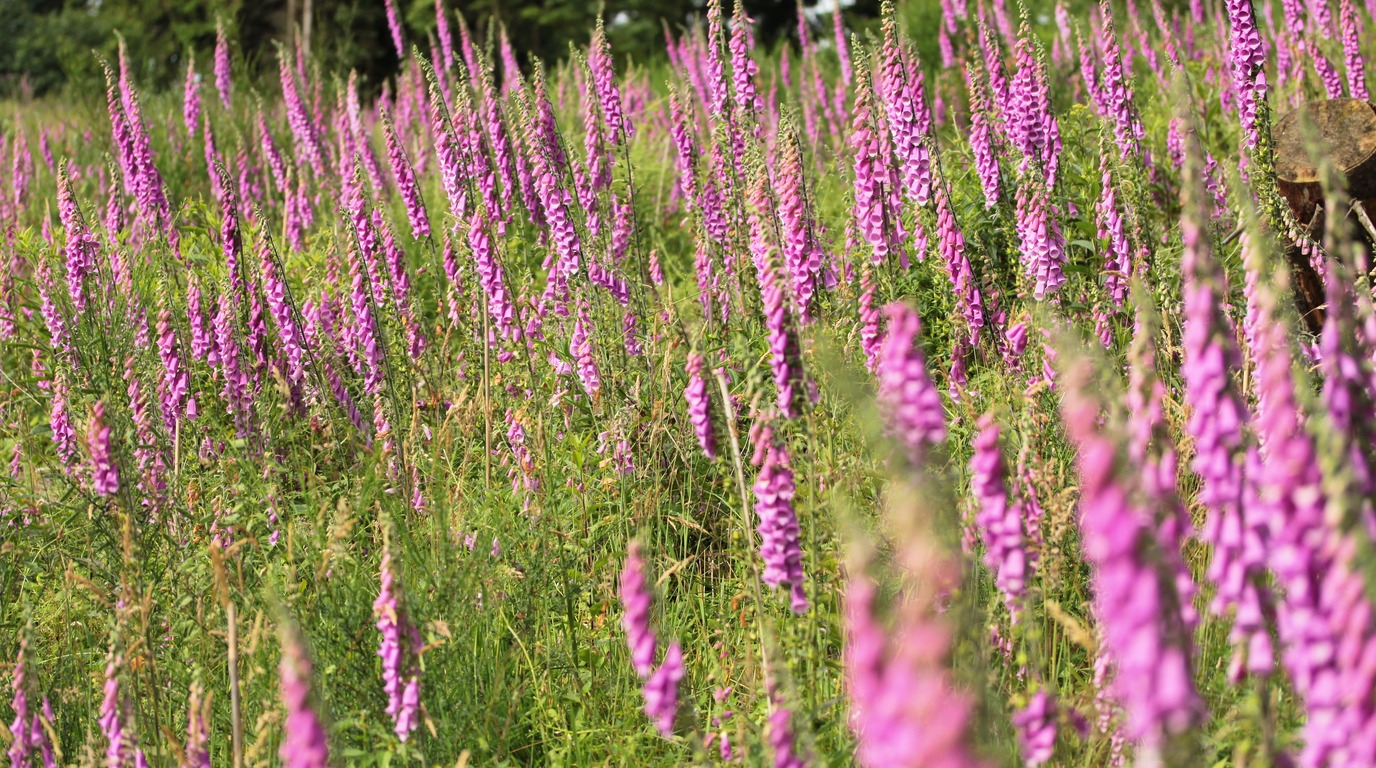
Unlike herbaceous perennials such as shade-loving hostas or spring bleeding hearts whose foliage collapses and completely vanishes beneath the soil in autumn, common foxgloves are biennial or short-lived perennials that maintain an active, green basal rosette throughout the winter months. In their first year, seedlings produce this low-growing, velvety cluster of leaves that acts as a vital solar panel, slowly building carbohydrate reserves in the crown. In their second year, this rosette fuels the spectacular flower stalk before setting hundreds of seeds. Consequently, treating foxgloves like standard cutback perennials like stately delphiniums or woodland columbines—or worse, burying them under 4 inches of soggy maple leaves—will smother the crown and rot the center heart. By implementing our field-tested 4-step autumn protocol, you will protect both first-year overwintering rosettes and second-year self-sown progeny while keeping destructive fungal pathogens entirely out of your garden beds.
Why You’ll Love This Foxglove Winterization Blueprint
- 100% Crown Rot Prevention: Protects the delicate green rosette heart from fatal fungal decay and stagnant moisture accumulation during wet winter thaws.
- Perpetual Self-Sowing Security: Learn the exact moment to harvest or shake dry seed capsules across your flower borders for effortless, perpetual colonies.
- Zero Winter Frost Heave: Insulates shallow root zones without smothering top growth, preventing soil expansion from severing vital root crowns.
- Dormant Slug & Pest Interception: Eliminates decomposing debris around rosettes where overwintering slugs and bacterial blights hibernate until spring.
Key Tools & Autumn Supplies

- Sanitized Bypass Hand Pruners: Scissor-action blades provide clean cuts through tough flower stalks without ripping or jarring shallow root anchors. Always sanitize with 70% isopropyl alcohol between plants.
- Evergreen Spruce or Pine Boughs: The gold standard for foxglove winter insulation. Evergreen boughs shelter rosettes from biting frost and solar scald while permitting full air circulation so moisture never stagnates.
- Pine Straw or Shredded Bark Mulch: Light, acid-balanced organic mulch applied strictly around the root zone perimeter—never directly on the crown center.
- Horticultural Grit or Coarse Sand: A handful spread around the crown collar prevents surface water from pooling around the basal stems during heavy winter rains.
The 4-Step Foxglove Fall Winterization Walkthrough
Step 1: Harvest or Scatter Seeds, Then Cut Spent Flowering Stalks
If your foxgloves flowered this summer, inspect the dried, brown stalks in mid-to-late autumn. Each papery seed capsule contains hundreds of microscopic, dust-like seeds. If you desire self-sown drifts next summer, shake the stalks vigorously over open, rake-loosened soil patches in your beds. Once seeds are dispersed, take sharp bypass pruners and cut the central flower stalk down to just above the green basal rosette (about 1 to 2 inches above the crown). Crucial caution: Do NOT cut the green rosette leaves! Only remove the dry, dead vertical flowering stem. For first-year plants that did not bloom, skip cutting entirely—their lush green rosette must remain completely intact.

Step 2: Clear Blackened Lower Leaves & Clear Debris
Carefully inspect the basal rosette resting against the soil. Yellowed, waterlogged, or blackened outer leaves often develop during cool autumn rains. These dying leaves trap humidity, harbor slug eggs, and cultivate botrytis blight. Gently snip away any decaying outer leaves flush with the crown, leaving only crisp, vibrant green foliage. Clear away all fallen tree leaves and decomposing garden litter from within 4 to 6 inches of the plant’s center. Ensuring clean airflow around the crown heart is your strongest defense against winter rot.
Step 3: Deep Pre-Freeze Hydration & Crown Drainage Collar
Foxgloves possess extensive but relatively shallow fibrous root systems that suffer severely if soil enters winter bone-dry. Desiccating winter gales will leech moisture directly out of green foliage when frozen ground prevents water absorption. Approximately 48 hours before the first sustained ground-freezing cold snap, give your foxglove beds a thorough, deep soaking. If your garden soil leans toward heavy loam or clay, spread a half-inch collar of coarse horticultural grit or crushed gravel directly beneath the lowest rosette leaves. This keeps velvety leaf petioles elevated off wet mud during freeze-thaw periods.
Step 4: Protect with Breathable Evergreen Boughs (The No-Smother Rule)
The cardinal rule of winterizing foxgloves is: NEVER pile heavy compost, wet leaves, or thick wood mulch over the center of the rosette. Instead, spread a 2- to 3-inch layer of shredded bark or pine straw over the root zone around the drip line, keeping a 2-inch gap around the crown. For freezing northern climates (USDA Zones 4–6), place loose evergreen spruce, fir, or pine branches directly over the plant. Evergreen boughs act as a protective natural cage: they shade green leaves from winter sun scald, catch insulating snow, and shield crowns from cold winds while maintaining 100% breathable airflow.
3 Expert Secrets for Flawless Foxglove Wintering
1. Respect the Biennial Growth Cycle: Understand what stage your foxgloves are in before touching them in fall. First-year foxgloves form a flat, velvety leafy mound (rosette) and will not flower until their second summer. Never prune a first-year rosette! Second-year plants that bloomed will decline and often die after flowering; saving their seed guarantees continuous biennial generations year after year.
2. Winter Drainage Trumps Winter Cold: Foxgloves can effortlessly endure temperatures of -25°F in bone-dry, snowy conditions, but they will turn to black mush at 30°F in waterlogged soil. If your perennial bed tends to pool winter snowmelt, dig a shallow diversion furrow or transplant foxgloves into raised planting berms amended with coarse pumice or sharp sand.
3. Early Slug Defenses for Winter Rosettes: Slugs adore sheltering under semi-evergreen foxglove leaves during mild winter spells, chewing out the tender emerging central flower bud before spring arrives. Scatter pet-safe iron phosphate slug bait around the perimeter of the clump in late autumn before laying down your evergreen boughs.
Autumn Garden Bed Pairings & Companion Care

- Cottage Garden Companions: Group foxgloves alongside winterized delphiniums and taproot-protected lupines for a quintessential cottage border whose winter maintenance shares sharp drainage and crown protection protocols.
- Woodland Border Partners: Pair with semi-evergreen coral bells (Heuchera) and late-blooming Japanese anemones, creating vibrant textural contrasts while benefiting from common pine straw mulching techniques.
- Spring Bulb Interplantings: Plant early spring woodland bulbs like snowdrops, daffodils, and bluebells around foxglove rosettes. As the bulbs fade in late spring, expanding foxglove foliage seamlessly masks ripening bulb greenery.
Spring Re-Emergence: Waking Up Your Foxgloves
- Early Spring Unveiling: In late winter or early spring as daytime temperatures rise consistently into the mid-40s°F (7–10°C), lift away the evergreen boughs so sunlight can reach the green rosette leaves and stimulate new growth.
- Mulch Clearance: Check that wind has not blown decomposing leaves or heavy mulch onto the crown heart. Gently clear away any trapped debris to prevent moisture rot as spring rains begin.
- Gentle Organic Feeding: Top-dress around the perimeter with an inch of balanced, organic compost and a scattering of slow-release organic granular fertilizer. Avoid heavy chemical high-nitrogen feeds, which encourage sappy, aphid-prone foliage at the expense of sturdy flowering stems.
Foxglove Winterization At-A-Glance
| Winterization Factor | Recommended Fall Protocol | Common Mistake to Avoid |
|---|---|---|
| Stalk Cutback Timing | After seed ripening in mid-to-late autumn | Cutting back before seeds mature if self-sowing |
| Rosette Foliage Care | Leave green basal rosette 100% intact | Mowing or cutting foliage down to bare soil |
| Crown Mulching Rule | Mulch perimeter only; cover with pine boughs | Burying crown under deep wet autumn leaves |
| Winter Soil Moisture | Deep pre-freeze soak; excellent winter drainage | Allowing winter meltwater to pool around roots |
| Cold Hardiness | USDA Zones 4–9 (Hardy down to -30°F) | Using plastic covers that cause rot and scald |
Frequently Asked Questions
Do foxgloves come back every year after winter?
Most common garden foxgloves (Digitalis purpurea) are biennials. In year one, they form a ground-hugging green rosette that overwinters; in year two, they send up flower stalks, drop seeds, and naturally expire. However, because they self-sow so prolifically, leaving seeds in your garden ensures fresh seedlings emerge every single spring, creating an effortless, permanent perennial display.
Can I cut my foxglove completely to the ground in autumn?
No! You should only cut back the tall, brown, spent flower stalk. The green basal rosette of leaves at ground level must be left completely intact throughout the winter. Cutting away the green rosette removes the plant’s energy source and exposes the subterranean crown to severe freeze injury and rot.
Why did my foxgloves rot and die over the winter?
The leading cause of winter foxglove mortality is crown rot caused by smothering mulch or waterlogged soil. When gardeners pile thick, wet leaves or dense wood chips directly on top of the green rosette, the hairy leaves trap moisture, allowing fungal organisms to destroy the crown heart. Always mulch around the plant and use airy evergreen boughs for cold protection.
Pin This Foxglove Winterizing Guide for Later
Preparing your flower garden for the winter months? Pin this step-by-step foxglove winter care, stalk pruning, and rosette crown protection guide to your Pinterest gardening board for easy seasonal reference!