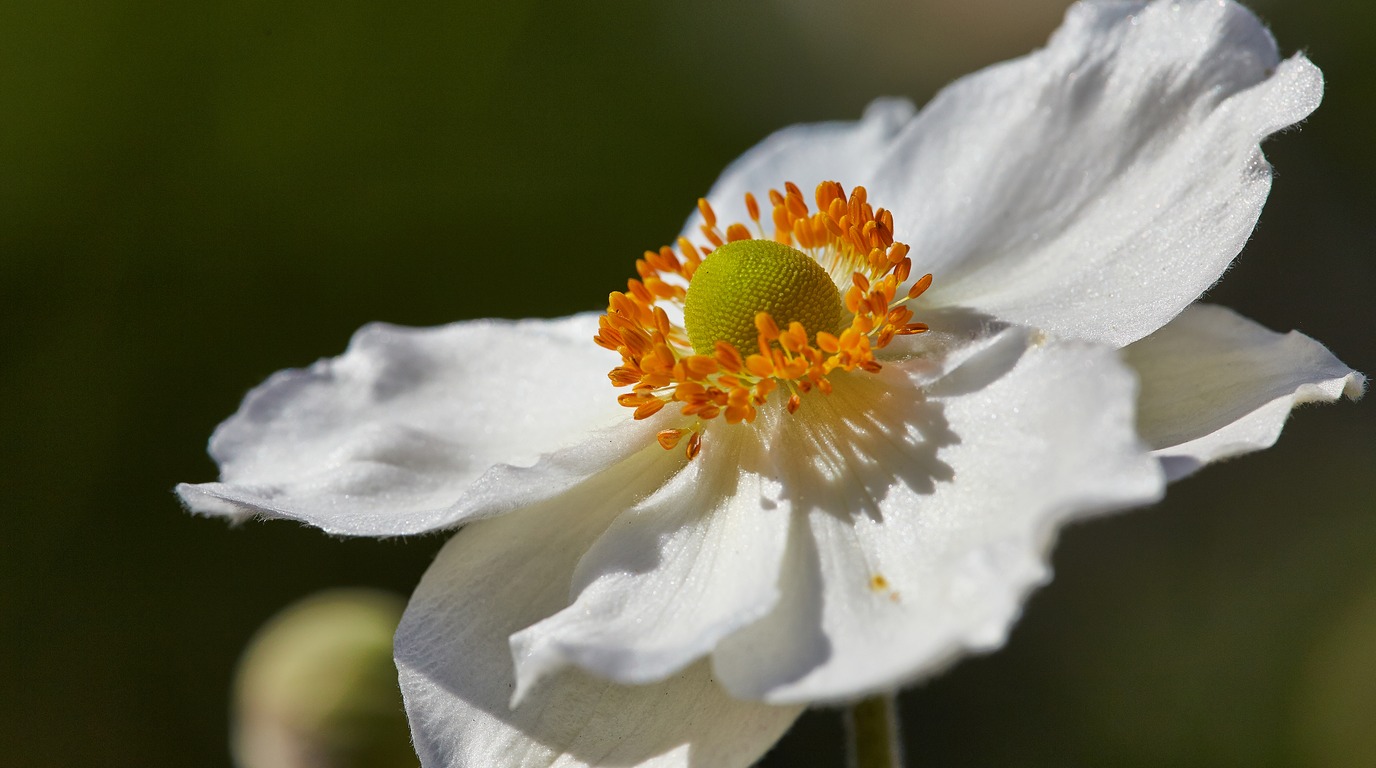
Gracing the late-season landscape with an ethereal dance of saucer-shaped porcelain blossoms swaying atop wiry, architectural stems, Japanese anemones (windflowers, Anemone × hybrida and A. hupehensis) are the undisputed queens of the autumn shade garden. Blooming uninterrupted from August until the first penetrating freezes of November, their graceful presence bridges the seasonal gap between summer perennials and winter dormancy. Yet, this delicate autumnal royalty conceals a notoriously fragile botanical vulnerability once sub-zero freezes lock the soil: slow-to-establish fibrous root systems and acute susceptibility to winter frost heave. While mature Japanese anemones are hardy down to USDA Zone 4 (-30°F), newly planted clumps and young rhizomes easily heave out of freezing soil, leaving their tender root crowns exposed to desiccating winter gales and fatal rot. Concurrently, premature fall pruning robs the plant of vital root-anchoring energy, while leaving soggy blackened leaves invites foliar fungal blights. Learning how to winterize Japanese anemones correctly—synchronizing late-season cutbacks with hard frosts, pre-freeze root hydration, and breathable crown banking—is the definitive strategy to guarantee vigorous, multi-stemmed floral spires year after year.
Unlike early-spring bloomers such as woodland columbine or summer favorites like hardy cranesbill geraniums whose lifecycles conclude well before October, Japanese anemones bloom actively right through light frosts. Cutting them back while green halts photosynthate transfer into the subterranean rhizomes, drastically weakening the plant before winter even begins. Furthermore, unlike garden mums which must never be pruned in fall, Japanese anemones require a targeted post-freeze cleanup to prevent overwintering leaf nematodes and botrytis spores from colonizing the crown. By following our systematic autumn blueprint, you will eliminate fungal disease, anchor shallow roots against freeze-thaw upheaval, and pave the way for an expansive, weed-suppressing colony next season.
Why You’ll Love This Japanese Anemone Winterization Blueprint
- Zero Winterkill & Frost Heave Defense: Secures shallow, fragile root networks against the violent soil expansion of late-winter freeze-thaw cycles.
- Foliar Nematode & Blight Eradication: Strips away blackened, spore-laden foliage before winter moisture can spread disease across your flower border.
- Fluffy Winter Seedhead Option: Explains how and when to leave decorative cotton-ball seed puffs standing for striking winter snow interest.
- Effortless Spring Clump Expansion: Shields dormant rhizome buds from desiccating winds, ensuring dense, multi-branched floral canopies come late summer.
Key Tools & Autumn Supplies

- Bypass Hand Pruners: Scissor blades create crisp, razor-clean cuts across fibrous anemone stems without tugging or dislodging shallow root stolons. Sanitize blades with 70% rubbing alcohol between clumps.
- Shredded Hardwood Bark or Leaf Mold: Light, airy organic mulch that protects roots while allowing moisture vapor to escape freely away from the crown.
- Pine Straw or Clean Agricultural Straw: Highly recommended for newly planted anemones; provides maximum insulation against freeze-thaw heave without matting down.
- Evergreen Spruce Boughs: Perfect for harsh northern gardens (USDA Zones 4–5) to weigh down straw mulch and catch insulating snow blankets.
The 4-Step Japanese Anemone Fall Winterization Walkthrough
Step 1: Wait for Hard Frost, Then Prune to Ground Level
Timing is everything with Japanese anemones. Never cut them back in September or early October while stems are bearing flowers or buds. Wait until 1 to 2 hard, killing frosts have thoroughly blackened the leaves and collapsed the flower stems. Once the top growth has completely surrendered its nutrients down to the root mass, use clean bypass pruners to cut the stems down to 2 to 3 inches above the soil line. Alternative aesthetic choice: In sheltered borders, you may choose to leave the upright stems with their whimsical, cotton-like fluffy white seedheads standing through winter for ornamental snow texture, pruning them down in late February instead.

Step 2: Bag & Discard All Fallen Debris
Thorough autumn sanitation is paramount for Japanese anemones. Wet, decomposing anemone foliage is frequently colonized by foliar nematodes (*Aphelenchoides*) and leaf spot fungi (*Cercospora*). Leaving this foliage on the ground creates a biological incubator for pests to survive through the snow. Rake away all clipped stems and blackened fallen leaves around the base of the clump. Bag this debris and dispose of it in your municipal yard waste—never toss diseased anemone trimmings into your home compost pile.
Step 3: Deep Autumn Hydration Before Soil Freezes
Japanese anemones thrive in moist, humus-rich soil and possess very little tolerance for dry winter soil conditions. If autumn transitions into winter under dry drought conditions, the shallow fibrous root hairs shrivel. When sub-zero winds arrive, desiccated roots suffer fatal freeze damage. Approximately 48 hours before the first sustained hard freeze locks the topsoil, give your anemone beds a slow, deep soaking down to 8 inches. Moist earth holds subterranean heat much longer than dry dirt, stabilizing the root environment.
Step 4: Apply the Insulating Crown Mulch Blanket
Because Japanese anemones spread via shallow underground runners that sit just 1 to 2 inches beneath the surface, they are uniquely vulnerable to frost heave. After the ground has frozen for the first time, spread a 3- to 4-inch blanket of shredded bark, pine straw, or composted leaf mold directly over the root zone. Pro tip for newly planted anemones: First-year plantings have not yet anchored their roots deeply into the subsoil; place evergreen spruce boughs over the mulch layer to keep soil temperatures rock-solid and prevent sudden winter thaws from lifting crowns.
3 Expert Secrets for Flawless Japanese Anemone Wintering
1. Extraordinary First-Year Winter Vigilance: Japanese anemones are notoriously slow to establish during their first full season in the garden. While a 3-year-old established colony is virtually indestructible, a newly planted nursery specimen has a shallow root ball that easily succumbs to winter frost heave. Always double the mulch thickness (4 inches) for first-year windflowers!
2. Never Plant Japanese Anemones in Standing Winter Water: While anemones love consistent moisture during hot summer afternoons, winter waterlogging in heavy, poorly-drained clay will rot their rhizomes in weeks. If your garden has dense clay, amend the planting bed with coarse grit, leaf mold, and compost to ensure winter snowmelt drains away freely.
3. Patience During Spring Wake-Up: Japanese anemones are notoriously late risers in the spring. In USDA Zones 4 through 7, they often will not show fresh green shoots until late April or mid-May, long after neighboring perennials have leafed out. Do not panic and dig into the bed assuming they died over winter—give them time to break dormancy naturally!
Autumn Garden Bed Pairings & Companion Care

- Late-Autumn Floral Companions: Pair Japanese anemones with hardy garden mums and feathery astilbe for a breathtaking multi-tiered autumn floral finale that shares similar deep-watering requirements.
- Shade Border Partners: Interplant with winterized hostas and bleeding heart, where anemones take center stage in late summer after earlier shade companions have entered decline.
- Woodland Foliage Contrast: Position clumps near semi-evergreen coral bells and hardy cranesbill geraniums for rich autumn leaf textures and shared organic mulch insulation.
Spring Re-Emergence: Waking Up Your Windflowers
- Mid-Spring Mulch Pullback: In mid-to-late April when daytime temperatures consistently touch 55°F (13°C), gently rake back the heaviest layers of winter mulch so spring sunshine can warm the soil and awaken dormant underground stolons.
- Inspecting for Frost Heave: If freeze-thaw cycles have partially pushed shallow root rhizomes above the surface, gently press them back down into the thawed soil and top-dress with 1 inch of rich leaf mold and compost.
- Balanced Spring Feeding: Top-dress around the perimeter of the clump with balanced, slow-release organic fertilizer. Avoid excessive synthetic nitrogen, which produces overly tall, weak stems that flop in autumn gales.
Japanese Anemone Winterization At-A-Glance
| Winterization Factor | Recommended Fall Protocol | Common Mistake to Avoid |
|---|---|---|
| Cutback Timing | After 1-2 killing frosts blacken foliage | Pruning in early fall while blooming |
| Pruning Height | 2 to 3 inches above ground level | Tearing stems by hand (dislodges roots) |
| Sanitation Rule | Bag and discard all blackened foliage | Leaving diseased leaves as winter mulch |
| Mulch Thickness | 3 to 4 inches (shredded bark, straw) | Skipping mulch on 1st-year plantings |
| Cold Hardiness | USDA Zones 4–8 (Hardy down to -30°F) | Planting in waterlogged, poorly-drained soil |
Frequently Asked Questions
Should Japanese anemones be cut back in the fall or spring?
Cutting back Japanese anemones in late autumn after the first hard killing freeze is strongly recommended. Pruning away blackened, spent foliage removes overwintering fungal spores and foliar nematodes. However, if you enjoy their fluffy white cotton-ball seedheads, leaving stems standing for winter snow interest and cutting them in late February is also acceptable.
Do Japanese anemones survive freezing winter temperatures?
Yes! Established Japanese anemones are hardy perennials that withstand freezing temperatures down to USDA Zone 4 (-30°F / -34°C). However, young plants during their first winter require a generous 3- to 4-inch blanket of breathable mulch to protect their shallow root stolons against frost heave.
Why are my Japanese anemones so slow to emerge in the spring?
Japanese anemones are naturally very late risers. While spring bulbs and early perennials emerge in March, windflowers rarely show new green basal growth until late April or even mid-May. As long as their crowns were protected from severe frost heave and rot over winter, they will awaken and grow vigorously as soil temperatures climb.
Pin This Japanese Anemone Winterizing Guide for Later
Planning your autumn garden cleanup? Save this pin to your Pinterest gardening board so you have these step-by-step windflower cutback, crown mulching, and frost heave protection tips ready whenever cold weather arrives!