
With their majestic spires of tubular bell-shaped blossoms and rich bronze-purple or emerald foliage, Penstemon (commonly known as Beardtongue) stands as one of the most magnificent pollinator-attracting perennials in modern xeriscapes and perennial borders. Yet, when autumn frosts sweep across the landscape, countless gardeners make a devastating seasonal mistake: treating Penstemon like an ordinary herbaceous perennial and shearing its woody stems flush to the soil line. Pruning hollow stems before winter invites freezing moisture directly into the plant’s vulnerable crown, while suffocating its semi-evergreen basal foliage under soggy leaf mulch breeds lethal fungal decay. Protecting your Penstemon through sub-zero temperatures requires understanding its high-altitude ancestry, semi-evergreen habit, and unyielding demand for sharp mineral drainage.
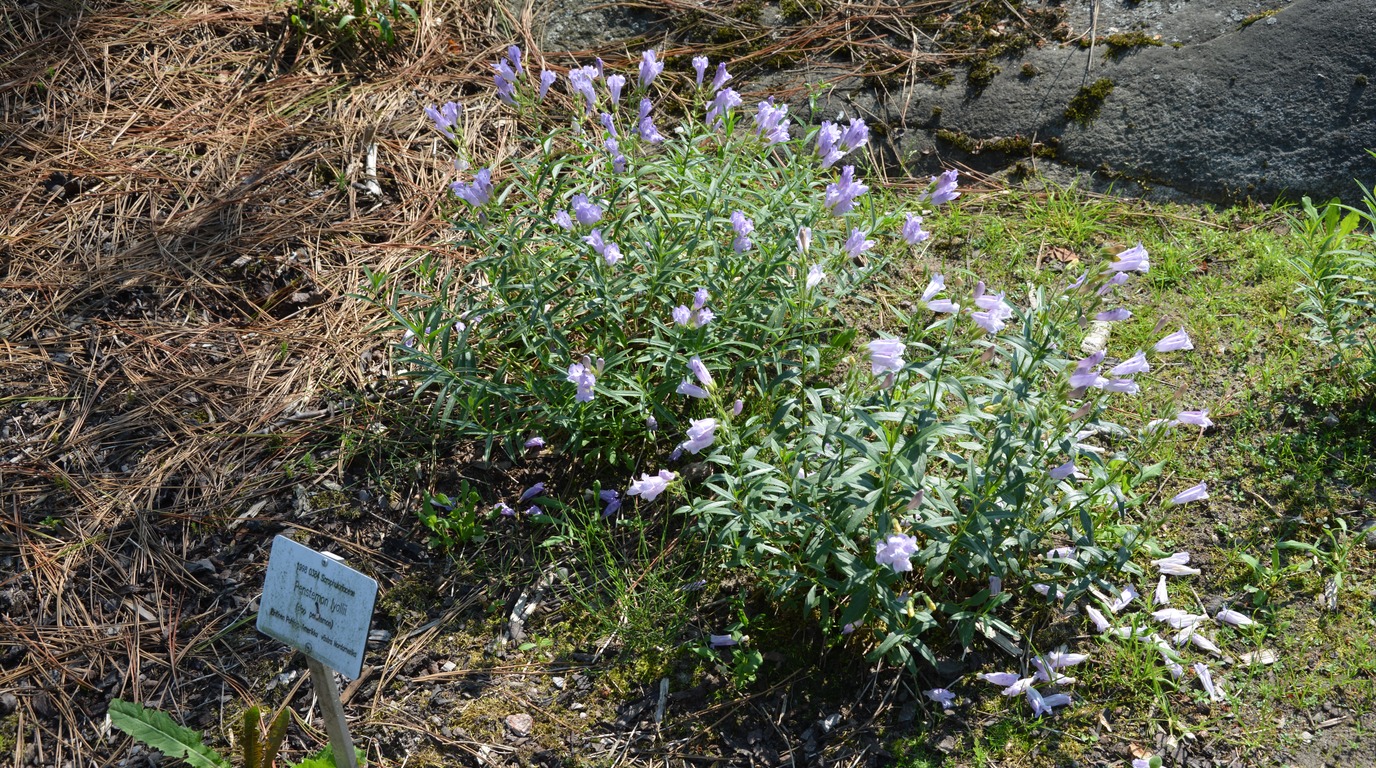
Native across North American prairies, alpine gravel ridges, and open canyon slopes, cold-hardy garden cultivars (such as Penstemon digitalis ‘Husker Red’, Penstemon strictus, and Penstemon barbatus) possess exceptional genetic tolerance to freezing cold, enduring conditions down to USDA Hardiness Zones 3 or 4. However, true winter cold rarely kills Penstemon—excess winter wetness and improper autumn pruning do. Penstemons possess semi-woody stems that are naturally hollow or pithy; snipping them low in autumn transforms each cut stem into a funnel that channels rain, sleet, and melting snow straight down into the basal crown. Maintaining the stems intact until spring, preserving the ground-hugging rosette, and mulching strictly with mineral gravel guarantees your Beardtongue re-emerges with extraordinary vigor once warm weather arrives.
Why Penstemon is Indispensable in the Cold-Climate Garden
- Magnetic Pollinator Magnet: The tubular throat of Beardtongue blooms offers an essential nectar oasis for native bees, hummingbirds, and butterflies from late spring through late summer.
- Semi-Evergreen Basal Foliage: Many varieties retain an attractive ground-level rosette of glossy purple or deep green foliage through the chill of winter, offering living structure when other beds lie bare.
- Extreme Drought and Heat Resilience: Perfect partners for drought-resistant garden plants, Penstemons thrive in dry, nutrient-lean soils with minimal irrigation once rooted.
- Superb Winter Hardiness: When provided with proper winter crown drainage, cold-climate cultivars effortlessly weather sub-zero freezes across northern gardening zones.
Key Penstemon Winterizing Supplies & Mulch Smart Swaps

- Sharp Bypass Hand Pruners: Scissor-action blades create clean, crush-free deadheading cuts along top flower stems without splitting the lower woody stem bases.
- Coarse Pea Gravel or Horticultural Grit: Swap heavy shredded bark mulch for coarse mineral gravel. Pea gravel reflects light, prevents wet soil splash, and collars the crown without holding excess moisture.
- Airy Pine Boughs or Evergreen Needles: If winter protection is needed against wind desiccation, airy boughs shade basal rosettes without matting into a soggy, airless blanket.
- Organic Deadheading Basket: Collecting spent seedheads prevents unwanted self-seeding while preserving selected decorative seedpods for winter birds.
Step-by-Step Winterization Walkthrough for Penstemon
1. Deadhead Faded Floral Spikes: In mid-autumn after the final blooms fade, use bypass pruners to deadhead spent flower stalks down to the top set of green leaves, or leave a 6- to 8-inch framework above the ground. Never cut the stems down to the soil surface; keeping the lower stem wood intact protects the interior crown from freeze damage.
2. Clear Wet Tree Leaves Away from the Basal Rosette: Penstemons produce a ground-level rosette of leaves that stay green throughout winter. Gently sweep away falling maple, oak, or sycamore leaves. Deciduous leaves create a soggy seal that will suffocate the evergreen rosette within weeks.

3. Apply a 1-Inch Coarse Gravel Drainage Collar: Spread a 1- to 2-inch layer of clean pea gravel, pumice, or crushed granite around the base of the plant, tucking it under the basal leaves right up to the crown. This mineral collar accelerates water drainage away from the stem tissues and prevents frost heaving, echoing best practices in how to winterize Sempervivum.
4. Provide Light Bough Screening After Ground Freeze: In wind-swept northern zones (USDA 3–5) prone to snowless freezes, wait until the top inch of soil is frozen solid, then loosely lay spruce or fir evergreen branches across the plants. This screens the basal foliage from drying winds and harsh winter sun while allowing continuous air flow.
3 Master Horticulturist Secrets for Flawless Penstemon Wintering
1. The “Hollow Stem Rule” – Delay Heavy Pruning Until Spring: Penstemon stems are hollow tubes. An autumn cut at ground level allows ice water to settle deep into the underground rootstock, causing devastating rot during freeze-thaw cycles, much like the hollow stem dynamics observed when learning how to winterize Salvia and Russian Sage fall care. Always wait until early spring when fresh green shoots emerge from the crown before cutting back old woody stems.
2. Withhold Autumn Fertilizers and Taper Irrigation: Late summer or early autumn nitrogen feeding forces tender, succulent growth that is destroyed by the first frost. Stop fertilizing by mid-August and allow the soil around Penstemons to dry out naturally between autumn rains to prompt tissue hardening.
3. Guard Against Freeze-Thaw Frost Heaving: In clay or silty soils, alternating freezing and thawing cycles can push shallow-rooted Penstemons out of the soil bed. Applying a heavy collar of sharp pea gravel around the perimeter adds physical ballast and stabilizes soil temperatures against drastic fluctuations.
What to Pair with Penstemon in Autumn & Winter Borders

- Dianthus (Garden Pinks): Providing dense glaucous blue cushions at the garden edge, pinks create a striking structural contrast beneath tall Penstemon spikes, as detailed in our guide on how to winterize Dianthus.
- Bluebeard (Caryopteris) & Agastache: Aromatic, late-blooming sub-shrubs share Penstemon’s craving for sharp drainage and sun, fitting perfectly into the strategies outlined for winterizing Caryopteris.
- Ornamental Grasses (Little Bluestem & Blue Fescue): Fine-textured native grasses provide movement, erosion control, and glorious amber winter highlights behind bronze-leaved Penstemons.
Container Overwintering & Spring Wake-Up Routine
- Overwintering Potted Penstemon: Potted specimens lack the thermal mass of ground soil. Move containers into an unheated garage, shed, or sheltered foundation wall once temperatures consistently drop below 28°F (-2°C). Water sparingly once a month just to keep root balls from turning bone dry.
- Spring Clean-Up Timing: When snow recedes and night temperatures settle above freezing in early to mid-spring, remove any protective evergreen boughs. Once tiny green leaves sprout along the basal crown, snip the old hollow winter stems down to 1 inch above the fresh growth.
- Spring Soil Aeration: Gently loosen any compacted soil around the root zone and replenish pea gravel mulch to maintain optimal drainage for the upcoming growing season.
Frequently Asked Questions
Should Penstemon be cut back in the fall?
No, you should never cut Penstemon all the way to the ground in autumn. Because Penstemon stems are hollow or pithy, cutting them low allows winter rain and snow to seep directly into the crown, causing fatal rot. Simply deadhead spent flower spikes down to 6–8 inches and wait until early spring to perform final pruning.
How cold-hardy is Penstemon during freezing winters?
Most popular garden species, such as Penstemon digitalis and Penstemon strictus, are hardy down to USDA Zone 3 or 4 (-30°F to -40°F). However, their cold hardiness relies entirely on sharp drainage; saturated, waterlogged winter soil will kill even the hardiest variety.
Can I use wood mulch around my Penstemons in winter?
It is best to avoid shredded wood or bark mulch around Penstemon crowns. Wood mulch retains high levels of moisture and holds cold dampness directly against the semi-evergreen rosette. Use coarse pea gravel, pumice, or crushed granite instead.
Pin This Penstemon Winterizing Guide for Later
Protect your Beardtongue blooms! Save this pin to your Pinterest gardening board so you have these essential hollow-stem pruning rules and gravel drainage steps ready for fall!
