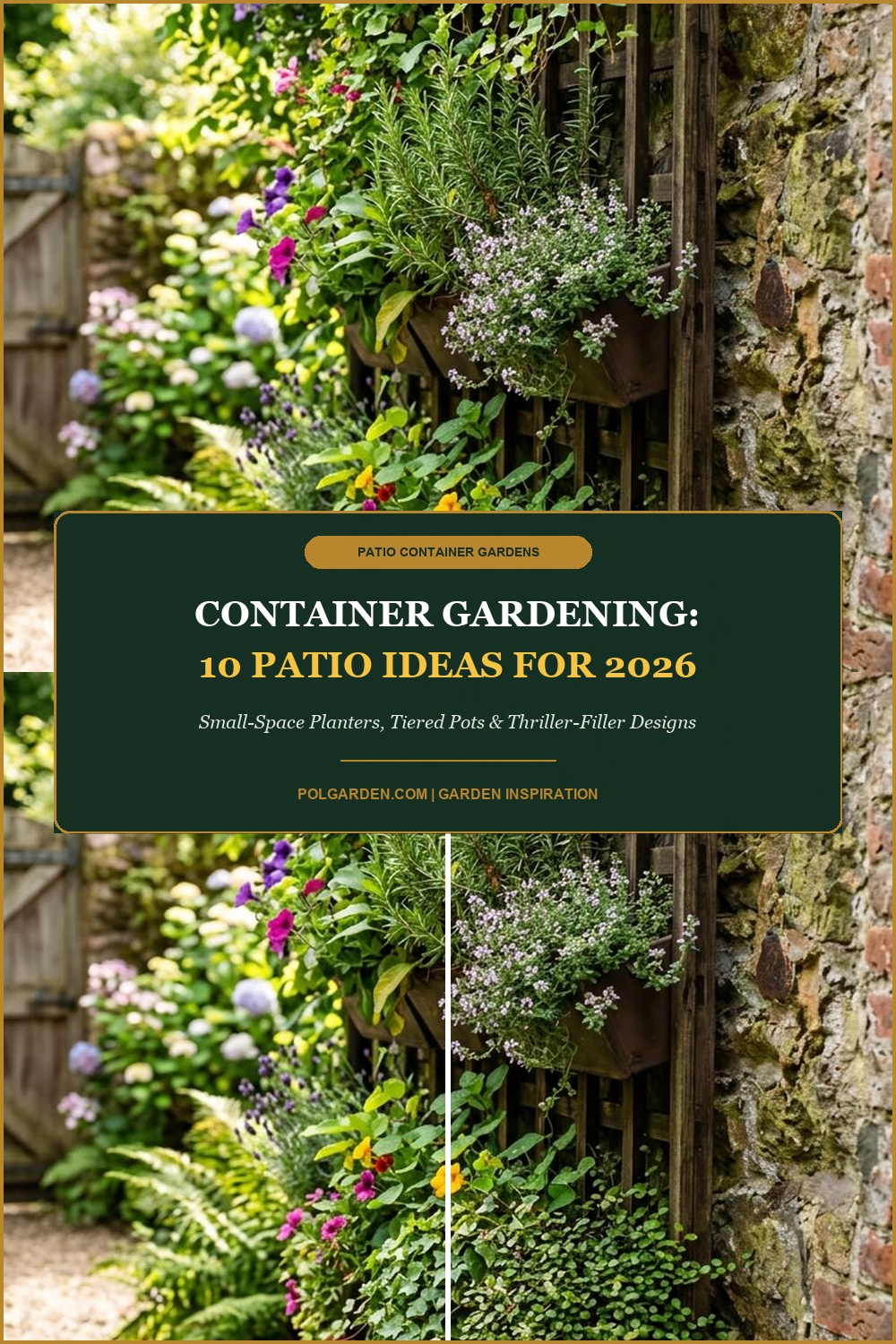
Container gardening is a popular trend that allows urban dwellers and outdoor enthusiasts to cultivate beautiful gardens without the need for expansive yard space. As we look to 2026, innovative designs and plant selections are emerging that cater to style, sustainability, and functionality. This article explores ten stunning ideas for container gardening on your patio that will transform your outdoor space into a vibrant oasis.
Whether you have a small balcony or a spacious patio, container gardening offers flexibility in plant choices and layout. By selecting the right containers and plants, you can create visually appealing arrangements that reflect your personal style. From vertical gardens to elegant seating areas infused with greenery, these ideas will inspire your gardening endeavors and enhance your outdoor experience in the coming years.
1. Create a Vertical Garden with Wall Planters

Vertical gardens are an excellent way to maximize space while adding breathtaking greenery to your patio. By using wall planters, you can create a living art piece that not only beautifies but also purifies the air. Choose a mix of trailing plants such as ivy or string of pearls to create dynamic textures and colors.
For a cohesive look, consider color-coordinating your planters with your patio decor. Wall-mounted systems can be made from wood, metal, or even fabric, allowing for versatility in design. Be sure to select lightweight potting soil that retains moisture yet drains well, ensuring your plants thrive.
Additionally, incorporating herbs like basil or mint in your vertical garden can provide both aesthetic appeal and culinary benefits. Regular maintenance, including pruning and watering, will keep your vertical garden lush and vibrant throughout the season.
2. Embrace a Minimalist Zen Garden

A minimalist zen garden can create a tranquil patio atmosphere perfect for relaxation. Focus on simplicity by using a limited palette of plants and materials. Gravel, raked sand, and larger stones can form the base while a few carefully chosen succulents or bonsai trees add life without overwhelming the senses.
Incorporate elements like a low wooden bench or a simple water feature to enhance the calming effect. The colors should be muted, with soft greens and earthy tones dominating the palette. This approach not only makes maintenance easy but also provides a serene escape from everyday life.
Consider using containers made from natural materials like clay or stone to blend harmoniously with the surrounding landscape. Regular upkeep, such as raking the gravel and pruning plants, will keep your zen garden looking pristine and inviting.
3. Incorporate Edible Plants into Decorative Containers

Combining aesthetics with functionality, edible plants can bring beauty and purpose to your patio garden. Use decorative containers to house various herbs, vegetables, and fruits, creating a delightful edible landscape. Herbs like rosemary, thyme, and basil can be planted alongside vibrant flowers for a stunning visual contrast.
Choose unique containers made from ceramic or terracotta to add an artistic touch. Group pots of different heights and sizes for an engaging display, ensuring that the plants receive the appropriate sunlight based on their requirements. Be sure to use quality potting soil and incorporate drainage holes to promote healthy growth.
Additionally, consider planting dwarf fruit trees in larger containers for added height and seasonal interest. This approach not only beautifies your space but also provides fresh ingredients for your culinary creations right from your patio.
4. Create a Cozy Outdoor Lounge with Planters

Transform your patio into a cozy outdoor lounge by strategically placing large planters around seating areas. Use substantial containers filled with lush foliage to create privacy and a sense of enclosure, making your patio feel like an intimate retreat. Tall plants like ornamental grasses or small trees can serve as natural dividers while adding height and interest.
Incorporate comfortable outdoor furniture, such as cushioned chairs or a stylish sofa, to encourage relaxation. Choose a color palette that complements the plants, using soft neutrals and earthy tones to create a harmonious atmosphere. Consider adding outdoor rugs to define the space further and enhance comfort.
Regularly watering and pruning your plants will maintain their health and visual appeal. With the right arrangement, you can achieve a stylish, inviting area perfect for entertaining or unwinding after a long day.
5. Opt for Colorful Tiered Planters

Tiered planters offer a dynamic way to display a variety of plants while maximizing vertical space. These multi-level containers can create stunning focal points on your patio, showcasing a diverse array of flowers, herbs, and even small shrubs. Choose vibrant blooms with contrasting colors to make a bold statement.
When selecting plants, consider their growth habits and sunlight needs to ensure compatibility within the tiers. Incorporating trailing varieties on the upper levels can create a cascading effect that enhances visual interest. Regular watering and fertilizing will keep your plants healthy and blooming throughout the season.
Position tiered planters in a spot where they can be easily admired, such as near seating areas or walkways. This innovative approach to container gardening not only adds beauty but also encourages creativity in your plant arrangements.
6. Design a Charming Herb Spiral

An herb spiral is a fantastic way to maximize space while creating an eye-catching feature on your patio. This vertical garden design allows you to grow a variety of herbs in a compact area, utilizing different heights and microclimates to cater to various plant needs. Start by building a circular spiral structure using stones or bricks, ensuring proper drainage and soil depth.
Plant herbs that thrive in different conditions, placing those that require more moisture at the base and drought-tolerant varieties at the top. Popular choices include basil, mint, and oregano, which can be used in your culinary creations. The spiral design not only looks beautiful but also provides ease of access for harvesting.
Regular maintenance, such as watering and pruning, will keep your herb spiral lush and productive. This unique approach to container gardening will surely inspire your outdoor cooking and enhance your patio’s aesthetics.
7. Integrate Water Features with Container Gardens

Incorporating water features into your container garden can add a soothing element to your patio space. Water fountains or small ponds can create a tranquil atmosphere, drawing in birds and beneficial insects. Position your water feature near your containers to create a cohesive and serene environment.
Choose plants that thrive in moist conditions, such as water lilies or ferns, to complement your water feature. Container gardens near the water can include colorful annuals that reflect in the water, enhancing the overall aesthetic. Ensure that your water feature is easy to maintain, with a filtration system to keep the water clean.
The sound of flowing water not only masks noise from the city but also promotes relaxation. With the right arrangement, your patio can become a peaceful retreat, perfect for unwinding or entertaining guests.
8. Style with Vintage Containers for a Rustic Touch

Using vintage containers adds a unique charm and rustic touch to your patio garden. Old metal buckets, wooden crates, and antique pots can be repurposed as plant holders, offering character and history to your outdoor space. This eclectic style allows for creativity in plant selection and arrangement.
Choose a mix of flowers, herbs, and even ornamental grasses to fill your vintage containers. The contrast between the aged materials and vibrant plant life creates a visually appealing display. Grouping containers of varying sizes can enhance the rustic aesthetic while making a bold statement.
Ensure that your vintage containers have proper drainage to support healthy plant growth. Regular maintenance, including cleaning and refreshing the soil, will keep your vintage garden looking its best. This approach not only adds personality but also makes your outdoor space feel inviting and comfortable.
9. Utilize Hanging Planters for Vertical Interest

Hanging planters are a fantastic way to add vertical interest to your patio while saving floor space. These containers can be suspended from ceilings, walls, or even pergolas, creating a beautiful cascade of greenery and color. Opt for a mix of flowering plants and trailing vines to create an eye-catching display.
When selecting plants for your hanging planters, consider their growth habits and light requirements. Trailing varieties like petunias or fuchsias work wonderfully, while herbs like parsley can also thrive in this setup. Ensure your hanging planters have adequate drainage to prevent waterlogged roots.
Incorporating a variety of heights and arrangements will create depth and visual appeal. Hanging planters not only beautify your patio but can also create a lush, garden-like feel, enhancing your outdoor living experience.
Frequently Asked Questions
What are the best plants for container gardening on a patio?
When selecting plants for container gardening, consider your climate, sunlight, and the aesthetic you want to achieve. For sunny patios, choose heat-loving plants like petunias, geraniums, or succulents that thrive in bright conditions. If your space is partially shaded, opt for ferns, hostas, or shade-tolerant flowering plants.
Additionally, incorporating edible plants such as herbs or dwarf vegetables can enhance both appearance and functionality. Mixing different plant types—like colorful annuals and perennials—will create a dynamic and visually appealing display. Always ensure that your chosen plants have compatible water and light requirements to thrive in a container setting.
How often should I water my patio container plants?
Watering frequency for patio container plants depends on several factors, including plant type, container size, and climate. Generally, containers should be checked for moisture at least once a day, especially during hot weather. A good rule of thumb is to water when the top inch of soil feels dry to the touch.
Ensure that your containers have proper drainage holes to prevent waterlogging, which can lead to root rot. During cooler months, watering can be reduced as plants may require less moisture. It’s essential to observe your plants and adapt your watering routine based on their specific needs.
Can I grow vegetables in containers on my patio?
Absolutely! Growing vegetables in containers is a practical and rewarding option for patio gardening. Many vegetables, such as tomatoes, peppers, and salad greens, thrive in containers, making them ideal for limited spaces.
Choose containers that are large enough to accommodate root systems and ensure they have good drainage. Regular watering and fertilizing are crucial for container-grown vegetables to ensure healthy growth and yield. Additionally, consider the sunlight requirements of your chosen vegetables to ensure they thrive throughout the growing season.
What type of soil should I use for container gardening?
Using the right soil is vital for successful container gardening. Opt for a high-quality potting mix specifically designed for container plants, as it provides the necessary drainage, aeration, and nutrients. Avoid using garden soil, which can be too heavy and lead to poor drainage.
A good potting mix typically contains peat moss, coir, and perlite or vermiculite to ensure proper moisture retention and aeration. Additionally, consider incorporating slow-release fertilizers to provide essential nutrients over time, supporting healthy plant growth throughout the season.
How can I maintain my container garden throughout the season?
Maintaining a container garden requires regular attention but can be easily managed with a consistent routine. Begin by checking soil moisture daily and watering as needed, particularly during hot weather. Pruning dead or yellowing leaves will encourage new growth and keep your plants looking their best.
Fertilizing every few weeks with a balanced liquid fertilizer can help sustain your plants’ health and vigor. Additionally, be vigilant about pests and diseases, addressing any issues promptly to prevent them from spreading. Regularly cleaning your containers and refreshing the soil at the start of each season will also keep your container garden thriving.
Container gardening on your patio can transform your outdoor space into a lush and inviting haven. With various creative ideas and plant combinations, you can express your personal style while enjoying the many benefits of gardening. From vertical gardens to charming herb spirals, the possibilities for stunning container arrangements are endless.
As you plan your patio garden for 2026, consider experimenting with different styles and plants to create a unique and vibrant outdoor experience. Embrace the joy of gardening, and let your creativity flourish as you cultivate your very own green sanctuary.