Creating a pet-friendly garden can be a delightful adventure, especially when you want to ensure your furry friends are safe while enjoying the great outdoors. Do you often worry about what plants might be harmful to your dog? Or perhaps you’re looking for ways to design your garden layout that promotes fun and safety for your beloved pets? You’re in the right place!
In this guide, we’ll explore how to select dog-safe plants and design a garden that your pets can roam freely in. With just a little bit of planning and love, you can create a beautiful outdoor space that’s not only stunning but also safe for your four-legged companions. Let’s dig in and transform your garden into a pet paradise together!
Table of Contents
- What is a Pet-Friendly Garden?
- How Does It Work?
- Benefits of a Pet-Friendly Garden
- Choosing Dog-Safe Plants
- Designing the Layout
- Steps to Build Your Garden
- Advanced Tips
- Frequently Asked Questions
What Is It?
A pet-friendly garden is an outdoor space designed specifically to keep pets safe while providing them with the freedom to explore and enjoy nature. This means using plants that are non-toxic to dogs, as well as creating an environment that allows for play and interaction without the risk of harm. You can think of it as a haven for both your pets and you, where beauty and safety go hand in hand.
When planning a pet-friendly garden, it’s essential to consider both the plants you choose and how you layout the space. This ensures that your garden is not only aesthetically pleasing but also a safe haven for your furry friends. By making conscious choices, you can create a vibrant garden that accommodates your pets’ needs while enhancing the overall appeal of your outdoor space.
- A pet-friendly garden is designed with non-toxic plants.
- Safety and enjoyment for pets are paramount.
- Layout can enhance accessibility and play for pets.
- Regular maintenance keeps the garden safe for pets.
How It Works
Creating a pet-friendly garden works by selecting plants that are safe for pets and designing spaces that encourage safe exploration. Understanding which plants are harmful to dogs and which are safe is crucial, as many common garden plants can be toxic. This knowledge allows you to make informed decisions about your garden’s flora.
Moreover, the layout of your garden plays a significant role in its functionality. By incorporating features such as pathways, designated play areas, and shaded spots, you ensure that your pets can enjoy the garden without getting into trouble or risking injury. Additionally, barriers and zones can help protect certain plants while allowing your pets to roam freely.
- Knowledge of plant safety is critical.
- A thoughtful layout enhances pet safety.
- Barriers can protect certain plants.
- Design can encourage safe exploration.
Key Benefits
- Safety for Your Pets — The most significant benefit of a pet-friendly garden is the safety it provides. By choosing non-toxic plants and avoiding harmful chemicals, you create a space where your pets can explore without risk. This peace of mind allows you to relax and enjoy your garden alongside your furry friends.
- Enhanced Aesthetic Appeal — A well-planned pet-friendly garden can be just as beautiful as any traditional garden. By selecting vibrant, safe plants and incorporating thoughtful design elements, you can create a stunning landscape that is visually pleasing while being functional for your pets.
- Encouragement of Play and Exercise — A pet-friendly garden fosters an environment where your pets can play and exercise. Whether it’s a designated digging area or a space to chase butterflies, having a safe outdoor space encourages your pets to be active, which is essential for their health and happiness.
- Stronger Bond with Your Pets — Spending time in a pet-friendly garden can strengthen the bond between you and your pets. Creating a shared space where both of you can relax, play, and enjoy nature together enhances the companionship and joy you experience with each other.
- Reduced Stress and Anxiety — Gardening itself has therapeutic benefits that can reduce stress and anxiety for both you and your pets. A serene garden atmosphere, combined with the joy of spending time with your furry companions, creates a calming effect that enhances overall well-being.
Step-by-Step Guide
Step 1: Assess Your Space

The first step in building your pet-friendly garden is to assess your outdoor space. Take note of its size, sunlight exposure, and existing plants. Consider where your pets like to spend time and how they move through the space. This will help you design a layout that accommodates their needs while also creating a beautiful garden for you. If you have limited space, think about vertical gardening options or container gardens that can maximize your area.
Identify potential hazards like sharp edges, steep drops, or toxic plants that you may need to remove or avoid. Understanding your space will guide your decisions as you move forward in the design process.
Example: For instance, if your dog loves to sunbathe, make sure to include a sunny spot in your layout.
Pro Tips:
- Measure your garden area to understand the scale.
- Note any shaded areas for future planting.
- Watch how your pets interact with the space.
Step 2: Choose Dog-Safe Plants

Selecting the right plants is crucial for creating a pet-friendly garden. Start by researching which plants are safe for dogs, such as marigolds, snapdragons, and certain herbs like mint and basil. Avoid plants that are known to be toxic, such as lilies, azaleas, and sago palms.
When choosing plants, consider their growth habits and maintenance needs. Opt for hardy varieties that can withstand some rough play, and think about how they’ll fit into your overall garden aesthetic. Incorporating a mix of colors, textures, and heights will create visual interest while ensuring your pets are safe.
Example: You might plant lavender for its calming scent and resistance to pet wear.
Pro Tips:
- Check local garden centers for pet-safe plant recommendations.
- Consult online databases for toxic and non-toxic plants.
- Consider native plants, which often require less maintenance.
Step 3: Design Your Layout

Designing your garden layout is where the magic happens. Start by sketching a rough plan, considering the natural flow of your garden. Create designated areas for both your plants and your pets, allowing for open spaces where they can play. Incorporating pathways will help guide them through the garden safely and can reduce wear on your plants.
Consider adding features like raised beds, which can protect delicate plants from curious paws, or creating shaded areas for your pets to rest. A well-thought-out layout will enhance the usability of your garden while also keeping it safe and beautiful.
Example: For instance, a winding path made of stepping stones can create a fun exploration route for your dog.
Pro Tips:
- Use landscape fabric to outline pathways before laying stones.
- Think about sun patterns to place plants accordingly.
- Incorporate water features for added interest and hydration.
Step 4: Prepare the Soil

Preparing the soil is essential for healthy plants. Start by testing your soil’s pH and nutrient levels to ensure it’s suitable for the plants you’ve chosen. You might need to amend it with organic compost or additional nutrients to create a fertile environment.
Next, clear away any weeds, rocks, or debris from the area you plan to plant. Loosen the soil with a garden fork or tiller, ensuring it’s aerated and well-drained. This preparation will provide a solid foundation for your new garden and help your plants thrive, ultimately creating a safer environment for your pets.
Example: If your soil is compact, adding compost can significantly improve its quality and drainage.
Pro Tips:
- Use a soil test kit to determine nutrient needs.
- Mix in organic matter to enhance soil structure.
- Work the soil when it’s slightly moist for easier tilling.
Step 5: Plant Your Selections

Now that your garden bed is prepared, it’s time to plant your selections! Start by following the recommended spacing for each plant type to ensure they have enough room to grow. Dig holes that are slightly larger than the root balls and gently place the plants in, filling in around them with soil. Water each plant thoroughly after planting to help them settle in.
Take care to keep an eye on your pets during this process, as they may be curious about the new additions. Ensure that your planting area is secure to prevent any digging or trampling while your plants establish themselves.
Example: You might plant marigolds around the edges to create a vibrant border.
Pro Tips:
- Plant during early morning or late afternoon for optimal conditions.
- Group plants with similar water and sunlight needs together.
- Consider using mulch around the plants to maintain moisture.
Step 6: Create Safe Zones

Creating safe zones in your garden is essential for protecting both your plants and your pets. Designate specific areas for your pets to play freely, which could include a soft grassy patch or a mulched area where they can dig or lounge. Surround these zones with barriers such as low fences or plant borders to keep them contained.
Additionally, consider adding pet-friendly features like a shaded area with a dog house or a small pool for them to cool off. These safe zones will allow your pets to enjoy the garden while keeping your plants protected from curious paws.
Example: You might create a shaded area with a small dog house near a patch of soft grass.
Pro Tips:
- Use natural barriers like hedges to define play areas.
- Keep toxic plants away from designated pet zones.
- Include toys or climbing structures for added fun.
Step 7: Maintain Your Garden

Maintaining your garden is key to ensuring its longevity and safety for your pets. Regularly check your plants for signs of pests or diseases and take action promptly. Water your plants according to their needs, and keep an eye on the growth to prevent overcrowding.
Additionally, routinely trim back any overgrown plants that could pose a hazard to your pets, and remove any dead or decaying plant matter to keep the garden healthy. A well-maintained garden not only looks beautiful but also provides a safe environment for your furry friends to explore.
Example: Consider creating a weekly schedule to monitor plant health and water needs.
Pro Tips:
- Use organic pest control methods to protect your pets.
- Keep tools and chemicals securely stored away.
- Regularly inspect fences and barriers for damage.
Step 8: Enjoy Together
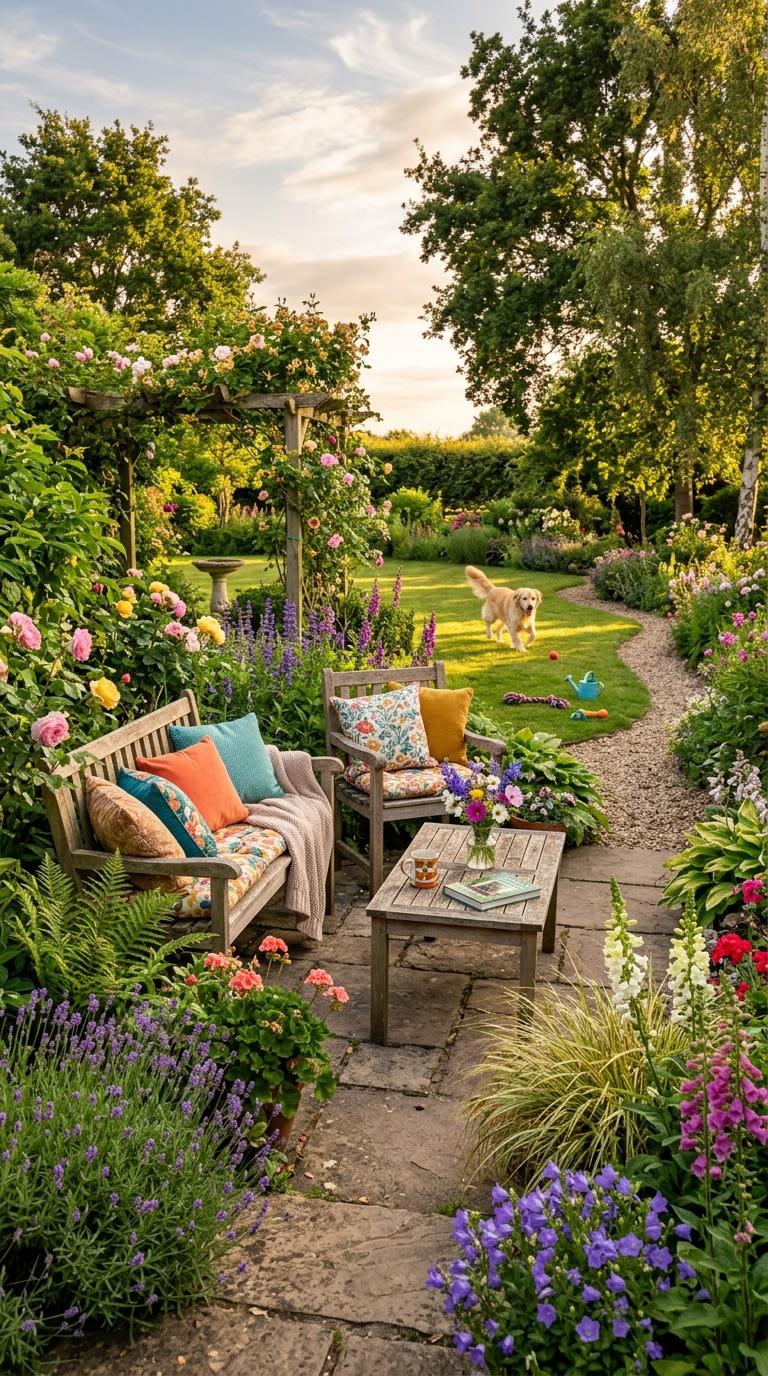
The final step is simply to enjoy your pet-friendly garden with your furry companions. Spend quality time outside, playing, relaxing, or just soaking in the beauty of your hard work. Observe how your pets interact with the space, and be open to making adjustments as needed.
By creating a garden that caters to both your aesthetic desires and your pets’ needs, you can cultivate a harmonious outdoor environment. Celebrate the joy of having a safe, vibrant space where you and your pets can create lasting memories together.
Example: You might set up a cozy spot with a blanket to relax while your dog plays nearby.
Pro Tips:
- Consider adding comfortable seating for yourself.
- Incorporate elements like a fire pit for evening enjoyment.
- Invite friends and their pets over for gatherings.
Advanced Tips
Incorporate Native Plants
Native plants are not only beautiful but also well-adapted to your local climate and soil conditions. Incorporating them into your pet-friendly garden can reduce maintenance needs and enhance biodiversity. These plants often require less water and are more resistant to pests, making them an excellent choice for a low-maintenance garden that supports local wildlife.
Create Vertical Gardens
If space is limited, consider creating vertical gardens using trellises or wall-mounted planters. This approach saves ground space while allowing you to grow a variety of dog-safe plants. Vertical gardens can also provide added interest and texture to your garden design, plus they make it easier to keep delicate plants out of reach of playful pets.
Use Natural Pest Control
Instead of chemical pesticides, opt for natural pest control methods to keep your garden safe for pets. Introducing beneficial insects like ladybugs or using companion planting can help manage pests effectively. Additionally, homemade solutions like neem oil or garlic spray can deter unwanted critters without harming your pets.
Consider Pathway Materials
When designing pathways, think about using materials that are both safe for pets and aesthetically pleasing. Smooth stones or decomposed granite can create a beautiful and pet-friendly surface that’s easy to walk on. Avoid sharp gravel or materials that could injure your pets’ paws.
Tools & Resources
- Soil Test Kit — A soil test kit allows you to analyze your soil’s nutrient levels and pH balance. This is essential for understanding what amendments your soil may need to support healthy plant growth. Knowing your soil will ensure your garden thrives. — Available at: Home Depot, Amazon
- Organic Compost — Organic compost enriches the soil by adding essential nutrients and improving its structure. It helps retain moisture and encourages healthy root growth for your plants. This is a key ingredient for a thriving pet-friendly garden. — Available at: Local garden centers, Home Depot
- Garden Fork — A garden fork is a versatile tool used for loosening and aerating soil. It is especially useful in preparing the ground for planting and mixing in compost. This tool is a must-have for any garden enthusiast. — Available at: Home Depot, Lowe’s
- Trowel — A trowel is essential for digging holes, planting seedlings, and transplanting. A sturdy trowel will make your planting process smoother and more efficient, ensuring your garden gets off to a great start. — Available at: Amazon, Home Depot
- Pet-Safe Pest Control Products — These products are specifically formulated to manage pests without harming your pets. They can include natural solutions or non-toxic sprays that keep your garden healthy while ensuring your pets’ safety. — Available at: Amazon, local garden centers
Frequently Asked Questions
What plants are safe for dogs?
There are several plants that are safe for dogs, including marigolds, snapdragons, and certain herbs like basil and rosemary. It’s important to research and choose non-toxic plants to ensure your dog’s safety while they explore your garden. Always check reputable sources or consult with a veterinarian if you’re unsure about a specific plant.
How can I keep my pets safe in the garden?
To keep your pets safe in the garden, start by selecting dog-safe plants and avoiding toxic varieties. Create designated play areas and use barriers to protect delicate plants. Regularly maintain your garden to remove any hazards and ensure a safe environment for your pets to enjoy their outdoor space.
Can I use chemicals in a pet-friendly garden?
It’s best to avoid chemicals in a pet-friendly garden, as many pesticides and fertilizers can be harmful to pets. Opt for organic or natural alternatives that are safe for animals. Always read labels carefully and choose products specifically designed to be pet-friendly to ensure the safety of your furry friends.
How do I create a dog-safe garden layout?
Creating a dog-safe garden layout involves designing open spaces for play, incorporating pathways, and using barriers to protect delicate plants. Consider your dog’s behavior and preferences; they’ll need areas to explore and relax. Additionally, ensure that the layout encourages safe exploration while minimizing the risk of damage to your plants.
What are the benefits of a pet-friendly garden?
A pet-friendly garden offers various benefits, including safety for your pets, enhanced aesthetic appeal, and the promotion of play and exercise. It can also strengthen your bond with your pets and provide a calming environment for both of you. Ultimately, a pet-friendly garden is a place where you can enjoy nature together safely.
Congratulations on embarking on the journey of creating a pet-friendly garden! By following these steps, you’re not only ensuring the safety of your pets but also enhancing your outdoor space in a way that brings joy and beauty to your home. Remember, gardening is a process, so take your time and enjoy each moment.
As you watch your garden flourish and your pets play, you’ll appreciate the effort you’ve put into crafting a safe haven for them. We encourage you to share your experiences and tips with fellow pet lovers, and don’t hesitate to reach out if you have questions. Happy gardening!