
Roses are the timeless heart of the romantic garden, producing velvety petals, captivating fragrances, and exuberant flushes of color from late spring until the first autumn chill. Yet as freezing November winds arrive and temperatures plummet below freezing, these regal shrubs face their greatest survival challenge. Winter kill does not just destroy tender canes—it can permanently kill a prized hybrid tea or floribunda rose down to its rootstock, replacing your beloved blooms with wild, unruly suckers. Knowing exactly how to winterize roses in late autumn with proper soil mounding, strategic cane reduction, and protective insulation is the ultimate secret to safeguarding the graft union and ensuring vigorous, bloom-laden bushes next summer.
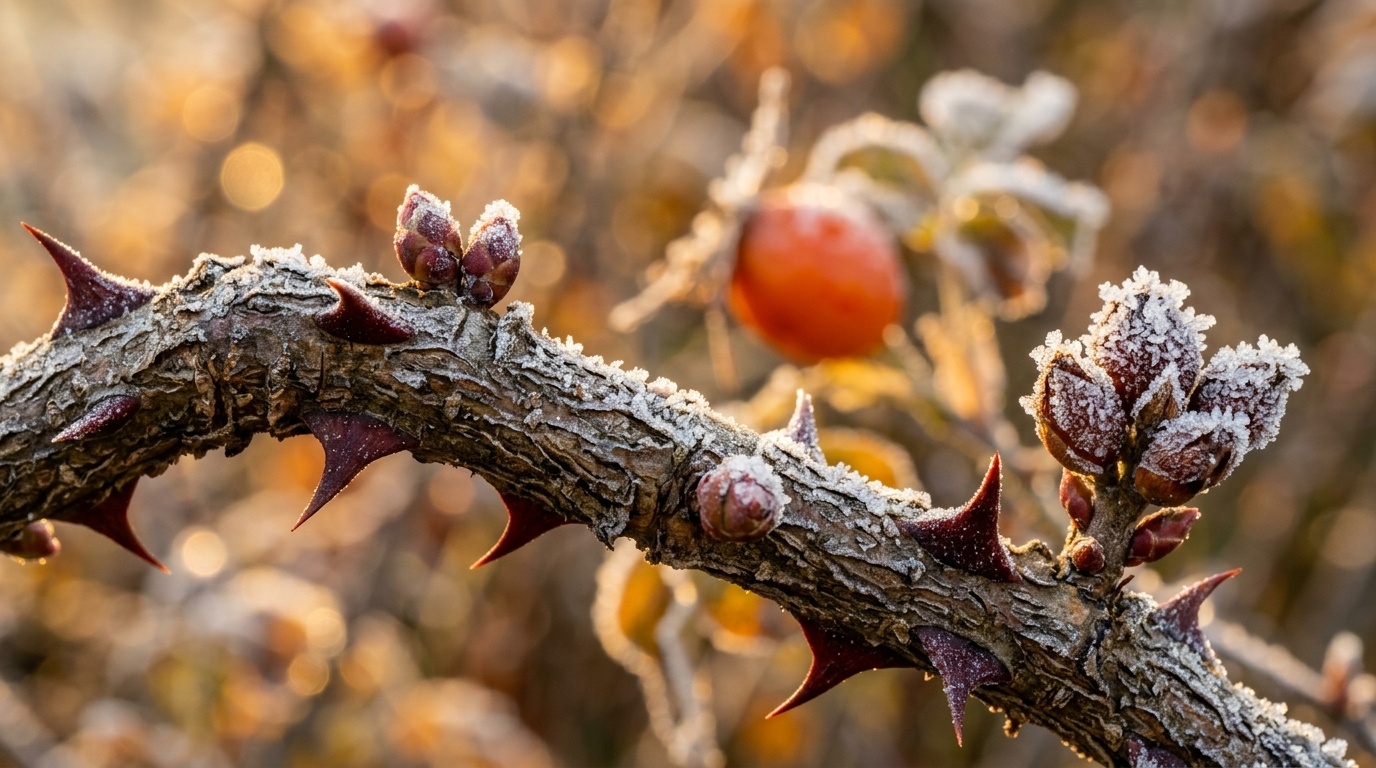
The primary reason winter cold damages modern garden roses lies at the “bud union” (graft point). Most hybrid tea roses, grandifloras, and floribundas are not grown on their own roots; instead, a delicate scion variety is bud-grafted onto a vigorous wild rootstock (such as Rosa multiflora or ‘Dr. Huey’). This swollen graft knob typically sits near the soil surface. If freezing winter winds penetrate the soil and kill this swollen graft union, the scion variety dies completely. When the plant regrows in spring, only the wild rootstock survives, producing small, inferior once-blooming red flowers. By establishing an insulating protective mound of soil or compost over the crown and shielding canes from desiccating winds, you create a temperature buffer that keeps the vital graft safely dormant all winter.
Why You’ll Love This Rose Winterizing Blueprint
- Total Graft Union Preservation: Insulates the vital bud union against severe sub-zero polar blasts and sudden freeze-thaw temperature swings.
- Zero Wind Rock Damage: Shortening overly long canes in autumn prevents fierce winter gales from whipping stems and loosening roots in frozen soil.
- Cane Blight & Black Spot Prevention: Removing diseased autumn foliage and applying sanitation shields plants from fungal spores overwintering in mulch.
- Effortless Spring Rebound: Well-protected crowns surge with vigorous new basal canes within two weeks of spring un-mounding.
Essential Rose Winterizing Gear & Supplies
Protecting thorny rose bushes requires durable hand protection, sterile cutting tools, and clean insulating natural materials.

- Heavy Leather Rose Gauntlet Gloves: Puncture-resistant goatskin or cowhide gauntlets that extend up to your elbows provide impenetrable protection against wicked recurved thorns.
- Sharp Bypass Pruners & Sanitizing Alcohol: Clean scissor-action blades make razor-sharp cuts without crushing fibrous canes. Wipe blades with 70% isopropyl alcohol between shrubs to prevent spreading disease.
- Fresh Topsoil or Organic Compost: Never scrape soil from around the base of the rose bush (which exposes feeder roots!). Bring in 1 to 2 bags of clean garden topsoil or well-rotted compost per mature bush.
- Galvanized Hardware Cloth or Burlap Fabric: Rigid wire mesh cylinders hold soil mounds and straw securely in windy sites, while breathable burlap provides an effective windbreak screen.
- Evergreen Pine Boughs or Clean Straw: Naturally aerated evergreen boughs trap snow (nature’s best thermal blanket) without suffocating dormant canes.
- Heavy Jute Twine: Binds canes together loosely to reduce wind drag.
Step-by-Step Rose Winterizing Walkthrough
Follow these four chronological steps after the second hard autumn freeze (when shrubs are fully dormant) to guarantee complete winter survival.
Step 1: Timing, Deep Hydration & Bed Sanitation
Timing is critical: never winterize roses too early! If you mound soil over roses in September or early October while temperatures are still mild, the warmth will encourage tender new green shoots that have no frost hardiness. Wait until after two or three hard frosts (below 28°F / -2°C) have forced the rose into deep dormancy and stripped most leaves naturally.
Once dormant, give each rose bush a thorough deep soaking (5 to 8 gallons of water) before the ground freezes solid. Next, strip any remaining diseased leaves clinging to canes and thoroughly rake away all fallen foliage from the surrounding bed. Dispose of these leaves in the trash—never compost rose foliage, as black spot (Diplocarpon rosae) spores readily survive winter inside leaf compost.
Step 2: Fall Cane Shortening (Preventing Wind Rock)
Many novice gardeners make the mistake of performing heavy spring pruning in autumn. Do NOT hard prune your roses in fall! Severe pruning stimulates hormonal activity that interrupts winter dormancy.
Instead, perform a “wind reduction trim.” Simply prune back excessively tall, whip-like canes down to approximately 3 to 4 feet in height. Cut just above an outward-facing bud at a 45-degree angle. Loosely tie the remaining canes together with soft jute twine. This prevents “wind rock”—a destructive phenomenon where winter gales whip tall canes like levers, loosening the root plate and tearing fine feeder roots in the frozen crust.
Step 3: The 10-Inch Soil Mounding Protocol
Soil mounding is the single most vital step for preserving grafted roses in USDA Zones 3 through 7.

Bring in fresh topsoil, compost, or triple-mix from another part of the garden. Gently shovel the soil directly over the center of the rose bush, creating a smooth cone 10 to 12 inches high that completely submerges the graft union and the lower 8 to 10 inches of all primary canes.
This soil mound acts as an underground thermal insulator. Even if sub-zero polar winds freeze and kill the upper exposed canes down to the top of the mound, the lower 10 inches of protected canes and the vital graft union beneath remain completely alive and unharmed, ready to push vigorous new growth in spring.
Step 4: Collar, Evergreen Boughs & Wind Screens
In regions with fierce winter winds or heavy freeze-thaw cycles, winter rain can wash away your soil mound before true polar temperatures arrive. Securing the mound with protective cladding ensures continuous insulation.
Form a 12- to 18-inch tall cylinder of wire chicken wire or roofing felt around the mounded rose bush. Fill the collar with clean straw, shredded bark, or evergreen pine boughs cut from discarded holiday trees. Evergreen boughs are superior because their stiff needles deflect drying winds and catch falling snow without matting down or holding excess moisture against thorny canes.
3 Master Rosarian Secrets for Cold-Climate Perfection
Incorporate these professional nursery secrets to keep your rose collection thriving year after year:
1. Stop Fertilizer on August 15th: Cease all nitrogen fertilization by mid-August. Late-season feeding stimulates lush, succulent vegetative growth with thin cell walls that are instantly ruptured and blackened by early autumn frosts. Allowing late-season blooms to naturally develop into colorful rose hips signals the plant’s internal clock that winter is approaching, encouraging canes to harden off with thick, protective bark.
2. Winterizing Climbing Roses (The Trellis Tie-Down): Climbing roses bloom predominantly on two-year-old lateral wood. If winter gales kill their long canes, you will lose a full year of flowers. Untie long canes from their trellis, carefully bundle them together, bend them gently down toward the ground, and pin them to the soil using landscape staples. Cover the entire length of the canes with 6 inches of soil or evergreen boughs. Alternatively, wrap the entire climbing structure in heavy burlap on the trellis.
3. The “Slow Spring Un-Mounding” Rule: When warm sunny weather arrives in early spring (late March or April), resist the urge to shovel away your soil mound all at once. If cold polar air returns, exposed tender green shoots will freeze. Instead, pull the soil mound away gradually over two to three weeks, gently washing soil away with a gentle garden hose stream once night temperatures reliably stay above 28°F (-2°C).
Companion Care & Autumn Border Pairings
Roses form the structural spine of traditional cottage flower beds. Coordinate your late-autumn maintenance with these complementary shrub and perennial guides:

- Hydrangea & Rose Shrub Borders: Coordinate your fall woody shrub protection alongside our comprehensive guide on how to winterize hydrangeas with burlap caging and bud insulation.
- Cottage Trellis Partners: Climbing roses and flowering vines frequently intertwine on arbors; review our pruning system for pruning and winterizing clematis across Groups 1, 2, and 3.
- Herbaceous Perennial Underplantings: Peonies planted alongside hybrid teas share common fungal leaf concerns; follow our protocol for cutting back peonies in fall to eliminate fungal blight.
- Ornamental Grass Windbreaks: Tall feather reed and maiden grasses create majestic autumn backdrops behind rose beds; learn our technique for winterizing ornamental grasses and tying protective sheaves.
Spring Pruning Schedule: Starting Strong
Once your winter soil mounds have been completely removed in mid-spring and buds begin to swell (usually when yellow forsythia bushes begin blooming across your neighborhood), it is time for your definitive spring pruning.
Inspect all canes for winter injury. Any wood that appears brown, shriveled, or black should be pruned back to clean, creamy-white healthy pith. Cut at a 45-degree angle 1/4 inch above an outward-facing bud. Remove thin, spindly twiggy growth and branches that cross through the center of the bush to promote open air circulation. Within weeks, robust new canes will surge upward, crowned with countless summer blooms.
Frequently Asked Questions
Do Knock Out® or own-root shrub roses need to be mounded for winter?
Modern landscape roses (such as Knock Out®, Oso Easy®, and Drift® roses) are grown on their own roots and are remarkably cold-hardy down to USDA Zone 5. They do not have a vulnerable graft union. In Zones 5 through 9, they rarely need soil mounding—simply apply a 3-inch layer of shredded bark mulch over the root zone and trim long canes to prevent wind rock. In Zone 4 and colder, mounding soil 6 to 8 inches over the crown provides excellent insurance.
Why should I never use soil from around the rose bush to build the mound?
Scraping topsoil from immediately around the base of the rose bush strips away the protective soil covering its own shallow feeder roots, leaving them directly exposed to killing frost. Always bring in fresh, clean topsoil or compost from elsewhere in your yard or purchase bagged topsoil from a local nursery.
Are plastic rose cones effective for winter protection?
Commercial styrofoam or plastic rose cones can work, but they must be used with extreme caution. On bright, sunny winter days, plastic cones trap radiant heat and create a micro-greenhouse that warms the bush prematurely, triggering sap flow and early bud break. When polar night temperatures return, these tender buds freeze solid. If using cones, always cut several 1-inch ventilation holes near the top and remove them promptly on warm spring days.
Can I winterize potted roses outdoors?
Container-grown roses are extremely susceptible to winter freeze because their roots lack subterranean insulation. In Zones 6 and colder, do not leave potted roses exposed on open patios. Move them into an unheated garage or shed once fully dormant in late November. Alternatively, dig a trench in a garden bed and bury the pot up to its rim, then mound soil over the top just like an in-ground rose.
Pin This Rose Winterizing Guide for Later
Dreaming of glorious, fragrant rose blossoms next summer? Save this pin to your Pinterest Gardening or Rose Care boards so you always have the mounding protocol, graft protection guide, and spring pruning schedule ready every autumn!