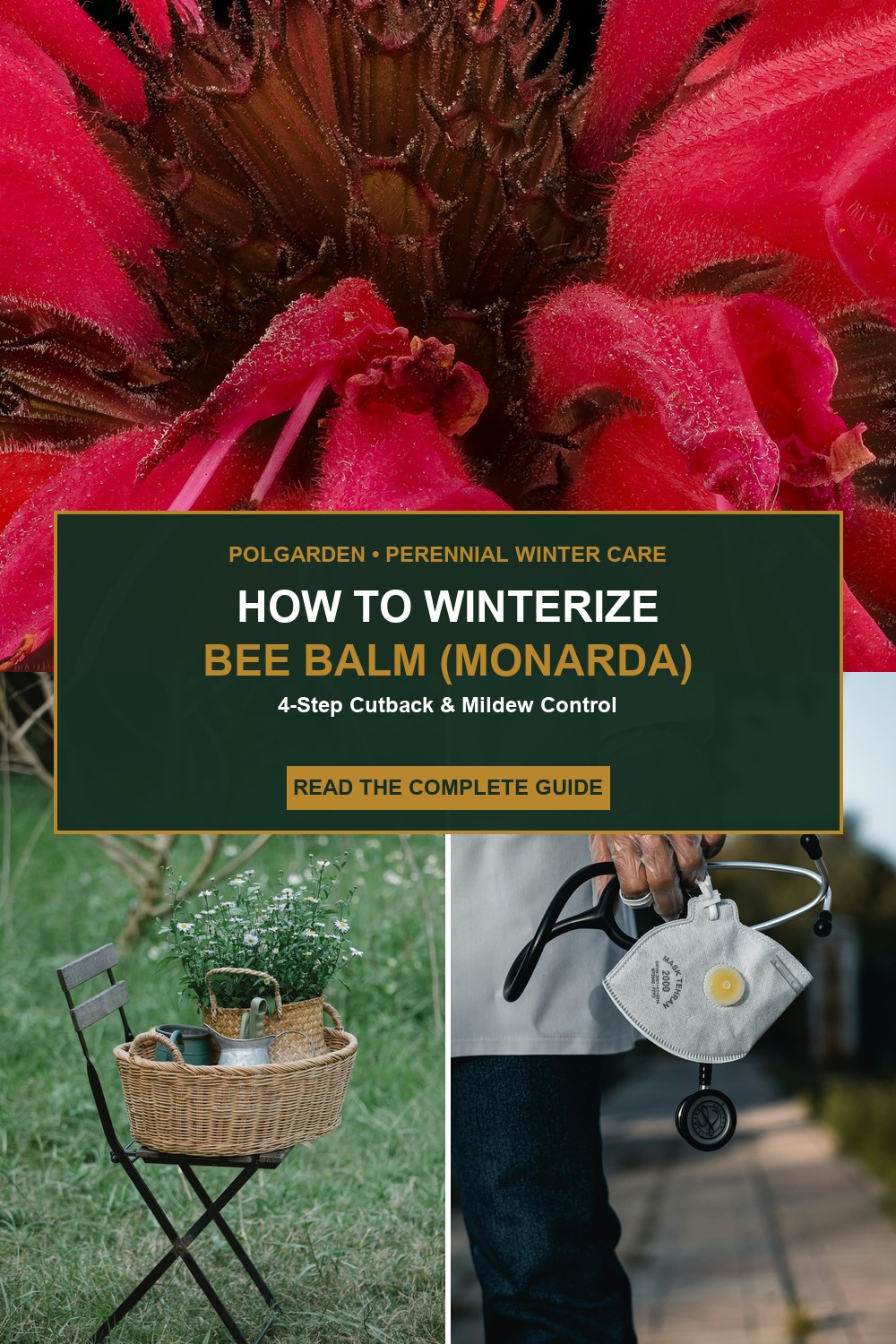
Famous for their electrifying fireworks of whorled crimson, lavender, and scarlet petals, bee balm (Monarda didyma and M. fistulosa) stands as the undisputed crown jewel of pollinator and cottage borders. Yet, as autumn winds whistle and the first frosts arrive, this beloved member of the mint family (Lamiaceae) reveals its notorious seasonal Achilles’ heel: rampant powdery mildew and fragile surface stolons. While bee balm is exceptionally cold-hardy down to USDA Zone 3 (-40°F), leaving dead, mildew-encrusted stems standing over the winter creates a biological reservoir for fungal fruiting bodies (cleistothecia). When spring rains arrive, millions of dormant fungal spores splash upward to infect tender new shoots before flower buds can even form. Concurrently, Monarda spreads via shallow, horizontal underground runners that sit just beneath the soil surface, making them acutely vulnerable to winter frost heave and desiccating winds. Learning how to winterize bee balm through ground-level autumn sanitizing cuts, deep root zone hydration, and high-drainage breathable mulching is the definitive formula for vibrant, disease-free foliage and dazzling summer blooms.
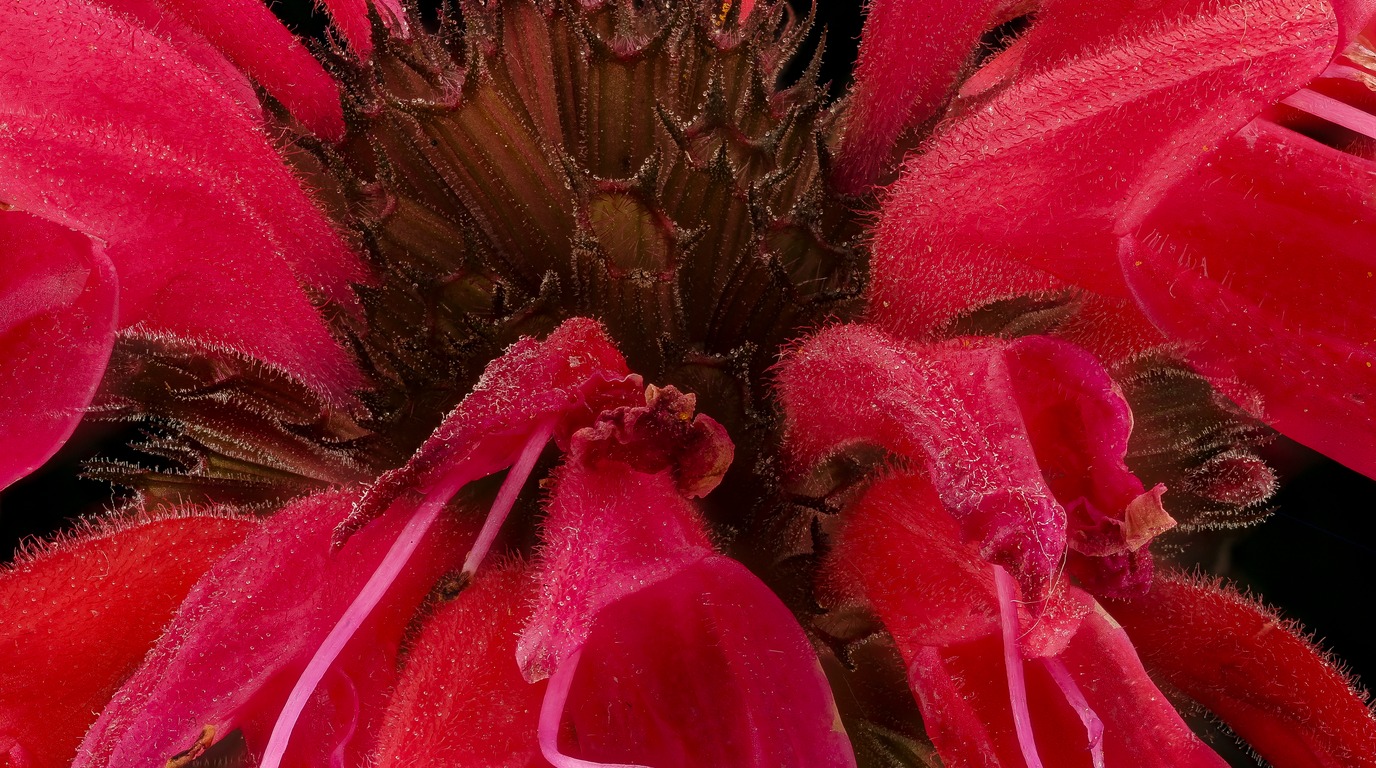
Unlike taproot perennials such as deep-rooted lupines or taprooted columbines, bee balm produces a network of sprawling, shallow fibrous roots and surface runners. This growth habit makes established clumps remarkably rapid spreaders, but it also means the oldest central stems inevitably die out while the active vigor moves outward into a ring. By timing your fall maintenance routine to coincide with full biological dormancy—just like our protocols for hardy cranesbill geraniums and winterizing perennial salvia—you will eradicate fungal blight, protect shallow runner eyes from frost heave, and ensure explosive, bushy growth in spring.
Why You’ll Love This Bee Balm Winterization Blueprint
- Powdery Mildew Eradication: Strips away fungal spores and mildewed foliage before they can hibernate in wet autumn leaf mulch.
- Frost Heave Protection: Insulates shallow stolons and creeping runners against destructive late-winter freeze-thaw soil upheaval.
- Spring Clump Rejuvenation: Eliminates woody, hollow stem centers, clearing the floor for hundreds of fresh, vigorous basal shoots.
- Pollinator Paradise Guarantee: Ensures sturdy, rot-free crowns that produce maximum nectar-rich flower heads for hummingbirds and bumblebees.
Key Tools & Autumn Supplies

- Bypass Hand Pruners: Precision scissor blades deliver clean cuts flush to the ground without pulling or ripping shallow surface runners. Sanitize blades with 70% isopropyl alcohol between clumps.
- Pine Straw or Airy Shredded Bark: Lightweight, acid-tolerant organic mulch that insulates the root zone without trapping suffocating winter moisture.
- Evergreen Spruce Boughs: Excellent for severe northern zones (USDA 3–5) to hold a natural, insulating blanket of protective snow over shallow rhizomes.
- Heavy Yard Waste Bags: Crucial for bagging and throwing away mildew-infected Monarda foliage in municipal waste—never into your home compost pile!
The 4-Step Bee Balm Fall Winterization Walkthrough
Step 1: Wait for Frost, Then Cut Down to Ground Level
Allow your bee balm to endure the first 1 to 2 hard frosts in late October or November. Freezing temperatures trigger the plant to pull chlorophyll and starches from the stems down into the underground stolons. Once the foliage blackens or collapses, shear back all stems down to 1 to 2 inches above soil level. While leaving seedheads for winter birds is great for coneflowers and black-eyed susans, bee balm is so universally susceptible to powdery mildew (*Erysiphe*) that an aggressive autumn ground cutback is essential for the health of your garden.

Step 2: Bag & Discard All Infected Debris (Strict Sanitation)
Never leave cut bee balm stems or fallen leaves lying on the soil as mulch. Powdery mildew spores, rust fungi, and overwintering garden insect eggs nestle in dry, hollow Monarda stems throughout the winter. Rake the soil surface clean around the crown perimeter. Bag all clipped debris and dispose of it in the trash. Never compost mildew-covered bee balm leaves, as standard home compost piles rarely generate enough internal heat to neutralize resistant fungal spores.
Step 3: Deep Root Hydration Before Freezing
Desiccation during frozen winter spells is a primary cause of shallow-rooted perennial loss. Because bee balm runners spread just under the surface, dry winter winds quickly sap moisture from root tissue. Approximately 48 hours prior to your region’s first deep, sustained ground freeze, irrigate the entire planting area thoroughly. Deeply saturated soil retains geothermal warmth significantly longer than bone-dry earth, creating a thermal barrier that protects dormant runners.
Step 4: Apply the Breathable “Donut” Mulch Blanket
Shallow bee balm stolons are prone to frost heaving in clay soils when daytime sun alternates with freezing nights. Spread a 2- to 3-inch layer of pine straw, coarse shredded hardwood, or airy clean straw across the root zone. Crucial technique: Keep the mulch pulled back 1 to 2 inches away from the center of the crown stubs. This donut shape protects the creeping peripheral runners while ensuring fresh airflow reaches the center crown to prevent soggy winter rot.
3 Expert Secrets for Flawless Bee Balm Wintering
1. Never Compost Mildewed Stems: Powdery mildew spores (*cleistothecia*) possess thick protective walls engineered to endure -40°F temperatures. Composting infected Monarda stems guarantees that you will spread the fungal disease across your entire garden bed when you apply compost next spring. Bag it and bin it!
2. Manage the “Dead Center” Phenomenon: Bee balm grows centrifugally, meaning clumps expand outward while the original 3-year-old center stems turn woody, hollow, and die. If your clump developed a hollow doughnut center this past summer, mark it now; in early spring, dig up the clump, discard the dead center plug, and replant the vigorous outer runners.
3. Ensure Winter Drainage: Bee balm loves consistent moisture during the heat of summer, but it despises standing in stagnant icy sludge during winter. If your soil is heavy clay, plant on slightly raised berms or amend with pea gravel and leaf mold to encourage swift drainage.
Autumn Garden Bed Pairings & Companion Care

- Pollinator Border Companions: Pair your winterized bee balm alongside purple coneflowers and black-eyed susans, balancing bird-friendly seedheads with clean-cut Monarda sanitation.
- Cottage Floral Contrasts: Clustered near summer garden phlox and hardy cranesbill geraniums, bee balm benefits from matching late-autumn cutbacks that keep fungal mildew in check across the entire bed.
- Spike & Upright Neighbors: Combine with perennial salvia and towering lupines for shared moisture requirements and cold-hardiness thresholds.
Spring Re-Emergence: Waking Up Your Bee Balm
- Early Spring Uncovering: When consistent daytime temperatures reach 45°F to 50°F (7°C to 10°C) in March or April, gently rake away the winter mulch from the crowns to let sunlight warm the shallow runner nodes.
- Clump Division & Thinning: Spring is the ideal time to thin dense Monarda patches. Thinning out one-third of the emerging stems promotes superior air circulation, which is your best natural defense against summer mildew.
- Balanced Organic Feeding: Side-dress emerging shoots with a 1-inch layer of rich organic compost. Avoid high-nitrogen chemical fertilizers, which stimulate lush, sappy growth that is highly vulnerable to powdery mildew.
Bee Balm Winterization At-A-Glance
| Winterization Factor | Recommended Fall Protocol | Common Mistake to Avoid |
|---|---|---|
| Cutback Timing | After 1-2 hard frosts kill foliage | Pruning in early summer or mid-bloom |
| Cutback Height | 1 to 2 inches above ground level | Leaving tall mildewed stems standing |
| Sanitation Rule | Bag and trash all foliage & stems | Adding infected stems to home compost |
| Mulch Type | Pine straw or shredded bark (2-3″) | Heavy wet leaves packing down the crown |
| Cold Hardiness | USDA Zones 3–9 (Hardy down to -40°F) | Digging up for indoor heated storage |
Frequently Asked Questions
Should I cut back bee balm in the fall or wait until spring?
Cutting back bee balm in late autumn is strongly advised. Because Monarda is exceptionally prone to powdery mildew and fungal leaf rust, leaving infected stems standing over winter creates a fungal breeding ground that reinfects new spring shoots. Cut stems down to 1-2 inches after the first hard freeze and discard all debris in the trash.
Do birds eat bee balm seedheads during the winter?
While finches and sparrows will occasionally nibble on Monarda seedheads, the high risk of overwintering powdery mildew spores and fungal blight far outweighs the benefits. If you wish to feed winter birds, leave robust, disease-free seedheads on coneflowers and black-eyed susans instead.
How cold-hardy is bee balm during freezing winters?
Bee balm is an extremely tough, native North American perennial that easily survives sub-zero temperatures down to USDA Zone 3 (-40°F / -40°C). Its horizontal rhizomes remain safely dormant underground, provided the soil drains freely and does not turn into standing winter ice.
Pin This Bee Balm Winterizing Guide for Later
Planning your autumn garden cleanup? Save this pin to your Pinterest gardening board so you have these step-by-step mildew eradication, cutback, and crown protection tips ready whenever cold weather arrives!