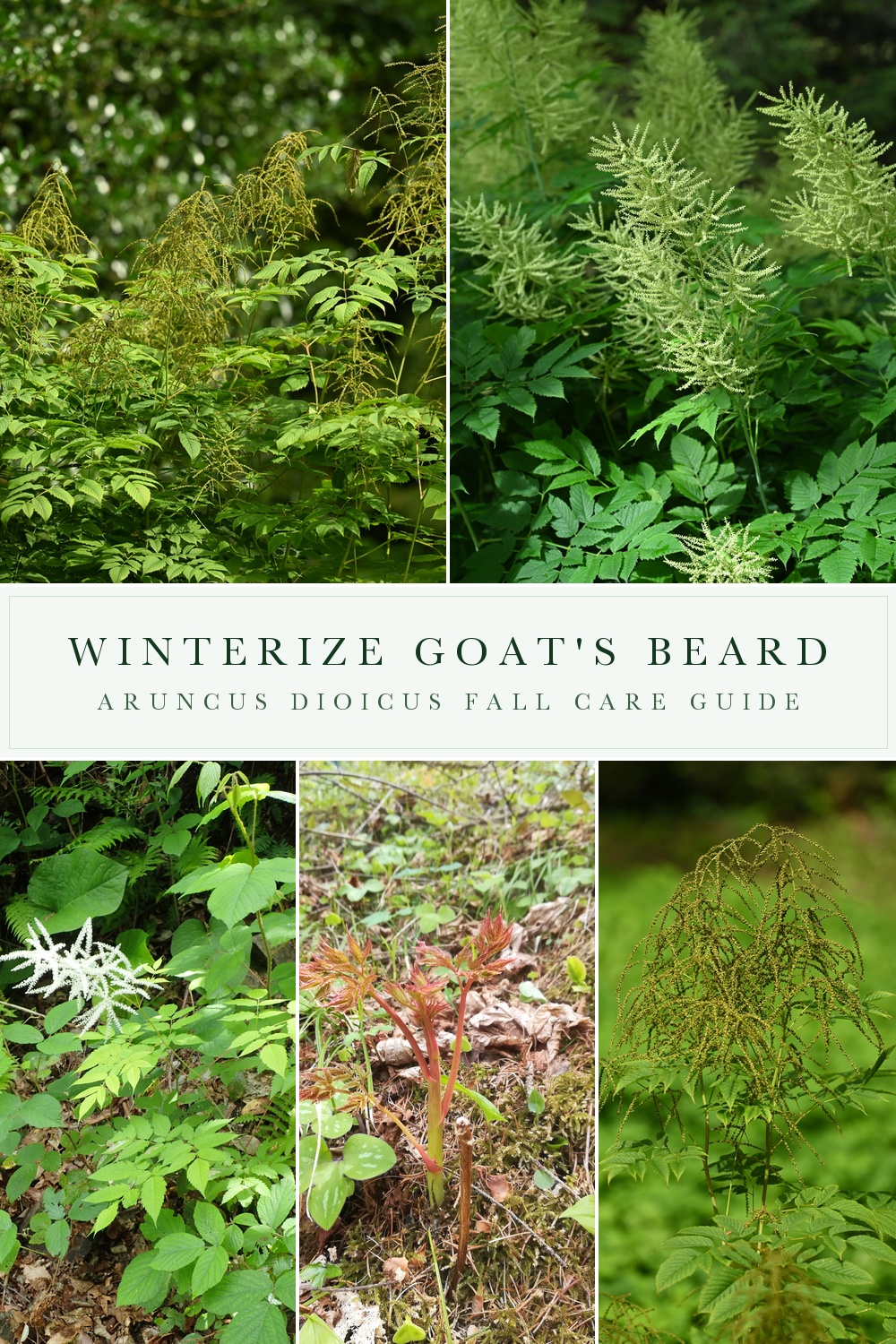
Few woodland perennials achieve the architectural stature and ethereal elegance of Goat’s Beard (Aruncus dioicus). Frequently likened to a gigantic astilbe, this magnificent native perennial erupts in early summer with voluminous, creamy-white feathery plumes that billow up to six feet high above deeply divided, fern-like foliage. As autumn settles across the garden, those luminous plumes transition into rich shades of caramel and bronze, presenting gardeners with an essential seasonal decision: should you prune spent stalks down to the ground before winter blizzards arrive, or preserve the russet seed heads for cold-season texture and songbird foraging?
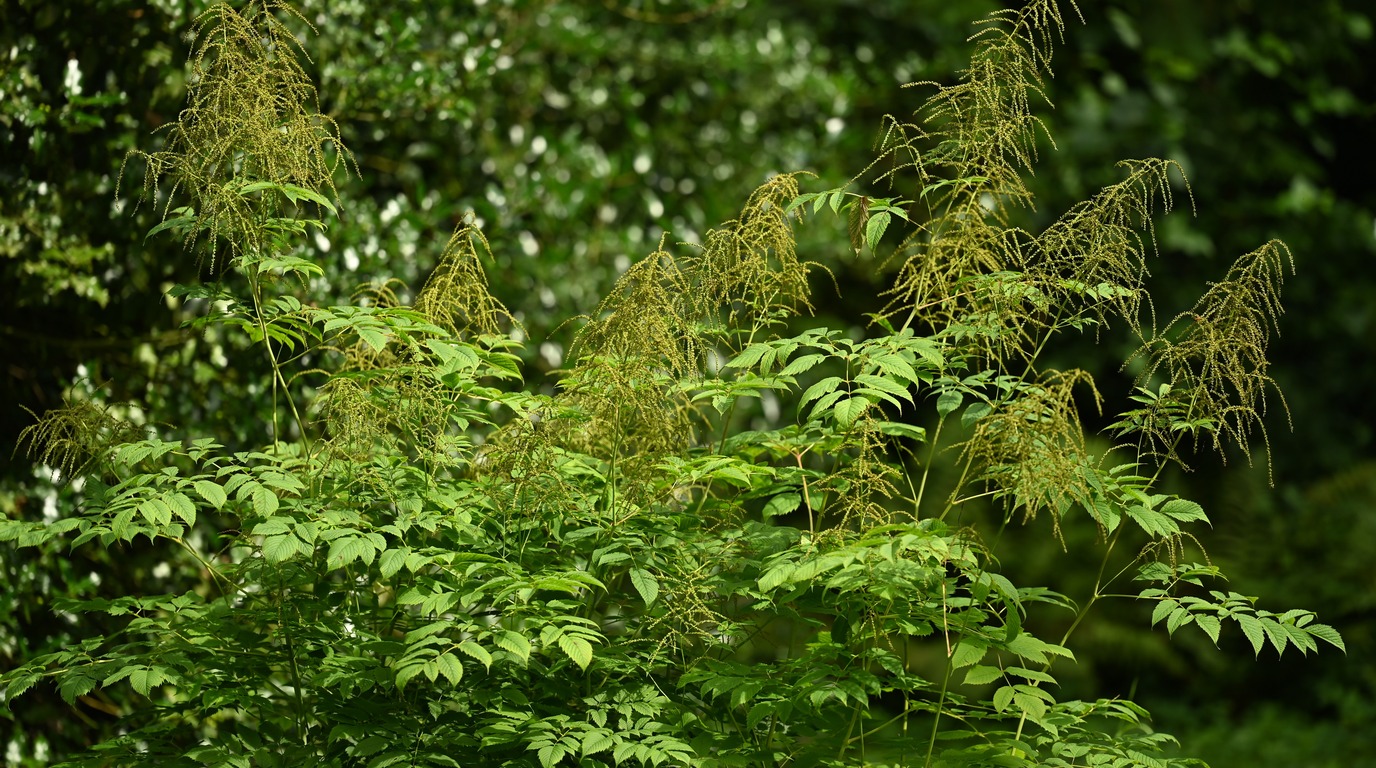
Indigenous to moist mountain woods, ravines, and stream sides across North America, Europe, and temperate Asia, Aruncus dioicus is rock-hardy throughout USDA Hardiness Zones 3 through 7. Below ground, established plants develop an immense, woody root crown anchored by deeply penetrating taproots that easily shrug off sub-zero winter chills. Because goat’s beard is a dioecious species—producing separate male and female plants—fall maintenance varies slightly depending on whether your specimen bears fluffy, pollen-rich plumes or heavy, seed-laden capsules. Balancing winter aesthetic appeal against the threat of heavy snow crushing mature woody crowns ensures your specimen emerges with explosive vigor come spring.
Why You’ll Love This Winter Care Routine
- Time / Speed: Requires only 15 to 20 minutes of straightforward maintenance once hard killing frosts arrive in late autumn.
- Crown Structure Protection: Prevents wet, heavy snowpack from snapping brittle woody stems right at the subterranean root collar.
- Pest & Disease Suppression: Removing dead hollow stems denies overwintering stem borers and leaf-blight pathogens an inviting winter refuge.
- Explosive Spring Canopy Growth: Clearing away dense autumn debris allows muscular crimson spring shoots to rise uninhibited in early April.
Key Supplies & Seasonal Timing

- Heavy-Duty Bypass Loppers: Mature goat’s beard stems become surprisingly woody and tough; long-handled loppers make quick work of fibrous 1-inch stalks.
- Coarse Shredded Bark or Leaf Mold: An airy 2-to-3-inch organic layer buffers shallow surface root nodes while shedding excessive freezing rain.
- Organic Jute Twine: Helpful for bundling standing stems together if you choose to preserve plumes for mid-winter bird feeding.
- Rich Aged Compost: A light 1-inch autumn top-dressing nourishes dormant root plates through slow microbial breakdown.
Step-by-Step Goat’s Beard Winterizing Walkthrough
1. Late Autumn Deep Hydration: Even though mature goat’s beard exhibits strong drought tolerance once established, prolonged autumn dry spells leave woody crowns vulnerable to dry winter freeze-burn. Deliver a slow, deep soaking around the entire drip line in late October before your region’s subsoil freezes solid. Moist soil retains geothermal heat far longer than parched ground, shielding the thick root plate.
2. The Plume Dilemma (Fall Cutback vs. Winter Retention): If you live in an area with mild winters or light, powdery snow, you can leave the caramel-colored seed plumes standing through December to catch frost crystals and feed winter finches. However, in regions prone to heavy, wet blizzards or ice storms, leaving the massive top-heavy canopy standing invites disaster: heavy ice bends and tears the woody crowns at ground level, creating wounds that invite winter rot. In snowy climates, autumn shearing is strongly recommended.

3. Cut Woody Stems Cleanly to 3–4 Inches: After the first hard freeze turns the dense foliage yellow and bronze, use bypass loppers to cut all stalks down to 3 or 4 inches above the soil line. Leaving a short stub prevents surface moisture from entering directly into dormant crown nodes and provides an unmistakable marker indicating where new spring shoots will emerge.
4. Apply an Insulating Protective Mulch Blanket: Spread a 2- to 3-inch layer of shredded pine bark, leaf mold, or compost across the root zone. Taper the mulch layer slightly so it does not mound deeply over the central stem stubs, ensuring ample air circulation while insulating the peripheral root system against destructive frost heave.
3 Horticultural Secrets for Colossal Spring Plumes
1. Respect the Deep Taproot (Avoid Fall Division): Unlike fibrous perennials that divide effortlessly, mature goat’s beard forms a massive, almost impenetrable woody root system with deep taproots that detest disturbance. Dividing established specimens often causes severe shock and set-backs lasting two to three seasons. If division is unavoidable, perform it in very early spring just as red buds swell, rather than in autumn.
2. Manage Winter Moisture in Heavy Clay: While Aruncus craves moist woodland soils throughout summer heat, stagnant, frozen puddles in winter can suffocate dormant root plates. If your garden features heavy clay, amend planting zones with coarse organic compost or plant on subtle mounds where excess winter runoff drains away naturally.
3. Early Spring Composting: Because goat’s beard grows into a shrub-sized perennial in a single season, it requires substantial nutritional fuel. Top-dress the dormant crown with 1 inch of rich organic compost in early April as snow recedes, allowing spring rains to carry vital micronutrients directly to the awakening root system.
What to Pair With Goat’s Beard in Winter Borders

- Dramatic Late-Season Spikes: Position alongside late-blooming monkshood (Aconitum), creating a breathtaking autumn backdrop of deep blue spires against russet plumes before seasonal shearing.
- Bold Architectural Foliage: Underplant near broad-leafed leopard plant (Ligularia) and arching Solomon’s seal (Polygonatum) to establish layered woodland borders that die back harmoniously.
- Ground-Covering Carpets: Weave around semi-evergreen barrenwort (Epimedium) and velvety lady’s mantle (Alchemilla mollis) to protect garden soil from winter erosion.
- Feathery Plume Echoes: Group with moisture-loving astilbes, which share the exact same soil and autumn cutback schedules.
Winter Monitoring, Cold Hardiness & Spring Care
- Sub-Zero Resilience: Fully established Aruncus dioicus handles temperatures down to -40°F (-40°C) across USDA Zone 3 with zero winter protection needed once properly mulched.
- Overwintering Dwarf Types in Pots: If growing dwarf Korean goat’s beard (Aruncus aethusifolius) in patio containers, sink the pots into garden soil or move them to an unheated garage to prevent root ball freeze-thaw cycles.
- Deer & Rabbit Resistance: Thanks to its fibrous stems and unpalatable leaf chemistry, goat’s beard is rarely browsed by deer or rabbits during autumn or winter dormancy.
- Spring Unveiling: In mid-April as soil temperatures warm, gently rake away excess mulch from around the short stem stubs to let sunlight stimulate robust new red and purple growth shoots.
Frequently Asked Questions
Can I leave goat’s beard plumes standing all winter?
Yes, but only in regions with mild winters or light snowfall. In areas that experience heavy, wet snow or severe freezing rain, tall standing stalks easily snap, tearing the crown tissue at ground level. In cold northern climates, cutting stems back to 3 inches in late autumn is much safer.
How do male and female goat’s beard plants differ in autumn?
Male plants produce creamy-white, exceptionally fluffy floral plumes that drop flowers cleanly in mid-summer, leaving bare stems. Female plants produce denser, greenish-white plumes that form clusters of warm brown seed pods in autumn, offering longer-lasting visual interest.
How hard is it to divide goat’s beard in fall?
It is exceedingly difficult. Mature goat’s beard forms an immense, woody, almost rock-hard root crown with deep taproots that require a sharp saw or axe to divide. Because division causes severe root shock, it is best performed in very early spring only when strictly necessary.
Do deer eat goat’s beard in late season?
No. Goat’s beard is virtually deer-proof and rabbit-resistant throughout the entire growing season and into winter dormancy, making it an ideal anchor perennial for unfenced woodland gardens.
Save This Goat’s Beard Winter Guide
Loved this Goat’s Beard winterizing guide? Save this pin to your Pinterest shade gardening and perennial care boards so you have these essential pruning and crown mulching tips ready every autumn!