
Epimedium—affectionately known to woodland gardeners as barrenwort, bishop’s hat, or fairy wings—ranks among the toughest, most graceful perennial groundcovers in cultivation. Thriving beneath dense tree canopies and enduring dry shade where lesser perennials perish, these resilient plants produce leathery, heart-shaped leaves that often persist with rich copper and bronze hues well into December. However, preparing epimediums for harsh freezing temperatures requires understanding their unique semi-evergreen biology: cutting them back at the wrong time can destroy nascent flower buds, while neglecting crown protection can leave vulnerable root collars exposed to deadly frost heaving.
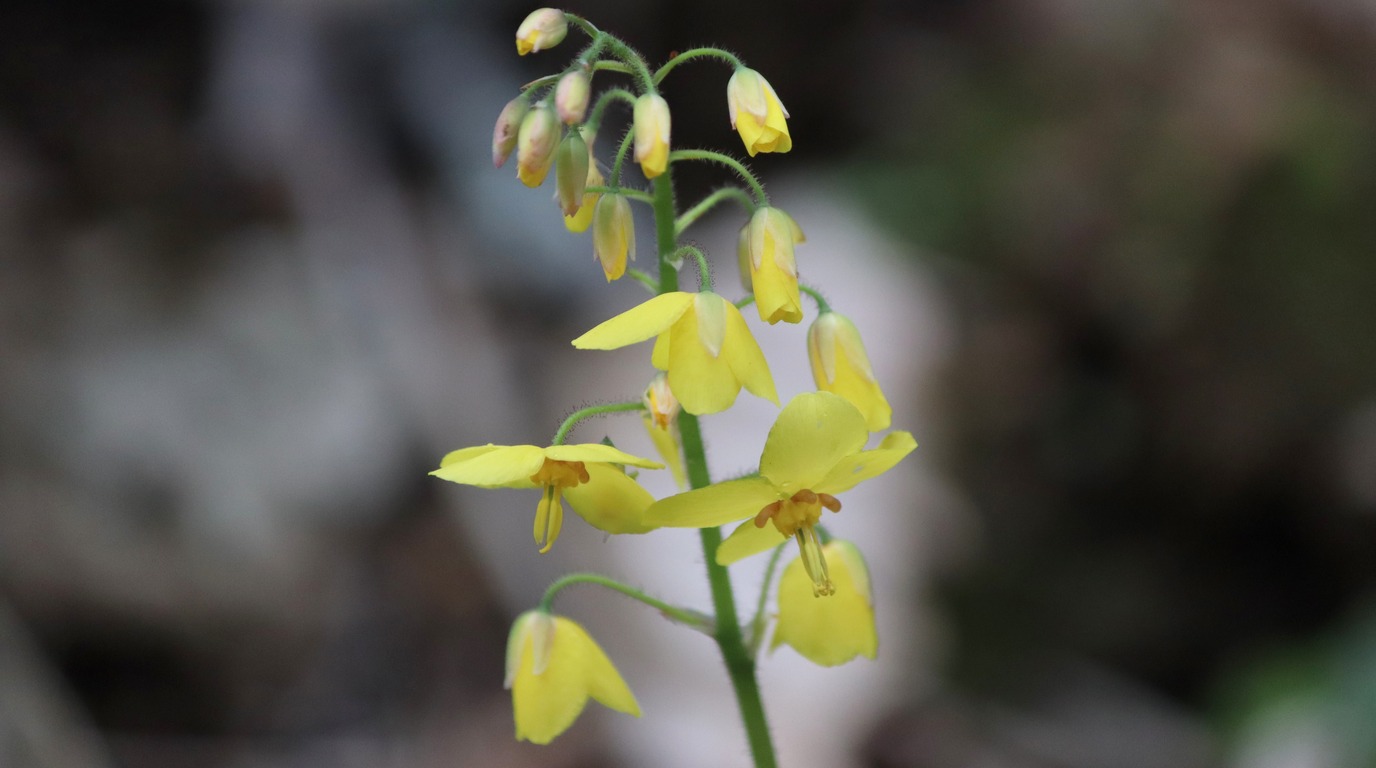
Unlike herbaceous perennials such as hostas or bleeding hearts whose leafy top growth melts completely away after the first autumn freeze, epimediums retain their foliage throughout much of the winter in USDA Hardiness Zones 5 through 8. Their wiry rhizomes crawl just beneath the soil line, knitting together a dense subterranean mat that anchors soil against erosion. To guarantee a dazzling sea of delicate, spider-like blossoms come early April, autumn garden maintenance must balance leaf retention for crown insulation with strategic winter mulching and timed late-season shearing.
Why You’ll Love This Winter Care Routine
- Time / Speed: Requires less than 15 minutes per established bed in autumn, deferring the primary trimming chore until late winter before new shoots emerge.
- Crown Health / Disease Prevention: Prevents rhizome desiccation from dry winter gales and eliminates overwintering fungal spores beneath soggy leaf carpets.
- Spring Bloom Visibility: Clears the stage so exquisite, miniature fairy wings blossoms rise unobstructed above bare soil rather than tangling in tattered winter debris.
- Effortless Naturalizing: Protects shallow rooting nodes from freeze-thaw cycles, encouraging robust rhizomatous expansion each consecutive season.
Key Supplies & Seasonal Timing

- Sharp Bypass Hand Shears: Precision secateurs ensure clean snips through wiry, fibrous stems without tearing or loosening shallow rhizomes.
- Coarse Shredded Bark or Leaf Mold: An airy, 2-inch layer insulates root collars while shedding excessive standing winter moisture.
- Evergreen Boughs or Horticultural Fleece: Essential windward protection for harsh Zone 4 climates or newly planted first-year specimens.
- Balanced Organic Compost: A light autumn top-dressing nourishes dormant crowns without stimulating frost-tender late-season foliage.
Step-by-Step Epimedium Winterizing Walkthrough
1. Late Autumn Deep Hydration: Even though barrenwort is celebrated for exceptional dry-shade tolerance, plants entering winter with dehydrated root tissues are dramatically more prone to winterkill. Once deciduous tree leaves fall in mid-to-late October, deliver a slow, thorough soaking around the root zones of your epimedium drifts. Moisture-laden soil holds ambient ground warmth significantly longer than bone-dry dirt, protecting sensitive rhizomes against sudden sub-freezing snaps.
2. Clear Heavy Tree Litter: While epimediums naturally inhabit forest floors, thick layers of matted maple or oak leaves create a soggy, airless blanket that promotes fungal crown rot during winter thaws. Gently rake or hand-gather fallen tree foliage off the plants, moving it to the compost pile or shredding it finely before reuse.

3. The Semi-Evergreen Foliage Decision (Keep Foliage in Fall!): The single most common mistake gardeners make is cutting epimedium foliage down to ground level in October. In cold northern climates, those tough leathery leaves act as nature’s built-in thermal shield, catching insulating snow and sheltering emerging crown buds from desiccating winter winds. Leave the foliage intact throughout late autumn and early winter.
4. Apply an Airy Insulating Mulch Ring: Scatter 2 to 3 inches of pine bark mini-nuggets, compost, or well-rotted leaf mold around the periphery of each clump. Taper the mulch layer so it does not mound directly atop the central growing crowns, which allows breathing room while buffering shallow rhizomes against frost heaving.
3 Horticultural Secrets for Perfect Spring Epimediums
1. The Critical Late Winter Shearing Window: The true secret to show-stopping barrenwort blossoms lies in late winter timing. Between late February and mid-March—just as snow retreats but before floral scapes poke above soil level—cut the entire mass of old, winter-burned foliage down to 1 inch above the ground using clean shears or hedge clippers. If you wait until green shoots appear, it becomes virtually impossible to remove old foliage without decapitating delicate spring flower buds.
2. Distinguish Evergreen from Deciduous Cultivars: Epimedium species fall into two distinct groups. Deciduous types (such as Epimedium grandiflorum and Epimedium koreanum) drop their leaves naturally after heavy frosts and appreciate quick tidy-ups. Evergreen or semi-evergreen varieties (such as Epimedium perralderianum, Epimedium pinnatum, and hybrid Epimedium × versicolor) hold foliage all winter and demand the late-winter haircut.
3. Protect First-Year Divisions from Frost Heaving: Newly divided epimediums have shallow root holds that easily pop out of frozen ground during repetitive freeze-thaw cycles. Anchor new divisions by placing evergreen boughs over the crowns in late November to stabilize soil temperatures and prevent heaving.
What to Pair With Epimedium in Winter Borders

- Silver & Spotted Shade Foliage: Plant alongside Siberian bugloss (Brunnera macrophylla) and silver-speckled lungwort (Pulmonaria) for complementary woodland textures that wake up together in early spring.
- Velvety Groundcover Partners: Combine with scalloped lady’s mantle (Alchemilla mollis) along shaded walkway edges where dew drops glisten on contrasting leaf forms.
- Winter-Blooming Royalty: Interplant with hardy hellebores (Lenten roses) and miniature spring bulbs like snowdrops and cyclamen for overlapping late-winter floral displays.
- Architectural Ferns: Weave amongst Japanese painted ferns to establish rich, pest-resistant layers under specimen shrubs.
Winter Monitoring, Cold Hardiness & Spring Care
- Hardiness Zone Thresholds: Most epimedium hybrids thrive across USDA Zones 5 to 8, with varieties like Epimedium alpinum enduring Zone 4 if shielded by reliable snow cover or boughs.
- Potted Specimen Overwintering: Containers left exposed to freezing winds will suffer root death around 20°F (-6°C). Move potted epimediums into an unheated garage, shed, or sink pots directly into an empty garden trench before mulching heavily.
- Deer & Rabbit Resistance: Epimedium leaves contain mild alkaloids that deter deer, rabbits, and voles even when other winter garden greenery suffers browsing damage.
- Early Spring Feeding: Once old foliage is cleared in early March, top-dress beds with 1/2 inch of aged organic compost and slow-release organic fertilizer to fuel vigorous new flowering scapes.
Frequently Asked Questions
Should I cut back epimediums in the fall or wait until late winter?
Always wait until late winter (typically late February to early March). Leaving foliage through autumn protects crowns against frost heaving and biting winds. Trimming them just before spring flower buds emerge ensures fresh blooms appear clean and visible without competition from tatty old leaves.
Are all epimediums evergreen through freezing weather?
No. Some varieties, like Epimedium grandiflorum, are fully deciduous and drop leaves after freezing temperatures arrive. Others, including Epimedium × perralchicum, Epimedium pubigerum, and Epimedium × warleyense, remain semi-evergreen, holding foliage until sheared in late winter.
What happens if I miss the late winter pruning window?
If new flower buds have already poked through the soil line, avoid using large shears or hedge trimmers. Carefully hand-prune only the most damaged outer leaves using precision bypass secateurs to avoid snipping off the tender flower stalks.
How drought-tolerant are epimediums during dry winter cold?
While established epimediums tolerate summer dry shade admirably, prolonged winter drought coupled with frozen ground causes foliage desiccation. A deep watering in late October before the ground freezes solid gives root rhizomes sufficient hydration to endure winter stress.
Save This Epimedium Winter Guide
Loved this Barrenwort winterizing guide? Save this pin to your Pinterest shade gardening and perennial care boards so you never miss the critical spring shearing window!