
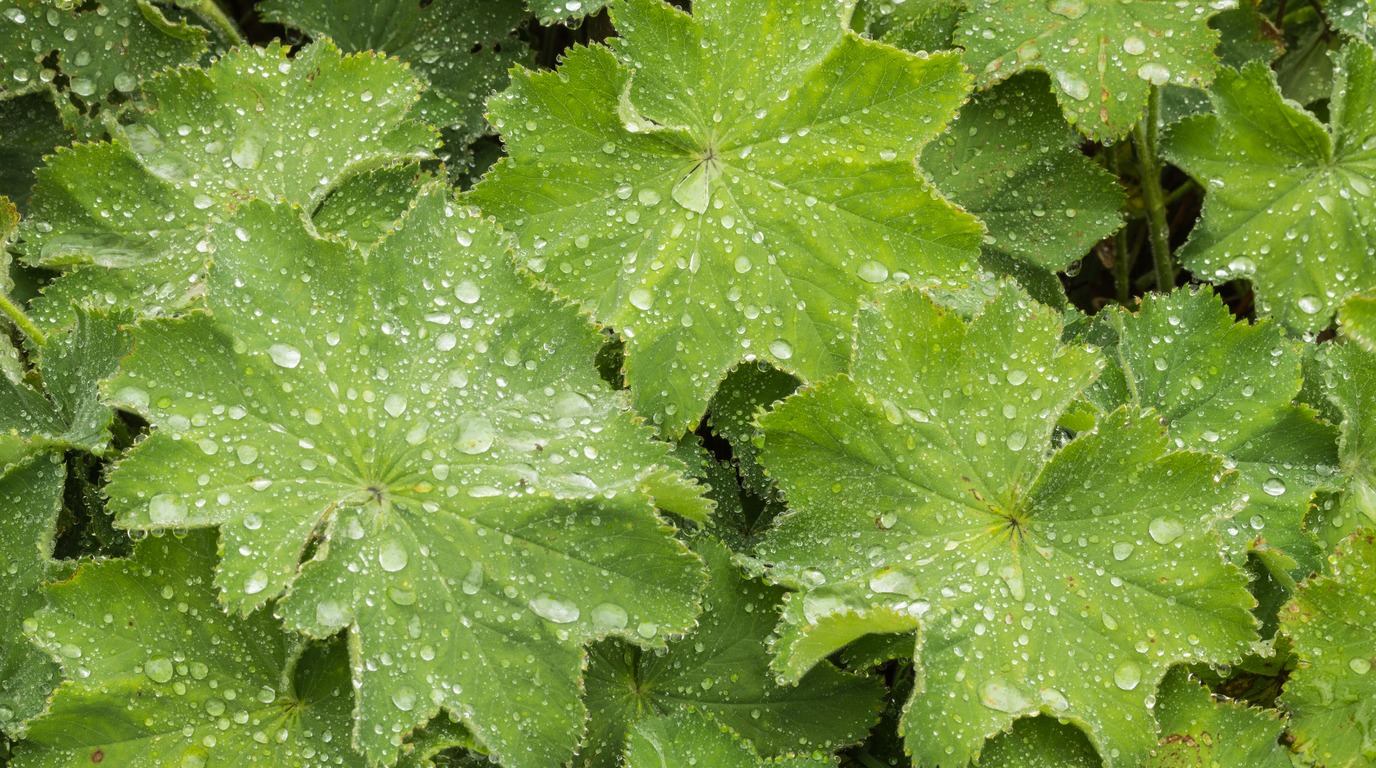
Gracing cottage garden pathways and shaded perennial borders with scalloped, velvety emerald leaves that bead morning dew and autumn raindrops into shimmering liquid pearls, Alchemilla mollis—treasured by garden designers worldwide as Lady’s Mantle—is one of the most romantic, hardworking groundcovers in temperate landscaping. Throughout late spring and summer, it billows with airy, chartreuse clouds of lime-yellow blossoms that soften garden edges. Yet, as autumn winds strip the tree canopy and heavy frost turns outer leaves into tattered parchment, gardeners face a pivotal dilemma: should you shear Lady’s Mantle down to bare ground before winter, or leave its dense foliage cushion to weather the cold? Knowing how to winterize Lady’s Mantle protects its elevated central woody crown from fatal winter rot, prevents frost heaving, and ensures a lush, luminous eruption of foliage come spring.
Native to the mountain pastures, stream banks, and subalpine meadows of Eastern Europe and the Caucasus, Alchemilla mollis possesses remarkable natural cold hardiness, easily surviving across USDA Hardiness Zones 3 through 8 and withstanding freezing temperatures down to -40°F (-40°C). However, cold tolerance in well-draining alpine scree does not guarantee survival in heavy garden clay. Lady’s Mantle grows from a thick, semi-woody rootstock that elevates its central growing point just above the soil level. In poorly drained soils or beneath suffocating mats of soggy, unchopped tree leaves, this dormant crown becomes highly vulnerable to fungal crown rot and slug devastation. By establishing a balanced autumn routine—removing spent outer leaves while leaving protective basal rosettes and applying breathable perimeter mulch—you will keep your plants thriving year after year.
Why Lady’s Mantle Remains an Essential Garden Classic
- Mesmerizing Hydrophobic Foliage: Microscopic hairs across each fan-shaped leaf create superhydrophobic surface tension, causing dew, rain, and frost to gather into glowing crystalline spheres.
- Invaluable Frothy Floral Clouds: Luminous sprays of lime-chartreuse blossoms bridge color transitions in borders alongside other flowering plants for year-round color.
- Weed-Suppressing Groundcover Habit: Dense, overlapping basal foliage blankets soil along walkway edges, preventing weeds and cooling root zones of taller perennials.
- Effortless Sub-Zero Cold Resilience: Extremely winter hardy down to USDA Zone 3, reliably awakening in early spring without requiring heated shelters or elaborate covers.
Key Winterizing Supplies & Mulch Smart Swaps

- Sharp Bypass Hand Shears: Sanitized bypass snips ensure clean cuts on fibrous leaf stems without bruising or tearing the central woody rootstock.
- Airy Shredded Pine Bark or Pine Straw: Swap heavy, moisture-trapping whole deciduous leaves for breathable pine needles or coarse bark that allows oxygen flow around the crown.
- Coarse Pea Gravel or Horticultural Grit: An ideal mineral collar for heavy clay borders, keeping wet soil away from the crown while preventing winter slug access.
- Winterizing Reminder (No Late Fall Root Disturbance!): Never attempt to divide or transplant mature Lady’s Mantle in late autumn; newly severed roots cannot knit in cold soil and will succumb to winter rot.
Step-by-Step Autumn & Winter Care Walkthrough for Lady’s Mantle
1. Clear Heavy Tree Leaf Blankets from the Crown: When large maple or oak leaves drop in late autumn, they form soggy, airless sheets over low-growing Alchemilla mounds. If left over winter, this wet mat traps stagnant moisture directly against the crown, leading to lethal fungal rot. Gently rake or hand-clear fallen tree litter away from the plant’s center.
2. Perform the “Selective Outer Cutback”: Unlike herbaceous perennials that die down completely, Lady’s Mantle retains a semi-evergreen core. After the first moderate frost, prune away only the ragged, yellowed, or mildewed outer foliage down to 1 inch above soil level. Leave the compact, healthy inner green leaves in place: they serve as a living thermal blanket protecting the central crown, mirroring care rules in how to winterize Brunnera.

3. Hydrate Thoroughly Prior to Ground Freeze: In mid-to-late autumn before the top six inches of topsoil freeze solid, give your Lady’s Mantle a deep, gentle watering. Desiccation from dry winter winds causes far more winter damage to semi-evergreen perennials than cold temperatures alone, a critical factor also emphasized in how to winterize Geum.
4. Apply an Airy “Doughnut” Mulch Collar: Once the soil surface freezes lightly, spread a 2- to 3-inch layer of shredded bark mulch or pine needles around the root zone out to the drip line. Keep mulch at least 2 inches away from the central woody crown: burying the crown under damp organic mulch invites winter decay, similar to techniques in how to winterize Pulmonaria.
3 Master Horticulturist Secrets for Flawless Lady’s Mantle Wintering
1. Deadhead in Late Summer to Prevent Self-Seeding: While leaving dried seed heads into winter can provide subtle garden texture, Lady’s Mantle is a notoriously enthusiastic self-seeder. If you prefer to keep your plantings tidy and contained, shear off the spent chartreuse flower stems in late summer or early autumn before seed capsules shatter across the border.
2. Counteract Frost Heaving with Pea Gravel: Because Alchemilla mollis forms shallow, woody crowns that sit slightly above soil level, freeze-thaw cycles in clay soil can push roots out of the ground. In regions with fluctuating winter weather, surround the base of the crown with a 1-inch ring of coarse pea gravel: it weighs down the rootstock while providing instant drainage against snowmelt.
3. Never Smother the Crown with Wet Leaf Compost: The number one cause of winter mortality in Lady’s Mantle is moisture stagnation. While roots love consistent moisture during active summer growth, dormant winter crowns demand excellent oxygen flow. Keep heavy compost away from the plant’s center until early spring growth resumes, as detailed in how to winterize Astilbe.
What to Pair with Lady’s Mantle in Autumn & Winter Borders

- Siberian Bugloss (Brunnera macrophylla): Silver heart-shaped leaves of Brunnera create striking contrast with the velvety scalloped foliage of Lady’s Mantle, cared for under how to winterize Brunnera.
- Coral Bells (Heuchera): Rich plum, burgundy, and caramel rosettes of Heuchera offer warm seasonal depth against soft green Alchemilla foliage, protected under how to winterize Coral Bells.
- Hardy Geraniums (Cranesbill): Deeply cut foliage and delicate flowers of perennial geraniums weave effortlessly through Lady’s Mantle mounds, winterized via how to winterize Hardy Geraniums.
Winter Container Care & Early Spring Wake-Up Routine
- Overwintering Potted Lady’s Mantle: Container-grown plants are more exposed to root-zone freezing below 20°F (-6°C). Once dormant after frost, move pots into an unheated garage, garden shed, or sheltered alcove. Water lightly once every 4–6 weeks to prevent root desiccation.
- Late Winter Garden Cleanup: In late February or early March before fresh lime-green leaves unfold from the crown, snip away any remaining weathered or winter-damaged foliage to allow new shoots a clean, unencumbered start.
- Spring Feeding & Soil Refresh: When new growth appears in April, apply a thin top-dressing of organic leaf compost around the drip line to support robust foliage and abundant chartreuse flower scapes.
Frequently Asked Questions
Should I cut back Lady’s Mantle in the fall?
Only partially! Trim away weathered, yellowed, or brown outer leaves to keep borders clean and reduce slug habitat, but preserve the healthy green basal leaves at the center to protect the crown and flower buds from freezing winds.
Is Alchemilla mollis winter hardy?
Yes, Lady’s Mantle is extraordinarily cold hardy down to USDA Zone 3 (-40°F). Its thick woody rootstock easily survives freezing winter conditions as long as soil drainage is adequate.
Why do water droplets bead on Lady’s Mantle leaves?
The leaves are covered in fine microscopic hairs and a waxy cuticle that create superhydrophobic surface tension. This phenomenon, known as the “lotus effect,” prevents water from spreading, causing droplets to form spherical beads.
Pin This Gardening Guide for Later
Save this Lady’s Mantle winter care guide to your favorite Pinterest gardening board so you have these expert pruning rules, crown rot prevention tips, and frost heave solutions ready whenever autumn arrives!
