
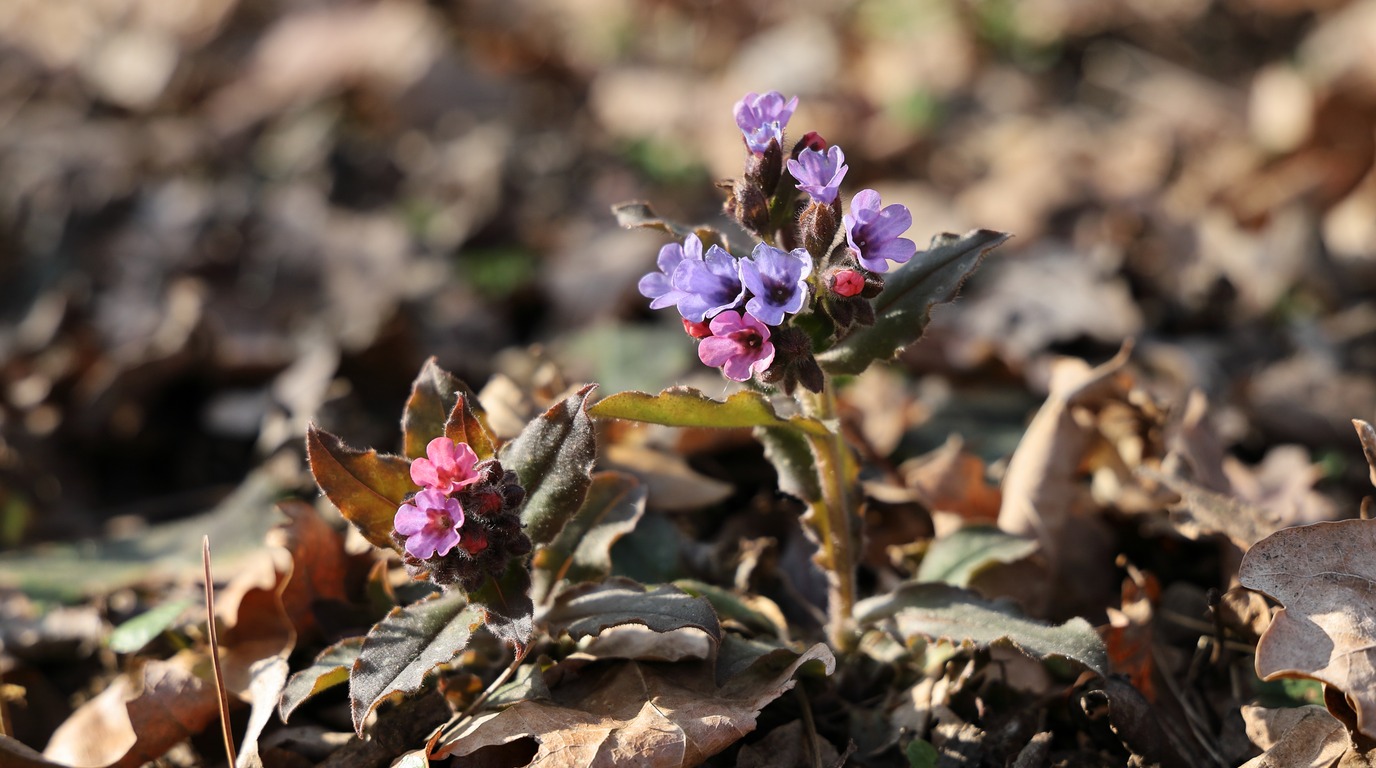
Heralding the arrival of early spring with charming two-tone clusters of coral-pink and cobalt-blue bell blossoms while illuminating shady garden floors with silver-flecked, lance-shaped foliage, Pulmonaria—treasured by cottage gardeners and shade enthusiasts as Lungwort—is one of the most delightful woodland perennials in cultivation. From early April when emerging pollinators eagerly seek its nectar-rich flowers through the heat of summer, cultivars such as ‘Trevi Fountain’, ‘Raspberry Splash’, and ‘Mrs. Moon’ provide dependable textural beauty. However, as autumn winds strip the tree canopy and night freezes arrive, gardeners frequently make critical overwintering mistakes: either shearing the plant completely bare or allowing damp, mildew-infected foliage to smother the crown throughout winter. Knowing how to winterize Pulmonaria preserves its semi-evergreen rosette, eradicates overwintering mildew spores, and guarantees a profusion of early spring blooms.
Native to the moist, dappled understories of European deciduous forests, Pulmonaria boasts tremendous natural cold hardiness, easily thriving across USDA Hardiness Zones 3 through 9 and tolerating sub-zero temperatures down to -35°F (-37°C). However, cold tolerance in nature relies on natural woodland drainage: wild plants grow on gentle forest inclines beneath loose, airy leaf litter. In garden borders, heavy winter rains and dense blankets of wet, unchopped tree leaves create stagnant, airless conditions around the plant’s shallow rhizomatous crown. Furthermore, powdery mildew spores that colonized tired summer foliage readily overwinter in rotting plant tissue, re-infecting new spring growth before flower buds can open. By executing a targeted autumn routine—sanitizing diseased leaf tips, hydrating shallow roots before ground freeze, and applying an airy mulch ring—you ensure vigorous, pristine spring performance.
Why Pulmonaria Remains an Invaluable Shade Perennial
- Magical Color-Changing Blooms: Flowers open in vibrant coral-pink or raspberry hues before shifting to rich violet-blue as petal sap alkalinity changes, offering a multicolor show on a single stem.
- First-Responder Pollinator Magnet: Among the very earliest woodland perennials to bloom in spring, providing life-saving nectar for newly awakened queen bumblebees and native mason bees.
- Silvery Architectural Groundcover: Bold, speckled foliage provides dense weed-suppressing shade cover throughout summer and autumn alongside shade-loving plants for problem areas.
- Proven Deer and Rabbit Immunity: Bristly, hairy leaves contain natural astringent compounds that deter browsing deer, rabbits, and voles from grazing shade borders.
Key Winterizing Supplies & Mulch Smart Swaps

- Sharp Bypass Hand Pruners: Sanitized snips allow clean removal of tattered outer leaves without ripping fibrous stems away from the shallow central crown.
- Airy Shredded Pine Bark or Pine Needles: Swap heavy, moisture-trapping whole maple or oak leaves for breathable pine straw or fine bark that facilitates air circulation around dormant buds.
- Organic Copper Fungicide or Sulfur Dust: If your Lungwort suffered from late-summer powdery mildew, a light autumn treatment on the crown prevents fungal spores from overwintering.
- Winterizing Reminder (No Fall Root Division!): Avoid dividing mature Pulmonaria clumps late in the season; divide strictly in early spring after flowering or in early summer after blooms fade.
Step-by-Step Autumn & Winter Care Walkthrough for Pulmonaria
1. Strip Away Fallen Tree Leaf Blankets: Deciduous trees shed heavy mats of leaves directly over shade borders. If left in place, soggy whole leaves create an anaerobic barrier that smothers Pulmonaria crowns and breeds crown rot. Gently hand-rake autumn tree litter away from the plant, ensuring the crown remains exposed to fresh air.
2. Perform the “Selective Foliage Cutback”: Unlike hostas that collapse completely into mush after frost, Pulmonaria produces semi-evergreen basal foliage. Inspect the mound: using clean snips, cut back only leaves that are blackened, withered, or heavily coated in powdery mildew, leaving clean 1-inch stems. Preserve any healthy, green inner basal leaves—they act as a natural thermal shield protecting the central flower buds, similar to rules in how to winterize Brunnera.

3. Hydrate Deeply Before Soil Freezes: In mid-to-late autumn before freezing temperatures lock up the topsoil, deliver a slow, thorough watering to the root zone. Because Pulmonaria has shallow, creeping rhizomes, winter winds can quickly desiccate unprotected roots, a danger also highlighted in how to winterize Coral Bells.
4. Spread an Airy “Doughnut” Mulch Collar: Once the top inch of garden soil freezes lightly, apply a 2- to 3-inch layer of shredded bark mulch or evergreen needles around the plant out to the drip line. Keep mulch 2 inches away from the center of the crown: burying the crown under damp organic matter guarantees winter rot, echoing precautions in how to winterize Astilbe.
3 Master Horticulturist Secrets for Flawless Pulmonaria Wintering
1. Sanitize to Eliminate Powdery Mildew: Powdery mildew (Erysiphe spp.) is Pulmonaria’s most common nemesis during warm, humid late summers. Fungal spores survive winter on infected dead foliage. Never compost mildewed autumn clippings; bag and discard them, then spray the soil surface around the crown with dilute neem oil or copper fungicide before mulching.
2. Combat Frost Heaving with Coarse Pea Gravel: In regions with frequent freeze-thaw cycles, Pulmonaria’s shallow fibrous rhizomes can easily be pushed out of the ground by frost heaving. If you notice exposed roots during a winter thaw, gently press the clump back into place and top-dress with a handful of coarse pea gravel to weigh down the crown without trapping stagnant water, as recommended in winterizing Campanula.
3. Protect Emerging Flower Buds from Late Frosts: Pulmonaria initiates flower buds deep inside the central crown during late autumn. In early spring, sudden sub-zero cold snaps can singe these developing buds. In USDA Zones 3–5, loosely covering clumps with evergreen boughs or pine straw in late November cushions the crown against brutal windburn without crushing delicate stems.
What to Pair with Pulmonaria in Shady Autumn & Winter Borders

- Siberian Bugloss (Brunnera macrophylla): Frosted heart-shaped silver leaves of Brunnera mirror the silver speckling of Pulmonaria, creating magnificent foliage harmony cared for under how to winterize Brunnera.
- Japanese Painted Fern (Athyrium niponicum): Silvery fronds with burgundy midribs echo the pink-blue flower hues of Lungwort, protected through how to winterize Japanese Painted Fern.
- Coral Bells (Heuchera): Rich caramel, plum, and lime rosettes of Heuchera offer bold evergreen contrast against speckled Lungwort foliage, maintained via how to winterize Coral Bells.
Winter Container Care & Early Spring Wake-Up Routine
- Overwintering Potted Pulmonaria: Containerized Lungwort roots freeze quickly when temperatures fall below 25°F (-4°C). Move pots into an unheated garage, shed, or sheltered alcove after first freeze. Water lightly once a month to keep root fibers slightly moist but never soggy.
- Late Winter Pruning Cleanup: In late February or early March before fresh flower spikes ascend, snip away any remaining ragged or winter-damaged leaves to give newly emerging blossoms a pristine stage.
- Early Spring Fertilizer Boost: Once flower buds emerge, top-dress with a 1-inch layer of well-rotted leaf mold or balanced organic compost to fuel lush post-bloom foliage growth.
Frequently Asked Questions
Should I cut back Pulmonaria in the fall?
Only selectively! Cut away dead, brown, or powdery-mildewed leaves to maintain garden hygiene, but leave healthy green basal leaves in place. These semi-evergreen leaves protect the central growing point and insulate early spring flower buds.
Can Lungwort survive freezing winter temperatures?
Yes, Pulmonaria is extraordinarily cold hardy down to USDA Zone 3 (-35°F). As long as the soil drains well and the crown is not buried in stagnant, soggy leaf debris, plants return dependably year after year.
Why do Pulmonaria flowers change color from pink to blue?
Pulmonaria blooms contain anthocyanin pigments that react to the pH level inside the petals. Newly opened flowers are acidic and appear bright pink; as the flower matures and is pollinated, cell sap alkalinity increases, shifting the blossom to sky blue or rich violet.
Pin This Gardening Guide for Later
Save this Lungwort winter care guide to your favorite Pinterest gardening board so you have these expert pruning rules, mildew prevention tips, and crown rot solutions ready whenever autumn arrives!
