1. Smart Irrigation Systems: Optimize Watering with AI-Tech in 2025

Smart Irrigation Systems: Optimize Watering with AI-Tech in 2025
In 2025, the integration of smart irrigation systems will revolutionize the way gardeners manage water resources. Utilizing AI technology, these systems provide precise watering schedules based on real-time data, ensuring your garden thrives while conserving water.
Understanding Smart Irrigation Technology
Smart irrigation systems use sensors to monitor soil moisture levels, weather conditions, and plant water needs. For example, a garden equipped with a moisture sensor can determine when to activate the irrigation system, preventing overwatering. This is crucial since overwatering is a common gardening mistake that can lead to root rot and other issues.
Steps to Implement Smart Irrigation
- Assess Your Garden: Evaluate the size of your garden and the types of plants you have. Different plants have varying water needs.
- Select a Smart Irrigation System: Choose a system compatible with your garden size and local climate. Popular options include drip irrigation and sprinkler systems.
- Install Soil Moisture Sensors: Position sensors in various areas of your garden to gather accurate data.
- Connect to a Smart Hub: Link your irrigation system to a smart home hub or app for easy monitoring and adjustment.
- Monitor and Adjust: Regularly check the system’s performance and adapt settings based on seasonal changes.
Best Practices and Tips
- Always calibrate your sensors to reflect your garden’s specific needs.
- Utilize weather forecasts to adjust irrigation schedules manually when necessary.
- Regularly inspect your irrigation system for clogs or leaks to maintain efficiency.
By embracing smart irrigation systems, you can not only save water but also enhance the health of your garden. Stay ahead of the curve with these AI-driven technologies and watch your garden flourish in 2025!
2. Soil Sensors: Revolutionizing Nutrient Management for Healthy Plants

Soil Sensors: Revolutionizing Nutrient Management for Healthy Plants
In the ever-evolving world of Garden DIY, soil sensors have emerged as a game-changer for nutrient management, ensuring your plants thrive with the right balance of moisture and nutrients. These innovative devices provide real-time data, allowing gardeners to make informed decisions and avoid over-fertilization or underwatering.
Understanding Soil Sensors
Soil sensors measure various parameters such as moisture levels, pH, and nutrient content. By integrating these readings into your gardening routine, you can:
- Optimize watering schedules
- Enhance nutrient application
- Reduce waste and costs
Step-by-Step Implementation
To effectively use soil sensors in your garden, follow these steps:
- Choose the Right Sensor: Look for sensors that measure multiple factors, including moisture, pH, and nutrient levels.
- Install Properly: Place the sensor at root depth in various locations to obtain diverse readings.
- Monitor Regularly: Check readings weekly and adjust your watering and fertilization based on the data.
- Analyze Trends: Keep a log of readings to identify patterns over seasons, helping you anticipate plant needs.
Common Mistakes to Avoid
When utilizing soil sensors, be mindful of these common pitfalls:
- Ignoring sensor calibration—ensure accurate readings by following manufacturer instructions.
- Over-relying on technology—combine sensor data with your observational skills.
- Neglecting sensor maintenance—regularly clean and check your sensors for optimal performance.
Incorporating soil sensors into your gardening practice not only enhances plant health but also aligns with current trends towards smart gardening. By leveraging these tools, you can take your passion for gardening to the next level, ensuring fruitful yields and vibrant plants.
3. Vertical Gardening Kits: Maximize Space Using Smart Hydroponics

Vertical Gardening Kits: Maximize Space Using Smart Hydroponics
As urban gardening continues to gain popularity, vertical gardening kits have emerged as a savvy solution for maximizing space. These kits utilize smart hydroponics, allowing you to grow a variety of plants in limited areas while conserving water and nutrients.
Understanding Vertical Gardening Kits
Vertical gardening kits typically include:
- Modular planters
- Hydroponic systems
- Drip irrigation components
- Grow lights (if needed)
These systems can be used indoors or outdoors, making them versatile for any gardener. By stacking planters, you can create a lush display while keeping your garden organized.
Step-by-Step Guidance
- Choose Your Kit: Look for a kit that includes a reliable hydroponic system and suits your space.
- Select Suitable Plants: Opt for herbs, leafy greens, or compact flowers that thrive in vertical setups.
- Assemble the System: Follow the manufacturer’s instructions for setting up the hydroponic components.
- Monitor Nutrient Levels: Regularly check and adjust nutrient solutions for optimal plant growth.
Expert Tips and Common Mistakes
To ensure your vertical garden flourishes:
- Ensure adequate sunlight or use grow lights if indoors.
- Avoid overcrowding plants; allow for airflow to prevent diseases.
- Regularly check for pests and diseases.
By following these best practices, you can enjoy a thriving vertical garden that maximizes your available space.
4. Smart Garden Apps: Track Plant Health and Care Reminders Effortlessly

Smart Garden Apps: Track Plant Health and Care Reminders Effortlessly
In today’s digital age, smart garden apps have revolutionized the way we care for our plants. These innovative tools allow gardeners of all levels to track plant health and set care reminders effortlessly. By utilizing these applications, you can ensure that your plants receive the attention they need to thrive.
Current Trends in Garden DIY
As more gardeners embrace technology, smart garden apps have become a staple in garden DIY. Popular options like PlantSnap and Gardenize enable users to identify plants, monitor their growth, and receive timely reminders for watering, fertilizing, and pruning. This trend not only enhances plant care but also promotes sustainable gardening practices.
Step-by-Step Guidance for Using Smart Garden Apps
- Choose the Right App: Research and select an app that suits your gardening style and needs.
- Create a Garden Profile: Input your plant types, planting dates, and care routines.
- Set Reminders: Use the app to schedule watering, fertilization, and pest control.
- Monitor Plant Health: Regularly check the app for health updates and tips based on your plant’s conditions.
Expert Gardening Tips and Common Mistakes
To maximize the benefits of smart garden apps, consider these expert tips:
- Keep your plant database updated for the most accurate care advice.
- Avoid over-fertilizing; follow app recommendations closely.
- Regularly check for pests and diseases, and use your app for identification and treatment options.
By integrating smart garden apps into your gardening routine, you can avoid common mistakes and enhance your gardening success. Embrace this technology to cultivate a thriving garden with minimal effort!
5. Automated Pest Control: Eco-Friendly Solutions for Organic Gardens

Automated Pest Control: Eco-Friendly Solutions for Organic Gardens
In the realm of organic gardening, automated pest control has emerged as a revolutionary trend. By utilizing eco-friendly solutions, gardeners can effectively manage pests without harming beneficial insects or the environment. Here are some expert-level strategies to implement automated pest control in your organic garden.
Step-by-Step Guide to Automated Pest Control
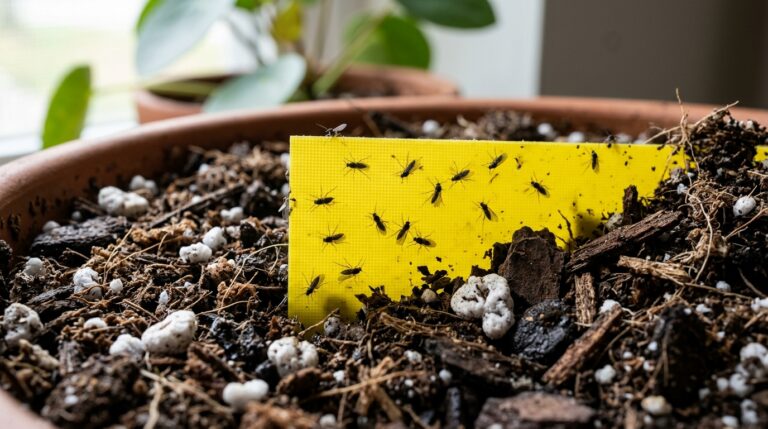
- Install Smart Traps: Utilize traps that use pheromones or light to attract and catch pests. These devices can be programmed to monitor pest activity and notify you via an app.
- Utilize Beneficial Insects: Introduce predatory insects like ladybugs or lacewings that can help manage pest populations. Automated release systems can help maintain their presence in your garden.
- Implement Organic Sprays: Use automated sprayers with organic solutions (like neem oil) that can be set to apply at specific intervals, minimizing human intervention.
Expert Gardening Tips and Tricks
To maximize your automated pest control efforts, consider the following:
- Regularly monitor your garden’s ecosystem for signs of pest activity.
- Combine automation with traditional methods, such as companion planting, to enhance pest resistance.
- Ensure that your automated systems are easy to maintain and adjust based on seasonal pest behavior.
Avoid Common Gardening Mistakes
Many gardeners overlook the importance of:
- Regularly calibrating automated systems to ensure effectiveness.
- Relying solely on technology without integrating natural pest management strategies.
By embracing these automated, eco-friendly solutions, you can cultivate a thriving organic garden while effectively managing pests. Remember, the goal is to create a balanced ecosystem that supports plant health and biodiversity.
6. Robotic Planters: Effortless Seed Sowing and Planting Techniques for 2025

Robotic Planters: Effortless Seed Sowing and Planting Techniques for 2025
As we step into 2025, the integration of technology in gardening continues to evolve, making tasks like seed sowing and planting more effortless than ever. Robotic planters are at the forefront of this trend, offering innovative solutions that align with modern gardening practices.
Understanding Robotic Planters
Robotic planters automate the planting process, ensuring precision and efficiency. These devices utilize advanced algorithms and sensors to determine optimal planting depth and spacing, significantly reducing human error. Here are some practical gardening examples:
- Seed Placement: Robotic planters can adjust their settings for different seed types, ensuring each seed is placed at the correct depth.
- Soil Preparation: Many models come equipped with features to prepare the soil before sowing, such as tilling and fertilizing.
Step-by-Step Guidance for Using Robotic Planters
- Choose the right robotic planter for your garden size and type.
- Set up the device according to the manufacturer’s instructions, ensuring it is calibrated for your soil type.
- Load the seeds into the designated compartment, selecting the appropriate settings for your crops.
- Activate the robotic planter and monitor its progress, making adjustments as needed.
Expert Gardening Tips and Common Mistakes to Avoid
To maximize the benefits of robotic planters, consider the following tips:
- Regularly clean and maintain your robotic planter to ensure optimal performance.
- Avoid overloading the seed compartment, which can lead to uneven sowing.
- Always test the planter with a small batch of seeds before full-scale planting.
By incorporating robotic planters into your gardening routine, you can enjoy a more efficient and productive planting season. Embrace these best practices and avoid common pitfalls to elevate your gardening experience in 2025.
Frequently Asked Questions
How do smart irrigation systems work to save water in my garden?
Smart irrigation systems utilize AI technology to analyze weather data, soil moisture levels, and plant water needs. This ensures that your garden receives the optimal amount of water, reducing waste and promoting healthy growth. By integrating these systems, you can achieve efficient watering schedules that adapt to changing conditions.
Why should I invest in soil sensors for my garden?
Investing in soil sensors can dramatically improve your plant care by providing real-time data on moisture, pH levels, and nutrient content. This information allows you to make informed decisions about fertilization and watering, leading to healthier plants and higher yields. By optimizing soil conditions, you’ll enhance your garden’s overall productivity.
What are the benefits of using vertical gardening kits with smart hydroponics?
Vertical gardening kits that incorporate smart hydroponics maximize space while offering efficient growth conditions for your plants. These systems often come equipped with automated nutrient delivery and moisture control, making it easier to grow a variety of crops in limited areas. They’re perfect for urban gardeners or those looking to enhance their garden’s yield.
How can smart garden apps help me maintain my plants?
Smart garden apps help you track plant health by sending care reminders, monitoring growth, and providing personalized tips based on your specific plants. Many apps use AI to analyze your garden’s conditions and suggest optimal care routines. By utilizing these tools, you can ensure that your plants thrive with minimal effort.
What should I do if my automated pest control system isn’t working effectively?
If your automated pest control system isn’t performing as expected, first check the sensor placement and ensure they are correctly calibrated for your garden’s layout. Additionally, make sure that the eco-friendly solutions used are suitable for the specific pests you’re targeting. Regular maintenance and updates to the system can also enhance its effectiveness in managing pests organically.