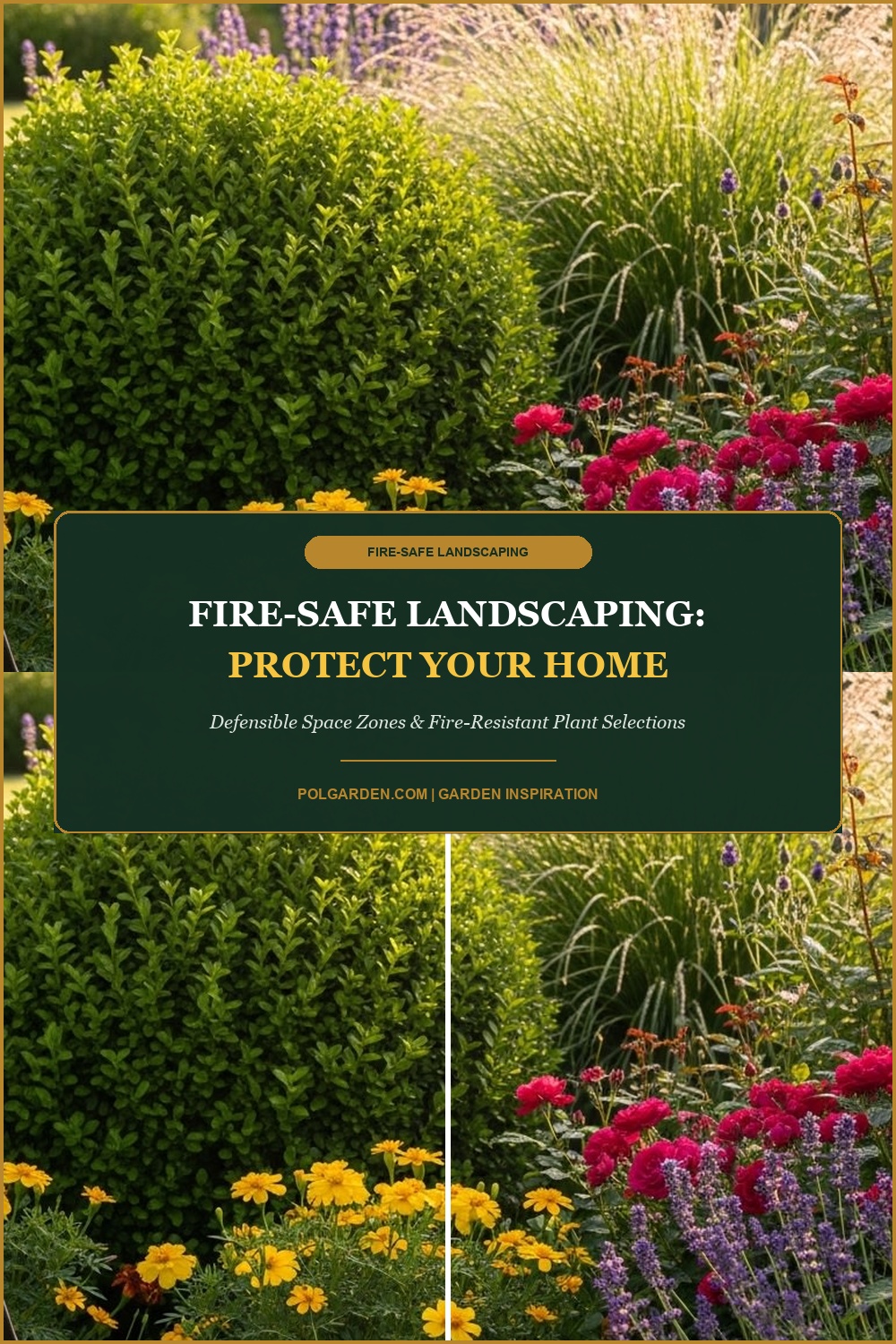
Fire-safe landscaping is more than just a protective measure; it’s a way to create a beautiful, welcoming environment around your home. With the increasing frequency of wildfires in many regions, many homeowners are understandably concerned about the safety of their landscapes. The good news is that you can make smart plant choices that not only look stunning but also help shield your home from potential fire hazards.
In this guide, we’ll walk you through the ins and outs of fire-safe landscaping. You’ll learn which plants to choose, how to design your garden for maximum protection, and practical steps you can take to ensure your home is well-defended against the threat of fire. By the end, you’ll feel empowered to transform your outdoor space into a lush, fire-resistant haven that you can enjoy with peace of mind.
Table of Contents
- What Is Fire-Safe Landscaping?
- How Does Fire-Safe Landscaping Work?
- Benefits of Fire-Safe Landscaping
- Choosing the Right Plants
- Creating a Fire-Resistant Landscape Design
- Maintaining Your Fire-Safe Landscape
- Advanced Tips for Fire Safety
- Resources and Tools for Fire-Safe Landscaping
- Frequently Asked Questions
What Is It?
Fire-safe landscaping refers to the strategic use of plants and materials in your garden to reduce the risk of fire spreading to your home. This approach involves selecting fire-resistant plants, creating defensible space, and using techniques that minimize fuel loads around your property. By understanding the principles of fire-safe landscaping, you can design a garden that not only looks beautiful but also provides safety during fire season.
Incorporating fire-safe practices into your landscaping can significantly decrease the chances of fire reaching your home. It’s about choosing the right plants that are less likely to ignite, arranging your garden thoughtfully, and maintaining it properly. This way, you create a lush environment that also acts as a barrier against potential fire threats.
- Fire-safe landscaping focuses on reducing fire risk through smart plant choices.
- Defensible space is crucial; it creates a buffer zone around your home.
- Some plants are naturally more fire-resistant than others.
How It Works
The core principle of fire-safe landscaping lies in creating defensible space around your home. This involves managing the vegetation in a way that minimizes the potential for fire to spread. Fire spreads through direct contact with combustible materials and via radiant heat, so a thoughtful landscape design can disrupt these pathways. By incorporating fire-resistant plants and materials, you limit fuel sources that could otherwise ignite.
Additionally, the spacing and arrangement of plants play a significant role. For example, grouping plants with similar water needs can help maintain moisture levels, while avoiding dense clusters of highly flammable species can prevent fires from jumping from one plant to another. Understanding these mechanisms is essential to creating a fire-safe landscape that protects your home.
- Defensible space helps slow the spread of fire to your home.
- Fire-resistant plants reduce the risk of ignition.
- Proper plant spacing and arrangement are critical.
Key Benefits
- Enhanced Safety — By implementing fire-safe landscaping techniques, you significantly reduce the risk of fire damage to your home. This proactive approach helps protect your family and property, especially in areas prone to wildfires. Knowing that your landscape is designed to withstand fire gives you peace of mind.
- Aesthetic Appeal — Fire-safe landscaping doesn’t mean sacrificing beauty. You can create a visually striking garden with drought-resistant and fire-resistant plants that thrive in your climate. The combination of colors and textures from these plants can enhance your outdoor space while keeping it safe.
- Water Conservation — Many fire-resistant plants are also drought-tolerant, which means they require less water. This helps conserve water resources and reduces your irrigation needs, making your garden more sustainable and cost-effective in the long run.
- Lower Insurance Premiums — Some insurance companies offer discounts for homes that employ fire-safe landscaping principles. By investing in fire-resistant materials and plants, you may see a reduction in your homeowner’s insurance premiums, making it a financially smart choice.
- Increased Property Value — A well-maintained, fire-safe landscape can enhance the overall value of your property. Prospective buyers are likely to appreciate the added safety features and aesthetic benefits, translating into a higher market value.
Step-by-Step Guide
Step 1: Assess Your Landscape

Start by evaluating your current landscape. Identify areas that are dense with vegetation and assess the types of plants you have. Look for clusters of flammable plants and consider how they are positioned in relation to your home. This assessment will give you a clear idea of where you need to make changes to enhance fire safety.
Take notes on the different zones of your landscape, such as the immediate area around your home and the outer perimeter. Understanding these zones helps you prioritize which areas require more immediate attention for fire safety.
Example: For example, if you find areas with dense shrubs close to your house, these are prime spots to rethink your plant choices.
Pro Tips:
- Use a digital camera to document your landscape for easier planning.
- Consider hiring a landscape professional for a comprehensive assessment.
Step 2: Choose Fire-Resistant Plants
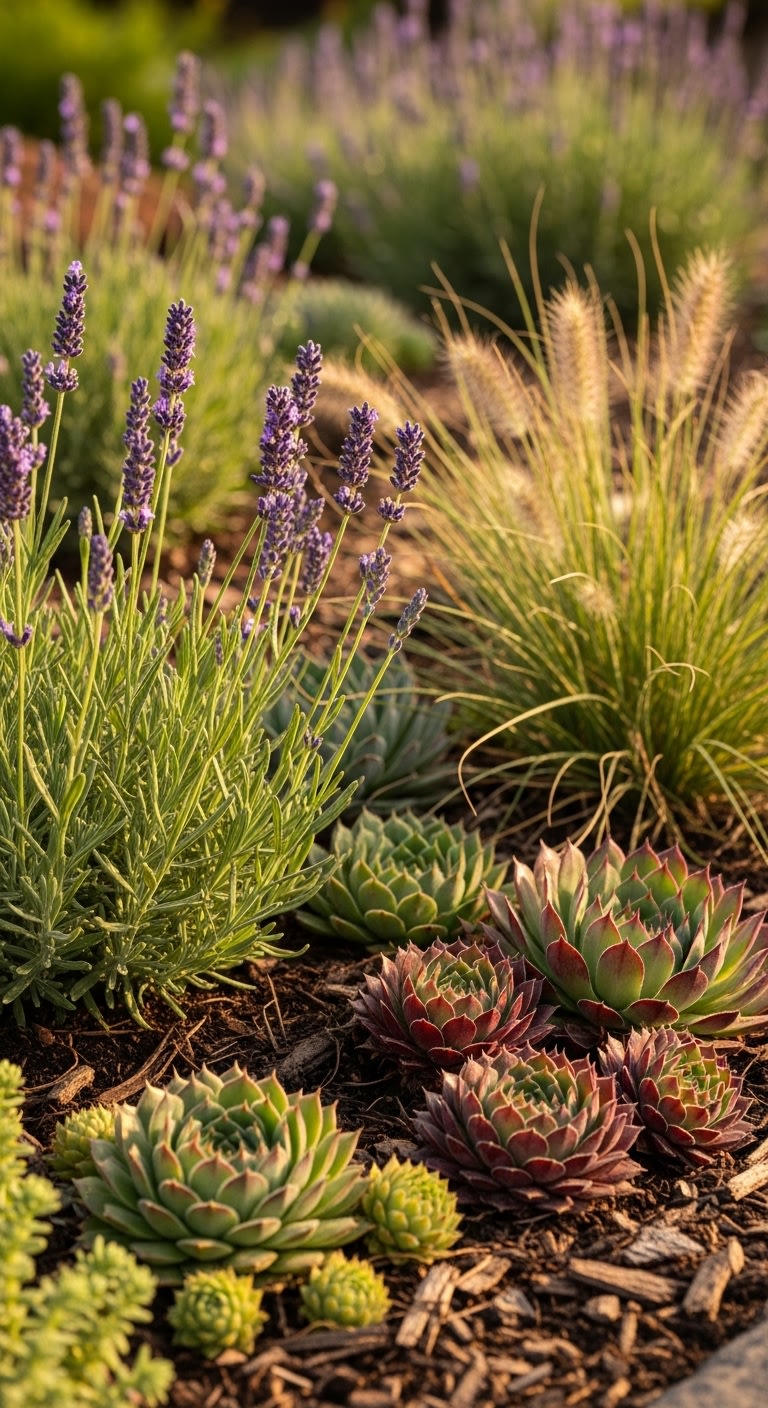
Selecting the right plants is crucial in fire-safe landscaping. Opt for native and drought-tolerant species that have a lower chance of igniting. Plants such as lavender, succulents, and ornamental grasses are excellent choices as they tend to retain moisture and are less flammable. Avoid highly resinous plants like pines or eucalyptus, which are more likely to catch fire.
When planning your garden, group plants with similar water needs together. This not only helps in maintaining moisture levels but also allows for a more cohesive design. Look for local nurseries that specialize in fire-resistant plants to ensure you’re making the best choices for your region.
Example: For instance, incorporating a mix of lavender and other drought-tolerant plants can create a beautiful, low-maintenance garden that is also fire-safe.
Pro Tips:
- Research local plant hardiness zones to ensure you choose suitable species.
- Visit botanical gardens to see fire-resistant plants in action.
Step 3: Create Defensible Space

Establishing defensible space around your home is a key element of fire-safe landscaping. This involves creating a buffer zone that reduces the risk of fire spreading from vegetation to your house. Aim for a minimum of 30 feet of defensible space, which can be divided into zones: the immediate zone (0-5 feet), the intermediate zone (5-30 feet), and the extended zone (30-100 feet).
In the immediate zone, use non-combustible materials like gravel or stone, and avoid planting anything that could easily ignite. In the intermediate zone, maintain a well-watered landscape and use fire-resistant plants. The extended zone can include more native vegetation but should be maintained to reduce fuel loads.
Example: You might create a gravel path in the immediate zone and plant fire-resistant flowers in the intermediate zone.
Pro Tips:
- Regularly prune and maintain plants within your defensible space.
- Create a firebreak using non-flammable materials for added safety.
Step 4: Design for Fire Safety
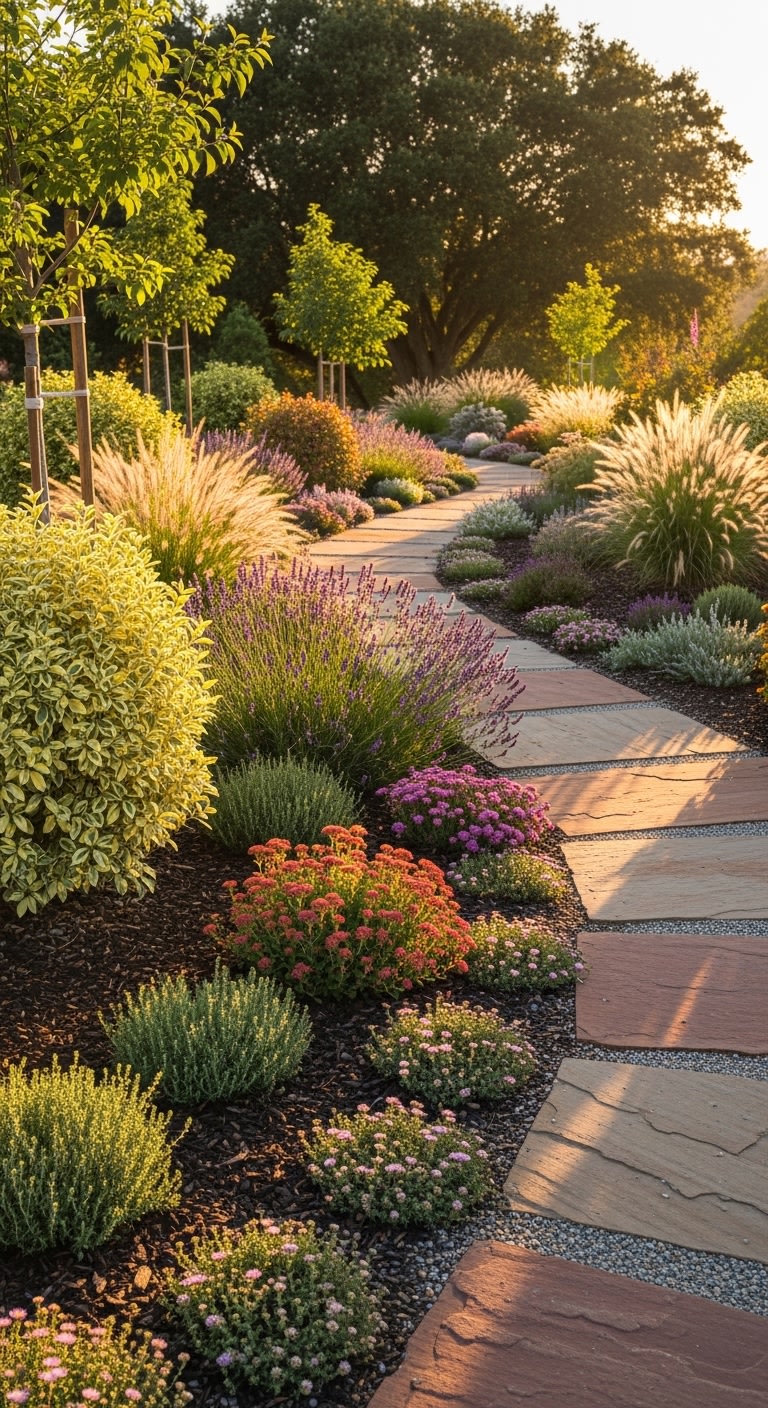
When designing your fire-safe landscape, consider the layout and spacing of your plants. Aim for open spaces between plants to prevent fire from jumping from one to another. Use hardscaping elements like stone walls, patios, and pathways to create barriers within your landscape. These materials do not burn and can effectively slow down the spread of fire.
Incorporate your design with a mix of zones that include both ornamental features and functional plantings. A well-thought-out landscape design not only enhances the beauty of your home but also serves as an effective fire prevention strategy.
Example: For instance, you can design a winding stone pathway surrounded by fire-resistant plants to create a visually appealing layout that also functions as a firebreak.
Pro Tips:
- Consider elevation; planting on higher ground can reduce fire risk.
- Create visual interest with varying heights and textures while maintaining fire safety.
Step 5: Implement Mulching Techniques

Mulching is an effective way to enhance fire safety in your landscape. Organic mulches, like wood chips or bark, can help retain moisture in the soil and suppress weeds. However, if you live in a high-risk fire area, it’s advisable to choose non-combustible mulches like gravel or rock. These alternatives do not ignite and can create a barrier against fire.
When applying mulch, ensure it’s not piled against plant stems or the house, as this can increase fire risk. Instead, maintain a distance of at least a few inches from plant bases to reduce the chance of ignition.
Example: You might use gravel mulch around your ornamental grasses to create a fire-safe area that also looks great.
Pro Tips:
- Regularly check and replenish your mulch to maintain effectiveness.
- Consider using landscape fabric under organic mulches to prevent weed growth.
Step 6: Maintain Your Landscape Regularly

Regular maintenance is key to keeping your fire-safe landscape effective. This includes pruning plants, removing dead material, and ensuring that your garden is well-watered. Dead leaves, twigs, and dry grasses can act as kindling in the event of a fire, so make it a habit to clear out debris regularly.
Check your plants for signs of disease or dryness, and replace any that are no longer healthy or that pose a fire risk. A well-maintained landscape not only looks great but also serves as a strong defense against potential fire hazards.
Example: For example, regularly trimming back overgrown shrubs will help maintain air circulation and reduce fire risk.
Pro Tips:
- Set a seasonal maintenance schedule to keep your landscape in check.
- Consider using a leaf blower to quickly clear debris.
Step 7: Educate Yourself and Others

Knowledge is power when it comes to fire-safe landscaping. Take the time to educate yourself about the plants that thrive in your region and the best practices for maintaining a fire-safe garden. Consider attending local workshops or joining gardening clubs focused on fire safety.
Sharing this knowledge with your neighbors can also create a community of fire-aware gardeners. By collectively implementing fire-safe practices, you enhance the safety of your entire neighborhood, making it more resilient against fire threats.
Example: You might organize a neighborhood workshop on fire-safe landscaping techniques to bring everyone together.
Pro Tips:
- Keep up with local fire safety regulations and recommendations.
- Utilize online resources and local extension services for information.
Step 8: Consider Professional Help

If you feel overwhelmed or uncertain about creating a fire-safe landscape, don’t hesitate to seek professional help. Landscape architects or fire safety specialists can provide valuable insights and design assistance tailored specifically to your property. They can assess your landscape, recommend suitable plants, and help you develop a comprehensive fire-safe plan.
Investing in professional guidance can save you time and ensure that your landscape is both beautiful and functional. Plus, it gives you peace of mind knowing that your home is well protected.
Example: For instance, hiring a landscape architect can help you design a garden that meets both aesthetic and safety requirements.
Pro Tips:
- Research local professionals with experience in fire-safe landscaping.
- Ask for references and view their past work before hiring.
Advanced Tips
Utilize Hardscaping
Incorporating hardscaping elements such as patios, walkways, and retaining walls can significantly enhance the fire safety of your landscape. These materials act as barriers that can prevent fire from spreading. When designing hardscaped areas, consider using non-combustible materials like stone or concrete that are less likely to ignite. Additionally, creating firebreaks with gravel or rock can further protect your home.
Create an Irrigation System
An efficient irrigation system can be a valuable asset in maintaining moisture levels in your garden. Consider installing a drip irrigation system to target plant roots directly, minimizing water waste while ensuring that your fire-resistant plants stay hydrated. Regularly check and maintain your irrigation system to prevent any issues that could lead to drought stress on your plants.
Monitor Local Fire Conditions
Stay informed about local fire conditions and alerts, especially during peak fire season. Local agencies often provide updates on fire risk levels and recommendations for maintaining fire-safe practices. Being proactive and responsive to changing conditions allows you to adjust your landscaping maintenance practices accordingly.
Integrate Native Plants
Integrating native plants into your landscape not only enhances biodiversity but also provides fire resistance. Native plants are typically more adapted to local conditions and often require less water and maintenance. They also tend to have lower flammability, making them an excellent choice for fire-safe landscaping.
Tools & Resources
- Pruning Shears — Essential for maintaining your landscape, pruning shears help you keep plants healthy by removing dead or overgrown branches. Regular pruning reduces fire risk by improving air circulation and removing potential fuel sources. — Available at: Home Depot, Lowe’s, Amazon
- Mulch — Using the right type of mulch can significantly enhance fire safety. Consider non-combustible options like gravel or rock for areas near your home, while organic mulches can be used further away to retain soil moisture. — Available at: Local garden centers, Home Depot, Lowe’s
- Irrigation System — An efficient irrigation system, such as drip irrigation, ensures that your fire-safe plants receive adequate moisture. This not only helps maintain plant health but also reduces the risk of fire by keeping plants hydrated. — Available at: Home Depot, Amazon, local irrigation supply stores
- Fire-Resistant Plant Guide — A comprehensive guide to fire-resistant plants can help you choose the right species for your landscape. Look for local resources or online databases that list plants suited for fire safety in your region. — Available at: Local extension offices, botanical gardens, online gardening resources
- Landscape Fabric — Using landscape fabric under mulch can help suppress weeds and maintain moisture in the soil. This reduces competition for water and nutrients, keeping your fire-resistant plants healthy and hydrated. — Available at: Home Depot, Lowe’s, garden centers
Frequently Asked Questions
What are fire-resistant plants?
Fire-resistant plants are species that have a lower likelihood of igniting during a fire. These plants often have higher moisture content, lower resin levels, and are typically more drought-tolerant. Examples include lavender, succulents, and ornamental grasses. Incorporating these plants into your landscape can help create a buffer against fire and protect your home.
How much defensible space should I create?
Creating at least 30 feet of defensible space around your home is recommended. This space can be divided into zones: the immediate zone (0-5 feet), the intermediate zone (5-30 feet), and the extended zone (30-100 feet). Each zone has specific guidelines for plant selection and maintenance to reduce fire risk effectively.
How often should I maintain my fire-safe landscape?
Regular maintenance is essential for fire-safe landscaping. Aim to inspect and maintain your landscape every few months, especially in the spring and fall. Remove any dead material, prune overgrown plants, and ensure that your fire-resistant plants are adequately watered. This diligence keeps your landscape healthy and reduces fire hazards.
Can I use mulch around my fire-safe plants?
Yes, but it’s essential to choose the right type of mulch. Organic mulches can be used further away from your home, while non-combustible options like gravel or rock are recommended close to the house. Ensure that mulch is not piled against plant bases to minimize fire risk.
Is professional help necessary for fire-safe landscaping?
While it’s not strictly necessary, consulting a professional can be beneficial, especially if you’re unsure about plant selection or design. Landscape architects or fire safety specialists can provide tailored advice and help create a comprehensive fire-safe plan for your property.
Embracing fire-safe landscaping is a wonderful way to ensure your home is protected while also enhancing the beauty of your outdoor space. By making smart plant choices and implementing thoughtful design strategies, you can create a lush, vibrant landscape that thrives in harmony with nature and safeguards your home from potential fire threats. Remember, each step you take towards fire safety not only benefits you but also contributes to the resilience of your community.
So, roll up your sleeves and start transforming your garden into a fire-safe oasis today. Your home, your family, and your beautiful landscape deserve it. If you have any questions or need further guidance, don’t hesitate to reach out to local gardening experts or community resources!