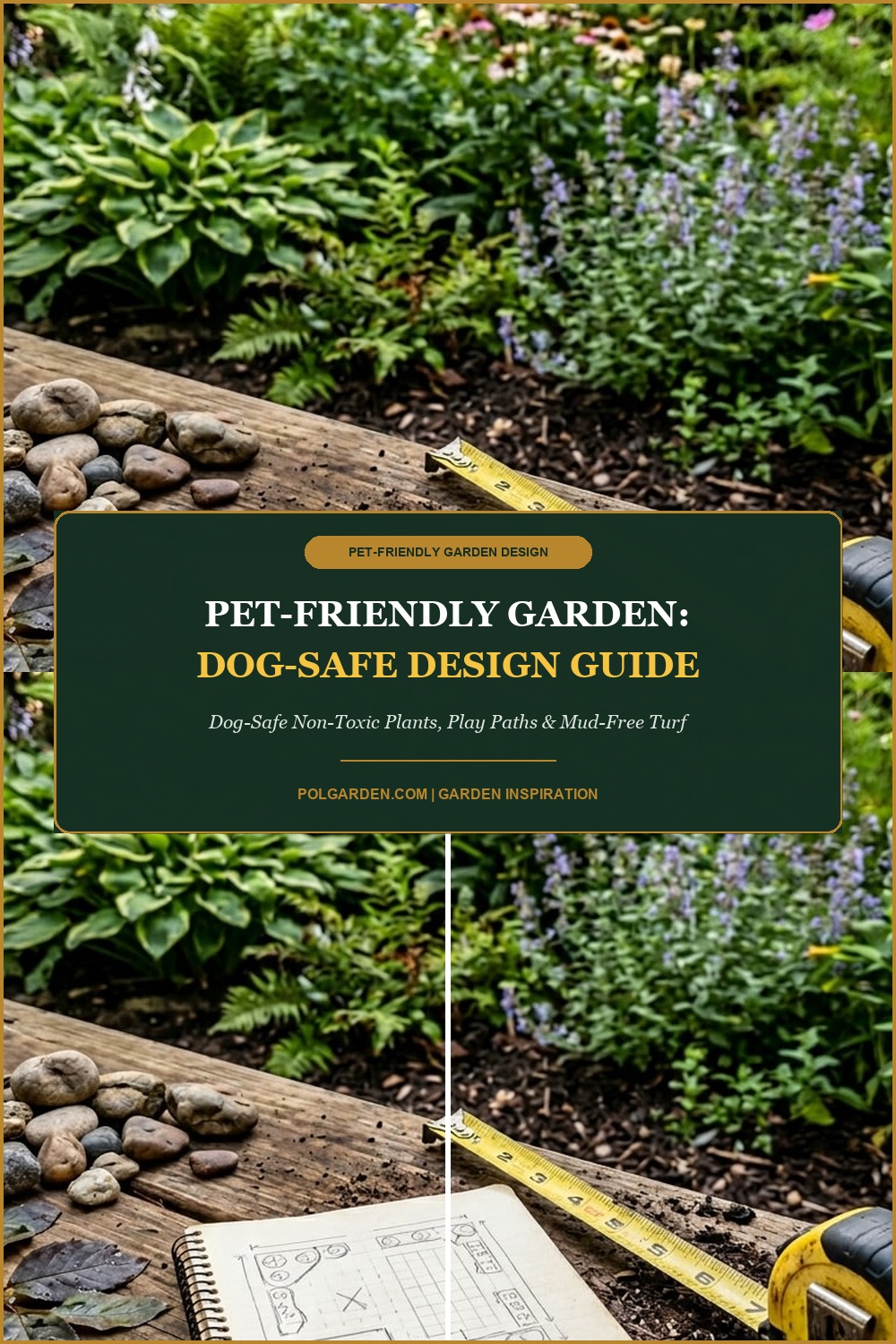
Have you ever watched your furry friend roam around your garden, only to worry about the plants they might nibble on? You’re not alone! Many pet owners dream of creating a beautiful outdoor space that’s not just stunning but also safe for their four-legged companions. The good news is that with a bit of planning, you can design a pet-friendly garden that caters to both your aesthetic desires and your pet’s safety.
In this guide, we’ll walk you through the steps to build a garden that delights the senses while ensuring your dog stays safe and sound. From selecting the right plants to arranging your layout, you’ll find all the tips and tricks you need to create a harmonious space where both you and your pet can thrive together. Let’s dig in and get started on your pet-friendly paradise!
Table of Contents
- What is a Pet-Friendly Garden?
- How Does It Work?
- Benefits of a Pet-Friendly Garden
- Steps to Build Your Pet-Friendly Garden
- Advanced Tips for Enhancing Safety
- Tools and Resources
- Frequently Asked Questions
- Conclusion
What Is It?
A pet-friendly garden is a carefully designed outdoor space that prioritizes the safety and well-being of pets, particularly dogs. It involves selecting plants that are non-toxic and arranging the layout in a way that minimizes hazards. This type of garden not only protects your furry friends from harmful substances but also creates an enjoyable environment for their exploration.
Creating a pet-friendly garden requires thoughtful planning and knowledge of which plants are safe for dogs. By incorporating pet-safe plants, durable materials, and considerate layout choices, you can cultivate an outdoor haven that both you and your pet can enjoy. It’s about striking a balance between aesthetic appeal and safety, ensuring that your garden remains a sanctuary for all.
- Focus on non-toxic plants that are safe for dogs.
- Consider layout to minimize hazards and provide safe play areas.
- Incorporate durable materials that withstand pet activity.
- Regular maintenance is essential to keep the garden safe and beautiful.
How It Works
The essence of a pet-friendly garden lies in understanding which plants and materials are safe for dogs. Many plants that are common in gardens can be harmful if ingested, so it’s crucial to choose varieties that are non-toxic. This involves researching plant species and their effects on pets, ensuring that your furry friend can explore without worry.
Additionally, the garden layout plays a significant role. By designing pathways and play areas that are visually appealing yet safe, you can create a space where your dog feels free to roam while protecting them from potential dangers. This thoughtful approach enhances the overall gardening experience for pet owners and their beloved animals.
- Research plant toxicity to ensure safety.
- Design pathways and areas for safe exploration.
- Use durable materials that can withstand wear and tear.
- Regularly check for hazards and maintain safety.
Key Benefits
- Safety First — The primary benefit of a pet-friendly garden is the safety it offers to your pets. By choosing non-toxic plants, you prevent potential health issues that could arise from ingestion. This peace of mind allows you to enjoy your garden without constant worry about your dog’s well-being.
- Enhanced Aesthetics — A garden designed with both beauty and safety in mind can be visually stunning. Pet-friendly plants can add vibrant colors and textures, enhancing the overall look of your outdoor space while ensuring it remains safe for your furry friend.
- Encourages Outdoor Play — Creating a pet-friendly garden encourages your dog to spend more time outdoors. This not only allows them to engage in natural behaviors but also promotes physical activity, which is essential for their health and happiness.
- Bonding Time — A thoughtfully designed garden can serve as a wonderful space for you and your pet to bond. Whether it’s playing fetch or enjoying a quiet moment together, the garden becomes a shared sanctuary that strengthens your relationship.
- Environmental Benefits — Incorporating native plants and eco-friendly practices in your pet-friendly garden can contribute to local biodiversity. This not only helps the environment but also creates a healthier ecosystem for all creatures, including your pets.
Step-by-Step Guide
Step 1: Assess Your Space

Start by evaluating your garden space. Consider the size, sunlight availability, and existing plant life. This assessment will help you identify areas that can be transformed into safe zones for your dog. Make notes of sunny spots, shaded areas, and potential dangers like toxic plants or sharp objects.
Remember, a well-planned garden layout can provide a safe haven for your pet while still allowing you to create a beautiful landscape. Consider how your dog typically moves around your garden and what areas they like to explore the most.
Example: For instance, you might find that your dog loves lounging in the sun, which could guide you in placing comfortable resting spots in those areas.
Pro Tips:
- Take measurements of your garden to help with planning.
- Observe your dog’s behavior to understand their preferences.
- Identify any existing hazards that need to be addressed.
Step 2: Choose Safe Plants
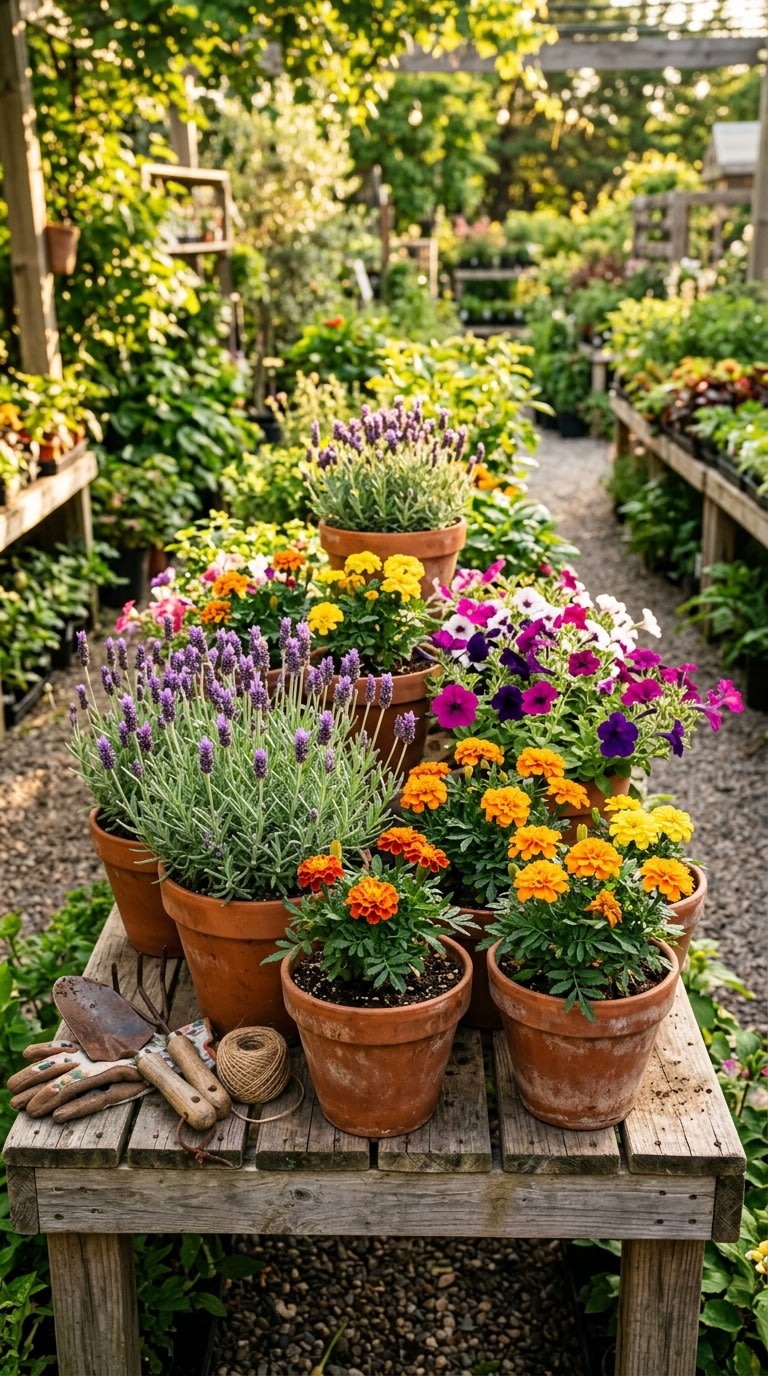
Selecting the right plants is crucial for a pet-friendly garden. Begin by researching dog-safe plants that are both visually appealing and non-toxic. Some great examples include marigolds, lavender, and rosemary. These plants not only add color and fragrance but also are safe for your furry friend to interact with.
When buying plants, look for organic options that are free from harmful pesticides. This ensures your garden remains a safe environment for your pet. Creating a list of safe plants can simplify your shopping experience and help you avoid any toxic varieties.
Example: Consider incorporating a mix of flowering plants and herbs, as they can enhance both the beauty and practicality of your garden.
Pro Tips:
- Check resources like the ASPCA’s list of toxic and non-toxic plants.
- Opt for native plants that are well-suited to your local climate.
- Incorporate plants with different heights for visual interest.
Step 3: Design Your Layout
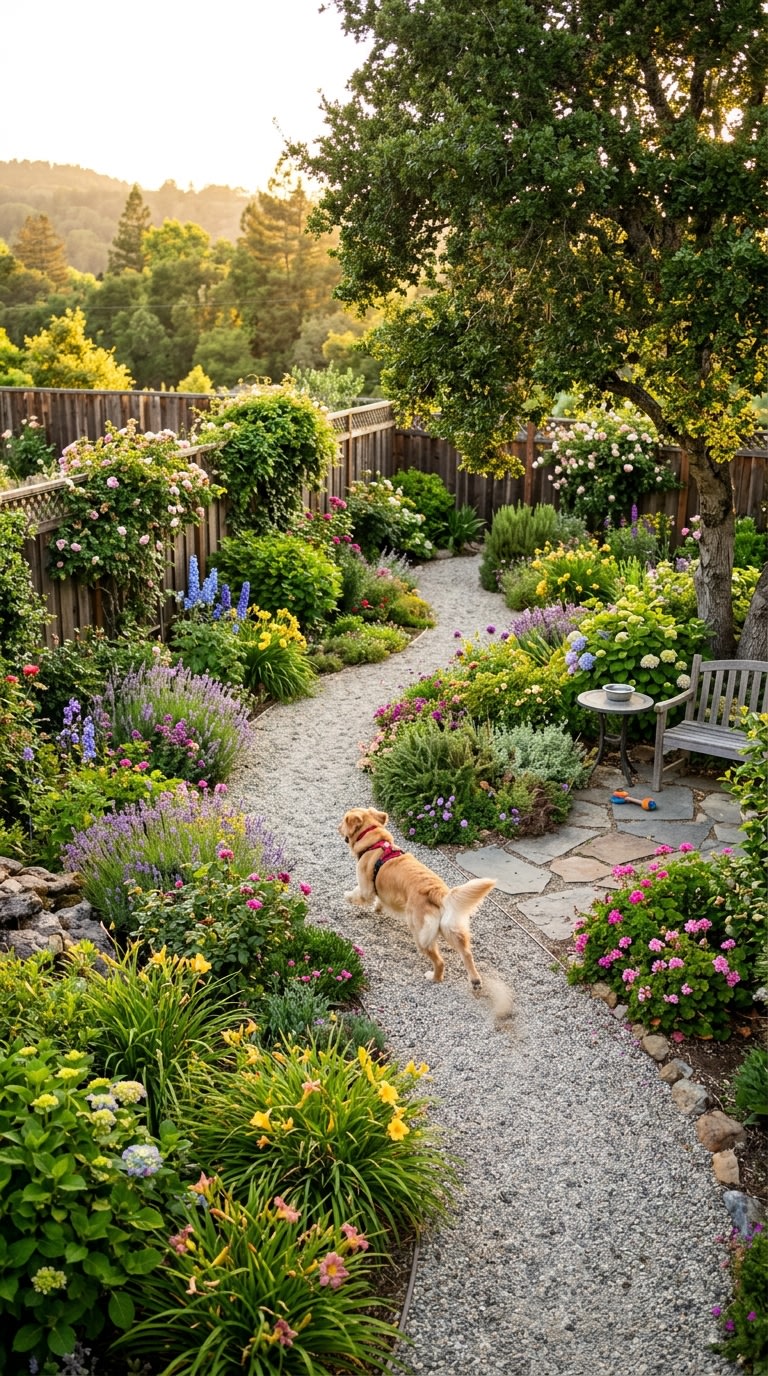
With your plants chosen, it’s time to design the layout of your garden. Create designated areas for your dog to play and explore, ensuring they have space to roam freely. Consider using soft materials like grass or pet-friendly mulch for pathways and play zones. This not only makes the space inviting but also minimizes any risk of injury.
Additionally, think about adding features like shaded spots for rest and water stations for hydration. Your layout should facilitate easy access for both you and your pet, making it a comfortable place for everyone.
Example: A winding path through flower beds can create a beautiful and functional space for your dog to navigate.
Pro Tips:
- Use garden stakes or string to visualize your layout before planting.
- Incorporate natural barriers like shrubs to define play areas.
- Ensure there are enough shaded spots for your dog to cool off.
Step 4: Prepare Your Soil
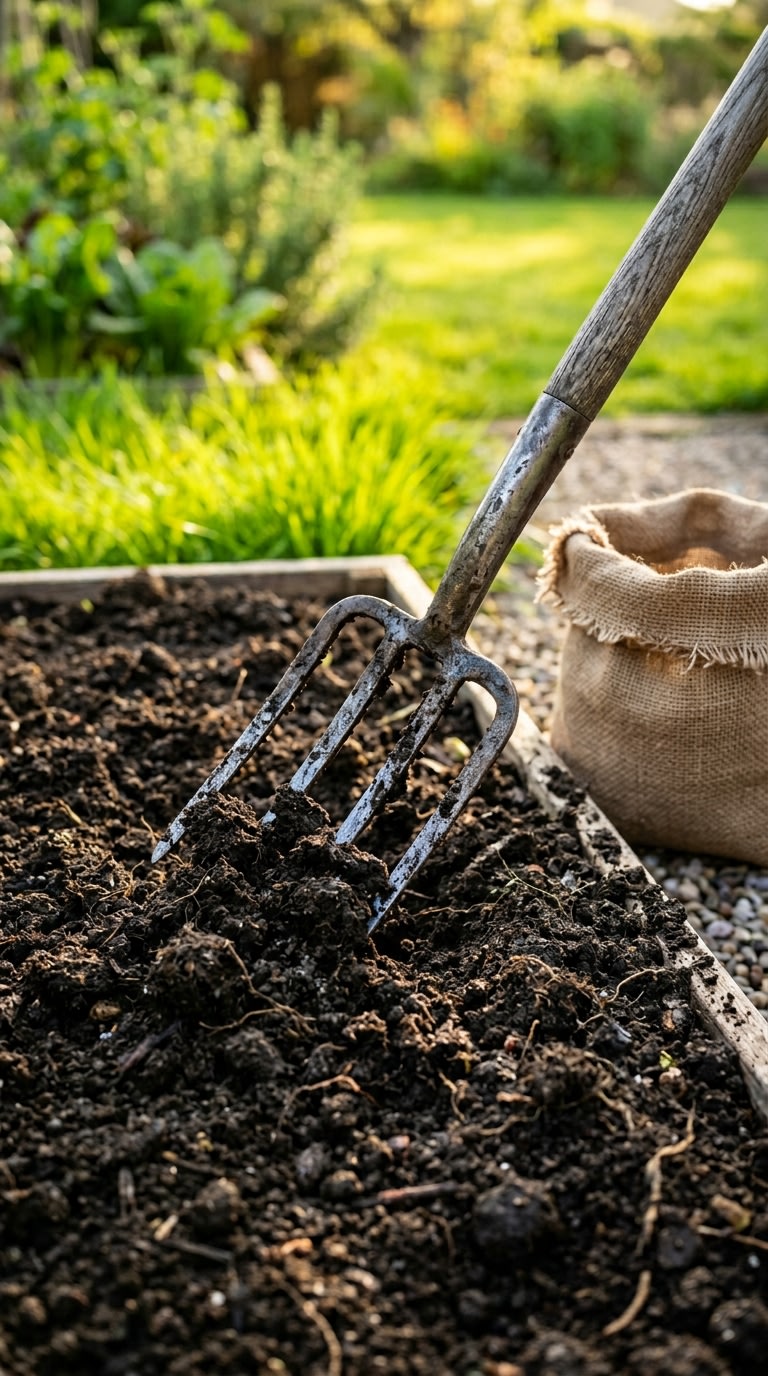
Healthy soil is the foundation of a thriving garden. Before planting, prepare your soil by testing its pH and nutrient levels. This ensures that your plants will have the best environment to grow in. You may need to amend the soil with organic matter like compost or well-rotted manure to improve its quality.
Once the soil is ready, clear away any debris or weeds that could compete with your new plants. This step is crucial for establishing a healthy garden that supports both your plants and your pet’s explorations.
Example: For instance, if your soil is too acidic, you can add lime to balance the pH.
Pro Tips:
- Consider using raised beds for better soil control and drainage.
- Regularly test soil every few years for nutrient levels.
- Mix in organic fertilizers to boost plant growth naturally.
Step 5: Plant with Care

Now comes the exciting part: planting! When you’re ready, gently place your chosen plants into the prepared soil, following the recommended spacing guidelines for each type. Ensure that you dig holes deep enough to accommodate the root systems without crowding. This will help your plants establish themselves and thrive in their new environment.
After planting, give your garden a good watering to help settle the soil around the roots. This initial hydration is crucial for your plants to adapt and grow strong, providing a safe and beautiful environment for your dog.
Example: For instance, when planting lavender, ensure the roots are covered but not too deep to avoid rot.
Pro Tips:
- Plant in the evening or on a cloudy day to reduce stress on new plants.
- Use a watering can for gentle watering, especially for delicate plants.
- Mulch around new plants to retain moisture and suppress weeds.
Step 6: Create Safe Play Areas

Designating safe play areas for your dog is an essential part of your pet-friendly garden. Choose soft, pet-friendly materials like grass or rubber mulch for these spaces. You can also incorporate engaging elements such as tunnels or climbing structures that encourage exercise and exploration.
Consider adding a small water feature or a kiddie pool for hot days. This not only keeps your pet cool but also provides a fun interactive element. Ensuring these areas are clearly defined can help your dog understand where they are free to play.
Example: For example, a small grassy area surrounded by flowers can create a delightful play zone for your dog.
Pro Tips:
- Use fencing or natural barriers to define play zones.
- Rotate toys and features regularly to keep your dog engaged.
- Ensure play areas are accessible and safe from hazards.
Step 7: Maintain Regularly

Maintenance is key to a thriving pet-friendly garden. Regularly check for weeds, pests, and any potential hazards that might arise. Keeping your garden tidy not only enhances its beauty but also ensures a safe environment for your pet. Schedule routine tasks like watering, trimming, and cleaning to keep everything in top shape.
Additionally, monitor your plants’ health and growth. Some plants may require more care than others, so staying on top of their needs will help them flourish. Regular maintenance allows you to enjoy your garden fully while ensuring it remains safe for your furry friend.
Example: For instance, setting a weekly schedule to check for pests can save you a lot of trouble down the line.
Pro Tips:
- Use organic pest control methods to keep your garden safe.
- Keep tools and chemicals stored away from pet areas.
- Plan seasonal maintenance to keep the garden vibrant year-round.
Step 8: Enjoy Your Garden

Finally, take the time to enjoy your new pet-friendly garden! Spend quality moments with your dog, whether it’s playing fetch, relaxing in the shade, or simply taking in the beauty of your surroundings. This space has been designed for both of you, so relish the time spent together.
Consider inviting friends and their pets over to share in the joy of your garden. This can create a lively atmosphere and promote socialization for your dog. Remember, your garden is a living space that thrives on love and care, so continue to nurture it and enjoy the wonderful experiences it brings.
Example: For example, you might host a small gathering where pets can play while you enjoy the beauty of your garden.
Pro Tips:
- Document your garden’s progress with photos throughout the seasons.
- Create a garden journal to note changes and observations.
- Always be present and engaged with your pet during outdoor time.
Advanced Tips
Incorporate Multi-Functional Plants
Consider planting herbs that are safe for dogs, such as basil or parsley, which can serve a dual purpose. Not only do they beautify your garden, but they can also be used in your cooking, providing fresh flavors right from your garden. This approach maximizes your gardening efforts and enhances your culinary experience.
Use Natural Barriers
In addition to physical barriers, consider using natural elements like hedges or shrubs to define pet areas. This not only enhances the aesthetic of your garden but also provides a safe boundary for your dog. Choose dense, non-toxic plants that can thrive in your climate to create effective barriers.
Create Seasonal Interest
To keep your garden vibrant throughout the year, select plants that bloom in different seasons. This ensures that there’s always something blooming, providing visual interest and a pleasant environment for both you and your pet. Rotate seasonal plants to maintain a fresh look and keep your pet engaged with their surroundings.
Install a Pet-Friendly Fence
A decorative fence can enhance the beauty of your garden while keeping your pet contained. Opt for materials that are safe and visually appealing, like wooden or vinyl fencing. Ensure the height is appropriate for your dog to prevent escape while maintaining an open feel to your garden.
Consider Edible Landscaping
Integrate edible plants into your garden layout. This not only provides a food source for you but also allows your dog to enjoy safe snacking on herbs or fruits. Incorporating edible plants into your design adds both functionality and beauty, creating a garden that is truly unique.
Tools & Resources
- Soil Test Kit — A soil test kit allows you to assess pH and nutrient levels, ensuring optimal conditions for your plants. This is crucial for maintaining a healthy garden environment, particularly for pet-friendly plants. — Available at: Home Depot, Amazon
- Organic Fertilizer — Using organic fertilizers helps nourish your plants without introducing harmful chemicals. This is especially important in a pet-friendly garden to keep it safe for your furry friends. — Available at: Local garden centers, Amazon
- Mulch — Pet-friendly mulch protects your plants and adds aesthetic value. Look for organic options that are safe for pets, as this will keep your garden looking good while being safe for your dog. — Available at: Home Depot, Lowe’s
- Gardening Tools Set — A complete gardening tool set includes essential tools for planting, pruning, and maintaining your garden. Quality tools make gardening easier and more enjoyable. — Available at: Home Depot, Amazon
- Dog-Friendly Water Feature — A small water feature can enhance your garden’s appeal and provide a cooling area for your dog. Ensure it is shallow and safe for pets to enjoy without risk. — Available at: Local garden centers, Amazon
Frequently Asked Questions
What plants are safe for dogs in a garden?
Some dog-friendly plants include marigolds, lavender, rosemary, and basil. These plants are non-toxic and can safely coexist with your pet in the garden. When selecting plants, always double-check their safety by consulting resources like the ASPCA’s list of toxic and non-toxic plants.
Additionally, incorporating herbs and non-toxic flowers can create a vibrant, aromatic space that both you and your dog can enjoy. Always be cautious, as even non-toxic plants can cause mild stomach upset if ingested in large quantities.
How can I create a safe play area for my dog?
To create a safe play area, designate a specific section of your garden with soft, pet-friendly materials like grass or rubber mulch. Incorporate engaging elements like tunnels, climbing structures, or even a kiddie pool for added fun. Clearly define this area with natural barriers such as shrubs or fences to help your dog understand where they can play safely.
Regularly inspect the area for any hazards and maintain it to ensure it remains a safe and enjoyable space for your furry friend.
Can I use pesticides in a pet-friendly garden?
It’s best to avoid chemical pesticides in a pet-friendly garden, as they can pose health risks to your pets. Instead, opt for organic pest control methods that are safer for animals. There are many natural alternatives available that can effectively manage pests without harming your pet.
Regular maintenance, such as hand-picking pests and encouraging beneficial insects, can also help keep your garden healthy and chemical-free.
How often should I maintain my pet-friendly garden?
Regular maintenance is vital for a thriving pet-friendly garden. Aim to check your garden weekly for weeds, pests, and any potential hazards. Monthly tasks can include more extensive pruning and soil checks. Seasonally, assess your plants’ health and consider rotating or replacing any that may not be thriving.
Maintaining a consistent schedule not only keeps your garden looking great but also ensures the safety and well-being of your furry friend.
Is it possible to have an edible garden that is safe for dogs?
Absolutely! You can create an edible garden that is safe for dogs by incorporating dog-friendly herbs and vegetables. For example, basil, parsley, and certain types of berries are safe for pets and can be included in your garden design. Just ensure that any plants you choose are non-toxic and suitable for dogs to nibble on.
This approach not only provides you with fresh ingredients but also allows your dog to enjoy safe snacking in the garden.
By following these steps, you’re well on your way to creating a beautiful, pet-friendly garden that both you and your furry friend will love. Remember, the joy of gardening lies not only in the aesthetics but also in the shared experiences with your pet. Enjoy the process, be patient, and watch your garden flourish into a safe haven.
Don’t forget to share your gardening journey with fellow pet owners! They’ll appreciate your insights and might just be inspired to create their own pet-friendly spaces. Happy gardening!