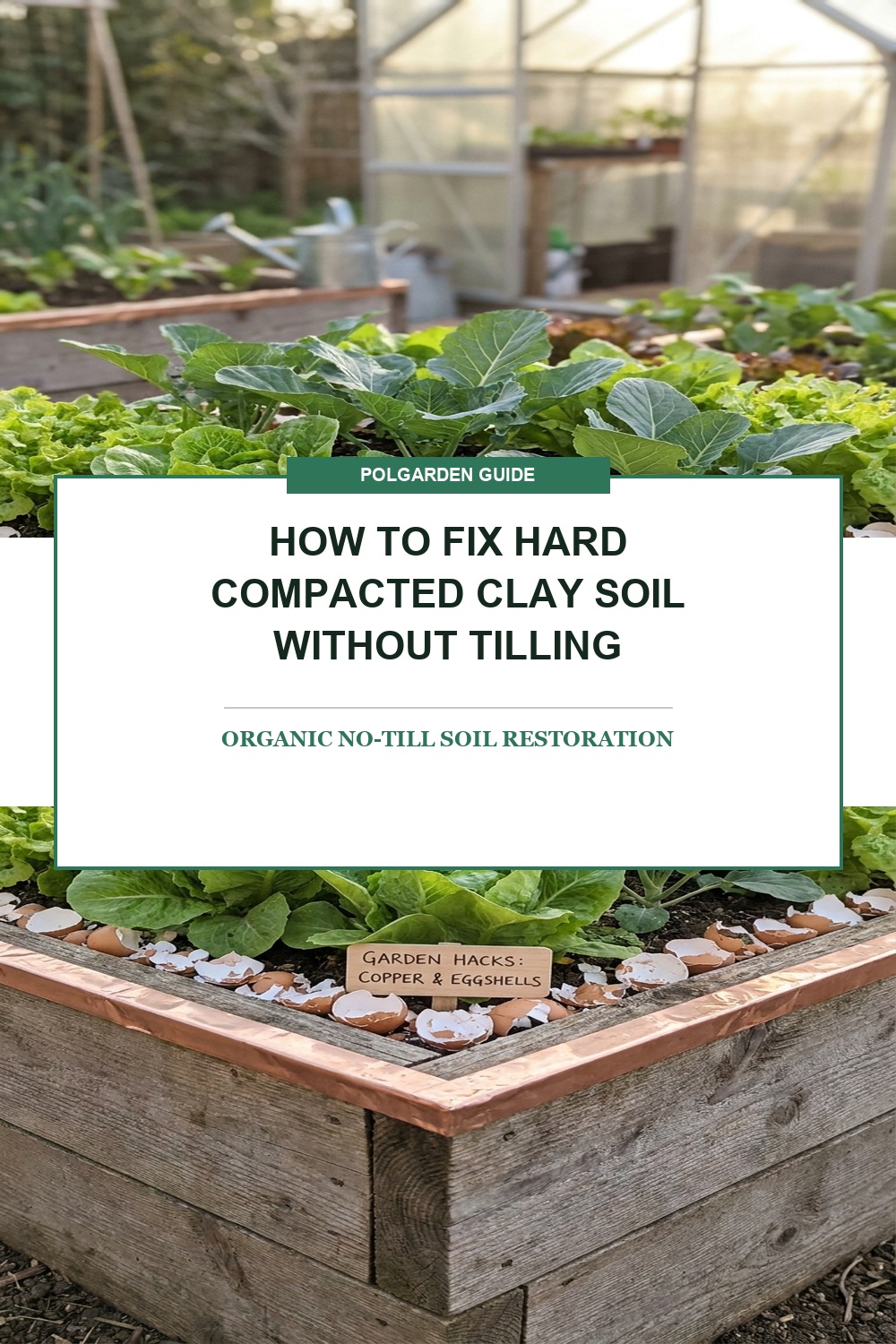
Digging into heavy, waterlogged clay soil feels like attempting to shovel wet cement, only for it to bake into impenetrable brick under midsummer heat. While conventional advice suggests heavy tilling or hauling in tons of sand, rototilling heavy clay actually shatters soil aggregate structure and worsens hardpan compaction. Transforming dense clay into rich, crumbly loam requires organic biological decompression and fungal aeration.
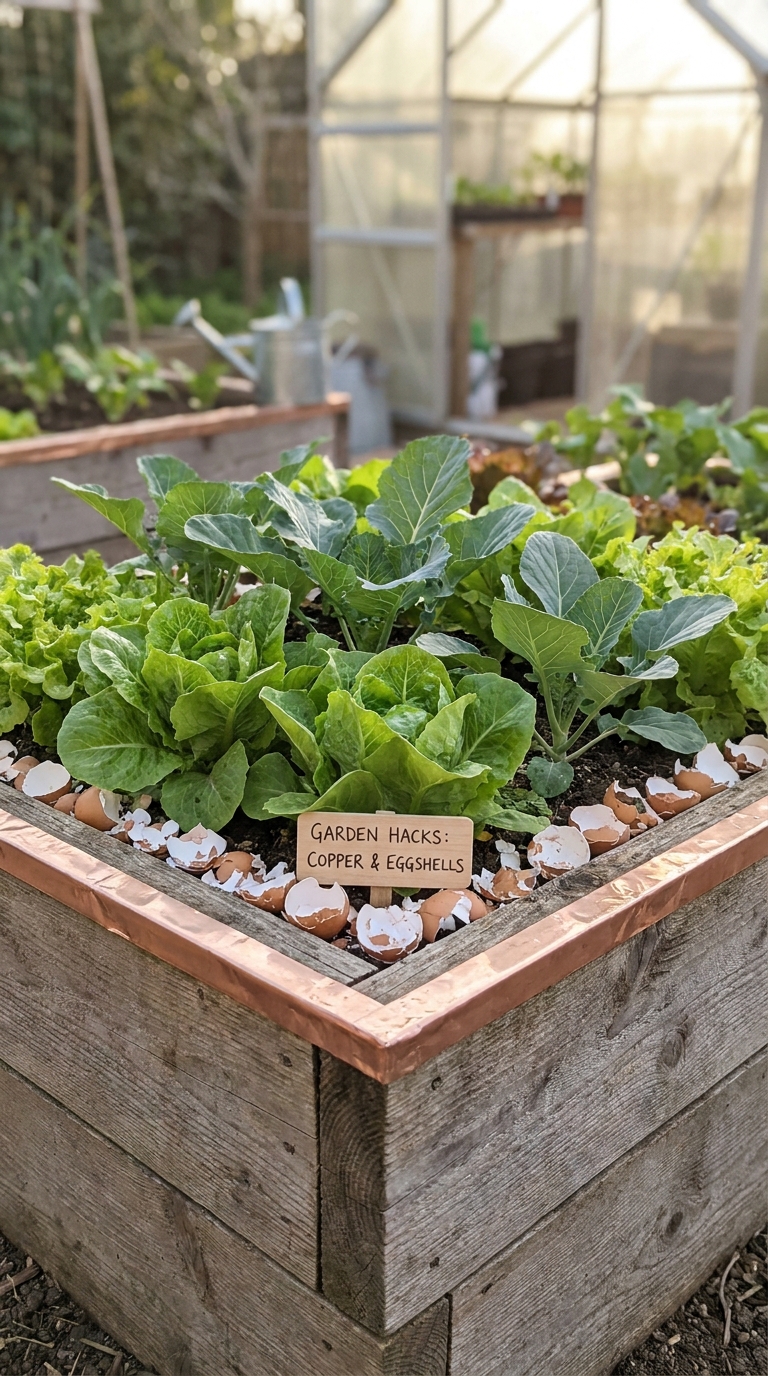
Clay soil particles are microscopic flat plates that pack tightly together with electrostatic bonds. Introducing humic compounds, gypsum (calcium sulfate), and deep bio-drilling taproots flocculates these microscopic plates into loose, sponge-like aggregates with superior water infiltration and aeration.
- Difficulty: Intermediate
- Implementation Effort: Low Impact / No-Till
- Transformation Timeline: 30 to 90 Days
- Optimal Season: Early Spring or Autumn
- Key Mechanism: Calcium Flocculation & Fungal Mycelium Aggregation
Why You’ll Love This Method
- Zero Back-Breaking Tilling: No-till biological method preserves fungal hyphae networks and prevents subsoil compaction layers.
- Permanent Soil Aeration: Restores natural capillary channels and oxygen exchange throughout the top 12 inches.
- Massive Water Drainage Boost: Eliminates stagnant puddling in spring while retaining moisture through dry summer spells.
- Unlocks Trapped Nutrients: Clay is mineral-rich; flocculation makes trapped potassium, iron, and trace minerals bioavailable to plant roots.
Essential Materials, Tools & Smart Swaps
- Horticultural Gypsum (Calcium Sulfate): Displaces sodium and bonds clay particles into porous crumbly granules (flocculation).
- Aged Compost or Leaf Mold (2 to 3-inch layer): Supplies active carbon and beneficial mycorrhizae that bind soil particles.
- Daikon Radish or Winter Rye Seeds: Natural ‘biological drillers’ whose deep taproots pierce dense subsoil layers.
- Broadfork or Garden Fork (Aeration Tool): Gently fractures hardpan soil without inverting microbial horizons.
Step-by-Step Practical Walkthrough
1. Broadfork the Compacted Bed (No Inversion): Insert a garden fork vertically 8 to 10 inches into moist soil and gently pull back to create fissures; do not flip the soil over.
2. Apply Horticultural Gypsum: Broadcast gypsum at a rate of 4 to 5 lbs per 100 square feet across the fractured surface.
3. Top-Dress with 3 Inches of Coarse Organic Compost: Layer rich aged compost, worm castings, or leaf mold over the soil. Soil organisms will naturally pull this organic matter deep into the fissures.
4. Sow Deep-Rooted Cover Crops (Bio-Drilling): Broadcast Daikon radish seeds in late summer. Their thick taproots drill 18+ inches into clay; during winter frost, roots decompose in place, leaving open aeration conduits.
5. Maintain Permanent Organic Mulch Cover: Never leave bare clay exposed to sun and heavy rain; keep a 2-inch wood chip or straw blanket year-round to buffer raindrop compaction.
3 Master Gardener Secrets for 100% Success
1. Never Add Sand to Heavy Clay: Adding fine sand to clay creates natural concrete! Clay improvement requires organic matter and calcium, not mineral sand particles.
2. Work Soil Only at ‘Chocolate Cake’ Moisture: Working clay when soaking wet destroys pore spaces; working it bone dry fractures plant roots. Work soil only when a squeezed handful crumbles easily like moist cake.
3. Harness Mycorrhizal Inoculants: Dust plant roots with mycorrhizal fungi during planting; fungal glomalin acts as natural biological glue that aggregates clay permanently.
Top Plants to Accelerate Clay Soil Rehabilitation
- Daikon & Tillage Radishes: The ultimate organic subsoil jackhammer that decomposes into rich humus channels.
- Crimson Clover & Vetch: Fixes atmospheric nitrogen while weaving fine fibrous root mats through dense topsoil.
- Sunflowers & Comfrey: Deep-seeking taproots mine subsoil minerals and pull calcium up to the surface.
- Native Prairie Grasses & Coneflowers: Perennial root systems that naturally thrive in and fracture dense clay basins.
Seasonal Timing, Storage & Maintenance
- Gypsum Longevity: Gypsum remains active in soil for 2 to 3 years before requiring a light maintenance top-dress.
- Mulch Maintenance: Replenish your straw or wood chip mulch layer annually each spring to prevent surface crusting.
- Pathway Management: Establish permanent garden walking boards or stone paths so you never step onto cultivated planting beds.
Frequently Asked Questions
Does gypsum work on all clay soils?
Gypsum works exceptionally well on clay soils with high sodium or magnesium imbalances. In balanced clays, heavy organic matter top-dressing delivers the fastest transformation.
How long until I see real improvements in my clay soil?
You will notice noticeable drainage improvements within 6 to 8 weeks, with rich crumbly topsoil developing within one full growing season.
Can I plant vegetables immediately after applying gypsum and compost?
Yes. Gypsum is pH neutral and does not burn tender roots; you can plant directly into the amended bed the same day.
Pin This Gardening Guide for Later
Save this no-till soil improvement guide to your Garden Soil Tips or Raised Bed Gardening Pinterest board to turn stubborn clay into black gold!